Top 10 Most Physical MotoGP Circuits for Riders
This ranking orders the Top 10 Most Physical MotoGP Circuits for Riders using rider testimony, press analysis and official MotoGP discussion about which tracks drain riders most. The list focuses on concrete circuit traits — sustained high-speed sections, rapid direction changes, heavy braking zones, elevation swings, and extreme environmental conditions — that consistently force riders and teams to confront the toughest physical tests.
How this ranking was built
This order weighs published rider comments and motorsport-press reporting plus the official MotoGP overview of rider fitness. We prioritise tracks repeatedly cited as physically demanding (layout stress, braking and direction changes) and include circuits where heat or sustained high-speed flow is a consistent factor. The result is editorial: it reflects documented reputation and technical reasoning rather than a numeric scorecard.
What this ranking highlights
- Which circuits riders and press repeatedly name as the toughest.
- Why layout features — e.g., elevation, direction changes, long high-speed corners — increase physical load.
- How environmental factors like heat and humidity intensify the challenge.
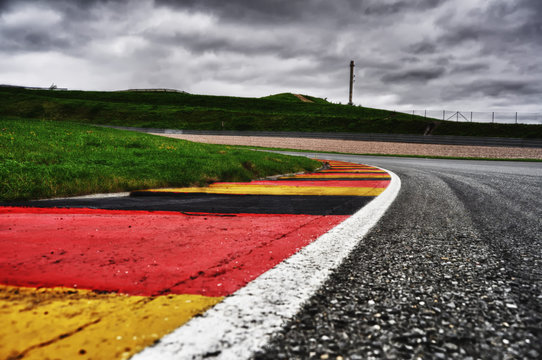
10. Sachsenring
🏁 Rank: #10 · ⭐ Why it matters: short, intense layout that riders report as physically hard · 📍 Circuit: Sachsenring
Sachsenring appears in rider quotes and race coverage as a track that can feel particularly hard on riders. Its combination of constant direction changes and compact laps amplifies physical load during a race, making it a regular inclusion in discussions of physically demanding circuits.
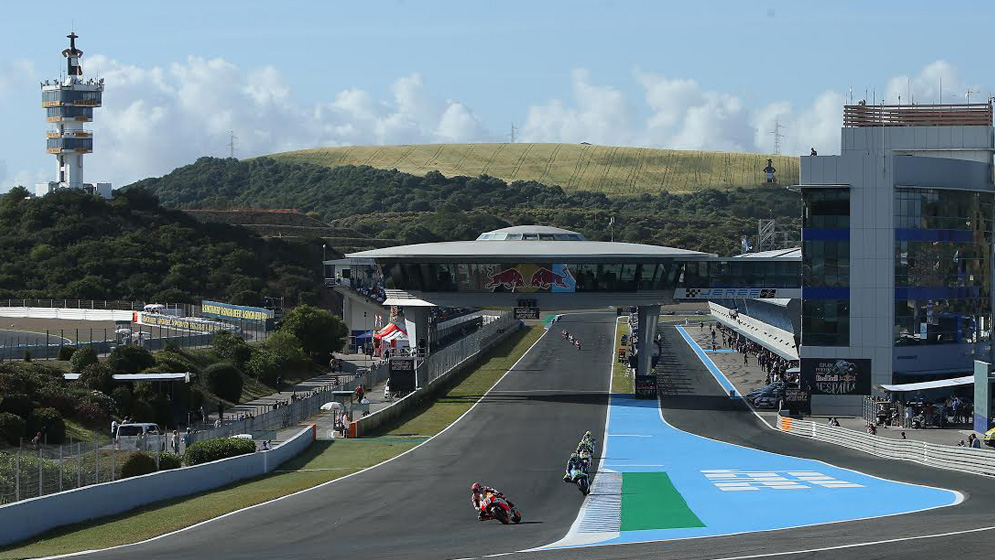
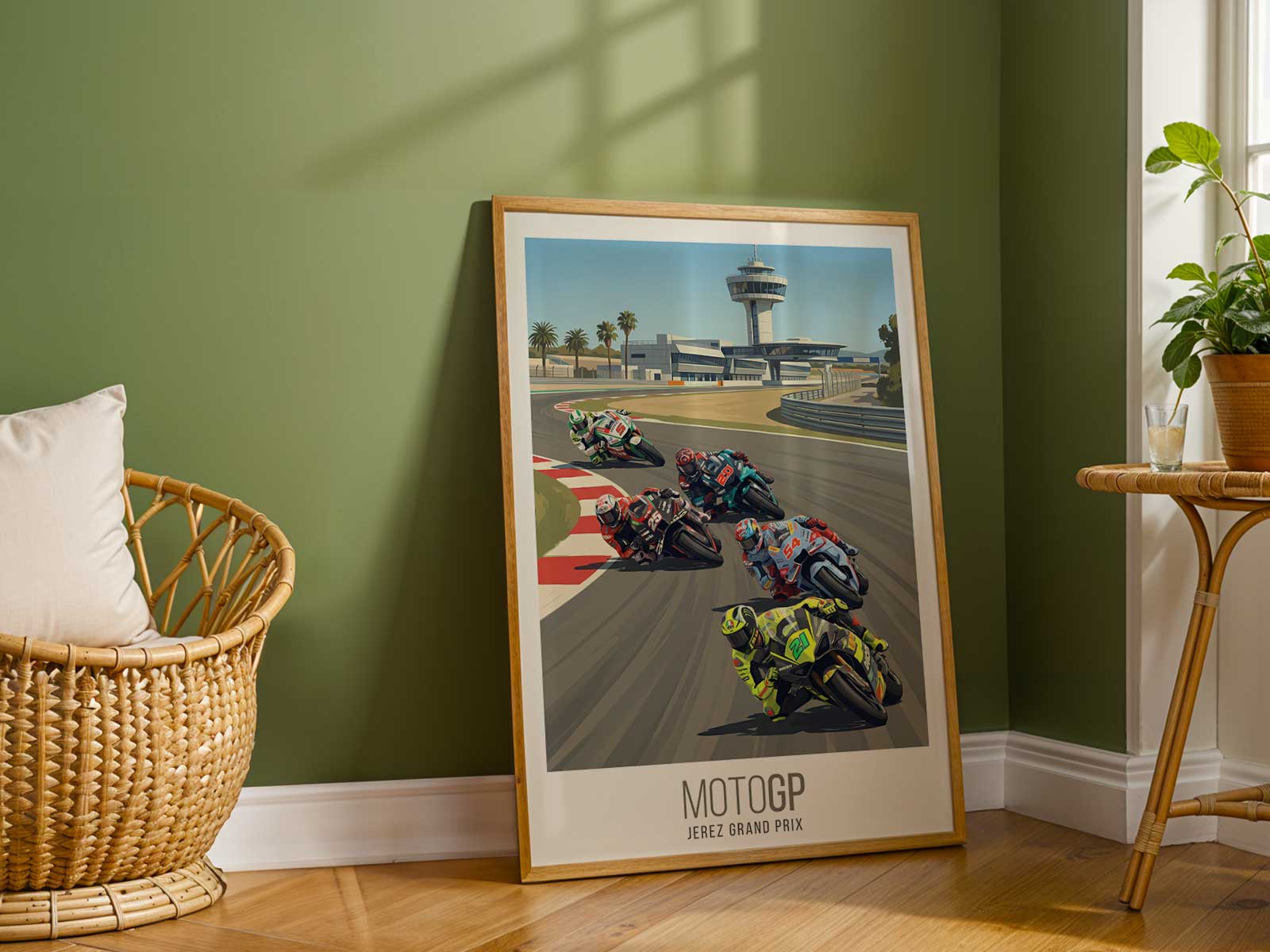
9. Jerez
🏁 Rank: #9 · ⭐ Why it matters: riders report feeling the physical effects after races/tests · 📍 Circuit: Jerez
Jerez is cited in rider commentary as a venue where races and tests leave riders feeling physically drained. The track's stop-start sections and repeated acceleration zones can accumulate fatigue over race distance, and it shows up often in post-event reflections.
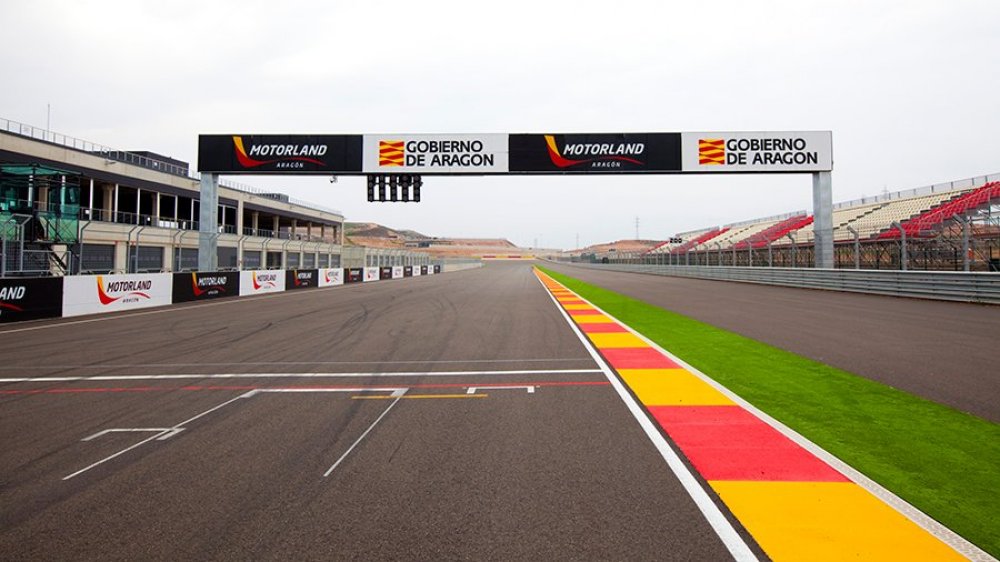
8. MotorLand Aragón
🏁 Rank: #8 · ⭐ Why it matters: heavy fuel/tyre loads and technical sections increase strain · 📍 Circuit: MotorLand Aragón
Reports and rider comments identify Aragón as testing in certain conditions: the mix of long corners and braking sequences, combined with race fuel and tyre wear, can make it one of the more physically demanding rounds during a season.
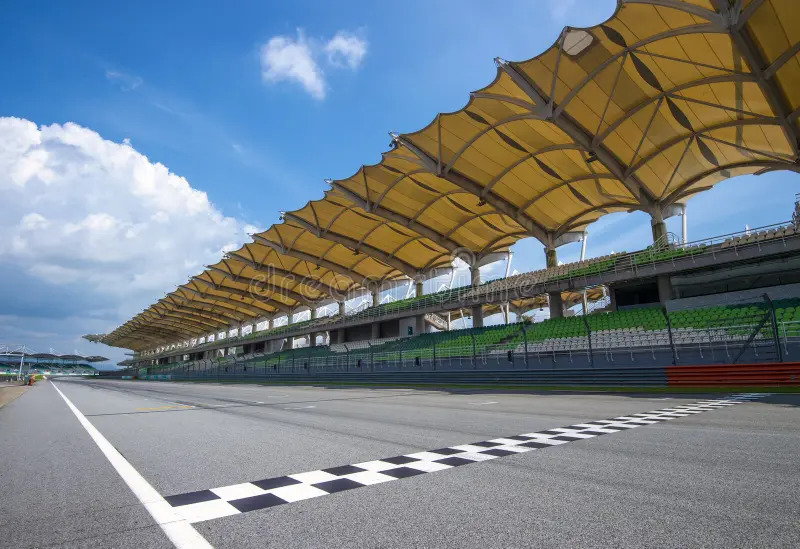
7. Sepang International Circuit
🏁 Rank: #7 · 🌡️ Key stat: extreme heat/humidity factor · ⭐ Why it matters: environmental stress intensifies physical demand · 📍 Circuit: Sepang
Sepang is repeatedly referenced by teams and riders for its brutal combination of heat and humidity. That environmental load, layered onto a demanding track layout, elevates the physical challenge beyond pure cornering or braking metrics.
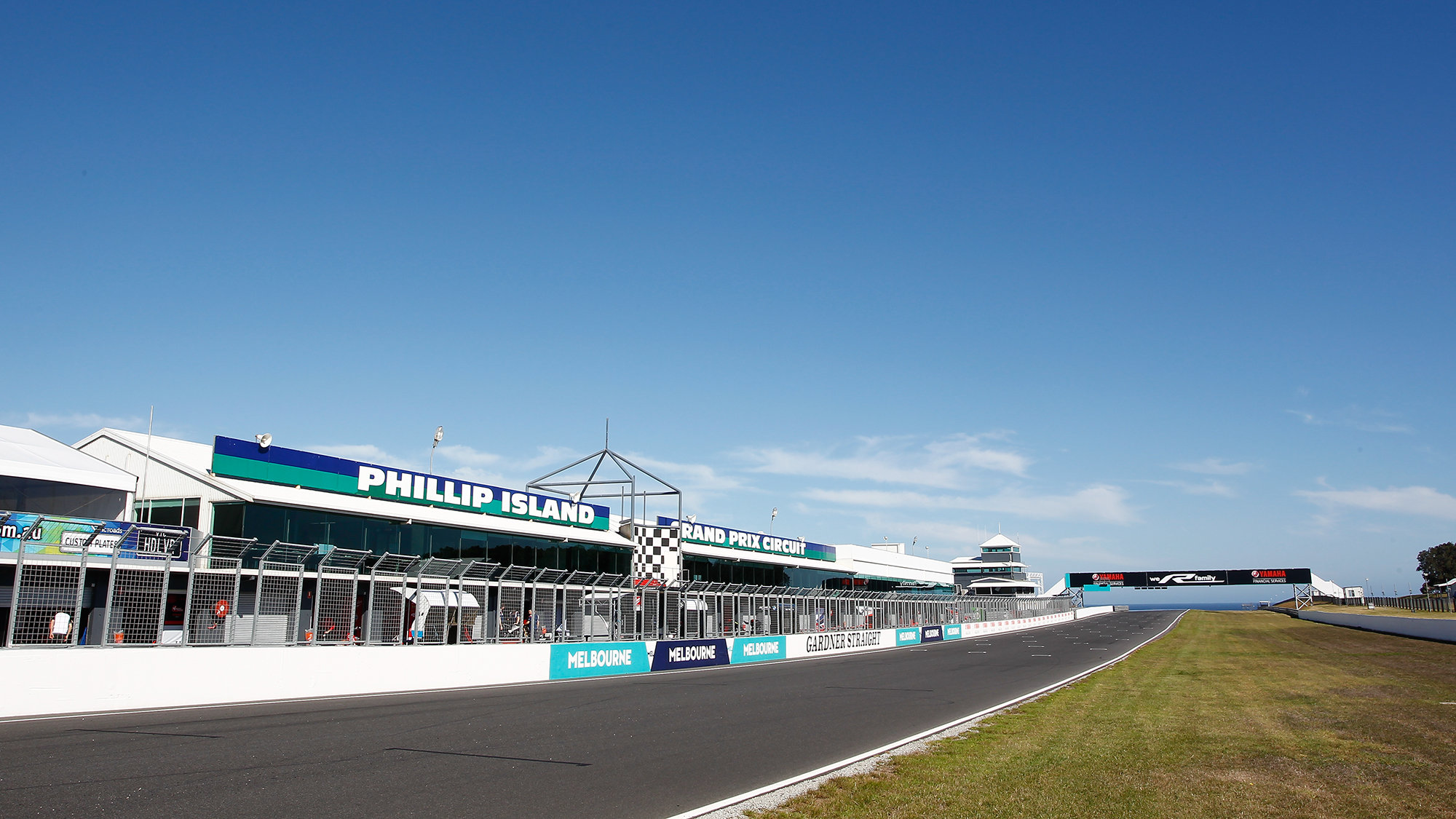
6. Phillip Island
🏁 Rank: #6 · ⭐ Why it matters: sustained high-speed flow that is 'cruel' on tyres and riders · 📍 Circuit: Phillip Island
Phillip Island's fast, flowing corners force sustained rider input and precise positioning. Test and race commentary historically describe it as physically demanding both for tyre wear and for riders who must maintain concentration and muscular control through long high-speed sequences.
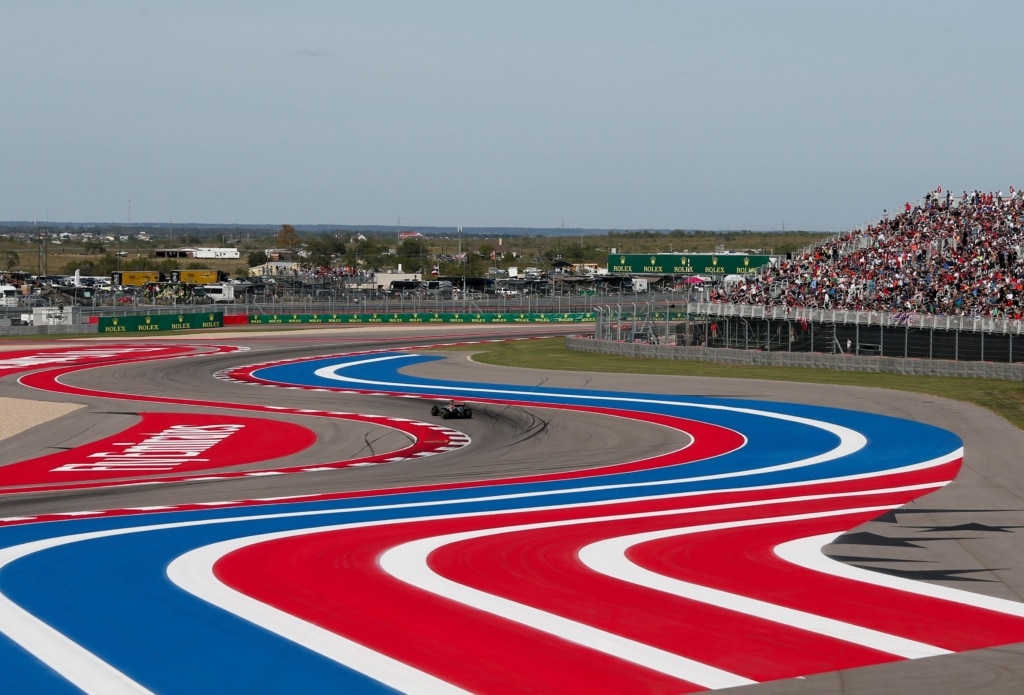
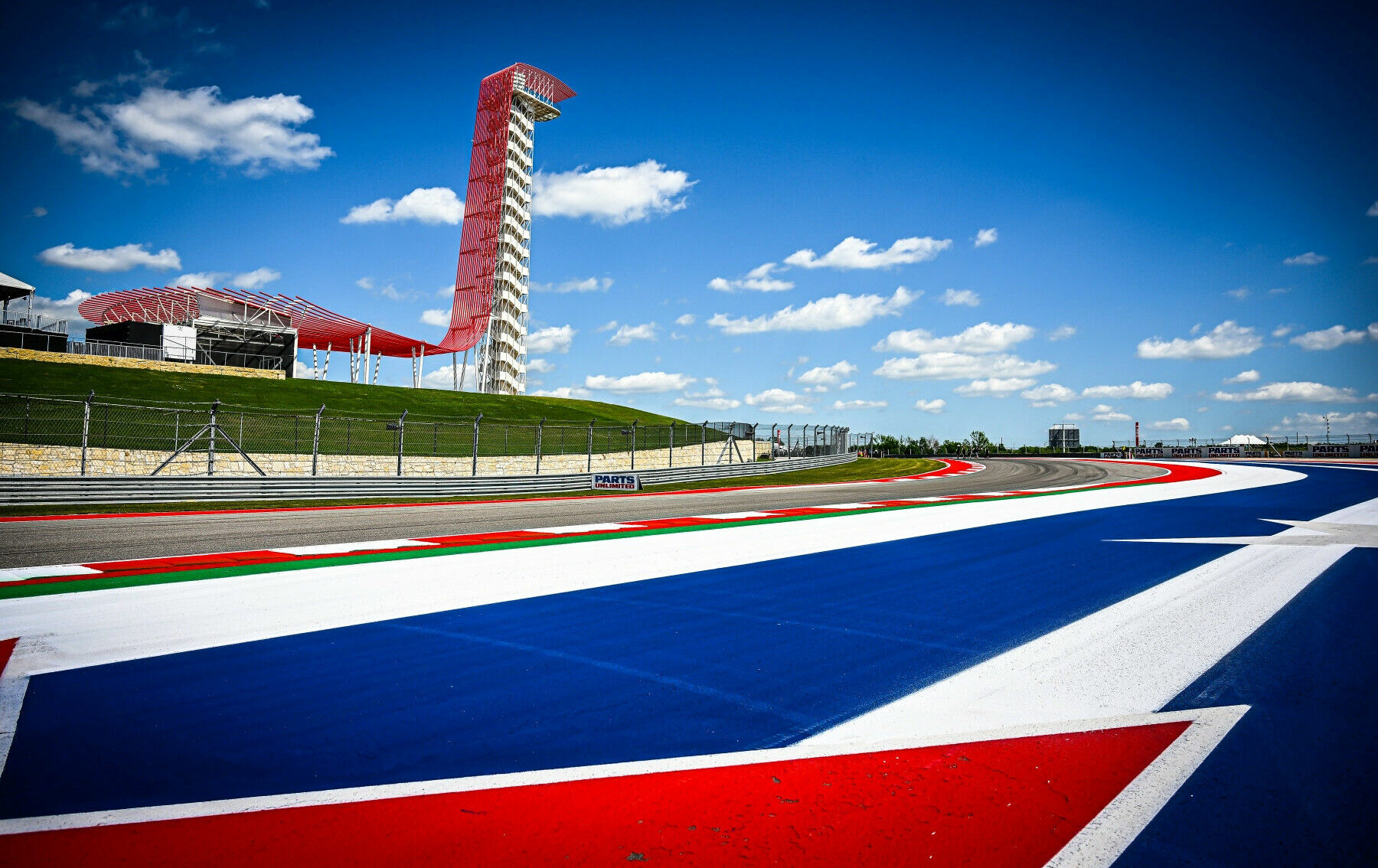
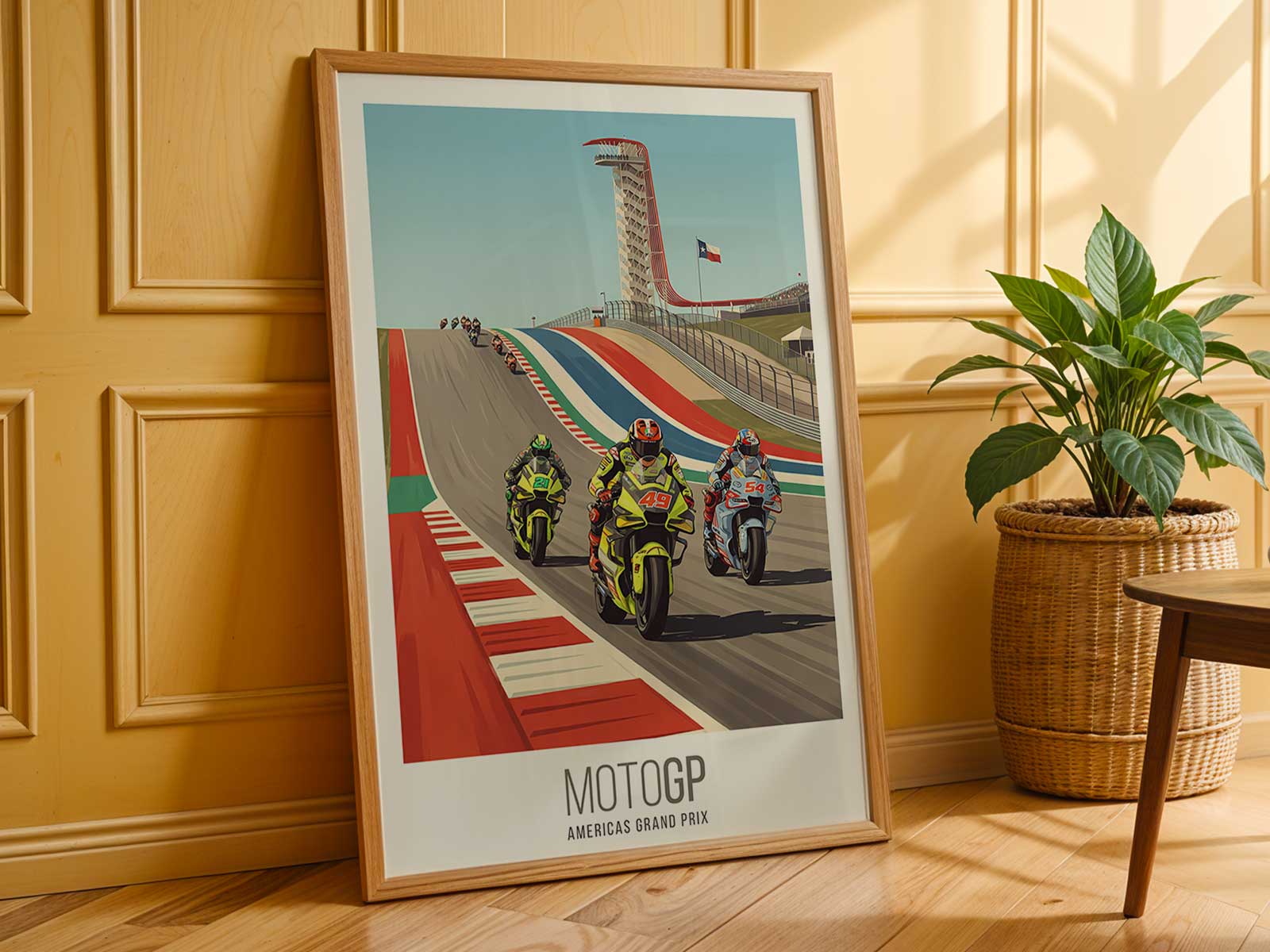
5. Circuit of the Americas
🏁 Rank: #5 · ⭐ Why it matters: elevation changes and heavy braking make it 'brutal' physically · 📍 Circuit: COTA
COTA is frequently described by riders and the press as one of the more physically brutal tracks. Elevation changes combined with long braking zones and sharp direction shifts create repeated high-load moments that test neck, core and arms over a race distance.
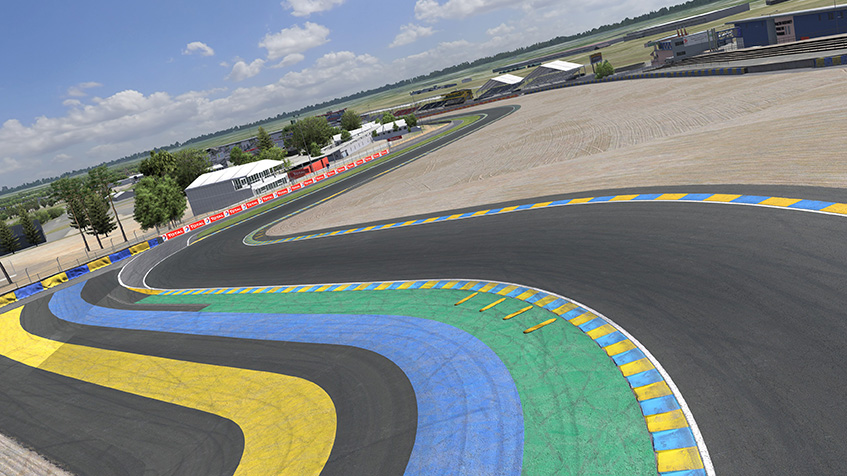
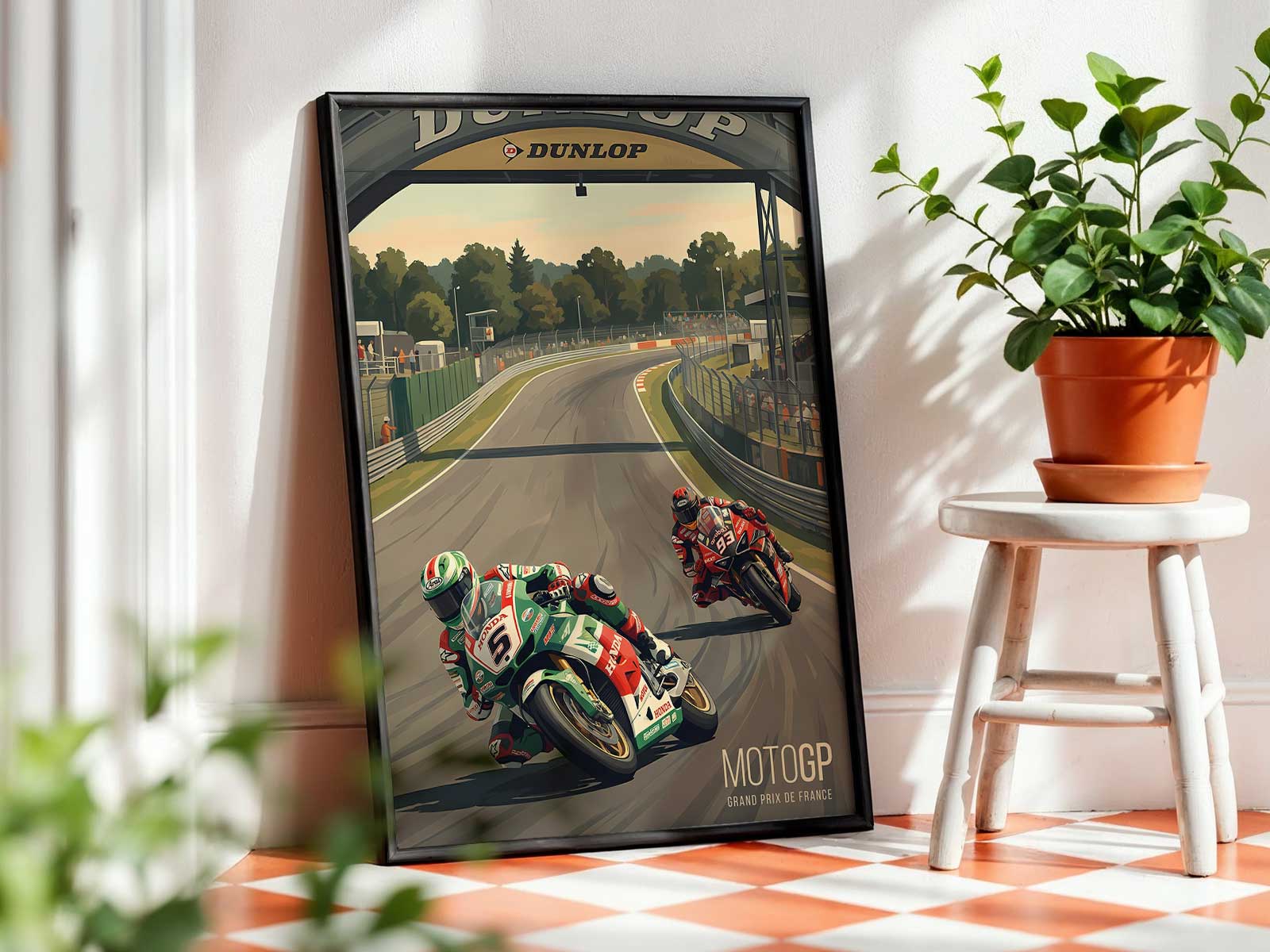
4. Le Mans
🏁 Rank: #4 · ⭐ Why it matters: one of MotoGP’s most demanding stop-and-go circuits, with heavy braking, cold-weather risk, and intense acceleration zones · 📍 Circuit: Le Mans
Le Mans is one of the most physically demanding circuits on the MotoGP calendar because it constantly asks riders to brake hard, lift the bike, and accelerate again with precision. Its stop-and-go layout puts major strain on the arms, shoulders, and core, while the French weather can make grip levels unpredictable and increase the mental load throughout the race.
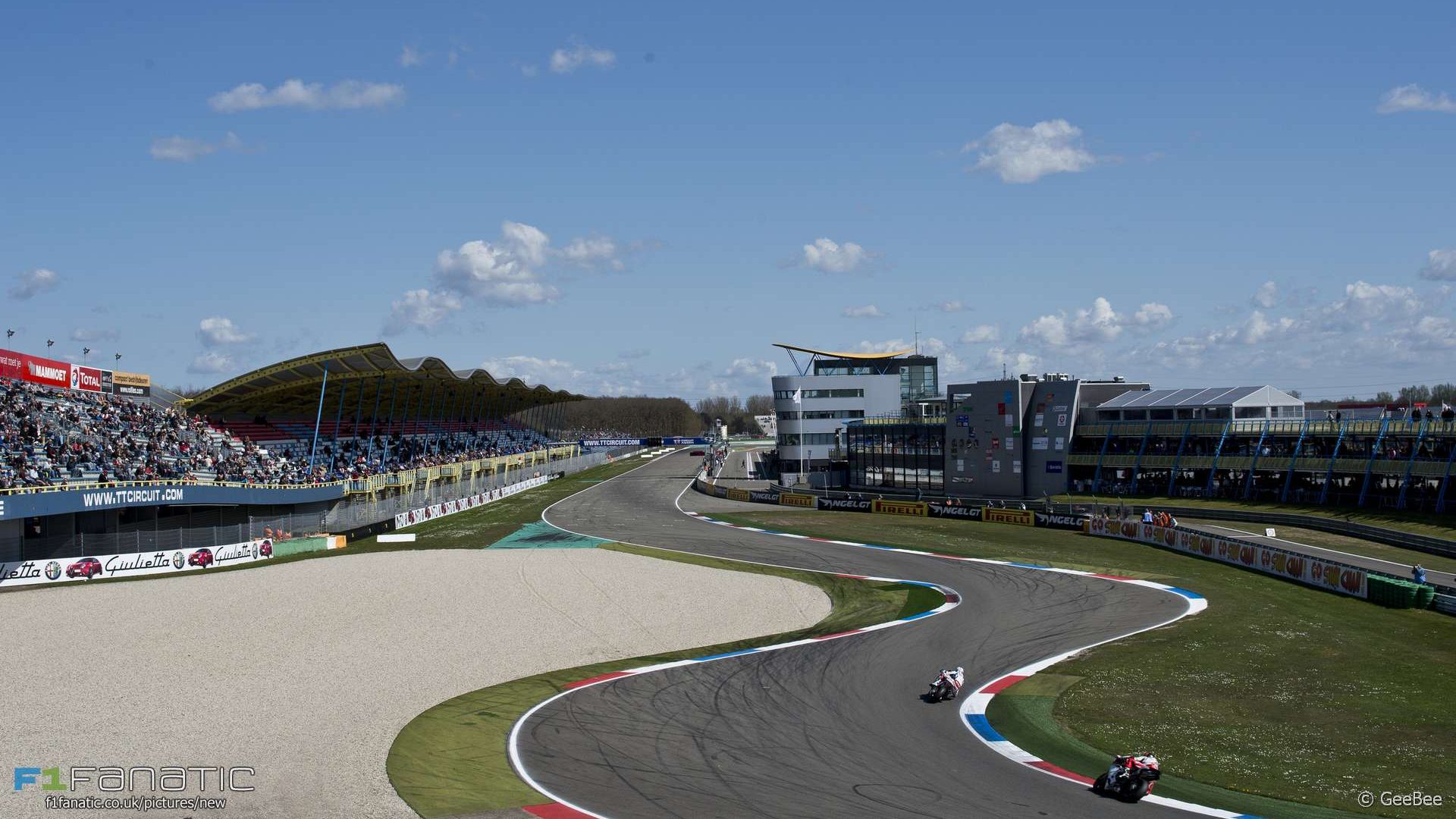
3. TT Circuit Assen
🏁 Rank: #3 · ⭐ Why it matters: high-speed direction changes demand constant rider input · 📍 Circuit: Assen
Assen is known for its rapid direction changes and flowing but intense rhythm. Riders including high-profile competitors have described it as a very physical track where continuous inputs and quick transitions make races especially taxing.
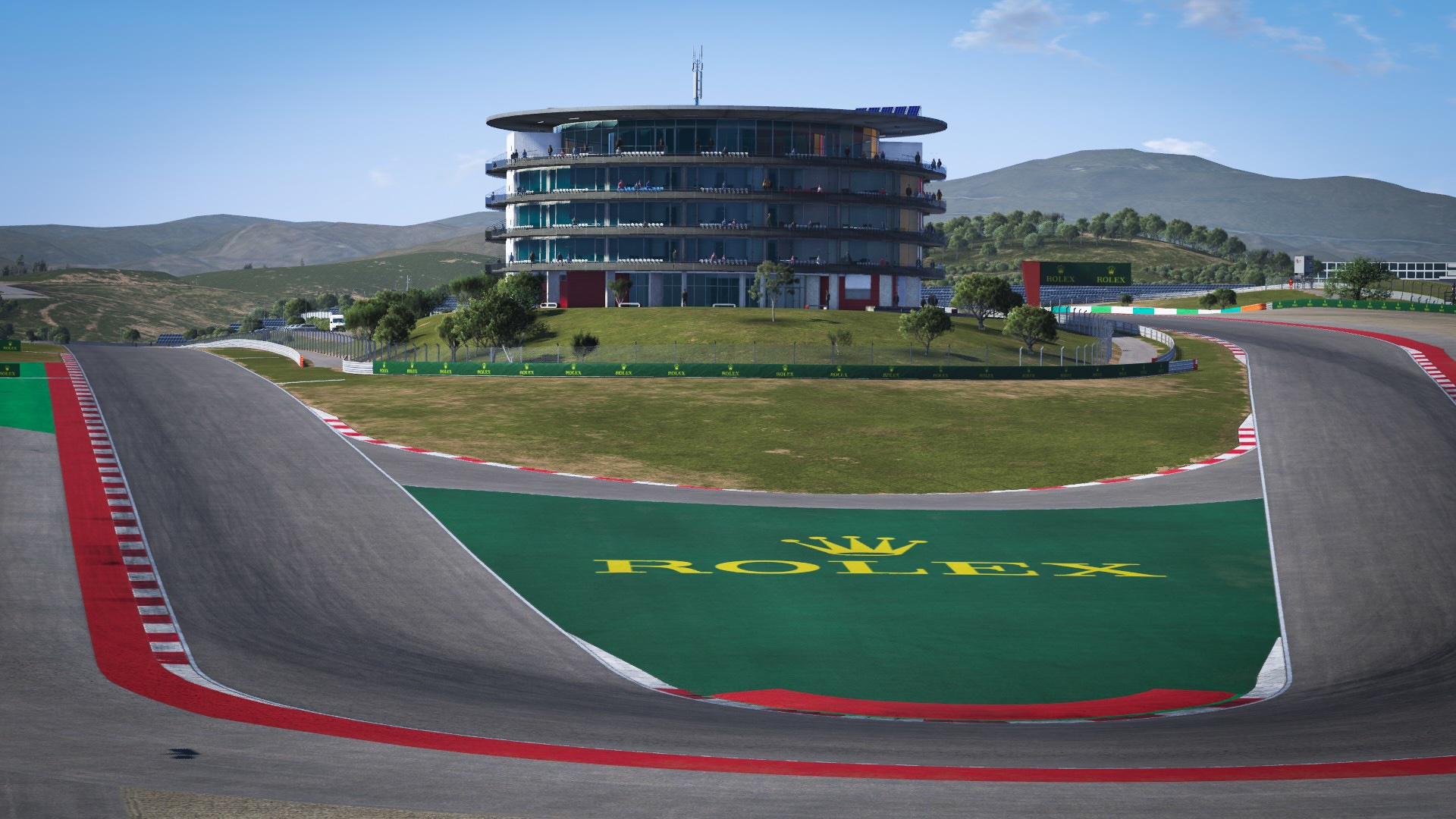
2. Portimao
🏁 Rank: #9 · ⭐ Why it matters: famous for its roller-coaster elevation changes, blind crests, and constant load shifts that make it one of MotoGP’s most demanding circuits · 📍 Circuit: Portimao
Portimao is one of the most physically challenging circuits in MotoGP because its dramatic elevation changes and blind entries constantly unsettle the bike and the rider. The fast direction changes, heavy braking zones, and repeated crests force riders to stay fully engaged with their legs, core, and upper body, making every lap physically intense and mentally exhausting.
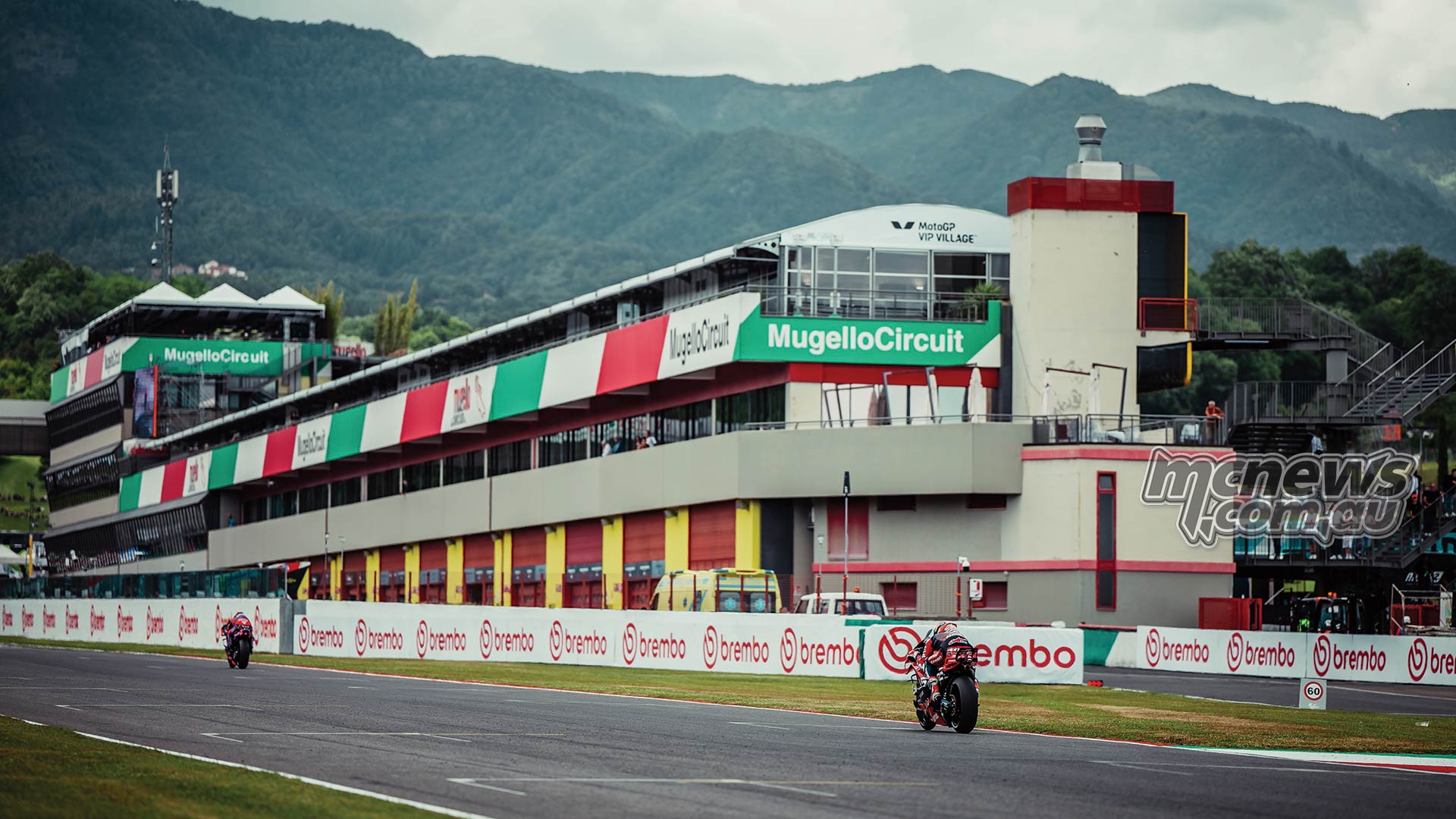
1. Autodromo Internazionale del Mugello
🏁 Rank: #1 · ⭐ Why it matters: repeatedly singled out by riders and press as the most physically demanding · 📍 Circuit: Mugello
Multiple authoritative sources and rider testimony consistently single out Mugello as one of the most physically demanding circuits. Its mix of long straights into heavy braking, fast sweeping corners and high-speed load cycles forces a level of repeated physical effort that, in published coverage, sets it apart from other venues.
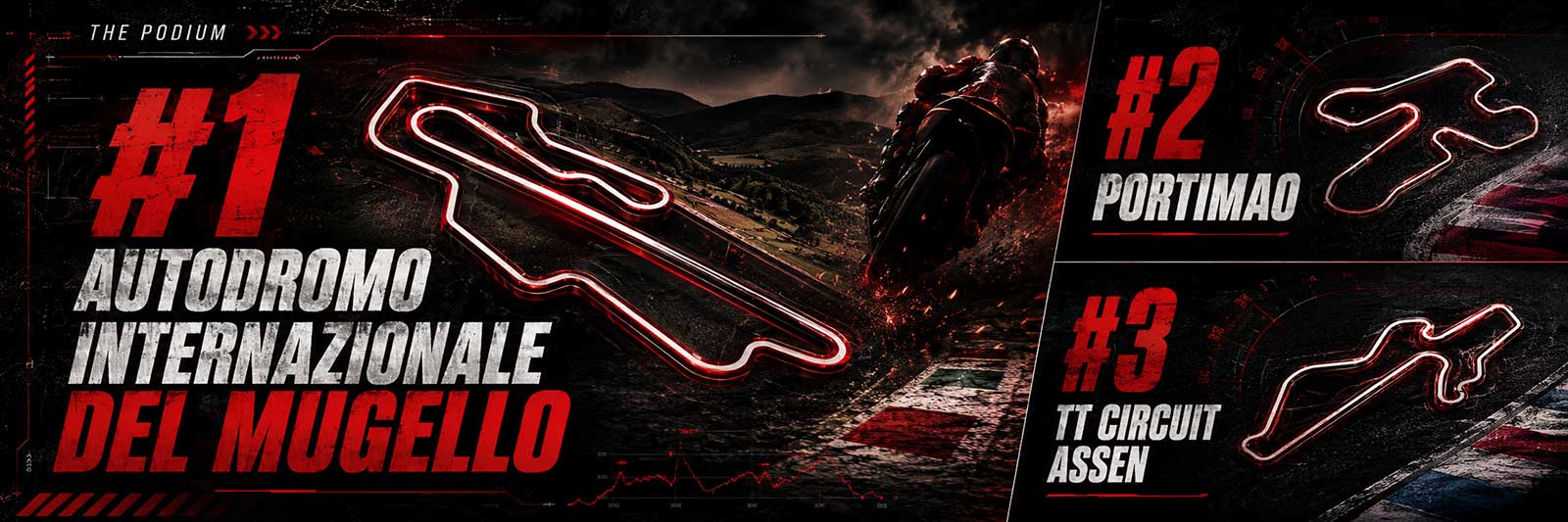
What this ranking tells us
Circuits impose physical strain in different ways: some test neck and arms with high-speed flowing corners, others punish with heavy braking and direction changes, and a few add environmental stress like Sepang's heat. The debate over exactly which track is toughest will continue — but the consistent appearance of Mugello, Assen, COTA, Phillip Island, Sepang, Aragón, Jerez and Sachsenring in rider and press commentary explains why fans and teams treat these rounds as the real endurance checks of a MotoGP season. If you'd reorder this list, that's exactly the kind of discussion that keeps MotoGP fandom lively.
Author: William L.