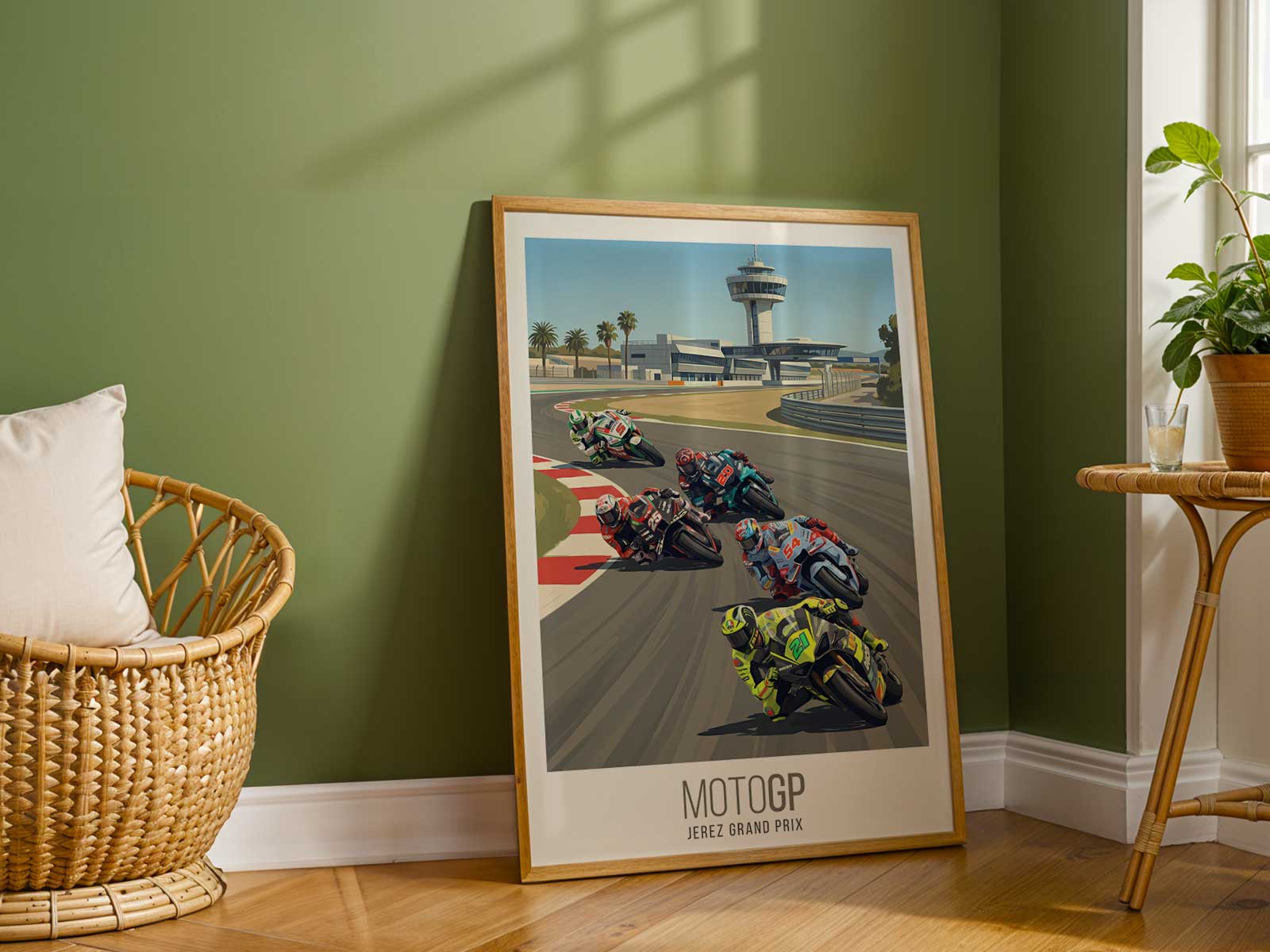
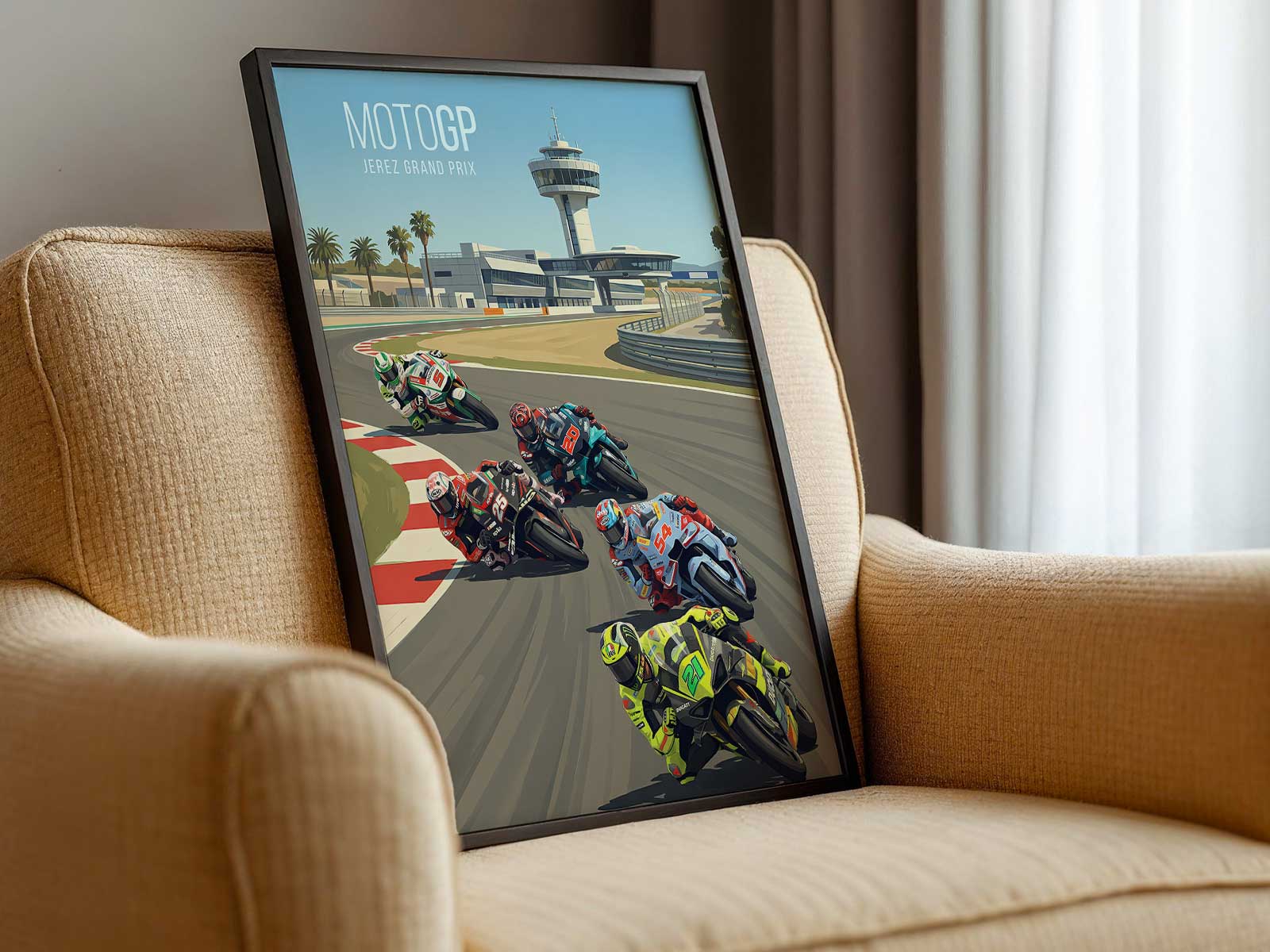
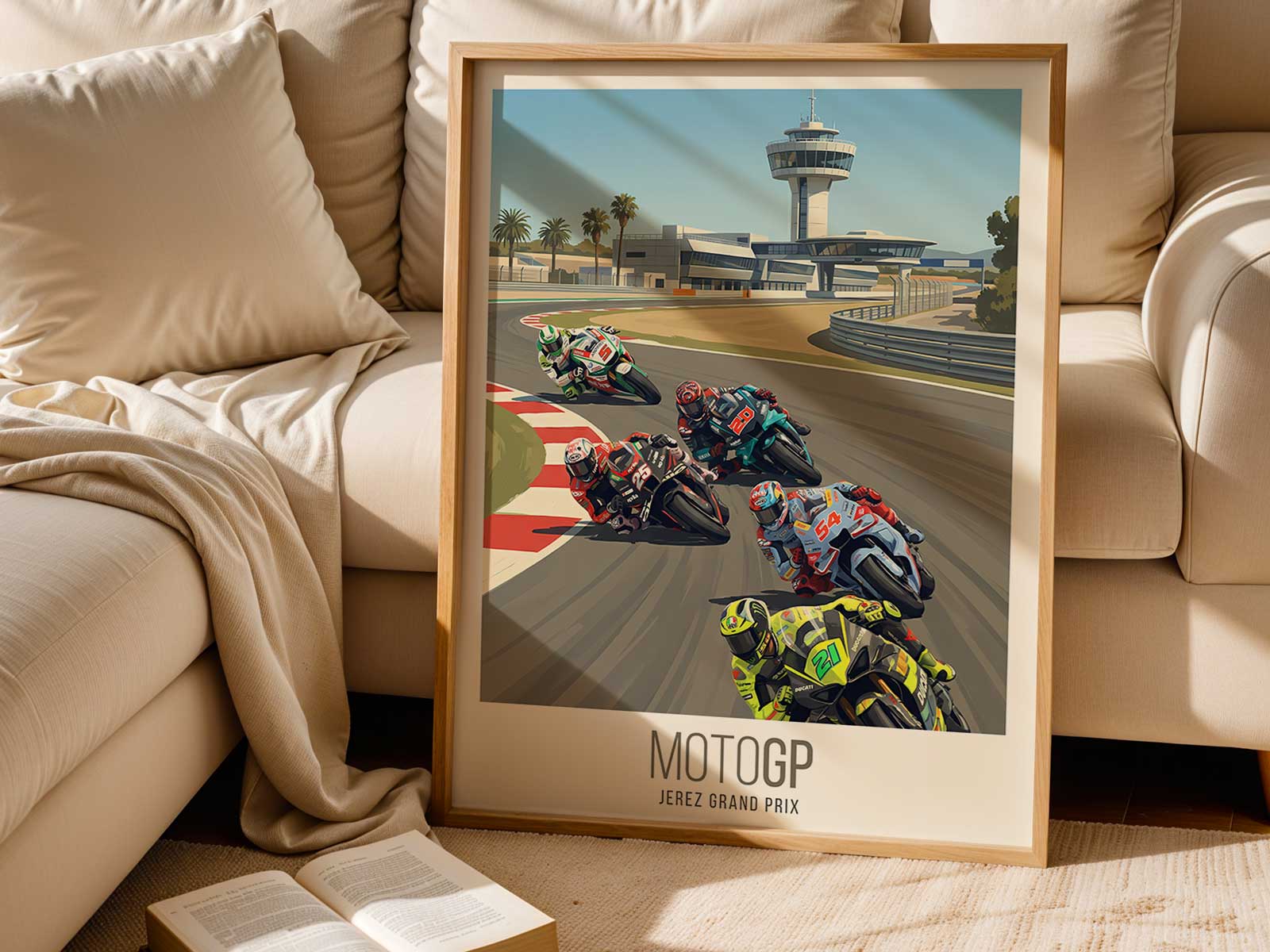
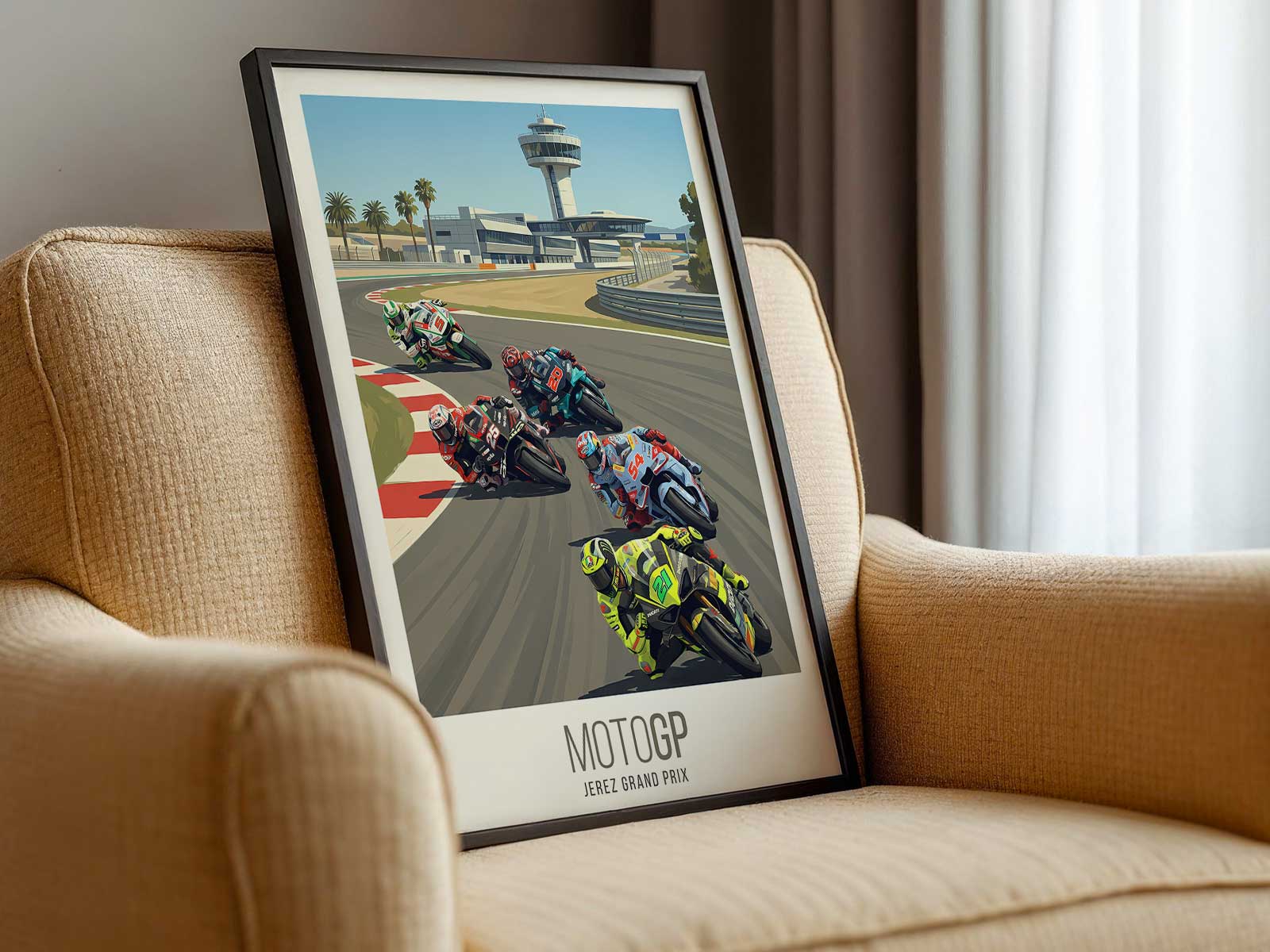
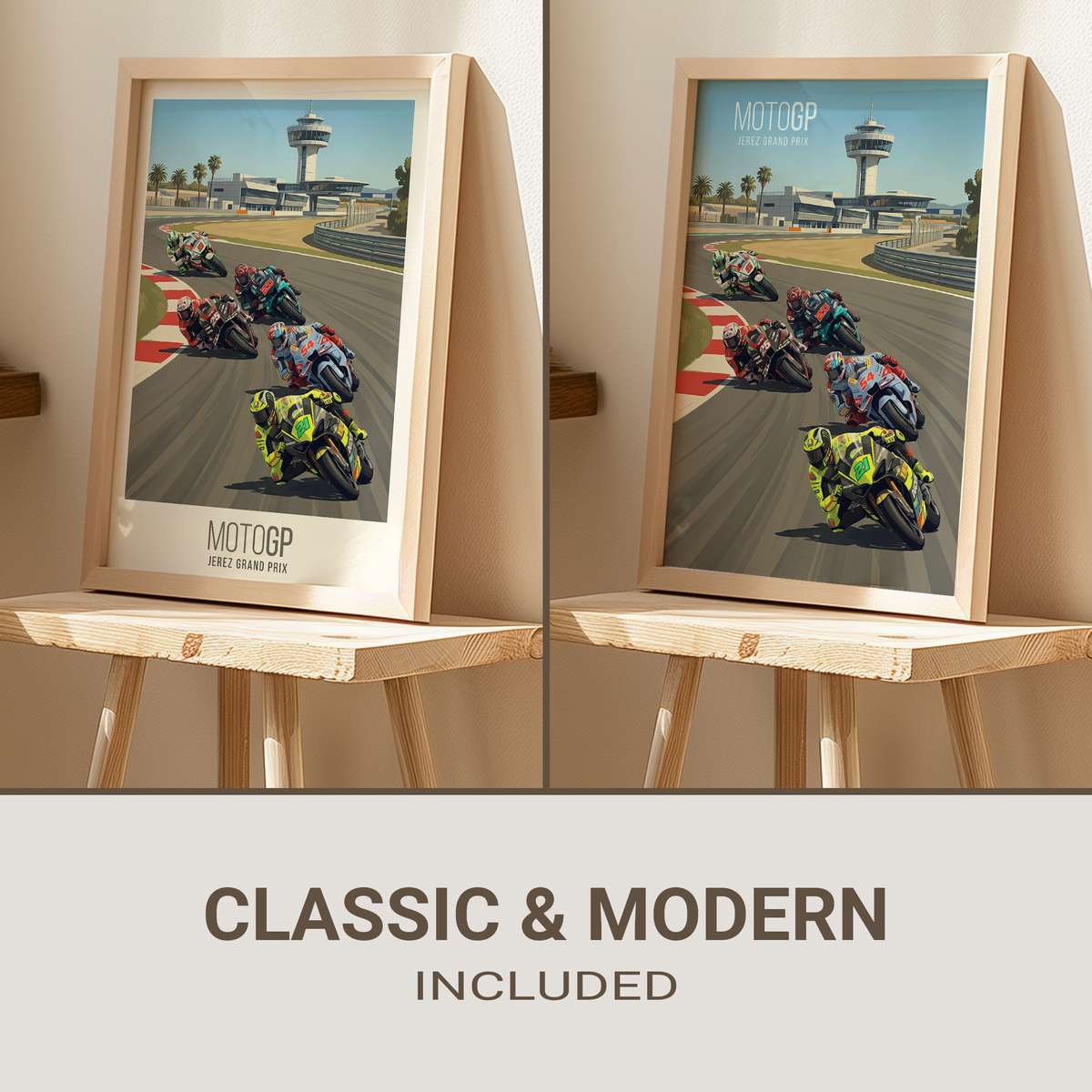
At the exit of the fast right-hand curve at Jerez, just after
the motorcycle compresses under acceleration, something subtle but decisive happens. The
aprilia motogp does not simply gain
speed, it stabilizes itself through invisible forces shaping the entire
racing scene. The rider opens the throttle early, trusting the balance created by aerodynamic elements that press the bike into the asphalt. You can almost feel that moment where the front stays planted, resisting lift while the rear delivers power with controlled aggression. It is not dramatic, yet it defines the entire
race behavior on this
track.
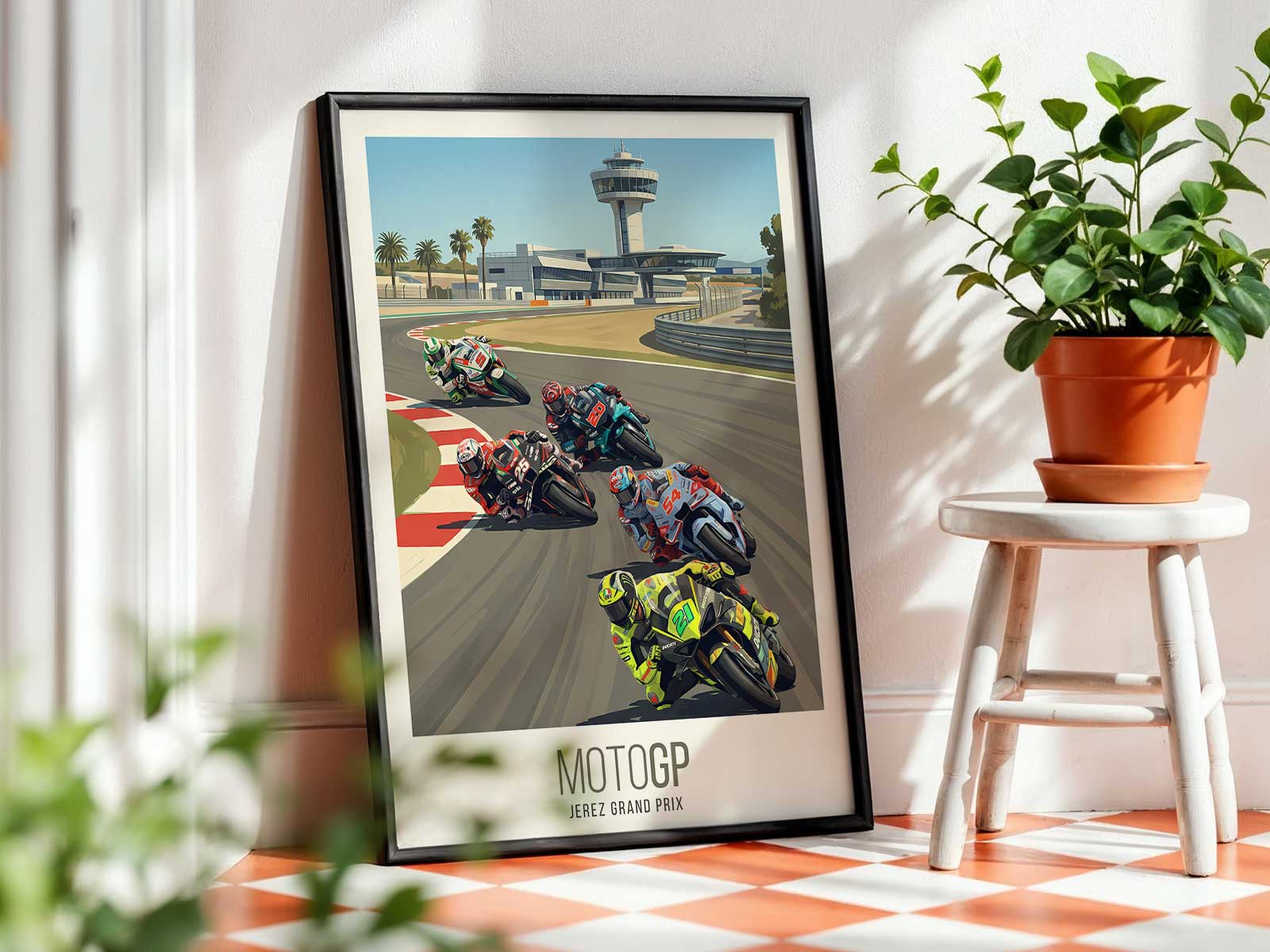
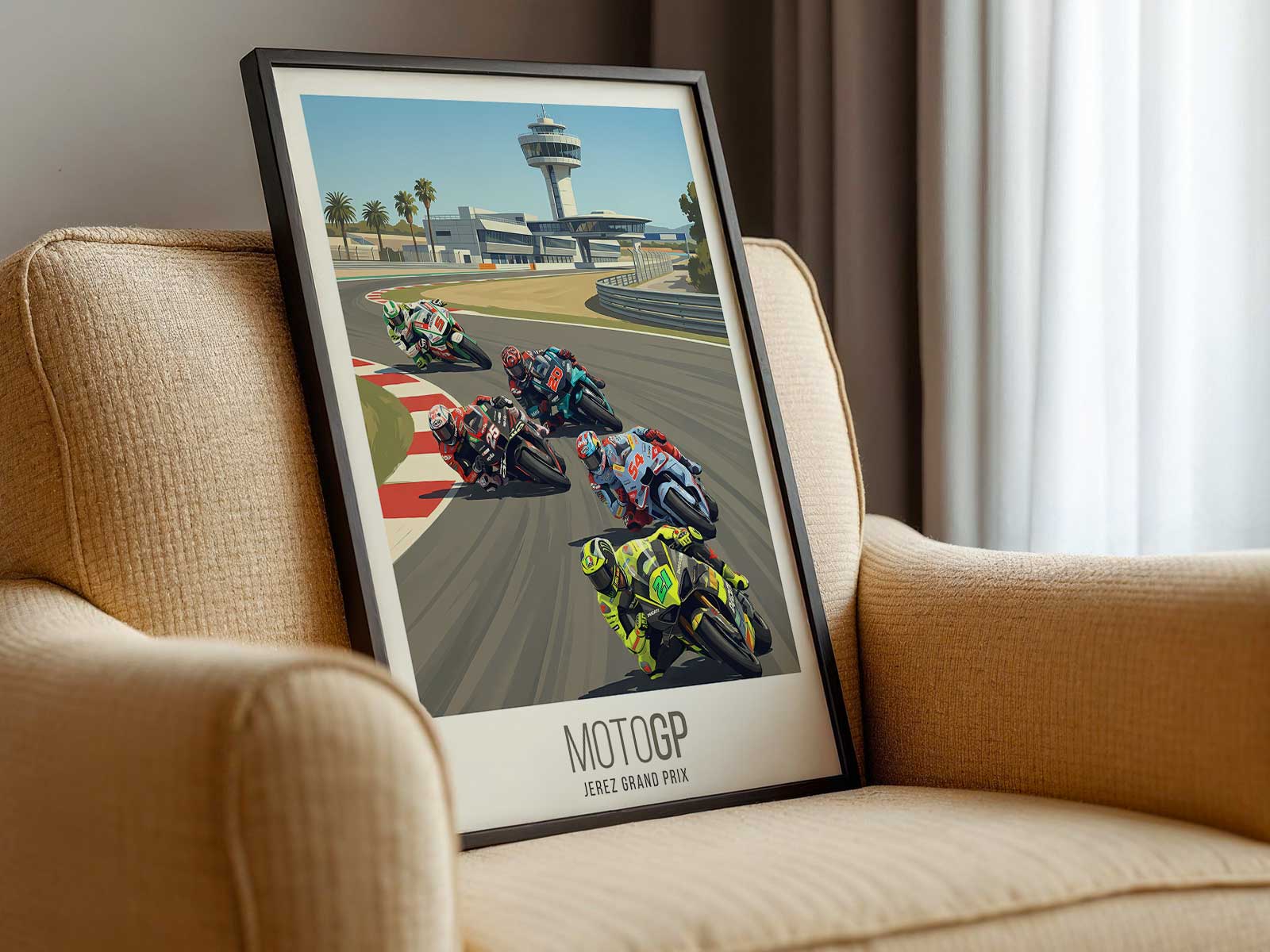
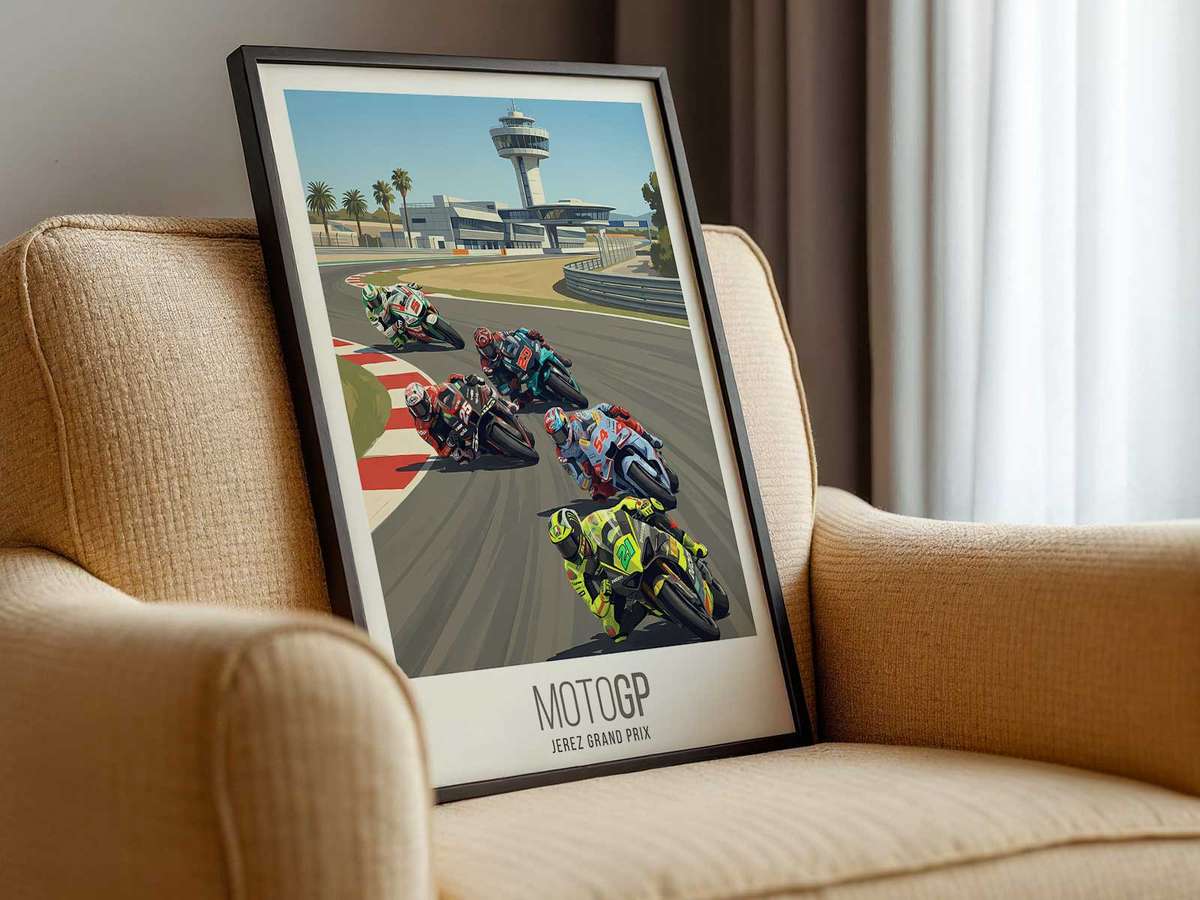
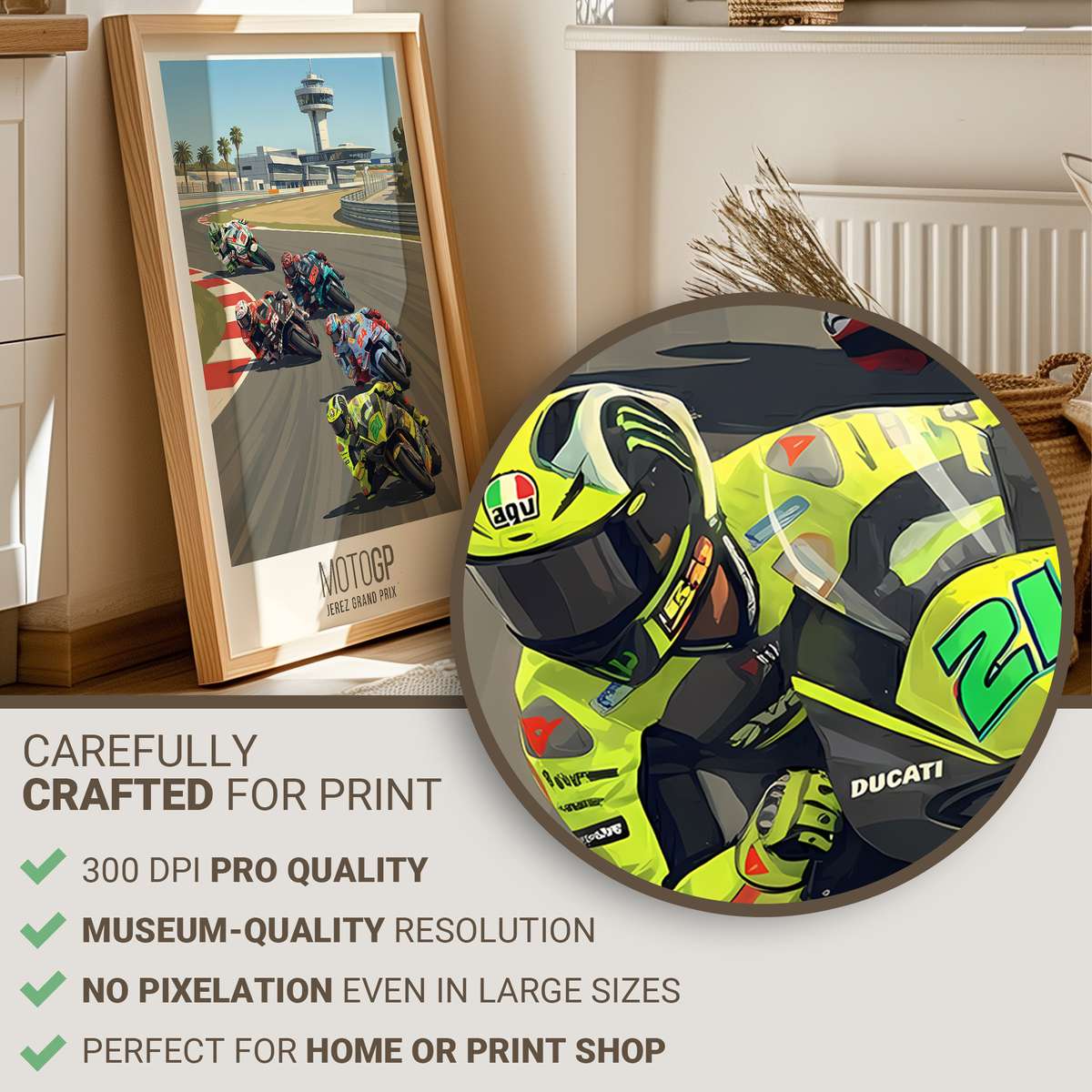
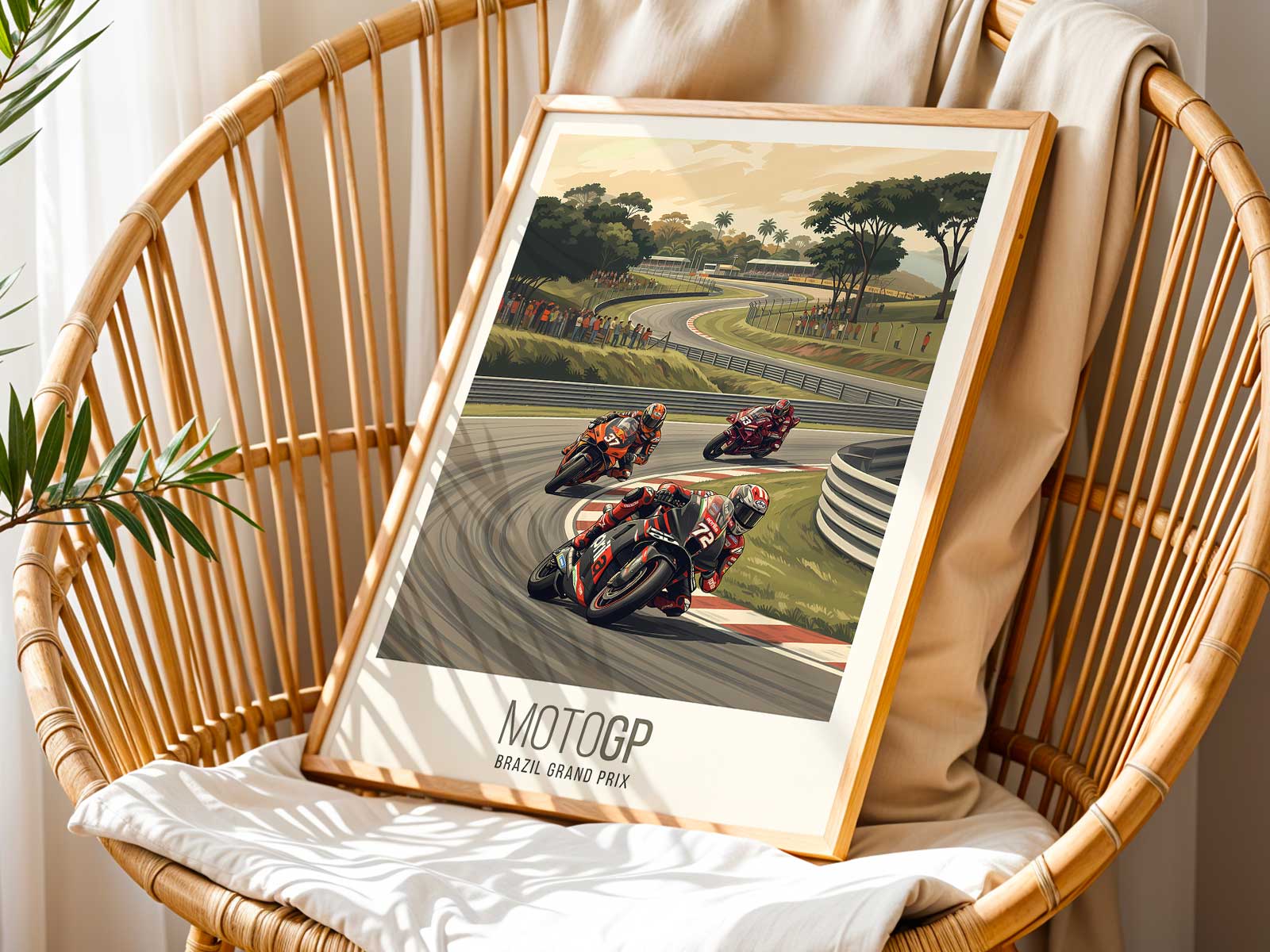
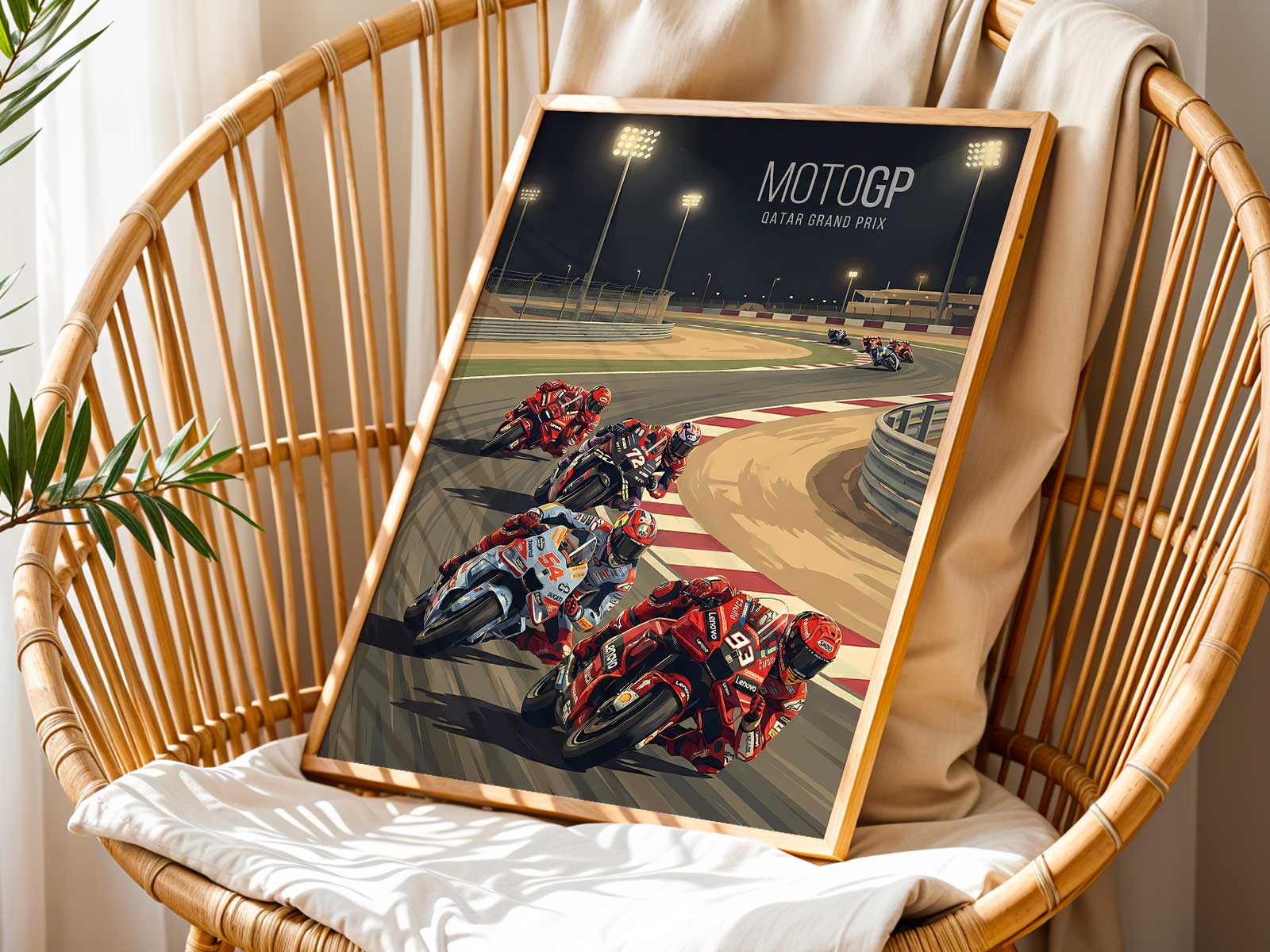
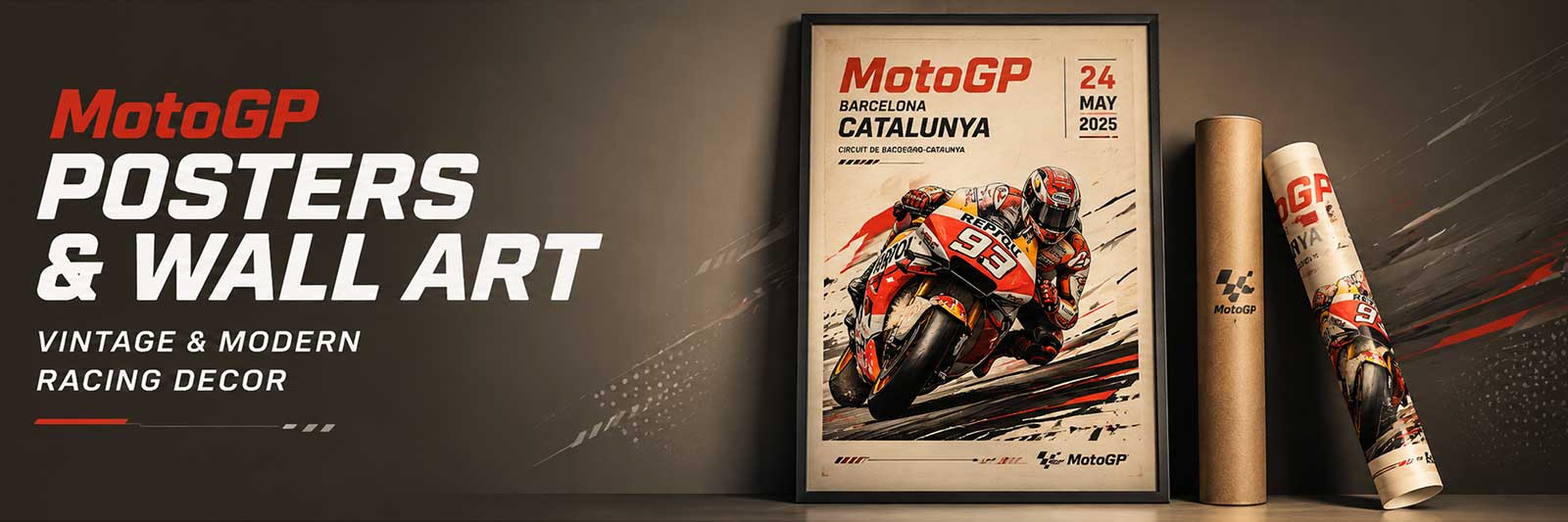
This visual captures that precise instant, where physics meets instinct. From a distance, the
motorcycle appears smooth and composed, but a closer look reveals tension in every line. The fairings cut through the air, the wings generate downforce, and the rider adjusts body position to maintain stability. The atmosphere at Jerez amplifies this sensation. The crowd blends into a soft blur, the sun reflects off the track surface, and the machine becomes the focal point of a controlled burst of energy. This is not just a passing moment, it is a balance point where aerodynamic forces prevent instability at high acceleration. The scene feels alive, almost suspended between control and drift.
When brought into
an interior space, this kind of image does more than decorate. It introduces motion, a subtle vibration of
championship intensity that transforms a wall into something dynamic. The composition remains clean enough to fit modern interiors, yet detailed enough to invite a second look. For anyone drawn to the mechanics behind racing performance, or simply the atmosphere of a MotoGP circuit, this piece creates a quiet connection between engineering precision and visual presence. It feels grounded, yet constantly in motion.