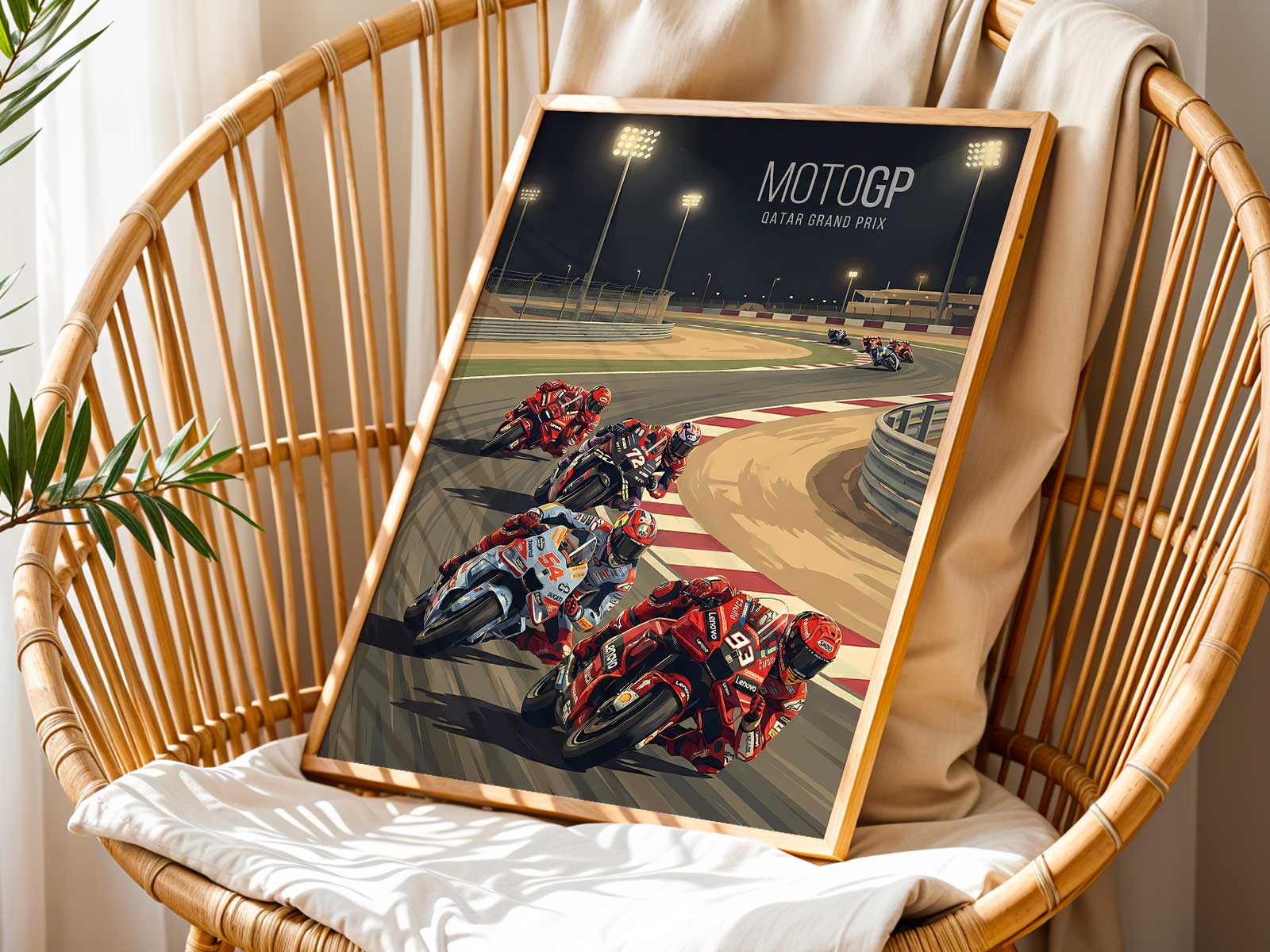
Ducati GP: How Winglets and Ride‑Height Devices Reshaped MotoGP Development
The Ducati Desmosedici's visible experiments in the mid‑2010s rewired how Grand Prix engineers treated the motorcycle as an integrated system. Two strands stand out: the modern generation of front winglets introduced in 2015 testing and the ride‑height/holeshot hardware that reached race use in 2018–2019. Those interventions did more than add appendages; they changed priorities, provoked protests and drove regulatory changes through to the Grand Prix Commission decisions of 2022.
This is a technical study of the ideas behind those moves. It follows front ailerons, swingarm appendages and holeshot/ride‑height mechanisms through the logic of packaging, chassis interaction and regulatory filtering, with the aim of explaining why these devices mattered technically and what their life cycle reveals about development patterns in MotoGP.
Summary
Ducati's high‑profile hardware — the modern winglets from 2015, the GP19 swingarm appendage and the holeshot/ride‑height devices deployed in 2018–2019 — provoked adoption, legal challenges and rule changes. Those episodes shifted how teams think about aero, packaging and start/exit behaviour.
In this article
- How the Desmosedici's 2015 winglets signalled a new aero trajectory
- The holeshot and ride‑height devices: mechanical origins and evolution
- Regulatory outcomes and the concepts that endured
Quick access
WHAT MADE THE BIKE TECHNICALLY INTERESTING
The first technical signal was the Desmosedici's use of the modern front ailerons during 2015 pre‑season testing in Qatar. Those winglets were a departure from earlier, smaller cosmetic surfaces and were quickly copied: by early 2016 similar devices had appeared across other manufacturers. The technical interest lay as much in the rapid propagation of a visible hardware idea as in the device itself — aerodynamic appendages were now a mainstream performance lever rather than a marginal experiment.
That spread produced an immediate secondary effect: the appearance of a safety and rule debate. The prominence of front ailerons forced teams and officials to confront whether protruding aero devices belonged in certain classes, and the result was early regulatory action that reshaped where and how aero could be used.
POWERTRAIN OR ENGINEERING IDENTITY
Viewed as a sequence, Ducati's visible hardware projects — winglets, swingarm aero pieces and ride‑height mechanisms — sketch a clear engineering identity. Over the 2015–2019 window the factory repeatedly favoured tangible, package‑level interventions to influence stability, traction and straight‑line behaviour. That is a defensible editorial interpretation: rather than hiding changes purely in software or invisible internals, these interventions were explicitly physical, intended to alter the bike’s external interactions with airflow and its own geometry.
Technically, this approach treats the motorcycle as a single integrated system where bodywork, swingarm packaging and mechanical devices are legitimate levers. The consequence was to push rival teams and designers to reconsider conventional boundaries between aero, chassis and start‑control hardware.
CHASSIS AND MECHANICAL DIRECTION
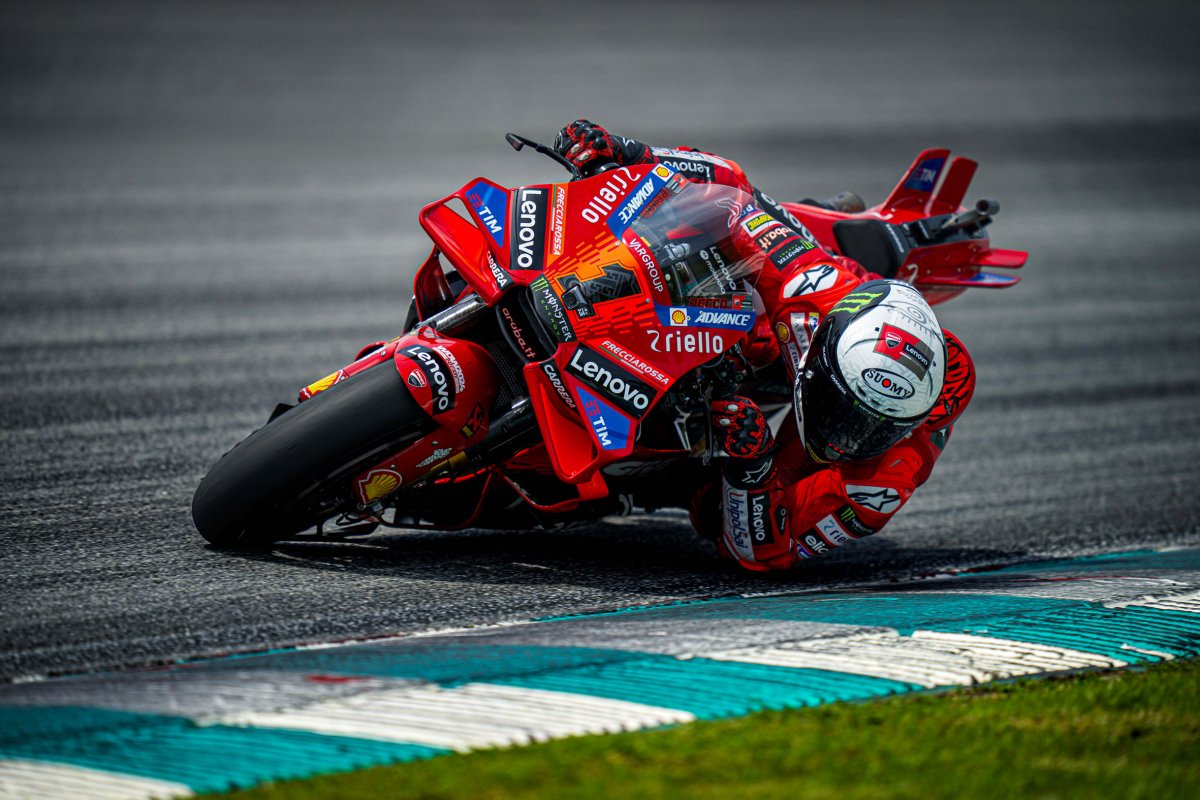
The holeshot device represents a clear chassis‑side intervention. Developed as a rider‑operated mechanism to reduce wheelies at race starts by lowering ride height, it first saw race use on Jack Miller’s Pramac Ducati at Motegi in 2018 and was then visible in testing and development hardware into 2019. Photographic and technical coverage shows a mechanical release integrated with the front assembly: a start‑specific change that was returned to normal operation once the race settled.
That start‑only logic did not stay contained. By 2019 the concept had evolved into repeatable rear ride‑height devices used on‑lap to influence corner exits and straight‑line speed. Observers noted the emergence of these systems around 2019 and their spread across the grid, a development that shifted attention from one‑off hardware to devices that could be used dynamically during a lap, and that in turn generated regulatory scrutiny.
AERODYNAMICS AND BODYWORK THINKING
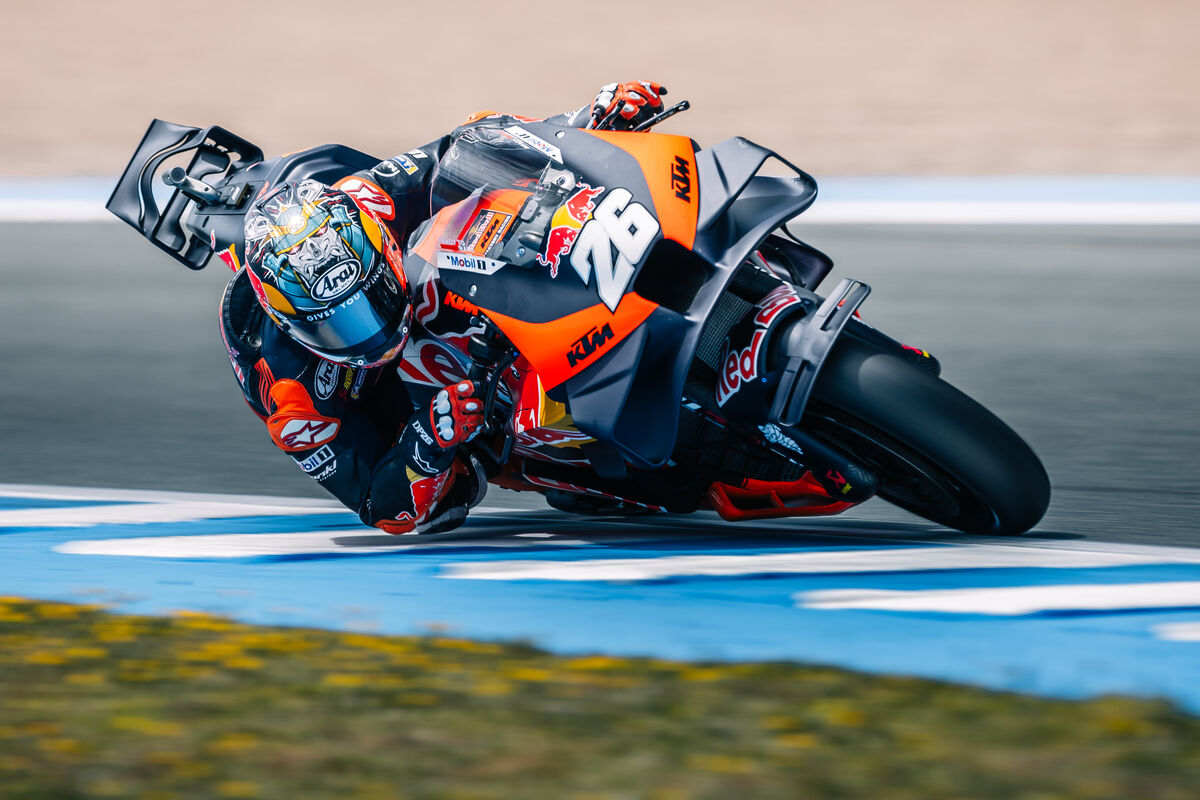
Aero was the most visible battleground. Ducati’s front winglets in 2015 prompted a rapid industry response: teams integrated similar ideas into their fairings and within a year the appendages had become ubiquitous. That ubiquity triggered formal interventions — the Grand Prix Commission imposed restrictions on winglets in junior classes in 2016 and moved the sport toward a regulatory landscape that effectively excluded removable protruding winglets for the 2017 MotoGP season, encouraging designers to repackage aero within the fairing shells.
The same aero logic extended to lower‑body packaging. An aero appendage mounted to the GP19 swingarm at the 2019 Qatar Grand Prix drew formal protests from several manufacturers; the MotoGP Court of Appeal considered the protests and on 26 March 2019 concluded the device was legal, confirming the race results. These episodes show how fairing, swingarm and under‑body packaging became as important as front‑end aero in the technical conversation.
CONTROL SYSTEMS AND ELECTRONIC LAYER
Even when the solutions were primarily mechanical, control considerations mattered. Technical analysis and photography revealed holeshot installs with a rider‑operated lever linked to the front assembly and a release triggered by braking — a human‑actuated geometry change at the start rather than a continuously active electronic system. Reporting tracked this trajectory from its 2018 race debut through subsequent test programmes and refinements.
Regulators took that control aspect seriously. In decisions published in 2022 the Grand Prix Commission ruled that, for MotoGP effective 2023, any device that modifies or adjusts the motorcycle’s front ride height while moving was forbidden, while explicitly permitting one‑shot holeshot devices at race starts in MotoGP. Junior classes received stricter prohibitions: ride‑height systems, including single‑use holeshot devices, were disallowed in those championships effective 2023. The outcome reflects a class‑specific sensitivity to how control features influence safety and competition.
DEVELOPMENT CULTURE AND FACTORY DIRECTION
The pattern of innovation and response highlights elements of Ducati’s development culture. The factory repeatedly brought visible, engineered solutions into the open — a strategy that made their intentions obvious to rivals and officials alike. Those visible interventions were copied, contested and sometimes litigated; contemporaneous reporting records Ducati’s public disagreements with restrictive rulings. The practical effect was to make Ducati both a pace‑setter and a catalyst for formal technical debate.
WHICH IDEAS LASTED
Not every device survived unaltered, but the broader design directions had durable effects. The explicit ban on protruding winglets pushed aero work into integrated fairings rather than eliminating aerodynamic development; the swingarm appendage was ruled legal in 2019, showing that not all new hardware was immediately outlawed. Conversely, the rapid evolution of ride‑height systems led to targeted regulation: the 2022 Grand Prix Commission decisions curtailed moving front ride‑height devices for MotoGP while permitting race‑start holeshot systems, and junior classes received stricter bans effective 2023. In short, some specific parts were filtered out, but the engineering themes — aero as a primary variable, and mechanical ride‑height as a control lever — left an imprint on development thinking.
WHY ITS INNOVATION STORY STILL MATTERS
The Ducati case is instructive because it collapses several lessons into a compact sequence: a bold hardware idea, rapid adoption, competitive reaction, regulatory scrutiny and then rule evolution. For engineers the practical takeaway is that physically visible innovations change the technical playing field faster than quiet, internal changes; for regulators the episode underlines the need for clear, class‑specific rules that distinguish start‑only, one‑shot systems from devices that alter behaviour while a bike is moving. Ultimately, the technical significance of Ducati’s work is less about any single component and more about how those components redefined the boundaries of packaging, aero logic and chassis control in modern MotoGP.
Author: William L.