KTM RC16: The Technical Case for Steel Trellis and WP Suspension — How Bold…
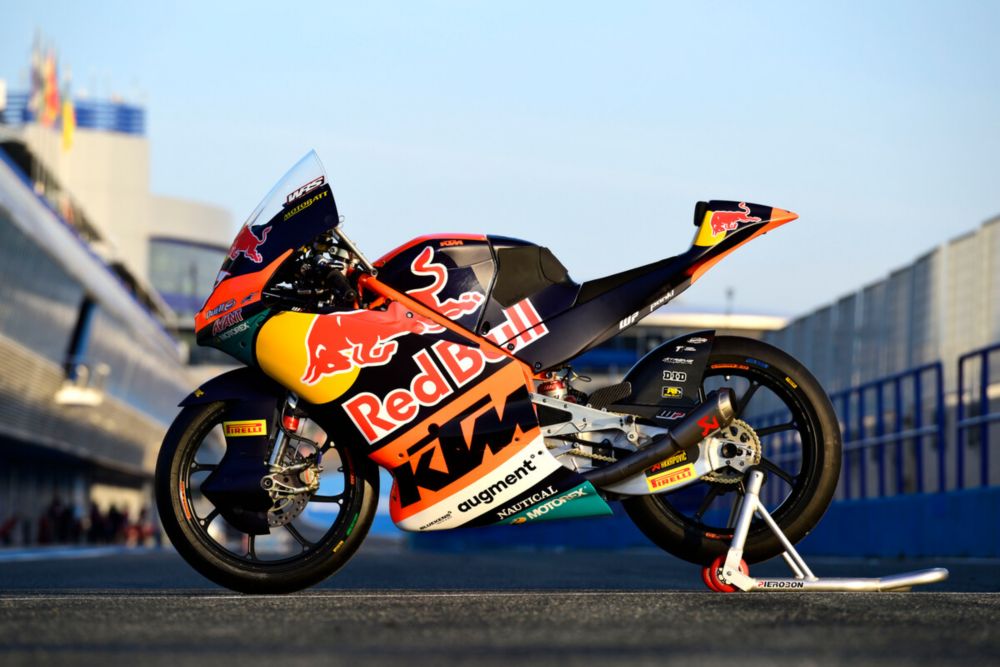
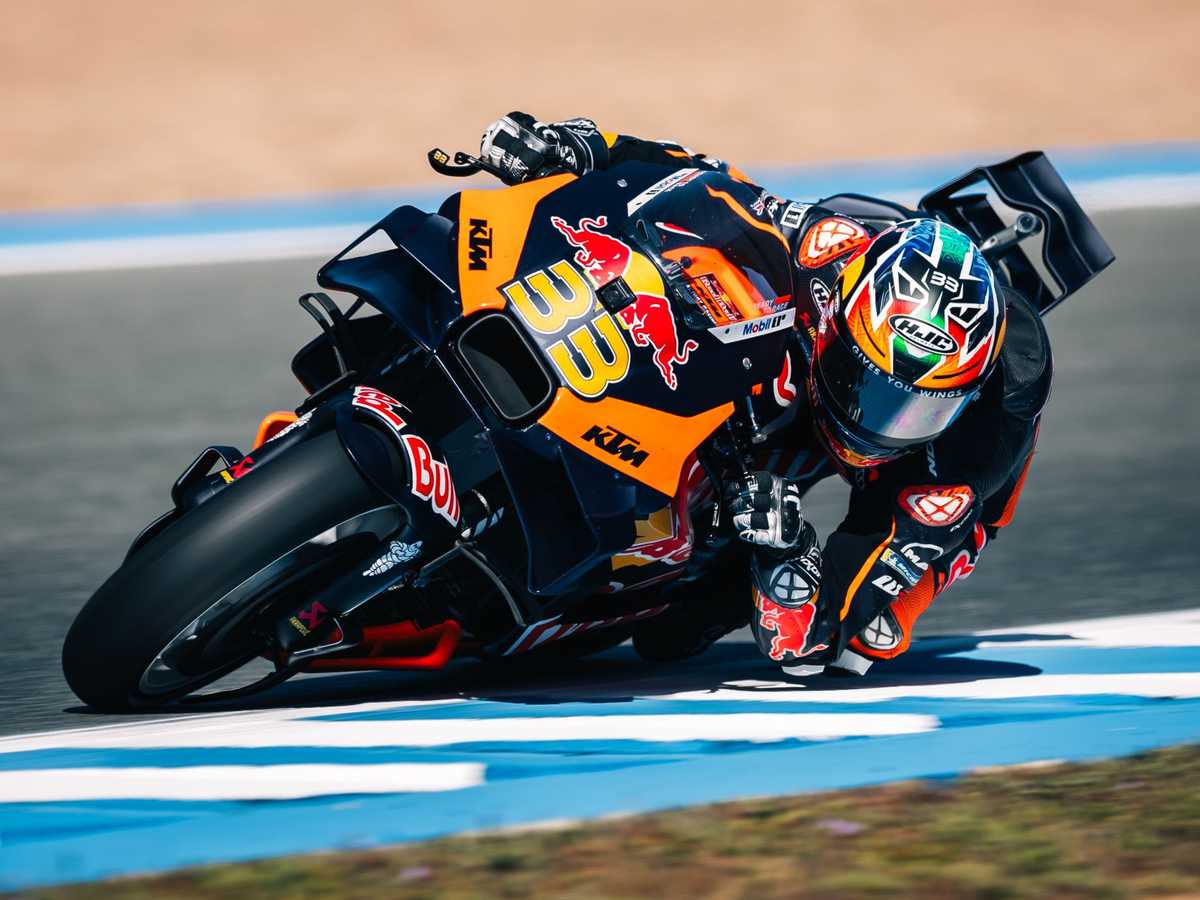
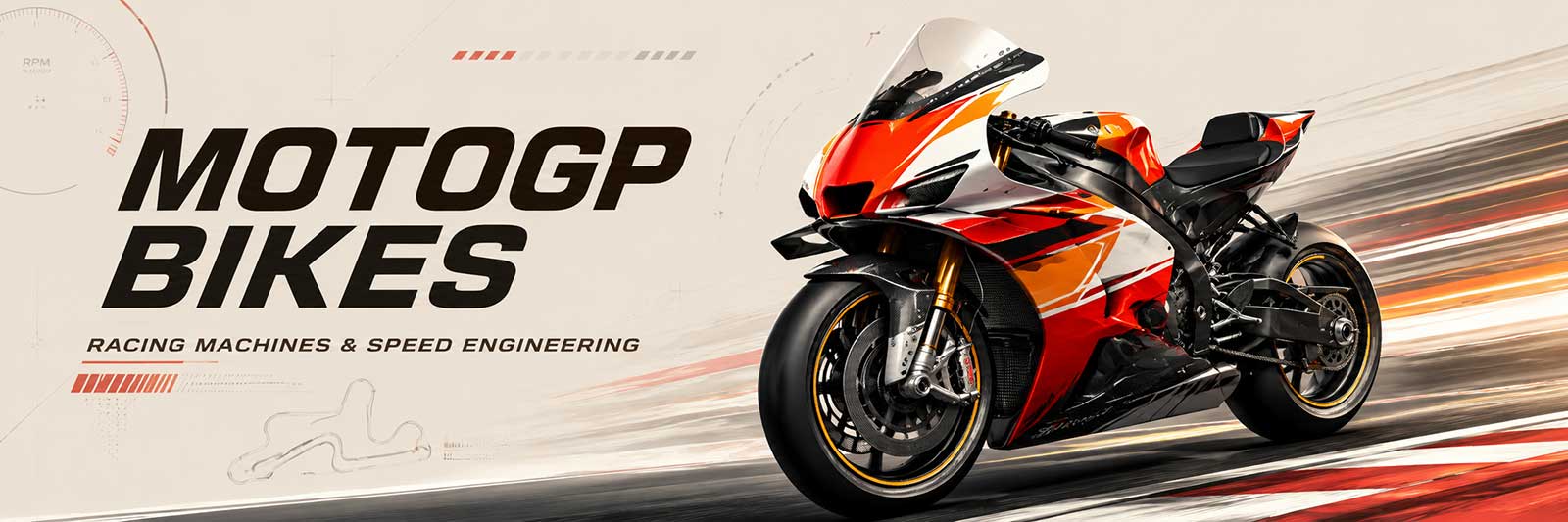
The KTM RC16 arrived in MotoGP carrying two unmistakable engineering signatures: a tubular steel trellis-style frame and in-house WP suspension. Those choices ran counter to the prevailing grid consensus but were deliberate, rooted in KTM's product identity and company structure. Over several seasons the RC16 kept its steel-and-WP DNA while undergoing significant chassis and suspension development that altered handling, braking and overall race behaviour.
Summary
The RC16 demonstrates how a deliberate material and supplier strategy can survive the cut-and-thrust of MotoGP development. KTM chose steel and WP for commercial alignment and engineering reasons, then iterated geometry, section profiles and ancillary components to close the performance gap with rival aluminium and carbon concepts.
Reader preview
- Why KTM persisted with a steel trellis when most rivals used aluminium or carbon approaches.
- How WP suspension factored into the bike’s control philosophy and KTM’s wider product strategy.
- Which chassis changes reshaped the RC16’s handling and what problems those updates aimed to solve.
Quick access
Author: William L.
What made the bike technically interesting
The RC16 stood out from the outset because KTM consciously rejected the orthodox aluminium twin-spar frame and the widespread use of third‑party suspension like Öhlins. Instead the team centred the project on a tubular steel trellis-frame philosophy and WP suspension — choices that were both technical and strategic. Technically, the trellis offered a different stiffness distribution and packaging opportunity than aluminium castings or carbon structures; strategically, maintaining WP and steel connected the prototype to KTM’s commercial identity and in-house capability. The decision was public and defended by KTM management as a core project principle rather than a temporary experiment.
Powertrain or engineering identity
While public sources focus most on chassis and suspension, the RC16’s engineering identity is inseparable from its material and supplier commitments. Choosing a steel trellis and WP suspension signalled an engineering philosophy that treated frame behaviour and damper response as a coherent control system under KTM’s direct oversight. That coherence allowed KTM to tune interactions between chassis flex characteristics and suspension settings with WP engineers closely integrated into development, rather than depending on an external supplier’s baseline philosophy.
Chassis and mechanical direction
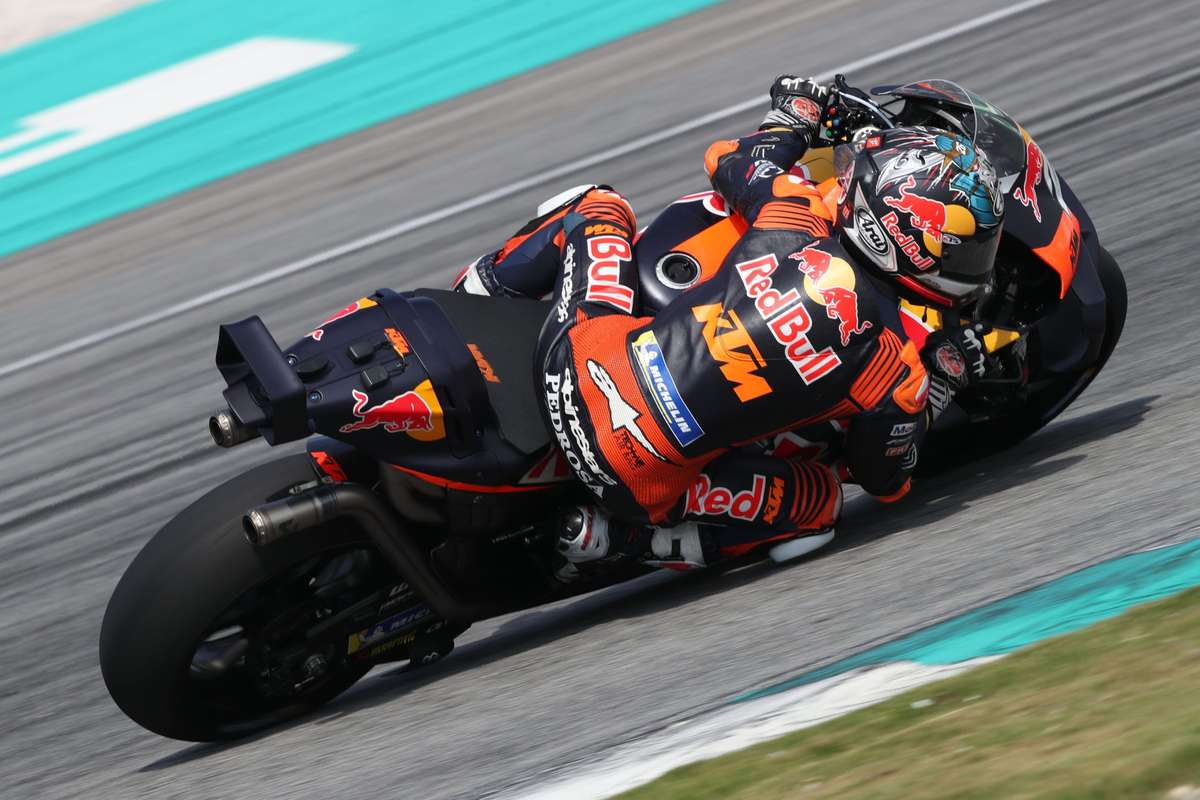
KTM began with a tubular steel trellis-style frame for the RC16 — a visible, deliberate divergence from the aluminium norm. Over time the project did not abandon steel; instead engineers evolved the approach. Publicly reported changes include notable geometry revisions, shifts to different steel section profiles (including hybrid or oval-section beam styles) and the introduction of components such as a carbon-fibre swingarm. Those iterations represent a development path that kept the steel philosophy while addressing on-track issues like turning, braking composure and rear-end stability. Riders and engineers have credited these chassis changes with measurable improvements in handling and braking behaviour as the bike matured.
Aerodynamics and bodywork thinking
Though the verified material focuses on chassis and suspension, the RC16’s packaging choices inevitably influenced fairing and aerodynamic thinking. Maintaining a trellis or hybrid-steel backbone places different constraints on component placement and airflow paths compared with bulkier aluminium beams or enclosed carbon structures. KTM’s approach therefore tied aero packaging to its chassis layout, forcing an integrated design discipline: bodywork, frame geometry and suspension had to be reconciled to produce the required aero loads, manage wheelie tendencies and preserve rider feel under braking.
Control systems and electronic layer
KTM’s steel-plus-WP strategy also shaped the electronics conversation. A frame with distinct stiffness and flex behaviour and a suspension system developed in-house changed the calibration envelope for traction control, engine braking maps and ABS/anti-wheelie strategies. In practice, close coordination between chassis evolution and electronic settings was necessary: as the steel structure and WP internals shifted through development, electronics teams revised control strategies to match the bike’s changing mechanical responses. This integrated refinement underlines why KTM kept the steel/WP identity rather than swapping materials and suppliers to chase immediate gains.
Development culture and factory direction
KTM’s insistence that abandoning steel was "not an option" reflects a broader factory mindset: the RC16 project was intended to demonstrate that the company’s road-bike DNA and in-house component ownership could be translated to MotoGP. Management statements and technical interviews show the choice was both a commercial statement and a technical bet. Having WP inside the KTM group provided control over a key performance area and allowed tighter iteration loops between race feedback and suspension development. That culture favoured incremental, integrated changes — tweaking frame geometry and WP settings together — rather than wholesale platform swaps.
Which ideas lasted
The lasting legacies of the RC16’s approach are twofold. First, the steel-based chassis philosophy proved durable: KTM did not revert to aluminium or carbon as a reaction to early struggles but instead refined the steel concept through geometry and section changes. Second, retaining WP suspension underlined the competitive viability of an internal supplier when paired with focused development. Independent commentary and rider testimony point to the fact that these combined refinements produced tangible handling and braking gains across seasons, making KTM a notable example that material choice need not be determinative if the development path is well executed.
Why its innovation story still matters
The RC16 matters because it reframes how innovation can be practiced in MotoGP. Rather than presenting a single dramatic technical breakthrough, KTM’s story is about a sustained, coherent set of bets: keep the steel trellis and WP suspension, then evolve geometry, sections and supporting parts to solve real race problems. That approach shows how a manufacturer can leverage corporate assets and a disciplined development culture to reach competitiveness without following the grid’s dominant material orthodoxy. For engineers and technically curious fans, the RC16 is a reminder that packaging philosophy, supplier integration and iterative chassis tuning can be as decisive as headline materials in high-level motorcycle racing.
Final note
The verified record is clear: KTM chose steel and WP deliberately, defended that decision publicly, and then invested in progressive chassis and suspension evolution rather than abandoning the original concept. Those decisions shaped the RC16’s technical trajectory and remain a useful case study in applied motorcycle engineering.