Top 10 Fastest MotoGP Bikes Ranked by Straight-Line Speed and Racing Impact
This ranking orders the top 10 MotoGP prototype machines by two linked ideas: measured straight-line speed in official speed-trap reports and the practical racing impact those bikes had in their eras. Speed-trap numbers from Mugello, Lusail and other high-velocity venues provide factual anchors; the rest of each placement weighs era context, technical identity and competitive consequence.
How this ranking was built
This list uses verified, published MotoGP speed-trap records (2016–2026) as primary anchors for straight-line performance and pairs them with editorial assessment of each bike family's racing impact and technical presence in the championship. Where absolute per-model top-speed data are not consolidated, the ranking relies only on the verified high-speed events and well-documented manufacturer trends cited in official and reputable reporting.
What this ranking highlights
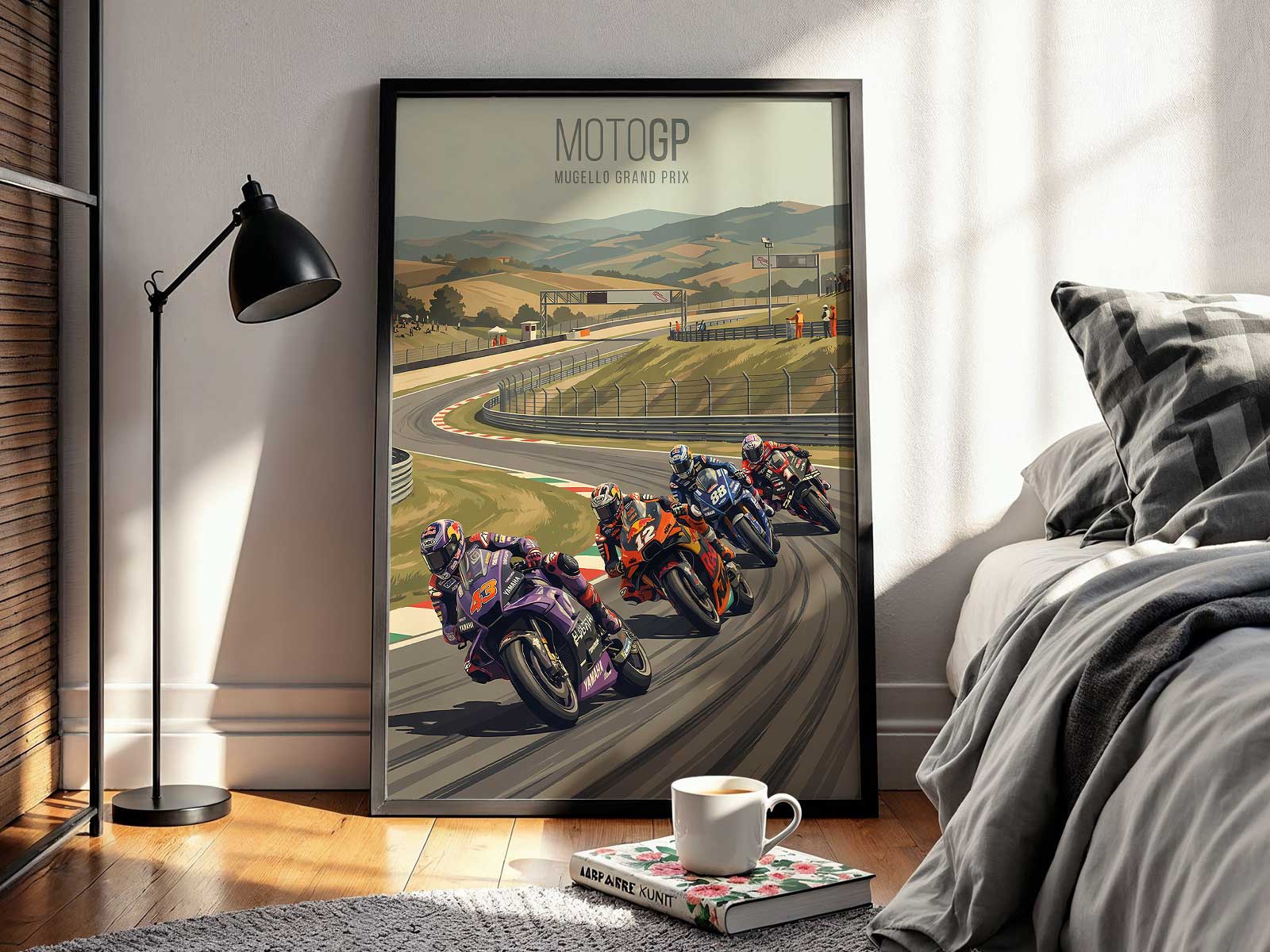
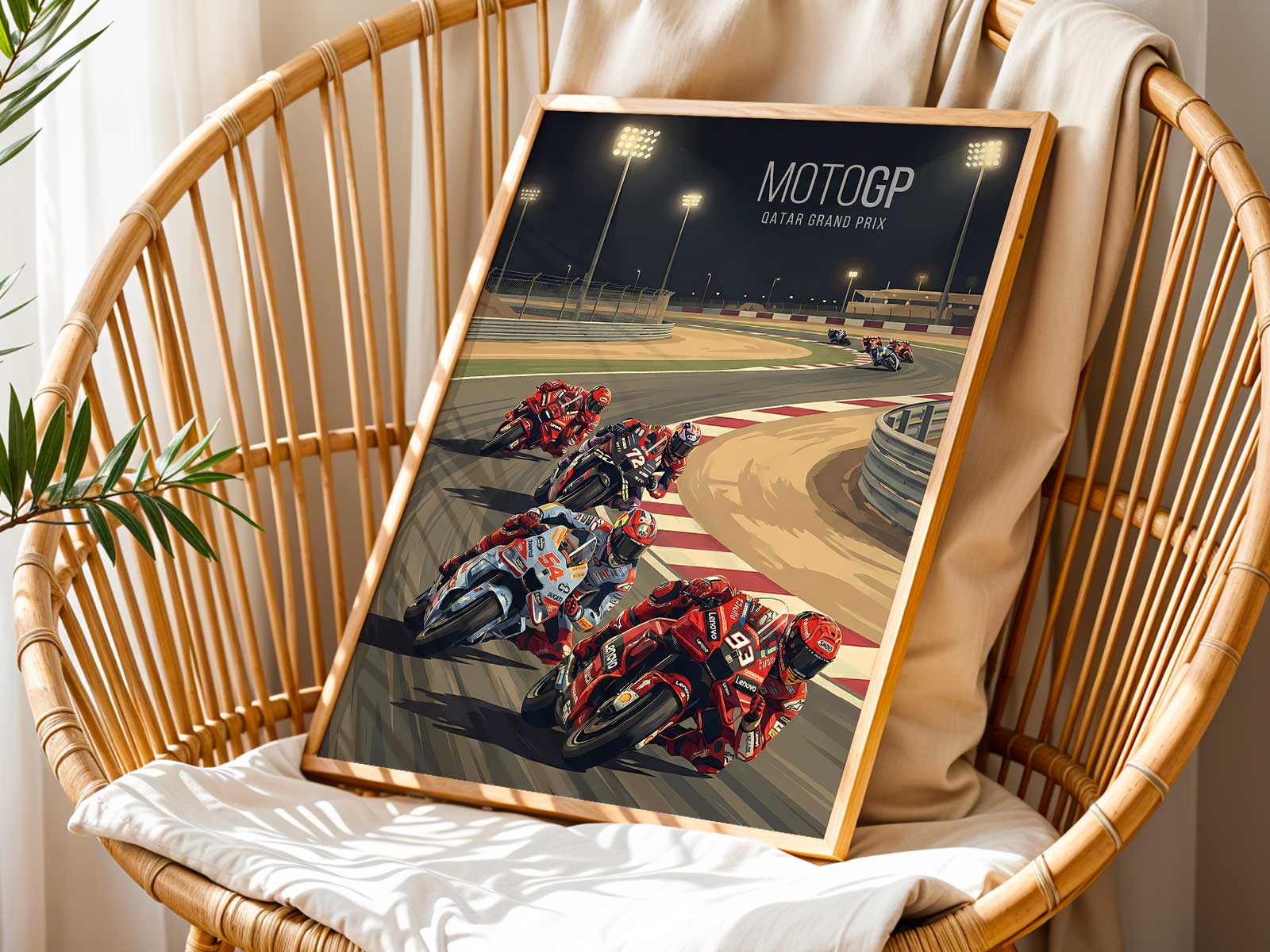
- How Mugello and Lusail have defined MotoGP top-speed headlines.
- Why Ducati dominated the high-speed era before KTM and Aprilia reached outright peaks.
- Why a bike's straight-line figure is only part of its racing value.
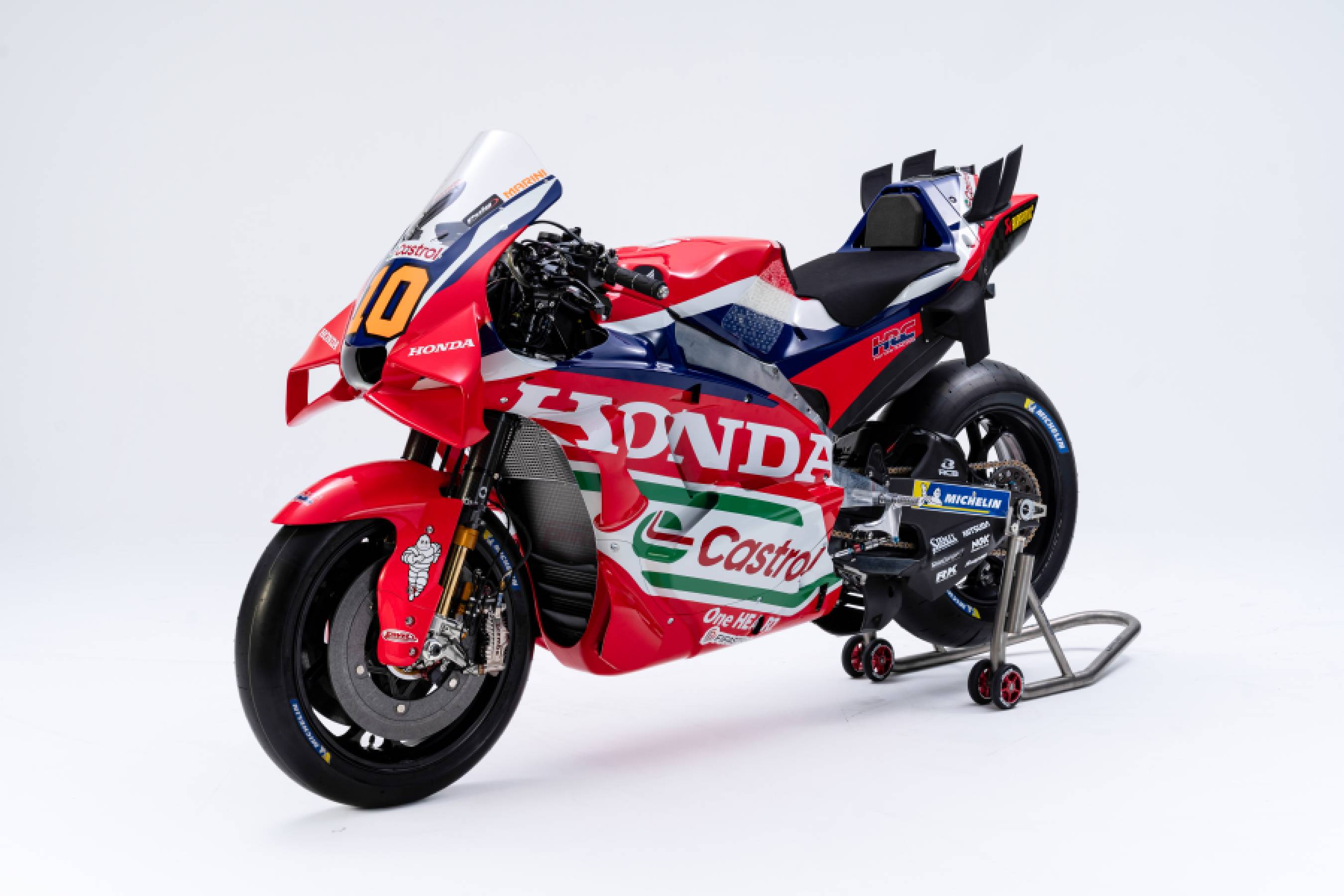
10. Honda RC213V
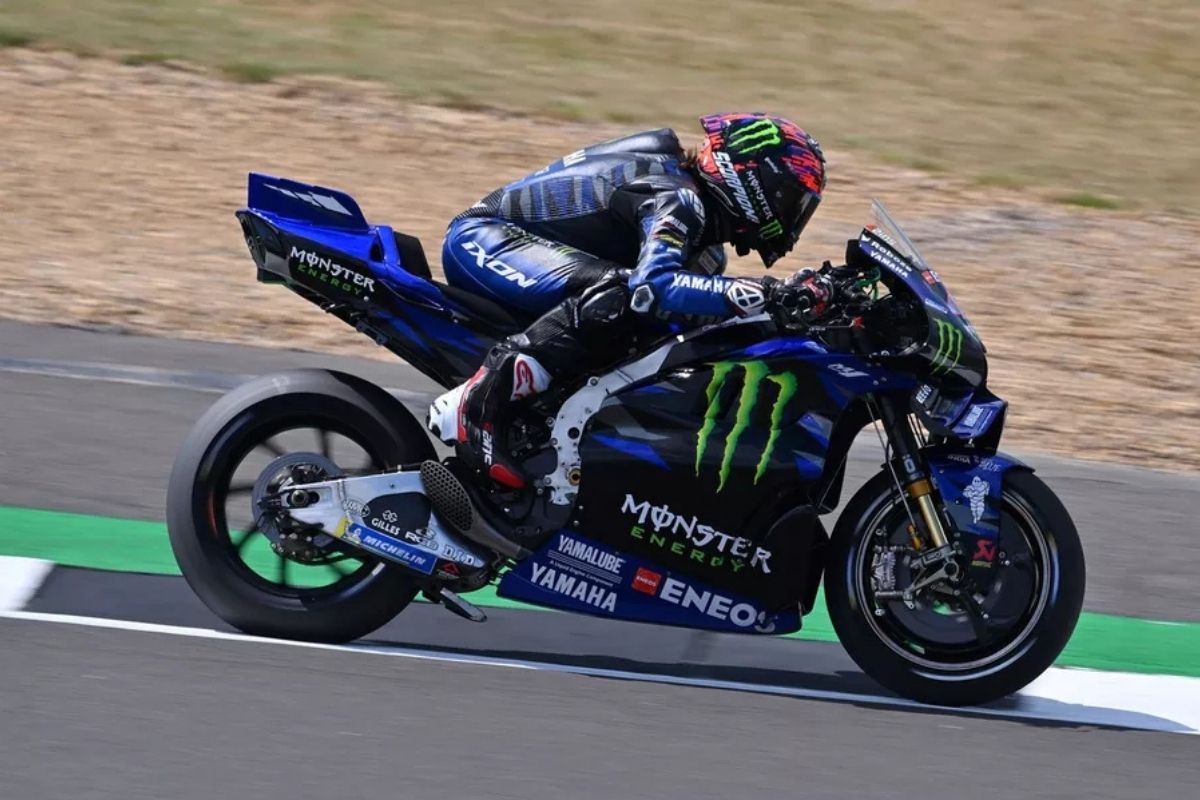
🏍️ Manufacturer: Honda · 📅 Era clue: MotoGP-era contender · ⭐ Why it matters: perennial benchmark for handling and chassis performance
The RC213V represents Honda's modern MotoGP prototype lineage: a bike often praised for chassis balance, braking stability and rider-level competitiveness. While the verified top-speed record block highlights Mugello and Qatar for outright trap speeds dominated by other marques, Honda's race-winning weight in championships and technical responses to high-speed rivals make the RC213V an essential part of any discussion about fast MotoGP machinery—even when the highest recorded trap numbers belong elsewhere.
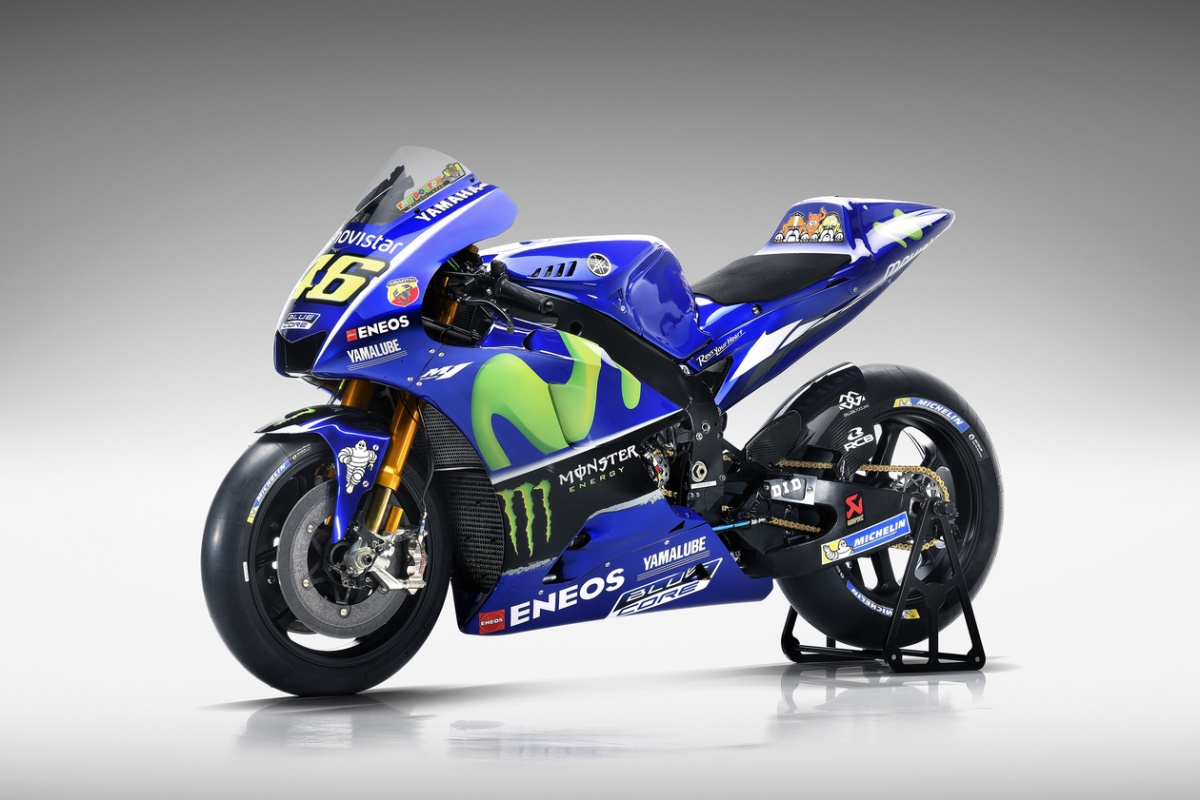
9. Yamaha YZR-M1
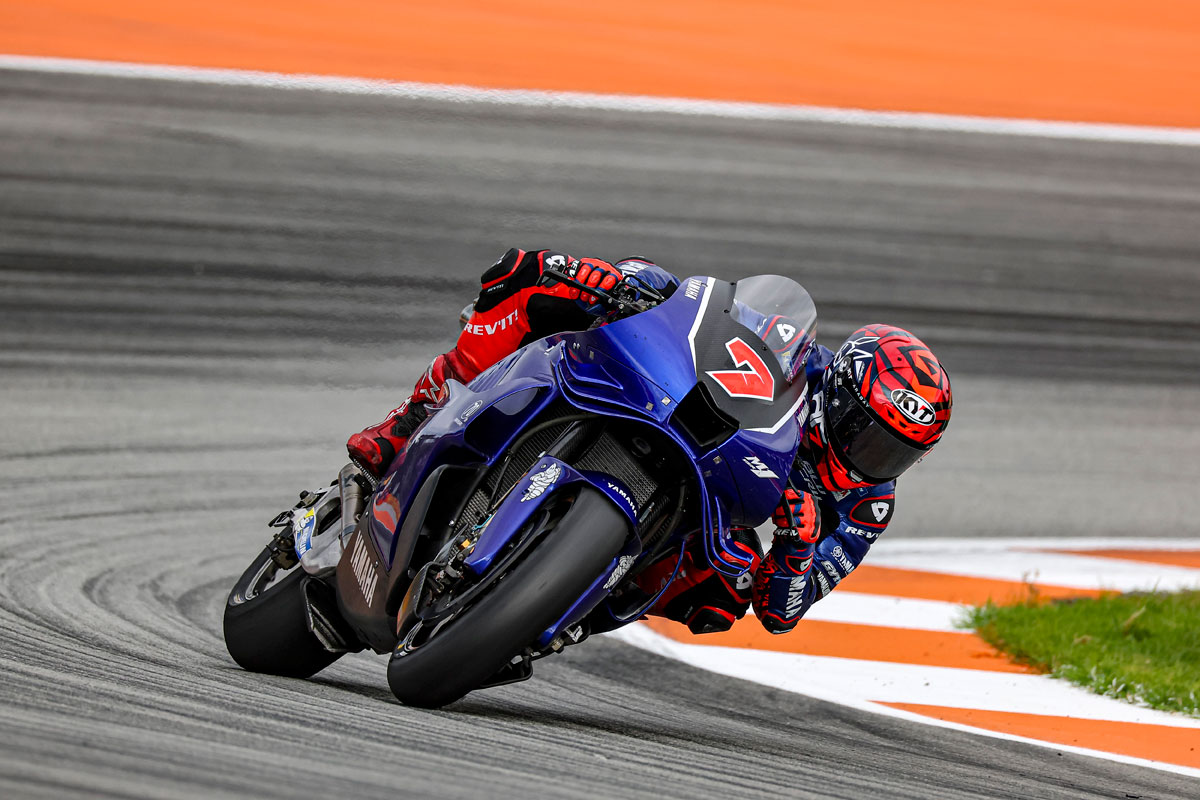
🏍️ Manufacturer: Yamaha · 📅 Era clue: consistent contender across MotoGP era · ⭐ Why it matters: corner speed and rider-friendly delivery
Yamaha's YZR-M1 rarely headlines for absolute trap-speed records in the verified material, but its importance comes from a different performance axis: corner-entry and mid-corner stability that turn speed potential into race results. In a list anchored to straight-line figures and racing impact, the M1 sits lower on raw top-speed lists yet remains hugely consequential on championship outcomes.
8. Suzuki GSX-RR
🏍️ Manufacturer: Suzuki · 📅 Era clue: modern MotoGP contender era · ⭐ Why it matters: blend of usable power and chassis agility
Suzuki's GSX-RR emphasized usable power and balance rather than headline trap numbers. The verified speed records emphasize Ducati, KTM and Aprilia for outright peaks; Suzuki's impact is instead seen in racecraft-enabling delivery that converts straight-line potential into competitive lap times at a wide range of circuits.

7. Kawasaki Ninja ZX-RR
🏍️ Manufacturer: Kawasaki · 📅 Era clue: 990cc and early 800cc MotoGP era · ⭐ Why it matters: rare but memorable factory prototype
The Kawasaki Ninja ZX-RR is not remembered as the dominant MotoGP prototype of its period, but it deserves a place in a broader fastest-bike ranking because it represents another full factory attempt to solve the speed-versus-raceability equation. Its racing impact was more limited than Honda, Yamaha or Ducati, yet the ZX-RR remains a distinctive high-performance MotoGP machine from an era when manufacturers were exploring very different technical routes.
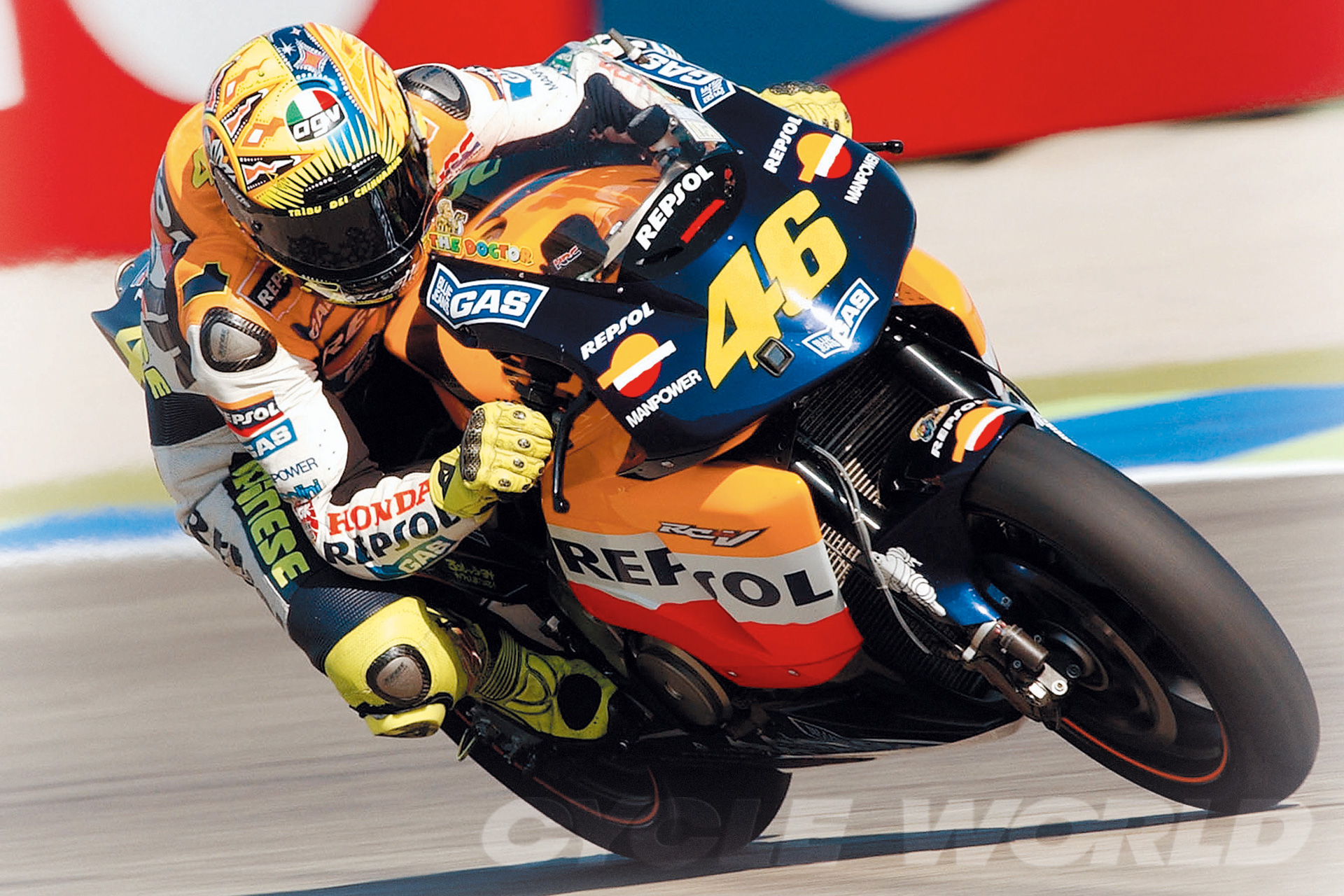
6. Honda RC211V
🏍️ Manufacturer: Honda · 📅 Era clue: 990cc MotoGP era · ⭐ Why it matters: V5 power and early four-stroke dominance
The Honda RC211V belongs to the first great wave of four-stroke MotoGP prototypes. Its V5 engine, broad power delivery and dominant race results helped define what a modern MotoGP machine could be. It does not sit at the top of the later Mugello speed-trap records, but its combination of acceleration, power and racing impact makes it one of the most important fast bikes in MotoGP history.
5. Ducati Desmosedici
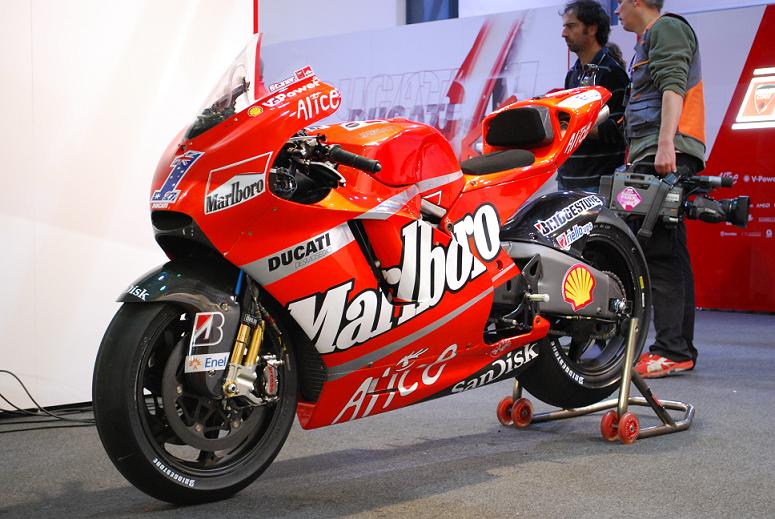
🏍️ Manufacturer: Ducati · 📅 Era clue: 2010s–2020s dominance in trap lists · ⭐ Why it matters: repeated top-speed leader
Ducati machines have historically dominated the highest speed-trap lists across multiple seasons. Verified facts include Andrea Iannone's 354.9 km/h at Mugello, Andrea Dovizioso's 356.7 km/h at Mugello and Jorge Martín's 363.6 km/h on a Ducati at Mugello in 2022. Ducati's sustained presence at the top of speed charts gives the Desmosedici huge weight in any fastest-bike conversation.
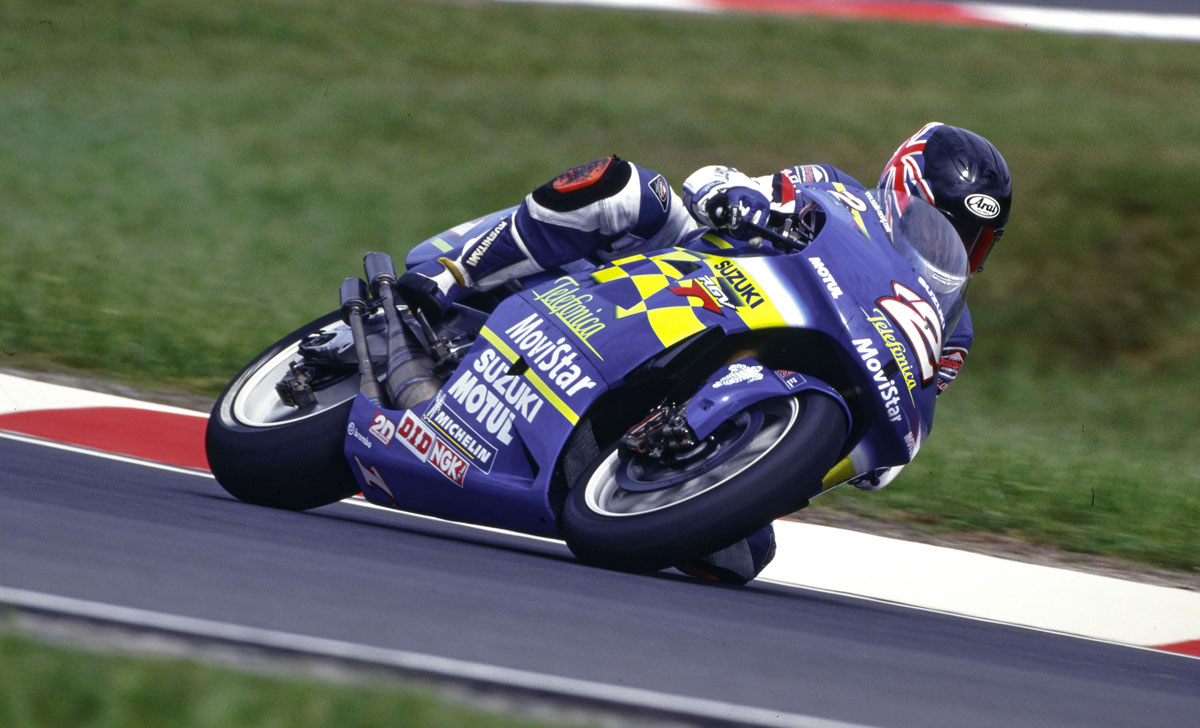
4. Suzuki GSV-R
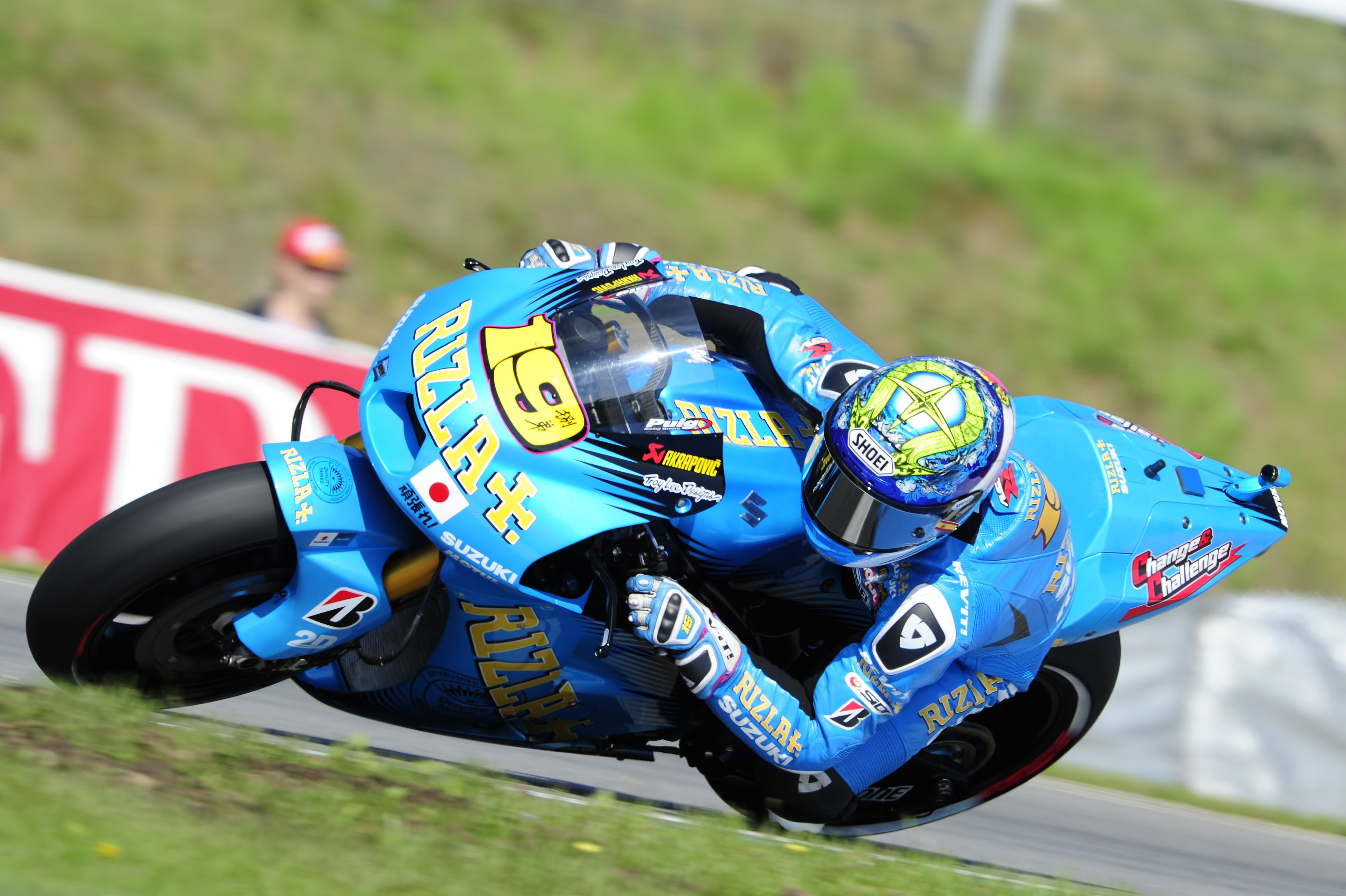
🏍️ Manufacturer: Suzuki · 📅 Era clue: early four-stroke MotoGP era · ⭐ Why it matters: key bridge between 500cc heritage and modern prototypes
The Suzuki GSV-R gives the ranking a clearer historical spread by representing Suzuki's earlier four-stroke MotoGP effort before the later GSX-RR era. It was not the defining outright speed-record machine of its time, but it belongs in the conversation because it shows how manufacturers were adapting to the new MotoGP formula, chasing more power, better drive and improved stability at very high speed.
3. Ducati Desmosedici GP22
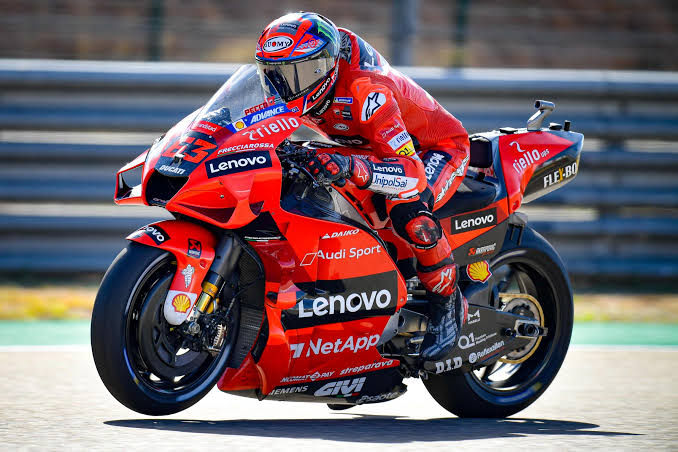
🏍️ Machine: Ducati Desmosedici GP22 · ⏱️ Top speed: 363.6 km/h recorded · ⭐ Why it matters: major pre-KTM speed benchmark
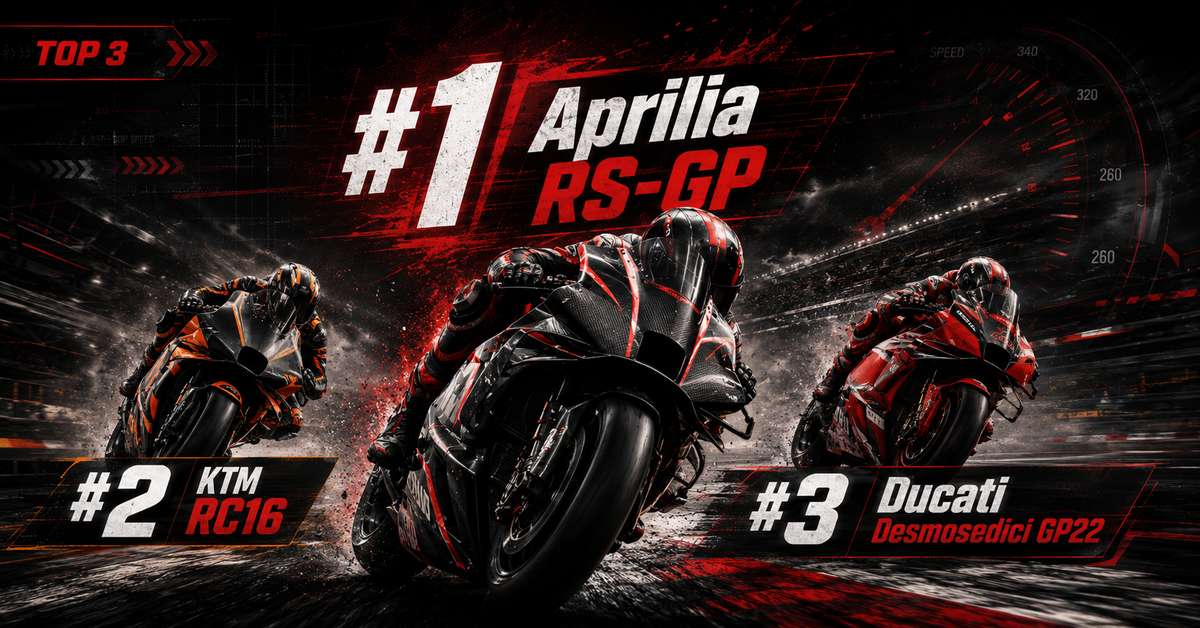
The Ducati Desmosedici GP22 earns a high position because Jorge Martín's 363.6 km/h at Mugello in 2022 was one of the clearest modern speed benchmarks before KTM and Aprilia pushed the record higher. It captures Ducati's high-speed engineering strengths: acceleration, aerodynamic efficiency and the ability to produce exceptional trap speeds on MotoGP's fastest circuits.
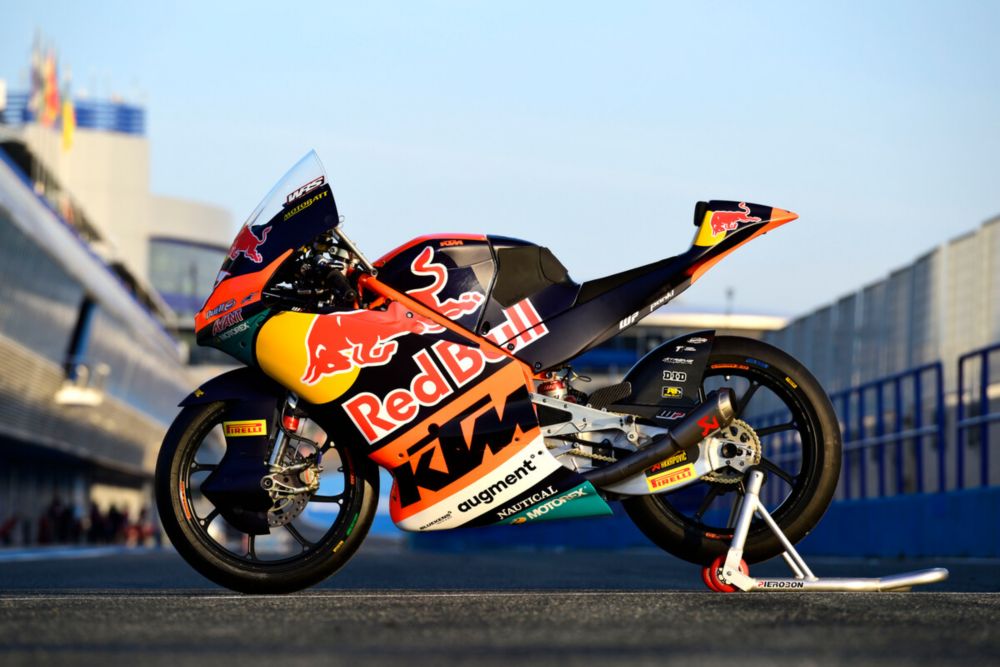
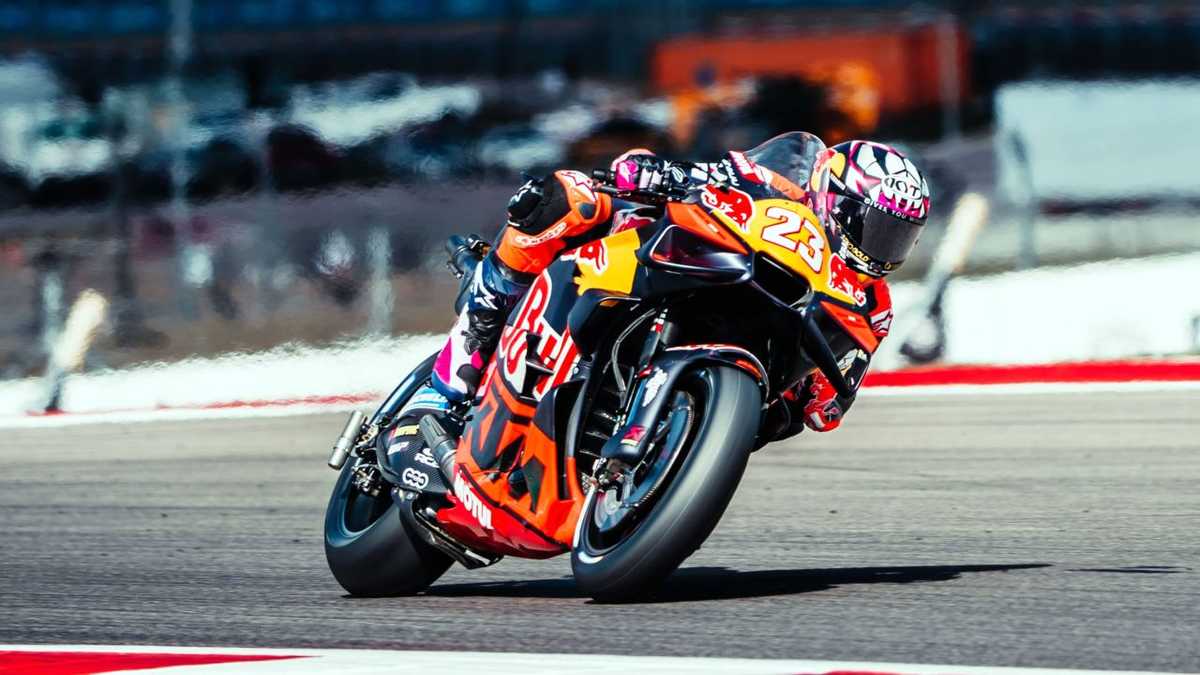
2. KTM RC16
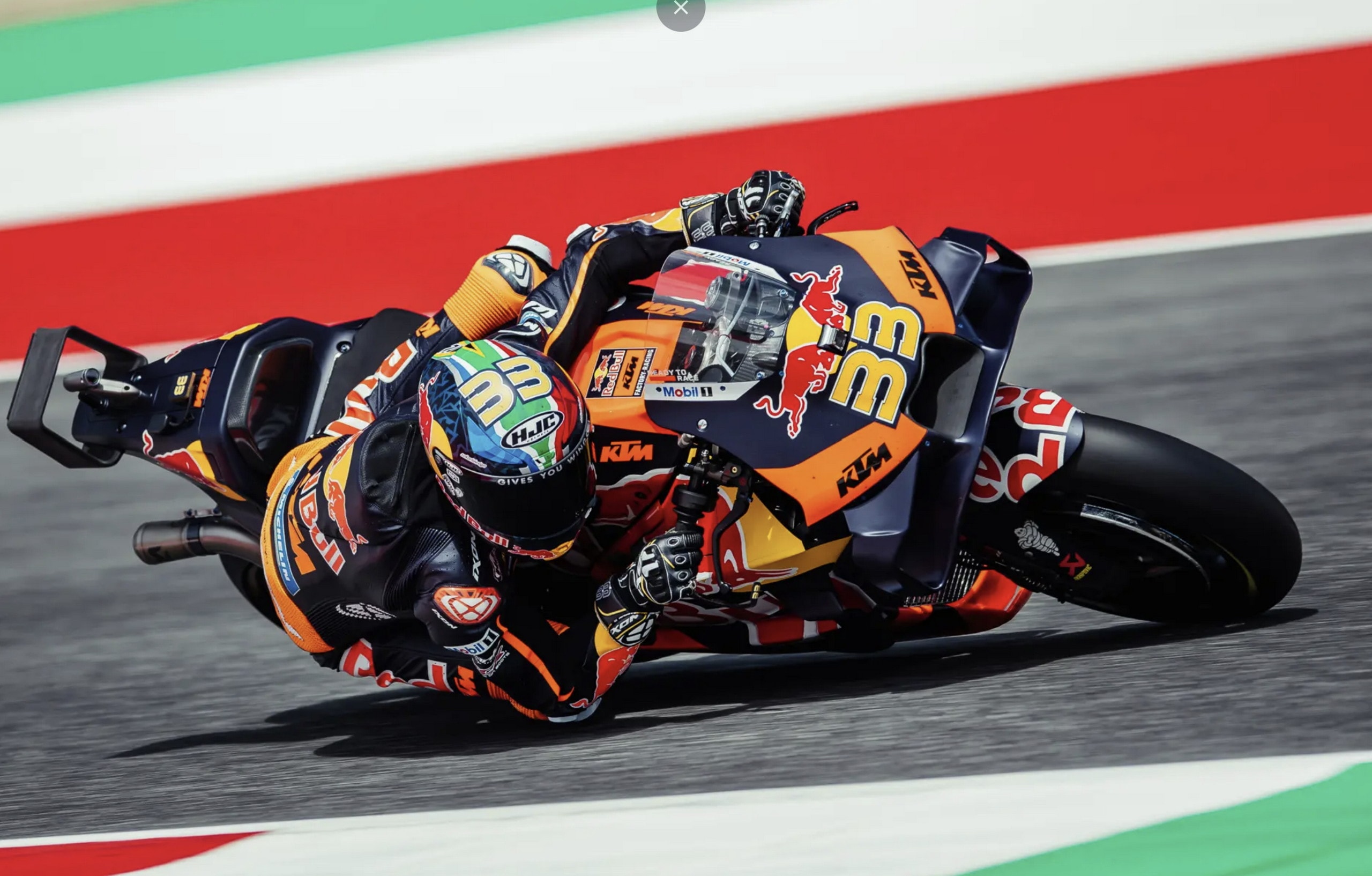
🏍️ Machine: KTM RC16 · ⏱️ Top speed: 366.1 km/h recorded · ⭐ Why it matters: broke the outright mark in 2023
Brad Binder's verified 366.1 km/h at Mugello in the 2023 Tissot Sprint elevated KTM into outright-record territory and marked a shift in the speed hierarchy. The RC16's record changed how people talk about which manufacturers could produce peak trap numbers—an event with clear factual backing and obvious racing buzz.
1. Aprilia RS-GP
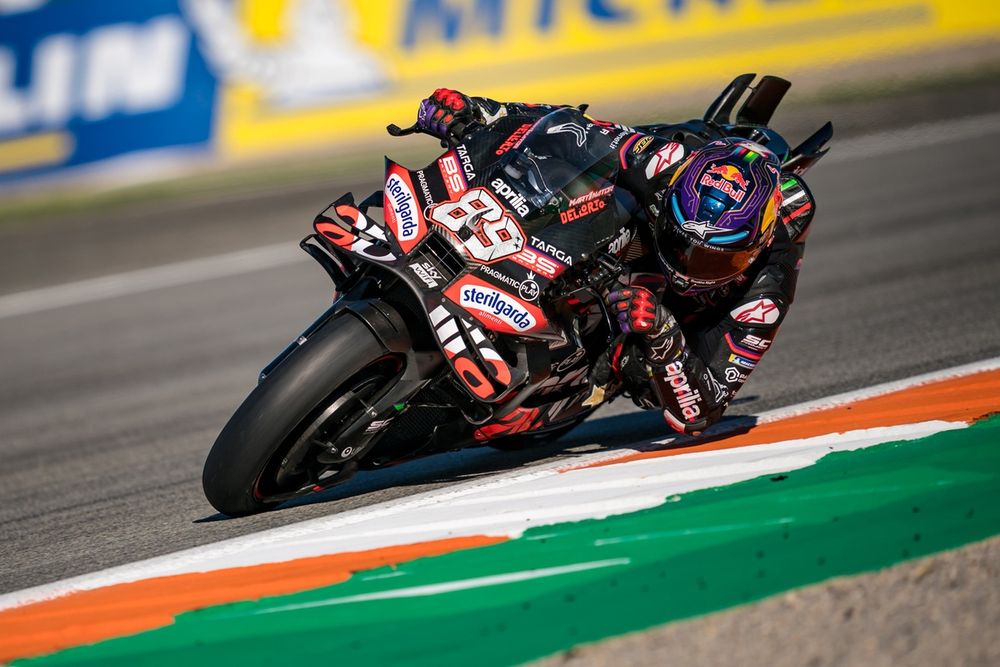
🏍️ Machine: Aprilia RS-GP · ⏱️ Top speed: 368.6 km/h recorded · ⭐ Why it matters: verified outright MotoGP speed record
According to MotoGP.com's authoritative update and multiple reputable reports, Jorge Martín raised the outright MotoGP top-speed record to 368.6 km/h at Mugello in FP2 in 2026 on an Aprilia. That verified peak places the Aprilia RS-GP at the top of any straight-line-speed ranking and confirms a clear engineering and performance milestone in the sport.
What this ranking tells us
The fastest MotoGP bikes ever list is necessarily a hybrid: measured trap-speed records give clear factual peaks (the verified sequence from Iannone and Dovizioso through Ducati, Binder's KTM mark and Jorge Martín's 368.6 km/h Aprilia peak), while racing impact depends on how those machines turned top speed into race-winning capability. Mugello and Lusail are the natural speed theatres, Ducati defined the early high-speed era, KTM proved a new peak was possible in 2023, and Aprilia's 2026 record moved the ceiling again. Fans will reasonably debate the order when weighting race wins, chassis balance or championship influence more heavily—but the verified trap figures anchor the fastest-bike conversation in hard data.
Author: Eric M.