KTM MotoGP: Analysing the Evolution of Competitiveness Against Ducati and…
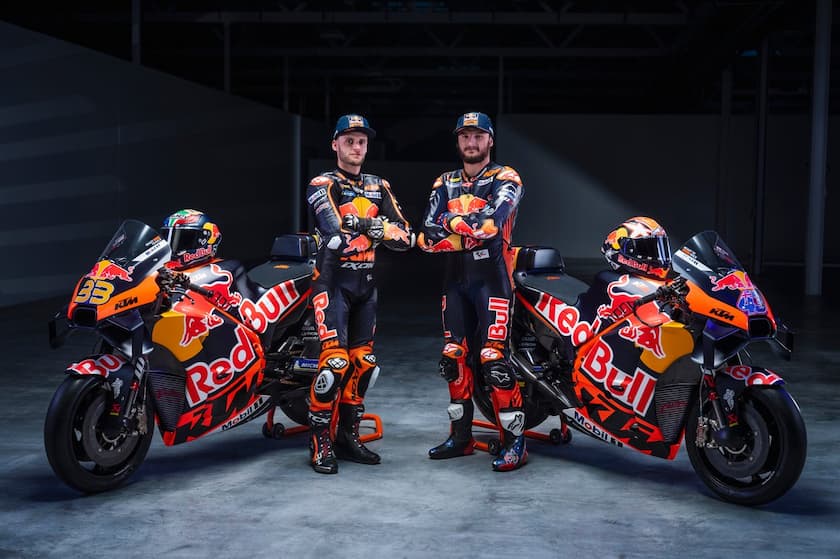
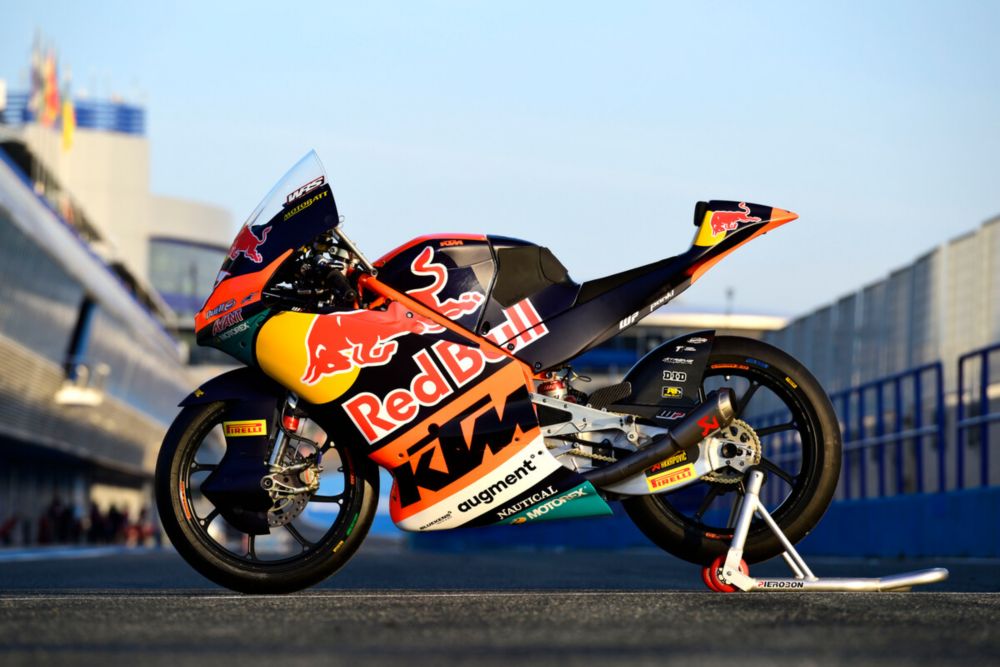
The KTM MotoGP project has been one of the most closely watched challenger stories of the modern era. This analysis follows how the RC16's sporting output has evolved against the factory firepower of Ducati and the surge of Aprilia, using race results and competitive patterns as the evidence.
We treat results as the primary indicator: where KTM translated design and development into track outcomes, where it fell short, and what those outcomes imply about the bike's real standing in the paddock.
Summary
KTM has progressed from a disruptive newcomer to a credible front-running contender in specific conditions. Against Ducati and Aprilia, KTM's strengths have been circuit-dependent, aided by aggressive rider inputs and targeted development phases, while consistency and outright top-speed deficits have defined its limits.
Reader preview
- How early signals shaped expectations for KTM's trajectory.
- Where the bike found peak competitiveness and why those circuits mattered.
- What rider styles and team choices revealed about the RC16's potential.
Quick access
First performance signals
KTM's early seasons in MotoGP signalled a clear intent: to upset established hierarchies with a package that favoured agility and cornering stability. Initial race results showed the RC16 was competitive in short bursts—strong in qualifying at some circuits and capable of podium-level performances when conditions neutralised straight-line deficits.
Those first signals were less about consistent championship threats than about a machine that could exploit particular track layouts and rider bravery. Against Ducati and Aprilia, early KTM outings exposed the gap in raw power but hinted at an alternative path to podiums through chassis balance and late-braking behaviour.
Peak seasons and strong periods
The RC16's most convincing competitive windows have come when development gains stacked up and rider pairings were synchronised with the bike's character. During those peak stretches, KTM often matched or beat faster bikes over race distance by maximising tyre life, corner speed, and race craft.
These periods also followed concentrated upgrades: aerodynamic tweaks, chassis refinements, and suspension updates that turned occasional flashes of pace into repeatable competitiveness. Against a Ducati that thrives on top speed and an Aprilia built around stability and mid-corner drive, KTM's peaks were defined by superior rotation and agility through complex sections.
Where it won and why
KTM's best results typically came on circuits that reward handling over horsepower. Tight, technical tracks and those with sequences of medium-speed corners played to the RC16's strengths. In those environments, KTM could out-brake, change direction quicker, and keep tyre degradation in check—allowing riders to maintain higher average lap times over a stint.
Wet or mixed conditions also amplified KTM's chances. When engine deficit becomes less decisive and rider feel gains weight, the RC16's chassis neutrality and responsive steering allowed aggressive riders to extract extraordinary lap times relative to straight-line performance.
Where it struggled
KTM has been most exposed on high-speed circuits and long straights where top-end power and aerodynamic efficiency dominate. On tracks where Ducati's engine and aero package could generate sustained speed advantages, the RC16 often paid time and had to rely on race craft and strategy to recover positions.
Longevity over a season has also been a challenge. While KTM could produce standout results, maintaining that performance level across diverse circuits and through the attrition of a full championship has proven difficult compared to the depth and raw machinery advantages of Ducati and the rapid development trajectory of Aprilia.
Riders and extraction of performance
One of the defining aspects of KTM's competitiveness is how much rider style amplifies or conceals the RC16's traits. Riders who favour late braking, aggressive corner entry, and active body positioning tend to unlock more from the bike. Those with smoother, momentum-focused styles sometimes found the bike less forgiving at the limit but better over race distance.
KTM's pairing decisions and development feedback loops mattered. When the team paired a rider who could communicate fine-grain handling feedback with engineers ready to adapt setups quickly, bursts of high performance followed. Conversely, when setup alignment lagged, promising hardware translated into inconsistent results.
Consistency, podiums, and championship weight
Examining KTM's record through a sporting lens shows a distinction between peak results and season-long weight. While the team has produced podiums and occasionally fought at the front, the balance between singular strong weekends and a steady accumulation of top finishes has been the crucial difference versus factory Ducati outfits.
Championship influence comes from repeatable scoring: podium regularity and the ability to avoid low finishes. KTM's profile has often skewed toward highs interspersed with mid-pack rounds—an indication that while the machine could win a battle, it sometimes struggled to sustain the war across a calendar dominated by development races between manufacturers.
How results changed over time
The RC16's trajectory is not linear. Phases of development have produced clear step-changes, improving competitiveness at particular circuits and in specific conditions. These shifts usually coincided with targeted upgrades rather than wholesale reinventions, producing clusters of improved results rather than a steady climb.
Over successive seasons, KTM's results record shows a maturing machine: fewer catastrophic weekends, better tyre management, and more strategic racecraft. Yet the gap to the very front—measured in consistent wins and the ability to dominate across diverse tracks—remained a yardstick that KTM has been chasing through incremental progress.
What the results really say about the bike
Viewed purely through race outcomes, the RC16 reveals itself as a high-potential challenger with clear limitations. Its best attribute is adaptability in complex, technical conditions where chassis and rider input outweigh peak power. Its principal constraint is raw top-speed and, at times, the ability to translate isolated upgrades into a season-wide competitiveness comparable to the best Ducati and Aprilia packages.
That combination makes KTM an essential wildcard in the modern grid: capable of altering race narratives, especially on tracks that neutralise engine advantage, but still needing development and consistency to claim sustained championship influence. For teams and observers, the takeaway is pragmatic: KTM's results demonstrate a bike that can win races under the right circumstances and can build towards a broader threat if incremental gains continue to coalesce into consistent front-running form.
Author: Alex R.