Yamaha R1 MotoGP: tracing the lineage of Yamaha’s premier-class prototypes
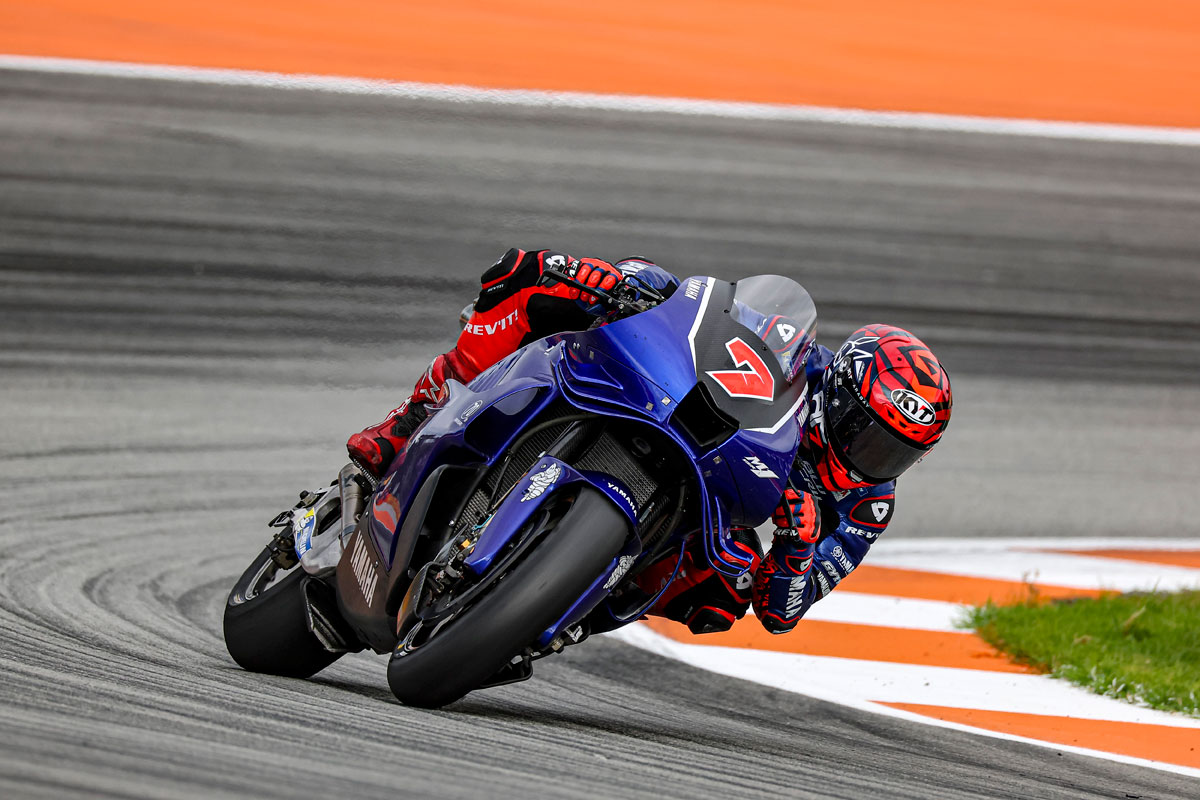
The phrase "Yamaha R1 MotoGP" often creates confusion: fans mix Yamaha's long-running MotoGP prototype lineage with the production-derived R1 Superbike. This article follows the true MotoGP project line — the factory prototypes that raced in the premier class — explaining origins, turning points, rider eras and how that project differs fundamentally from the production R1 and its Superbike offspring.
Summary
This article follows Yamaha’s premier-class prototype project from its roots in Grand Prix racing through the key eras that defined its competitive character. It separates the factory MotoGP prototypes from the production Yamaha R1 used in Superbike competition and highlights the performance and development gulf between the two approaches.
What you will learn
- How the MotoGP prototype lineage evolved independently of the R1 road bike.
- Key turning points and rider eras that shaped the project.
- Where prototype MotoGP machines and Superbike-derived R1s diverge in purpose and performance.
Quick access
ORIGINS OF THE PROJECT
Yamaha’s involvement in Grand Prix motorcycle racing predates modern MotoGP regulations. When the premier-class rules coalesced into the four-stroke MotoGP era, Yamaha developed a purpose-built prototype project distinct from any road-going model. While the R1 nameplate is famous as a high-performance production motorcycle used in Superbike racing, the factory MotoGP machines trace a separate engineering and competitive logic: prototypes built purely to win at the highest level, unconstrained by homologation or production-cycle considerations.
EARLY IDENTITY
In its early prototype phases, Yamaha’s factory machines emphasized compact packaging, rider ergonomics and a balance of chassis and engine characteristics suited to the premier-class tracks and sprint-and-endurance race format. The project identity was shaped by the need to extract peak performance from components that would never have to satisfy road-legal compromises. That focus produced motorcycles with bespoke frames, bespoke electronics strategies and engine architectures tuned specifically for the demands of prototype Grand Prix racing.
FIRST BREAKTHROUGHS OR EARLY LIMITS
As the prototype project matured, breakthroughs tended to be incremental improvements in areas like chassis stiffness distribution, aerodynamics and electronics integration. The most defensible historical observation is that Yamaha’s prototype program evolved through cycles of advantage and limitation: periods when the package matched the era’s requirements and periods when rival projects eclipsed Yamaha due to different technical choices. Throughout, the project purpose remained singular — to create a machine optimized for MotoGP competition rather than for road use or for Superbike regulations.
RIDERS AND DEVELOPMENT ERAS
Riders play a decisive role in the development of any prototype project. In the premier-class lineage, successive rider eras have influenced setup philosophies, development priorities and even the direction of technical upgrades. Different rider styles expose different strengths and weaknesses in a prototype, and Yamaha’s factory program adapted around those inputs: setting priorities on engine character, chassis balance or electronics behavior depending on the feedback loop coming from race seats. The human factor — who was chosen to develop and race the machine — is part of the project’s history as much as any mechanical milestone.
TECHNICAL AND STRATEGIC TURNING POINTS
Throughout its history, the prototype project responded to regulatory changes and competitive pressures. Strategic turning points came when Yamaha’s engineers and management chose to re-balance priorities — for example shifting focus between outright power and cornering agility, or between mechanical solutions and electronic aids. These choices dictated how the prototype evolved relative to rivals and shaped the machine’s competitive identity for subsequent seasons.
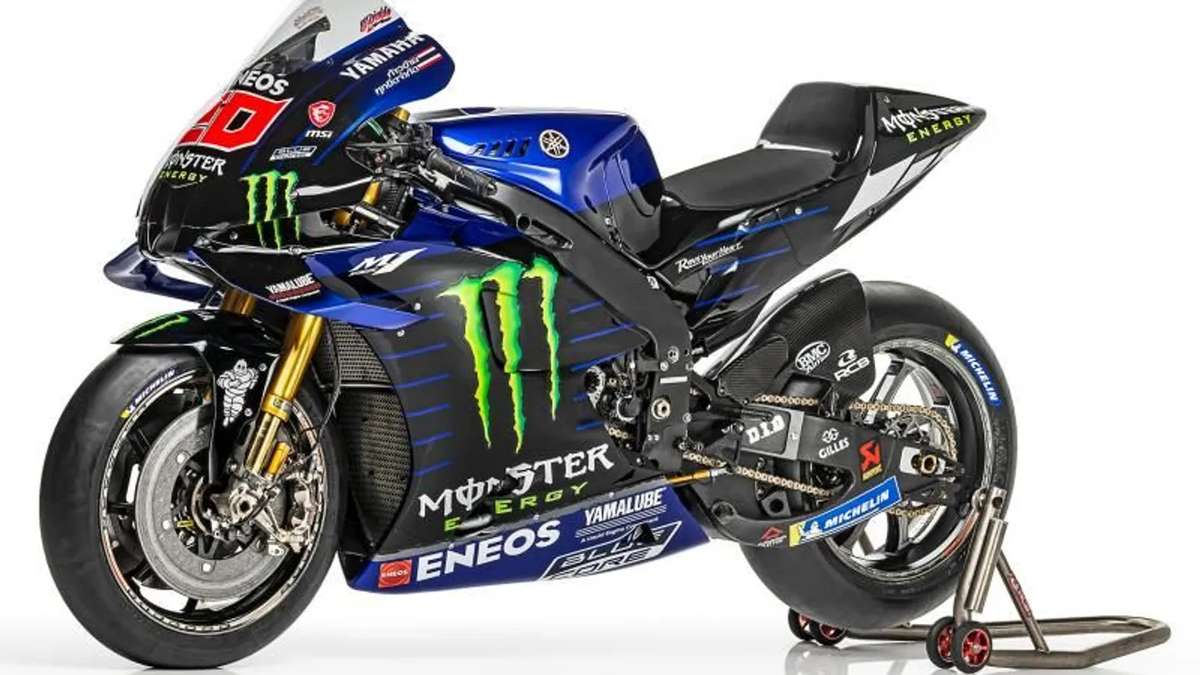
COMPETITIVE HIGHS AND LOWS
The prototype project experienced predictable cycles of highs and lows. At times the package delivered immediate competitiveness; at other times it struggled to match rivals that had converged on different solutions. What is important historically is the pattern: Yamaha’s factory program repeatedly reacted to stretches of underperformance with concentrated development efforts, and those recovery phases defined the project narrative as much as the peak seasons did.
THE BIKE IN THE WIDER MOTOGP CONTEXT
Placed in the broader MotoGP landscape, Yamaha’s prototype project illustrates how factory efforts operate under continuous technical arms races. The prototype’s evolution reflects rule shifts, electronics maturation and changing tire and aerodynamics philosophies across eras. Crucially, this context also highlights why prototype MotoGP bikes are categorically different from production-based Superbikes: the objectives, constraints and development cycles are not comparable.
COMPARING PROTOTYPE TO R1 SUPERTBIKE
To clarify the common confusion: the Yamaha R1 road bike and its Superbike derivatives are production machines adapted to a specific set of regulations that require a road-legal base. They must balance durability, rideability and showroom sales considerations. A MotoGP prototype, by contrast, is an all-out race tool with bespoke chassis, bespoke engine development, and far fewer regulatory constraints on materials and design.
Performance-wise, the gulf is substantial in intent and execution. Prototype machines prioritize peak lap time across qualifying and race stints, with extreme power delivery, advanced electronics tuned to the prototype package, and chassis geometry that would be impractical or illegal on a road bike. Superbike R1s remain impressive as production-based racers, but they are constrained by homologation rules, parity measures and the need to maintain a consumer-facing platform.
WHAT ITS HISTORY NOW MEANS
The historical arc of Yamaha’s premier-class prototype project shows a continuous pursuit of marginal gains, guided by rider input and strategic engineering decisions. The separation between MotoGP prototypes and the R1 Superbike lineage is not merely a naming issue but a reflection of two fundamentally different engineering projects running in parallel within Yamaha’s racing ecosystem.
For readers and fans, the takeaway is clear: when discussing "Yamaha R1 MotoGP," insist on precision. Trace the prototype lineage on its own terms, and reserve comparisons to the R1 Superbike for discussions about Yamaha’s broader racing culture rather than about the technical identity of the MotoGP machines.
Author: Cynthia D.