Yamaha YZR-M1: Inside the Official Team’s Structure, Engineering Culture and…
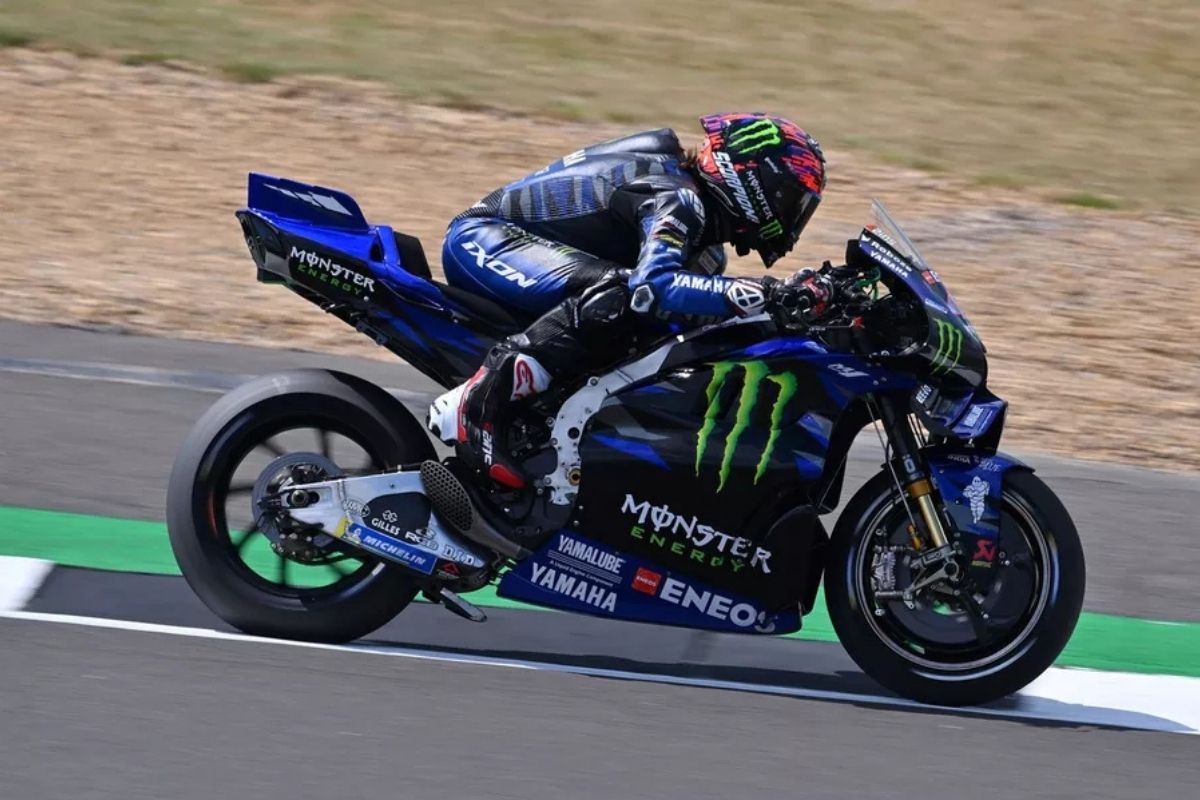
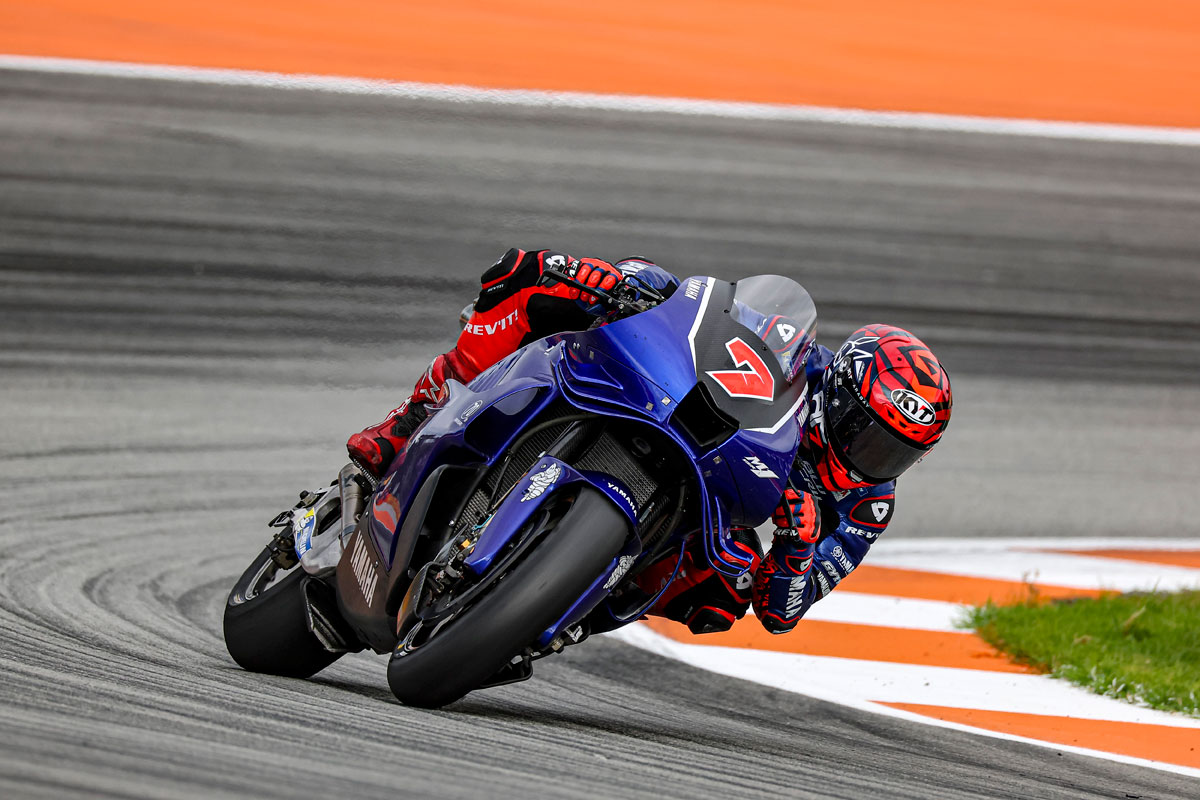
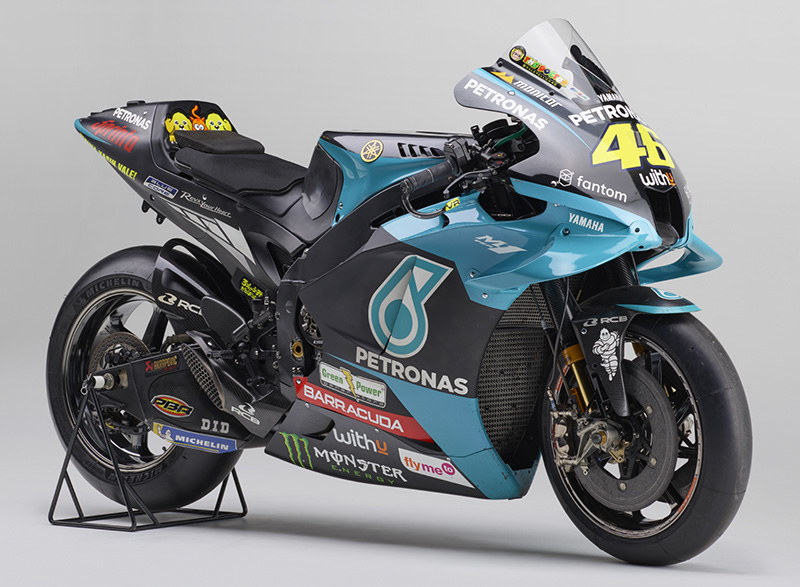
The Yamaha YZR-M1 is more than a race bike: in MotoGP terms it is the organizing principle that defines the official Yamaha team’s identity, decision-making and competitive limits. This article examines what the team actually is — its factory relationship, garage culture, rider pairing logic and operational strengths — to clarify how the YZR-M1 project shapes results across a season.
Summary: The official Yamaha outfit is a factory-side operation built around the YZR-M1 chassis and engine package. Its purpose is dual: extract peak performance for factory riders and channel technical development back to Yamaha Motor Company. That creates distinct responsibilities for engineers, race operations and rider management.
Quick access:
Identity & Structure|Factory or Satellite|Garage & Engineering
FIRST READING OF THE TEAM
Viewed from the paddock, the Yamaha official team is a purpose-built factory operation whose primary asset is the YZR-M1. Its identity is technical excellence married to rider optimisation: the team is judged by how efficiently it turns the M1’s characteristics into lap time. That makes the team a centre of gravity for Yamaha’s MotoGP programme — the public face for development, the proving ground for new parts, and the reference benchmark for satellite squads running similar machines.
FACTORY, SATELLITE, OR HYBRID ROLE
The official Yamaha team is unambiguously a factory organisation. In MotoGP terms that means direct technical input from the manufacturer, access to factory-spec components, and a logical priority in development cycles. The distinction matters: factory status brings privileged aerodynamic updates, bespoke engine maps and priority allocations of scarce parts. It also sets expectations — factory riders and staff are tasked with validating and refining the YZR-M1 under race pressure, not merely adapting it.
RELATIONSHIP TO THE MANUFACTURER
The team’s technical link to Yamaha Motor Company defines its operational latitude. Engineering directives — development roadmaps, dyno targets, and homologation windows — typically flow from the factory. In practice this creates a two-way channel: engineers on the team implement factory items and deliver race data, while feedback from riders and track engineers informs iterative changes at the manufacturer’s R&D. The result is a structured dependency: the team relies on Yamaha for core changes, but it is expected to supply the empirical evidence that justifies further investment.
GARAGE STRUCTURE AND ENGINEERING CULTURE
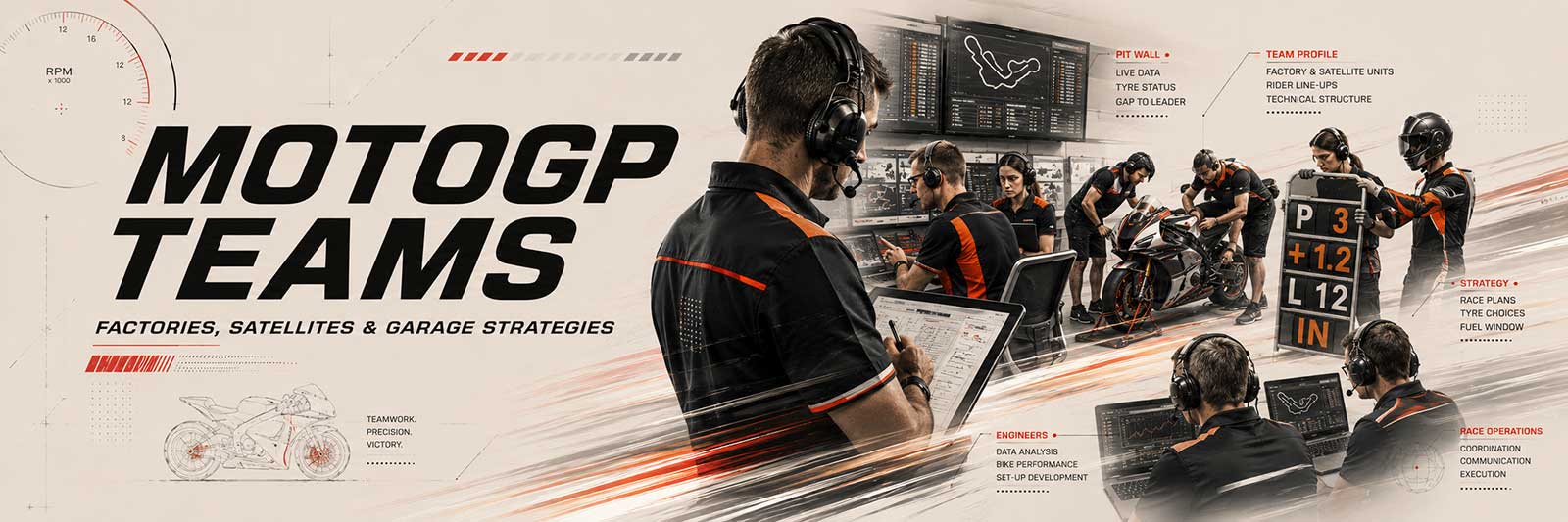
Inside the pit box, the engineering culture revolves around measurable compromise. The YZR-M1 is famous for a particular balance envelope — chassis feel, front-end behaviour and a specific torque delivery — and the garage organisation is shaped to protect and tune those traits. Technical crews are split between chassis/ergonomics, engine/electronics and aerodynamics, with each group focused on translating rider impressions into actionable setups: suspension curves, ECU maps, and wing/winglet choices. Decision-making favours validated changes: experiment slots are limited during race weekends and reserved for targeted hypothesis testing rather than wholesale revisions.
RIDER PAIRING AND COMPETITIVE IDENTITY
The official team’s competitive identity is inseparable from its rider roster. Factory riders are chosen not only for raw speed but for their ability to collaborate on development. In practical terms that means one rider often carries the role of primary test reference — a consistent baseline for comparing updates — while the teammate may be deployed to explore alternate setups or race strategies. The lineup shapes tyre usage profiles, setup bias (towards early turn-in or mid-corner stability) and pitwall messaging. Continuity in the rider pairing accelerates development because consistent feedback reduces noise in telemetry interpretation.
RACE-WEEKEND STRENGTHS AND LIMITS
Operationally the Yamaha team excels at translating a well-understood baseline into strong race pace. Strengths include adaptive suspension work, tyre management strategies and race-long engine calibration. Where the team can be constrained is rapid concept shifts: when a circuit or weather condition demands a radical departure from the M1’s nominal setup, the official team’s conservative validation process can delay decisive changes. That trade-off — reliability of approach versus speed of innovation — is a deliberate cultural choice linked to factory responsibilities.
DEVELOPMENT AND SEASON DIRECTION
Over a season the official Yamaha team balances incremental improvements and targeted upgrade packages. Development is staged: short-term setup updates for specific tracks, mid-season aero or chassis updates validated in test sessions, and longer-term engine or frame changes that require factory sign-off. Performance gains are typically cumulative rather than explosive; the team’s role is to integrate changes without destabilising the riders’ reference points. Momentum, therefore, is built through sustained refinement and consistent rider input rather than single headline upgrades.
HISTORY AND PADDOCK CONTEXT
Historically, the YZR-M1 project has been a benchmark for Yamaha’s engineering philosophy: emphasize balance, rideability and a rider-centric machine. That heritage explains the team’s paddock reputation as methodical and technically disciplined. In the paddock ecosystem the official Yamaha team functions as a technical hub: its race decisions and public explanations influence satellite teams and shape development priorities for the manufacturer across seasons.
CLOSING INTERPRETATION
The official Yamaha team, seen through the YZR-M1 project, is a factory-first organisation where engineering discipline and rider collaboration converge into a measured development strategy. Its value is not only measured by wins but by how effectively it converts track data into robust technical direction for Yamaha. Understanding this structure clarifies why the team often prioritises consistent race performance and validated upgrades over risky, unproven gambles — a posture that defines both its strengths and its realistic ceiling in a championship context.
Author: Eric M.