Czech MotoGP: Brno’s identity between prototype demands and rider endurance
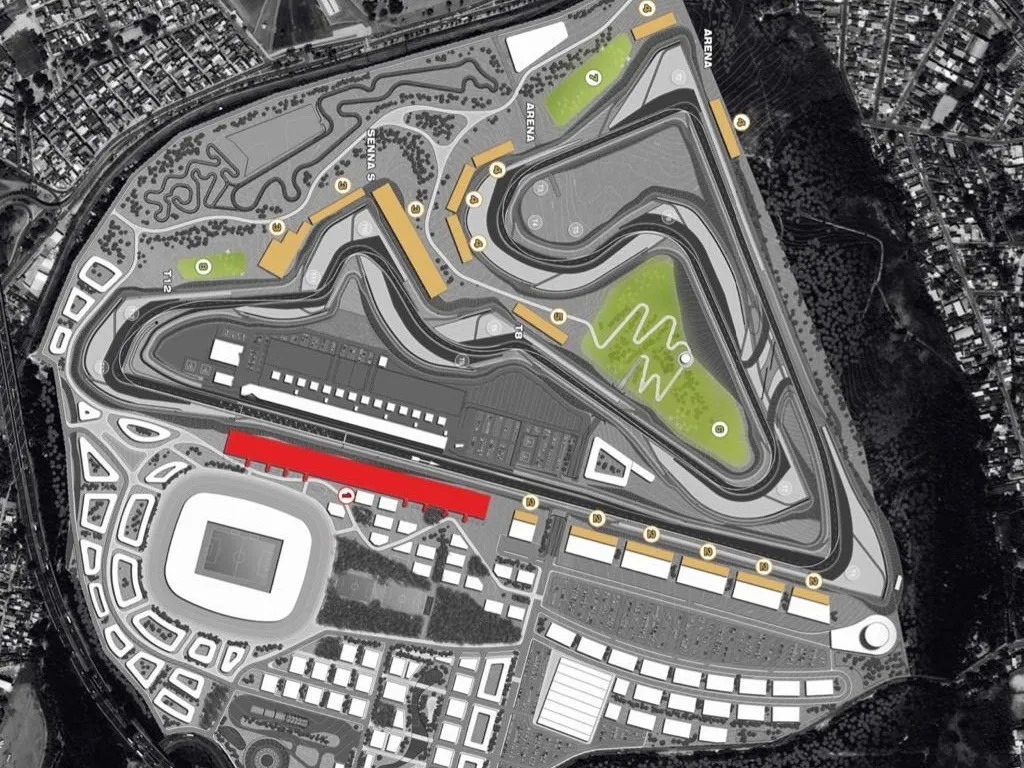
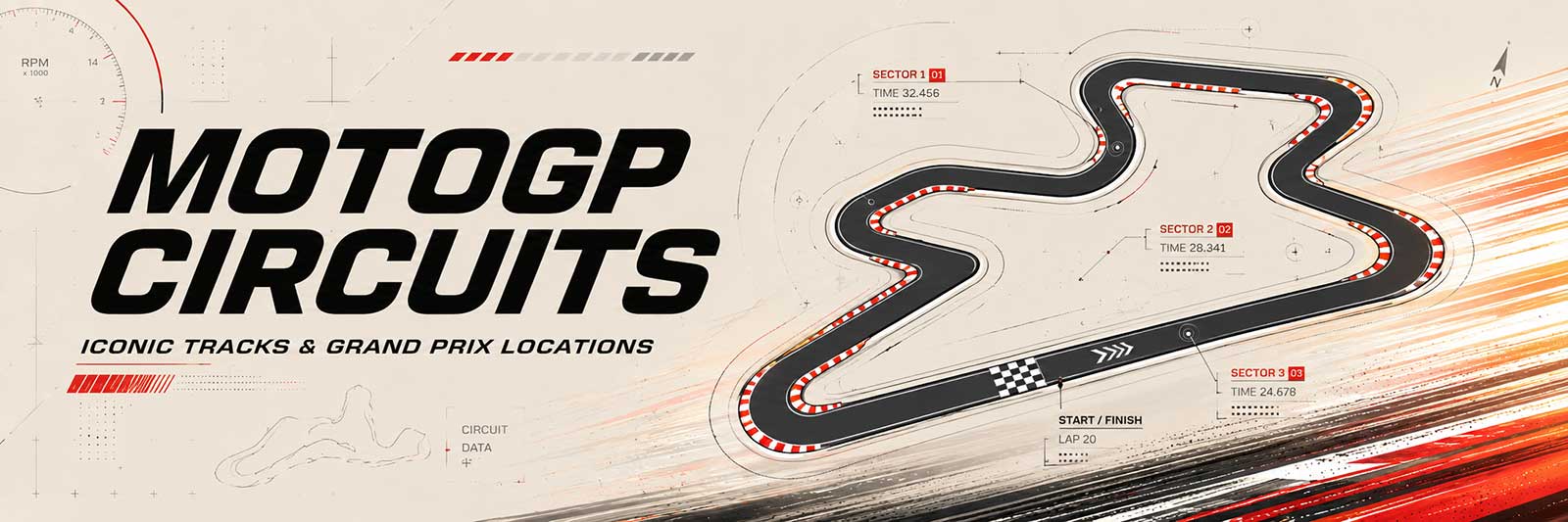
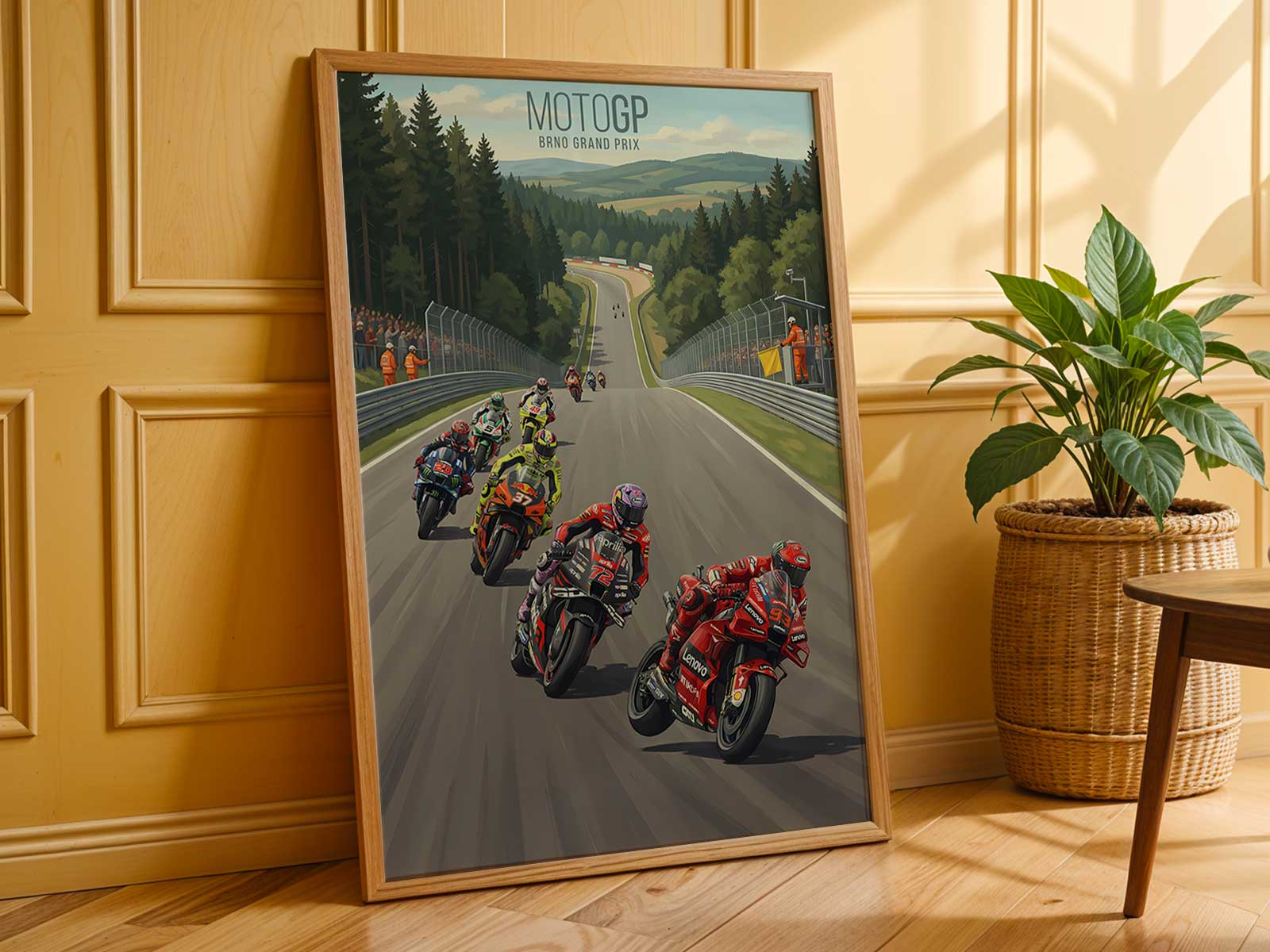
The Czech MotoGP at the Automotodrom Brno (Masaryk Circuit) is a study in contrasts: a long, flowing 5.403 km Grand Prix layout that pairs sweeping high-speed sectors with steep elevation swings and a punchy long straight. For MotoGP prototypes and their riders, Brno simultaneously stresses aerodynamic stability, exit traction and sustained physical concentration over race distance.
Quick facts: 5.403 km, 14 corners (6 left / 8 right), track width ≈15 m, longest straight ≈636 m. Resurfaced and reintroduced for modern MotoGP events, with official technical and safety guidance published for race activity.
First reading•Braking & acceleration•Tyres & grip•Overtaking•Closing
FIRST READING OF THE CIRCUIT
On paper Brno reads as a classic European grand prix track: 5.403 kilometres and 14 turns that reward flow and momentum. The sequence mixes medium- and high-speed bends with a substantial longest straight of about 636 metres. Beneath that geometry sits pronounced topography — roughly 73 metres of elevation change — which makes cornering and sightlines more complicated than a flat map suggests.
The immediate identity is therefore dual: a flowing, high-speed rhythm that promotes aerodynamic demands, and enough vertical change to convert simple entry lines into precise on-board reading tasks for riders and teams.
CORNER RHYTHM AND FLOW
Brno’s lap rhythm favours linked sequences over isolated slow hairpins. Successive medium- and fast-speed turns demand consistent line and throttle application; poor exits propagate through the next section because the layout rewards momentum. The track width (~15 m) gives line options, but the combination of sweepers and undulating geometry makes the correct reference points and throttle profiles vital.
Because the circuit is predominantly fast-flowing, transitions from compression to crest and back to compression influence how a rider times their weight transfer and uses aero stability to hold a chosen line through multiple corners.
BRAKING ZONES AND ACCELERATION DEMANDS
Brno is not a series of brutal heavy-braking stops, but it still includes braking points that test prototype brakes and chassis balance because of the fast-to-slow transitions created by elevation changes and following tight-ish corners. The longest straight of around 636 m funnels top speed into a primary braking zone that is the main overtaking springboard and therefore a key setup focus for teams.
Acceleration demands are significant uphill and on corner exits where traction must be carried through compressions. That makes power delivery, traction control mapping and rear-end stability crucial: losses on exit cost time across the following sector rather than being recovered immediately.
ELEVATION, CAMBER, AND VISUAL COMPLEXITY
The approximately 73-metre elevation spread is central to Brno’s character. Uphill drags change load distribution and slow perceived cornering speed, while downhill crests reduce the margin for error and alter braking feel. Camber shifts across the lap can hide apexes or make entry points feel different on successive laps, raising the visual and physical demand on riders and forcing teams to consider suspension compliance and front-end precision in their setup window.
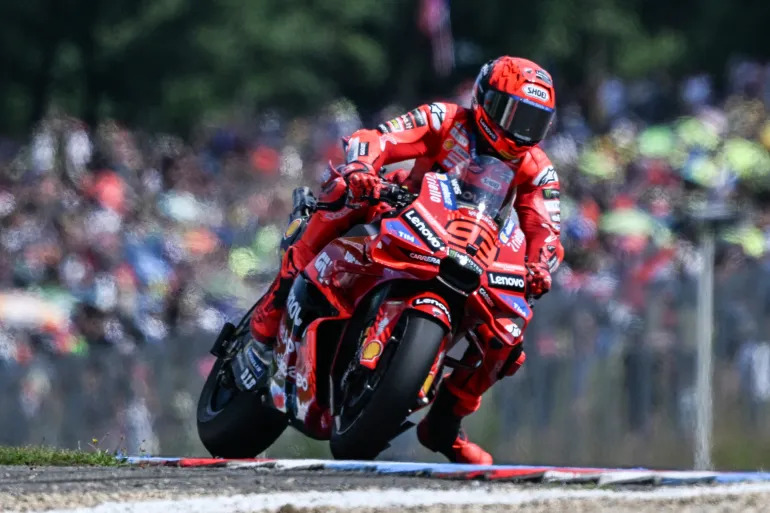
TYRES, GRIP, AND TRACK CONTACT
Brno’s fast-flowing nature and elevation swings translate into a tyre profile where sustained lateral loading and repeated drive phases both stress compounds. Tyre durability matters: the layout produces repeated medium-to-high grip demands rather than isolated heavy stops, so compounds and constructions that withstand sustained heat cycles and maintain grip over many consecutive corners are advantageous.
Grip evolution through a race is influenced by resurfacing and published tyre guidance for the venue; teams and suppliers treat Brno as a circuit where contact patches are continuously taxed by corner exits and uphill drags rather than one-off high-energy events.
SETUP TRADE-OFFS
At Brno teams balance front-end precision and mid-to-high speed stability against the need for agile direction changes. A setup that favours extreme stability for high-speed sweepers aids aerodynamic performance and rider confidence on exits, but it can blunt agility in tighter sequences. Conversely, prioritising nimbleness may reduce aerodynamic effectiveness on the fastest sections and expose the bike to instability over cresting changes.
Because traction on uphill exits and aero behaviour at speed are both decisive, compromises often centre on suspension compliance and aero balance rather than purely on absolute power delivery. Official technical and safety provisions published by organisers also shape tyre and equipment choices for teams.
OVERTAKING AND RACECRAFT
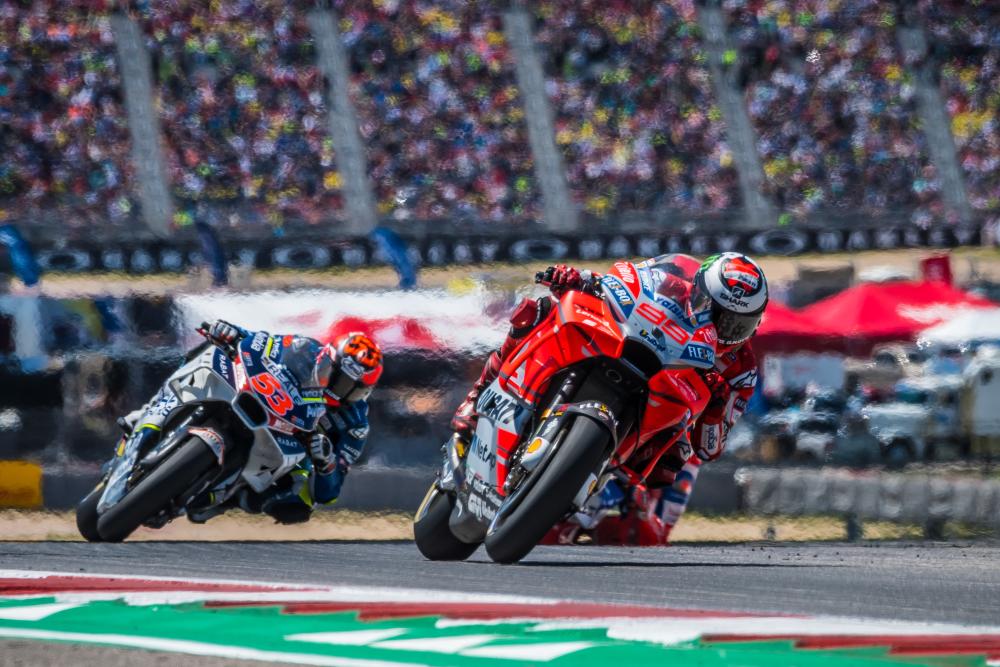
The longest straight feeding into a main braking zone is the clearest overtaking location at Brno: slipstream down the 636 m run and a strong brake/turn-in still produce the majority of passes. Elsewhere, successful moves require building momentum advantages through linked corners so a rider can carry superior exit speed into a braking zone or use alternative lines within the available track width.
Racecraft at Brno therefore rewards riders who can repeatedly produce cleaner exits and manage tyre life while remaining precise in visual reading across elevation changes. Because the layout emphasizes flow, single isolated overtakes in mid-corner zones are rarer than sequence-driven passes that exploit an opponent’s small exit weaknesses.
HISTORICAL AND COMPETITIVE CONTEXT
Brno is a historic venue (Masaryk Circuit) that rejoined modern MotoGP competition after resurfacing and event editions leading to the 2025 revival. The circuit’s return included renewed focus on technical and safety requirements for motorcycles and riders, and official race materials confirm the Grand Prix configuration’s length and turn count used by MotoGP.
That context matters: the resurfacing and renewed event infrastructure influence grip behaviour and tire planning compared with older editions of the Brno Grand Prix.
CLOSING INTERPRETATION
In MotoGP terms, the Czech Grand Prix at Brno is a circuit that interrogates a prototype’s aerodynamic steadiness and a rider’s ability to manage momentum across vertical terrain. Teams must find the sweet spot between stability for long sweepers and enough agility for linked sequences, while riders endure continuous physical and concentration demands across a 5.403 km lap with 14 corners and significant elevation change. Understanding Brno means reading its flow and respecting the way elevation and long acceleration zones amplify small setup or riding errors over race distance.
Author: Eric M.