Losail MotoGP: Decoding Race Trends Where Every Result Reveals the Track's…
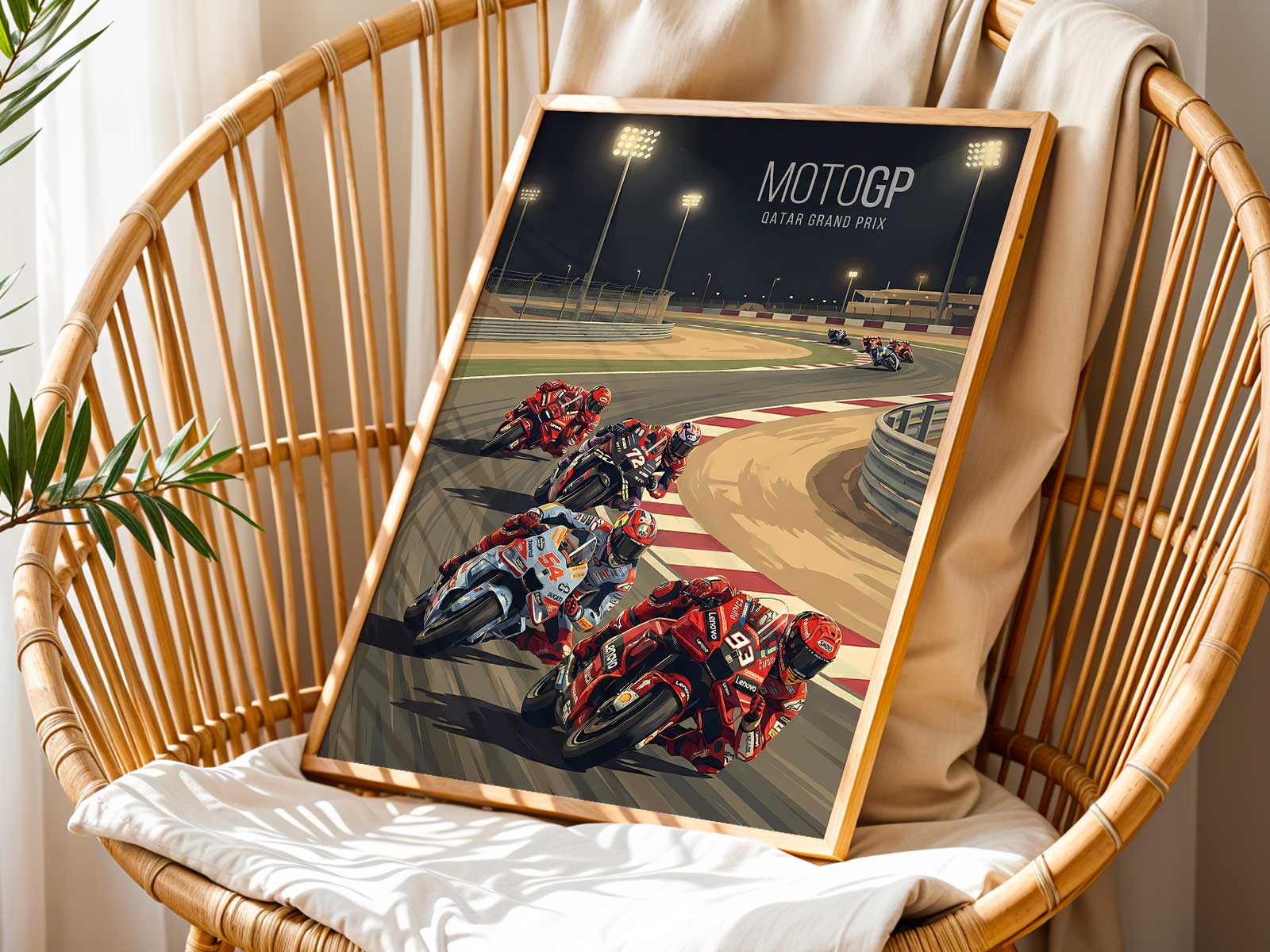
Losail (Lusail) International Circuit is one of MotoGP’s distinctive venues: a floodlit, high-speed 5.4 km layout raced at night that regularly returns to the calendar and has staged the series’ night racing since 2008. The Qatar Grand Prix’s setting — late-season or early-season night running under lights and with desert sand a continual variable — means that each race result carries a reading on tyre management, grip preparation and how teams handle low-grip starts.
Summary
Losail’s night racing, fast flowing corners and sand-prone surface reward teams and riders who manage tyre warm-up and cope with variable grip. Recent results, including the 2025 Qatar Grand Prix won by Marc Márquez (Ducati), underline how bike performance and tyre control on such a layout determine finishing order early in the season.
Quick reader preview
- Why night conditions and sand make tyre life a decisive factor.
- What kinds of riders and bikes the circuit tends to favour.
- How specific race outcomes at Losail reflect technical strengths and setup priorities.
What kind of race Losail tends to produce
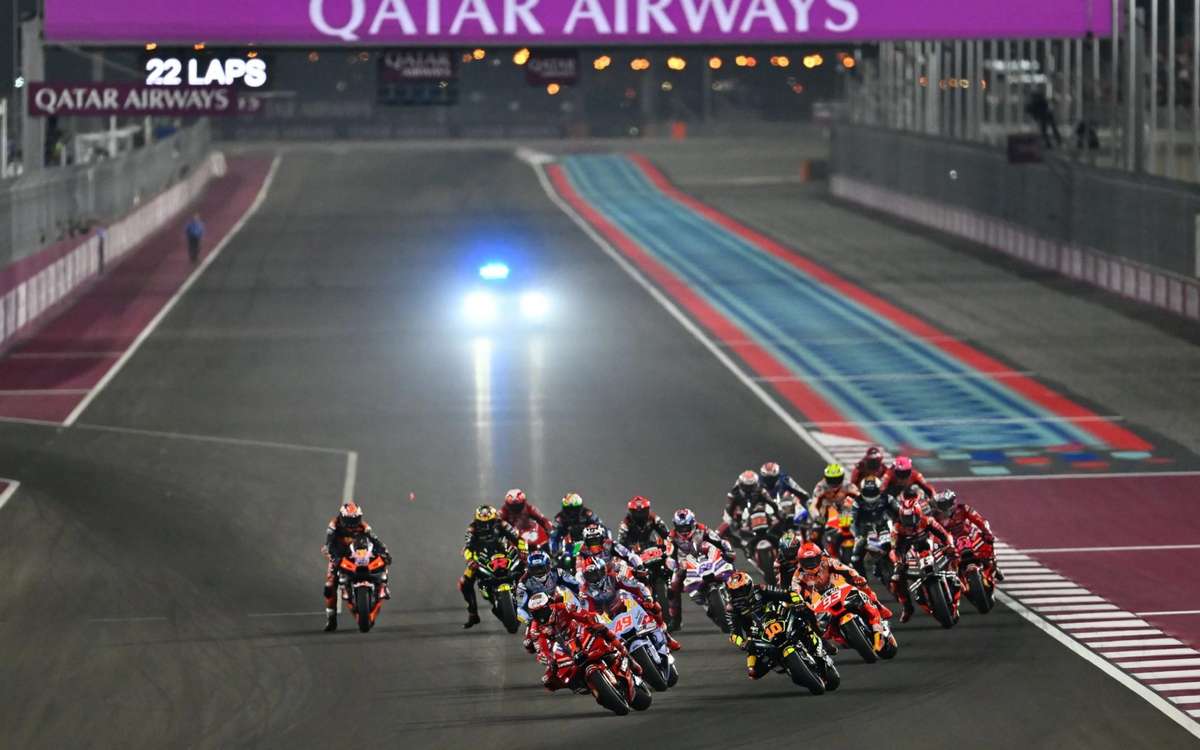
Losail’s combination of long, flowing sections and medium-to-high speed corners produces races that favour sustained pace and stability over a single explosive sector. The event is run at night under floodlights — a defining feature since the circuit staged MotoGP’s first night race in 2008 — which changes track temperatures and therefore tyre behaviour compared with daytime events. Because sand blown from surrounding desert can settle on the racing line, early laps and tyre warm-up phases are often fragile moments: riders who can build tyre temperature and grip without over-stressing the rubber typically gain an advantage.
The riders who make sense at Losail
Losail rewards riders who combine smooth, consistent pace with the ability to manage tyres across the race distance. Repeat winners historically have demonstrated those qualities; for example, the venue has seen multiple repeat winners in its past. Recent race outcomes, including the 2025 Qatar Grand Prix victory by Marc Márquez on a Ducati, show that riders who can extract steady race pace from their machines and avoid early tyre degradation tend to convert that performance into strong results.
Manufacturer and bike patterns
The circuit’s flowing geometry and high-speed corners suit motorcycles and setups that deliver aerodynamic stability and predictable tyre behaviour at sustained speed. Results at Losail highlight how bikes that provide consistent tyre heat and don't force riders into aggressive, tyre-consuming corrections tend to be competitive. The 2025 race podium — with Ducati machinery prominent — is consistent with the idea that certain bike characteristics (high-speed stability and effective tyre usage) translate well here.
Era changes and calendar context
Losail has been a regular fixture on the MotoGP calendar since 2004 and is contracted to host the series at least through 2031. While the venue’s core characteristics have remained stable — floodlighting, long flowing turns and the sand factor — the sport’s technical evolution and tyre developments have shifted which bikes and setups look strongest from era to era. Because the Qatar round often appears early in the season (March–April in recent years), results there can also reflect teams’ off-season progress and which projects reached immediate competitive readiness.
Races that explain Losail best
Certain editions of the Qatar Grand Prix become illustrative because they foreground Losail’s core challenges: night-time tyre warm-up, the sand variable and long-run stability. The 2025 event, won by Marc Márquez (Ducati) with Maverick Viñales and Francesco Bagnaia completing the podium, is a recent example where race pace and machine stability under night conditions determined the final order. That race — part of the early-season rounds — underlined how managing the unique environmental and thermal conditions of Losail rewards particular rider–bike combinations.
Why overtaking, tyre life and pace matter in results
At Losail, overtaking opportunities exist but are filtered by how tyres behave under cooler night temperatures and by how much sand affects grip on the run to braking zones. Thus, the decisive factor often becomes pace control and tyre preservation rather than single-lap heroics. Teams that secure a predictable tyre window and riders who avoid overly aggressive early moves reduce the risk of late-race drop-offs. The finishing gaps reported from the 2025 race reflect a contest where sustained pace and tyre management created separations across the field.
What the results suggest about rider–bike matches
Results at Losail make clear that compatibility between rider style and bike characteristics matters more here than at some tighter circuits. The track’s demand for high-speed stability and gentle tyre usage rewards pairings where the rider can ride in harmony with the chassis and aero balance, allowing the tyres to remain in their effective window for longer. The prominence of certain manufacturers on recent podiums is indicative of machines that, at that time, delivered those traits at night under Losail’s specific conditions.
What Losail’s results now tell us
Across its history and into the 2025 season, Losail has built a competitive identity anchored on night racing, sand-affected grip and a fast, flowing layout. Those features consistently point to the same competitive logic: control tyre warm-up and long-run degradation, prioritize stability at speed, and tune setups for predictable grip under floodlights. When those elements align, riders convert pace into podiums — as demonstrated by recent outcomes. Because MotoGP will continue racing at Losail through at least 2031, the circuit will remain an early-season measuring stick for how bikes and teams adapt their packages to night-time, desert-affected conditions.
Author: Eric M.