Evaluating the Yamaha M1’s Competitiveness in 2026: Results, Limits and the V4…
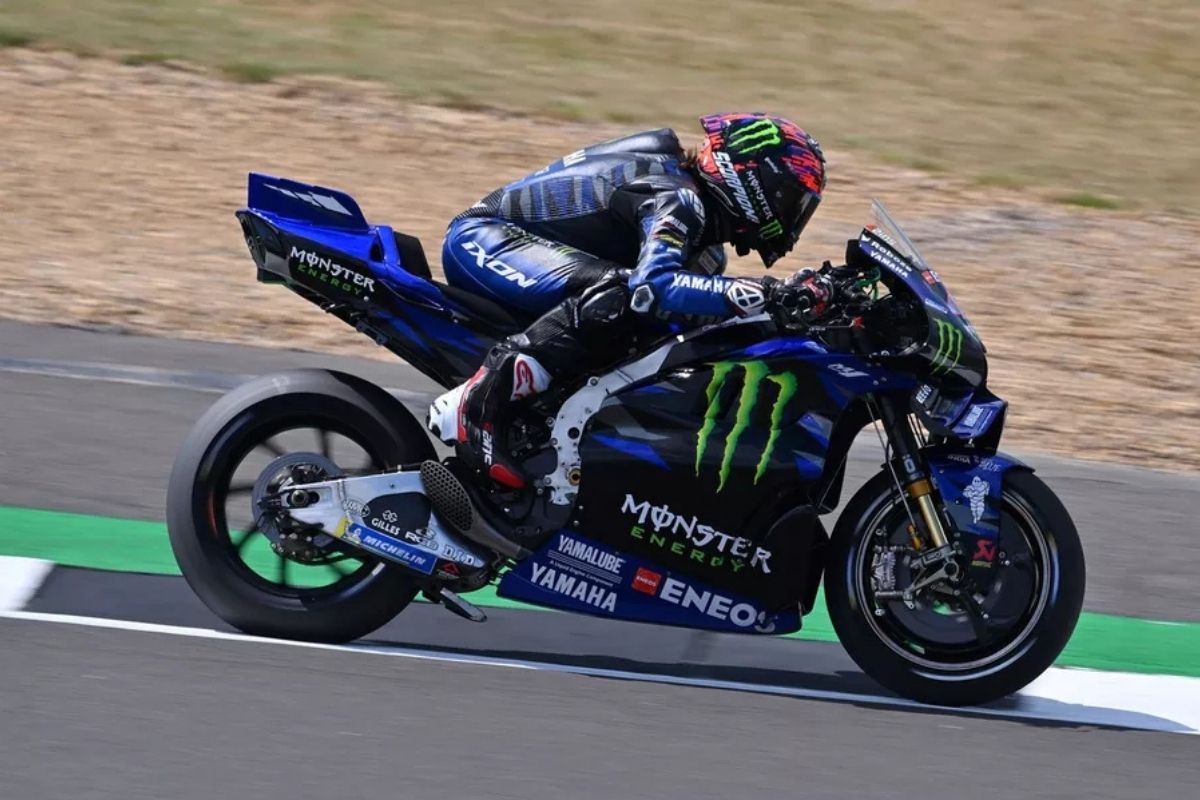
The Yamaha M1 entered 2026 carrying familiar strengths — a chassis that rewards rider finesse and a package that historically finds pace in tighter, flowing circuits. But on-track outcomes this season and in the immediate run-up to it have painted a mixed picture: flashes of strong racecraft offset by recurring difficulties when matched against the new wave of V4-powered bikes.
Summary
The M1 in 2026 remains a bike that can produce race-winning pace in specific conditions and with the right rider inputs, but its season profile has been uneven. Against many V4 European rivals the Yamaha often lacked top-end grunt and rear-wheel drive stability on high-speed tracks, forcing a competition strategy based more on rider handling and tyre management than outright power advantage.
Quick preview
- Competitive where corner speed and chassis balance dominate.
- Less effective on circuits that reward V4 top-end and aggressive drive.
- Rider style and setup sensitivity continue to define results.
Quick access
First performance signals
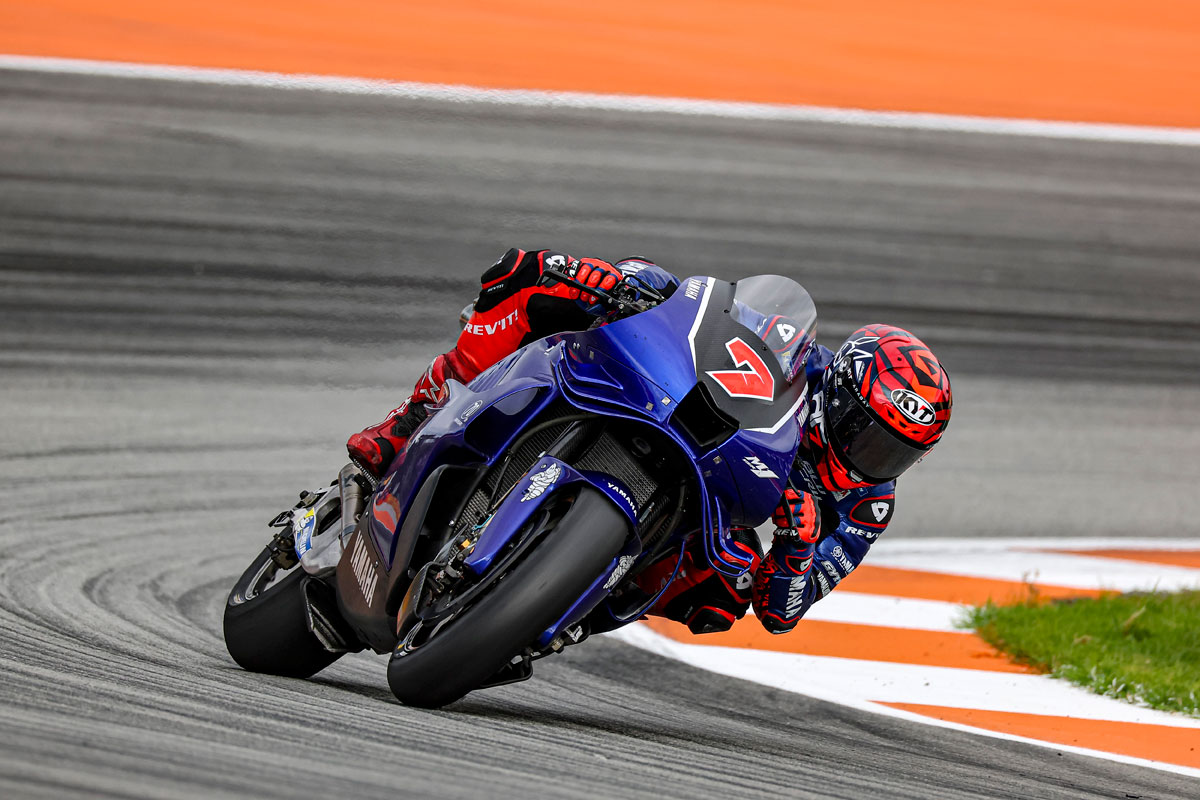
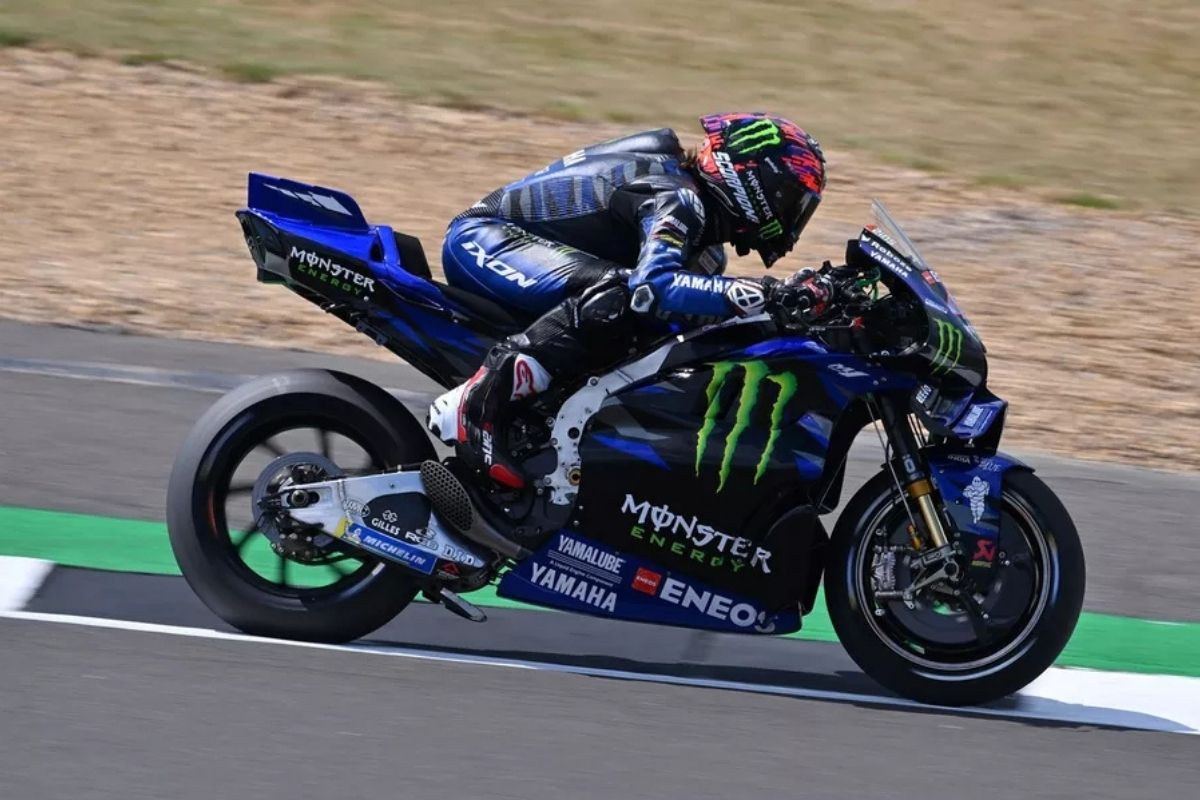
Early-season and pre-season tests around 2025–2026 suggested a continuation of Yamaha's established identity: a reward for riders who can generate corner speed and exploit mid-corner traction. Initial race outings frequently showed the M1 working best when lap time creation came from precision through the sectors rather than sheer straight-line acceleration.
That pattern made the bike immediately competitive on tracks with a sequence of medium-speed corners and limited long straights: the chassis and front-end feel gave riders confidence to lean into late braking and maintain drive out of corners. However, where qualifying pace or early-season single-lap speed was required to secure track position, the M1 sometimes fell short of rivals with more aggressive power delivery.
Peak seasons and strong periods
Instead of a single dominant run, the M1’s best performances in the recent cycle have come as concentrated peaks — individual race weekends where conditions, tyre behaviour and rider form aligned. Those pockets of top-level competitiveness demonstrate the machine’s potential: when setup and tyre window are perfect, the M1 can fight at the front and reward riders with excellent bike feeling through technical sections.
Such peaks often coincide with circuits that neutralise long straights and emphasise direction changes and braking stability. In those settings the M1’s balance and predictable handling allowed teams to extract strong race pace, even if qualifying positions were sometimes a compromise.
Where it won and why
When the M1 produced its best results, common denominators were clear: tracks with flowing combinations, precise front-end feedback, and races where tyre degradation rewarded a stable chassis. Victory or top-race finishes were typically founded on sustained corner speed, late-braking bravery and the rider’s ability to manage rear grip over race distance.
These wins usually reflected an interplay between setup choices that emphasised agility and riders who could exploit the M1’s forgiving turn-in. In short, the machine paid dividends where engineering strengths matched the circuit demands and race strategy removed the emphasis on raw straight-line performance.
Where it struggled
The clearest limitations showed up at venues that amplify engine power and drive stability requirements. Long straights, heavy acceleration zones and tracks that create high rear-wheel loads exposed the M1’s comparative deficit in peak drive and stability against the V4 European machines. The result was a pattern: the Yamaha would lose time on exits and top speed, forcing riders into riskier overtakes or defensive tactics that compromised race rhythm.
Additionally, the M1’s sensitivity to setup meant that weekends with changing weather or tyre performance swings sometimes produced unreliable results. When the package required radical setup shifts, the team-rider combination that best adapted could mitigate the deficit, but consistency across a season suffered.
Riders and extraction of performance
The human factor remains central to the M1 story. Riders who favour a smooth, momentum-focused style and who can ride around a lack of outright power have tended to unlock the bike's potential more often. These riders exploit corner speed and use tyre preservation to offset the straight-line disadvantage.
Conversely, riders who rely on strong drive and aggressive throttle application have sometimes struggled to extract consistent lap-time gains. Teams that paired such riders with setups that softened the engine response and maximised chassis balance saw better race outcomes, which underlines how setup philosophy and rider compatibility shape the M1's competitiveness.
Consistency, podiums, and championship weight
For a bike to be championship-threatening it must combine occasional wins with repeatable podiums and minimal low-finishes. The M1 in 2026 has shown the capacity for high peaks, but its season-long weight has been limited by variable weekends on power-hungry tracks and by races where tyre and setup swings created fragile performance windows.
That means the M1's contribution to championship battles tends to be situation-dependent: it can deliver important points hauls and surprise results, but sustaining that across a full calendar requires either further engine parity or a package that reduces sensitivity to track-specific demands.
How results changed over time
Across recent seasons the M1's record reads like a story of refinement rather than revolution. Development focused on chassis balance and rider feel produced periodic upgrades that improved mid-corner behaviour, but the era’s shift toward V4 platforms with stronger torque curves changed the competitive baseline. As rivals improved their engine packaging and torque delivery, Yamaha’s relative shortfall in top-end drive became more visible in race outcomes.
The transition shows up less as a sudden collapse and more as a widening performance gap on specific circuits. Where Yamaha closed the gap through setup and strategy, the results held up; where it could not, weekend outcomes fell back despite competent chassis evolution.
What the results really say about the bike
Read competitively, the M1 in 2026 is a specialist’s machine: it rewards precision, rider finesse and a setup philosophy that prioritises corner speed and tyre life. The results indicate a bike that can still win and score podiums, but only when conditions favor its strengths or when teams successfully neutralize the V4 advantage on power and drive.
That sporting profile matters because it defines Yamaha's tactical options. Without large engine gains, the M1’s path to more consistent front-running requires either broader setup windows (reducing weekend sensitivity) or strategic choices that target tracks and races where the chassis advantage can be maximized. The season’s outcomes show that, for now, Yamaha’s competitiveness lives in those targeted peaks rather than in sustained dominance across every circuit type.
Author: Alex R.