Marc Márquez helmets and race kit: how his protective equipment matches an…
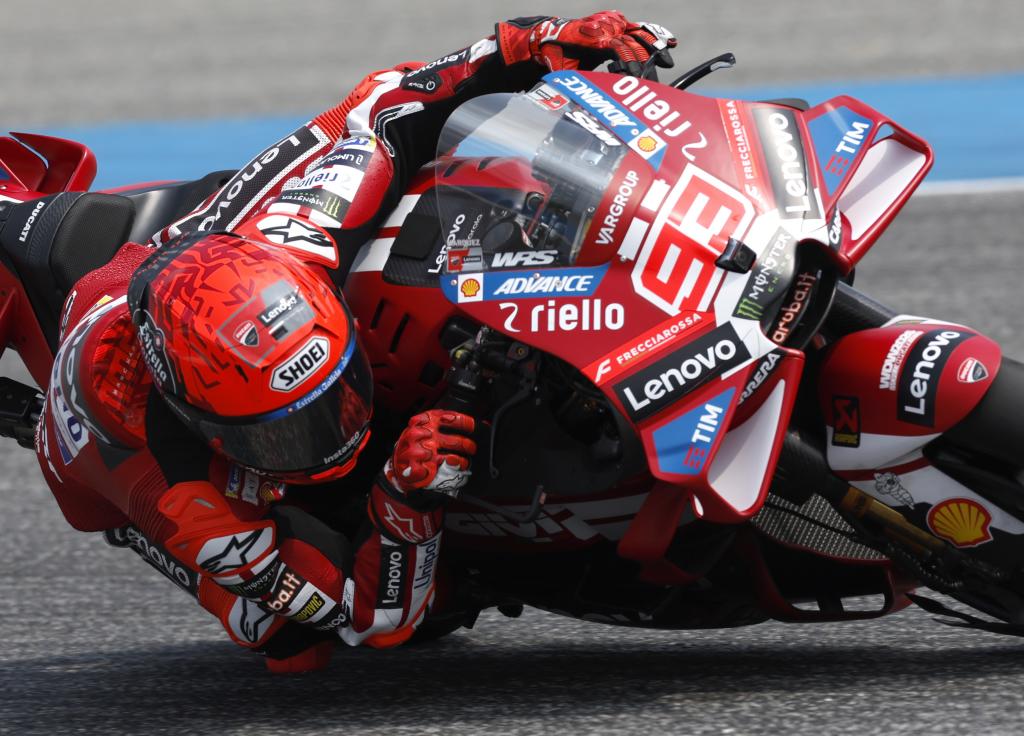
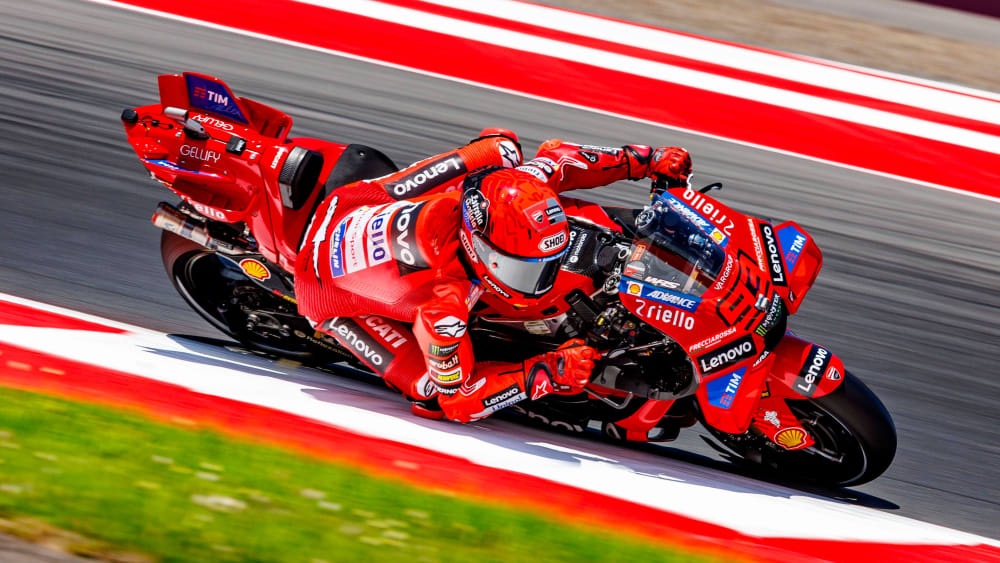
Marc Márquez's gear is a practical answer to an aggressive, high‑risk riding profile: a modern full‑face helmet with bespoke graphics, a one‑piece racing suit integrated with an electronic airbag system, and technical gloves and boots beneath. This article examines what is verifiably known about those elements, how they work together to protect a rider who repeatedly rides at the edge, and what the visible equipment choices tell us about safety and paddock practice.
Quick answer
Photographic and industry reporting identify Marc Márquez using Shoei helmets in recent seasons and employing event‑specific bespoke liveries; at the same time, he has used professional electronic airbag race systems such as Alpinestars Tech‑Air in documented incidents.
What this article explains
- How a Shoei full‑face helmet and special event designs function within a rider’s identity and protection stack.
- How electronic race airbags (Tech‑Air or D‑air) are integrated into one‑piece suits and what deployment timing means in practice.
- Practical paddock realities about bespoke graphics, suit integration and why equipment rotation is part of MotoGP logistics.
What stands out in Márquez’s visible kit
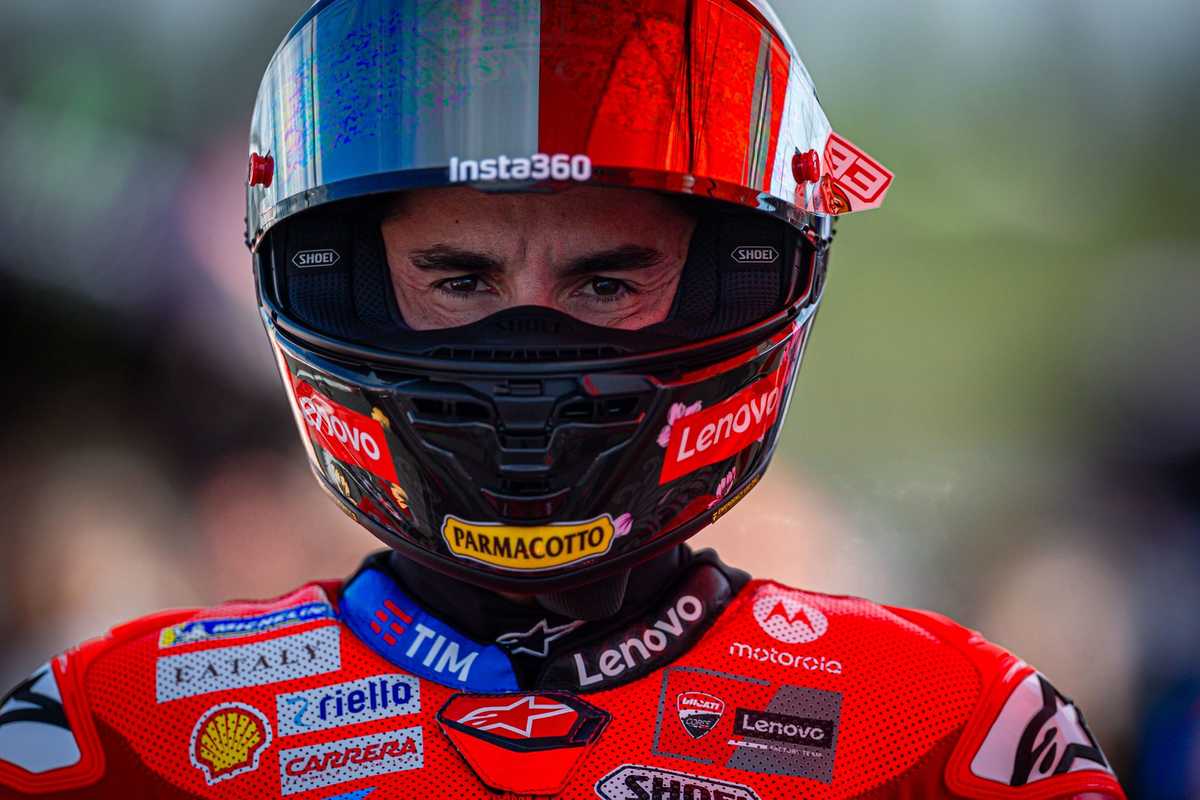
From official imagery and season helmet summaries, two practical facts stand out: Márquez has been identified using Shoei helmets in recent MotoGP season helmet allocations, and he regularly commissions special designs for specific Grands Prix. That combination — a long‑standing professional helmet brand plus bespoke graphics for events — is common at the top level because it separates technical function from visual identity: the shell and safety features remain stable while the livery is used for promotion and fan engagement.
Helmet choice and what it reveals
Verified reporting lists Shoei as Márquez’s helmet brand in recent season allocations. A Shoei full‑face helmet in MotoGP serves three concrete purposes: certified impact protection for high‑energy crashes, a stable platform for visor and tear‑off systems, and repeatable fit for rider comfort at race pace. The visible use of event‑specific helmet graphics (for example Austin and Motegi liveries) shows how riders retain one technical supplier while using special artwork for certain rounds—a practical separation of safety equipment and marketing activity.
Leathers, airbag systems and upper‑body protection
Top‑level MotoGP protection stacks pair a custom one‑piece leather suit with an integrated electronic airbag. Manufacturer documentation and industry reporting show the two principal race airbag systems in MotoGP are Alpinestars Tech‑Air and Dainese D‑air. Marc Márquez has publicly discussed and been associated with Alpinestars Tech‑Air deployments in documented incidents; Alpinestars and media coverage reported a Sepang Q2 deployment where the airbag fired hundreds of milliseconds before impact and reduced measured impact metrics. The essential takeaway: race airbags are engineered to detect a crash and deploy in fractions of a second to shield the chest, shoulders and torso before ground impact.
Gloves, boots and the contact points that matter
While specific glove and boot models for Márquez are not exhaustively documented in the verified block, the established protective stack for MotoGP riders includes technical race gloves and boots from specialist suppliers. In practice, gloves provide finger and knuckle protection plus tactile feedback for throttle and brake modulation; boots stabilise the ankle and protect the foot/heel in slides. These items are fitted to a rider’s preferences and are considered consumable race items due to abrasion and impact wear.
The hidden protection layer
Under the visible suit, certified armour and the electronic airbag form the key impact‑management layer. Manufacturer documentation for Dainese and Alpinestars describes how race airbags are integrated into the suit construction so deployment complements — rather than replaces — hard armour. The documented Alpinestars data for a Márquez crash shows an airbag deployment timeframe and the practical effect of lowering peak forces measured at impact, illustrating how the internal layers work together to reduce the biomechanical load on a rider in a high‑energy crash.
Suppliers, sponsors and brand continuity
Verified sources confirm Shoei as Márquez’s helmet brand in recent helmet listings. The airbag narrative is anchored by the two leading race systems — Alpinestars Tech‑Air and Dainese D‑air — both of which supply MotoGP riders at the factory level. Where imagery or press releases show special helmet liveries, those are promotional adaptations of a consistent technical supplier relationship. This pattern—stable technical supplier, flexible visual branding—explains why riders can maintain trusted protection while allowing teams, sponsors and riders to vary graphics for events.
Race‑weekend and season realities
MotoGP gear is both protection and consumable infrastructure. Verified reporting and manufacturer documentation imply the practical realities: suits incorporate electronics and require maintenance; airbags and helmets are inspected and replaced after deployments or heavy impacts; special helmet liveries are launched for particular rounds. While exact counts of helmets or suits per season for Márquez are not supplied in the verified block, the industry context makes clear that multiple helmets and at least several suit preparations are routine to cover practice, qualifying and race needs plus crash replacements.
What Márquez’s equipment choices tell us
The verifiable facts create a focused picture: Marc Márquez uses a Shoei helmet in recent seasons and pairs race leathers with professional electronic airbag systems in line with top‑level MotoGP practice. That pairing reflects the priorities of elite racing—reliable certified head protection, integrated torso impact mitigation and the operational flexibility of bespoke graphics. Crucially, documented airbag deployments tied to Márquez show how modern race systems can and do change measured impact loads in real incidents, which is the clearest practical link between equipment choice and injury mitigation for an extreme riding style.
Author: William L.