How Jack Miller’s Riding Style and Track Reading Define His MotoGP Signature
Jack Miller is one of MotoGP's most recognisable technical signatures: an aggressive, sideways approach that blends late braking with an ability to provoke slides and change how a machine turns. This article breaks down what that style actually means on track, how it shapes his race behaviour and adaptation to different motorcycles, and why peers and commentators find it hard to copy.
Quick summary: Journalists, technical commentators and fellow riders consistently describe Miller as comfortable getting the rear end sideways, using late, strong braking and an arm/positioning style that influences how a bike turns. He adapts his technique to different manufacturers and track conditions.
Quick access
First technical reading·Braking and corner entry·Mid-corner and line choice·Adaptation to bikes and conditions·Racecraft and duels·Closing interpretation
FIRST TECHNICAL READING OF THE RIDER
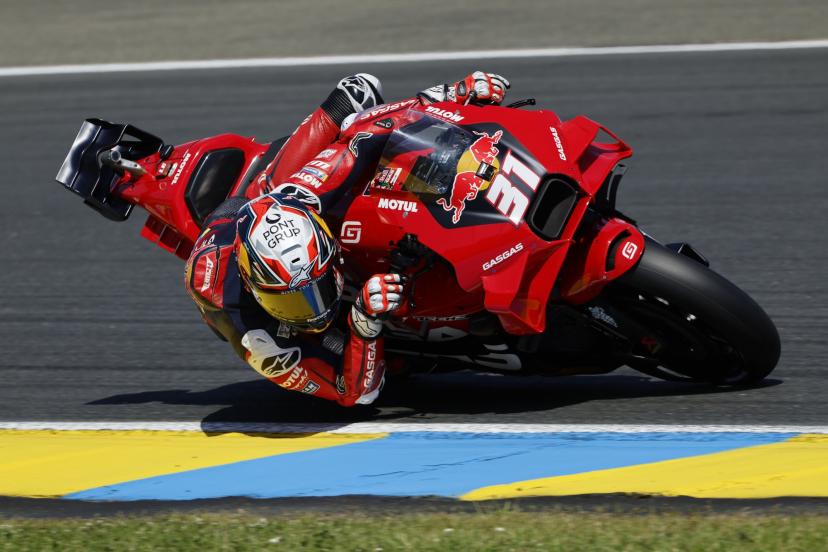
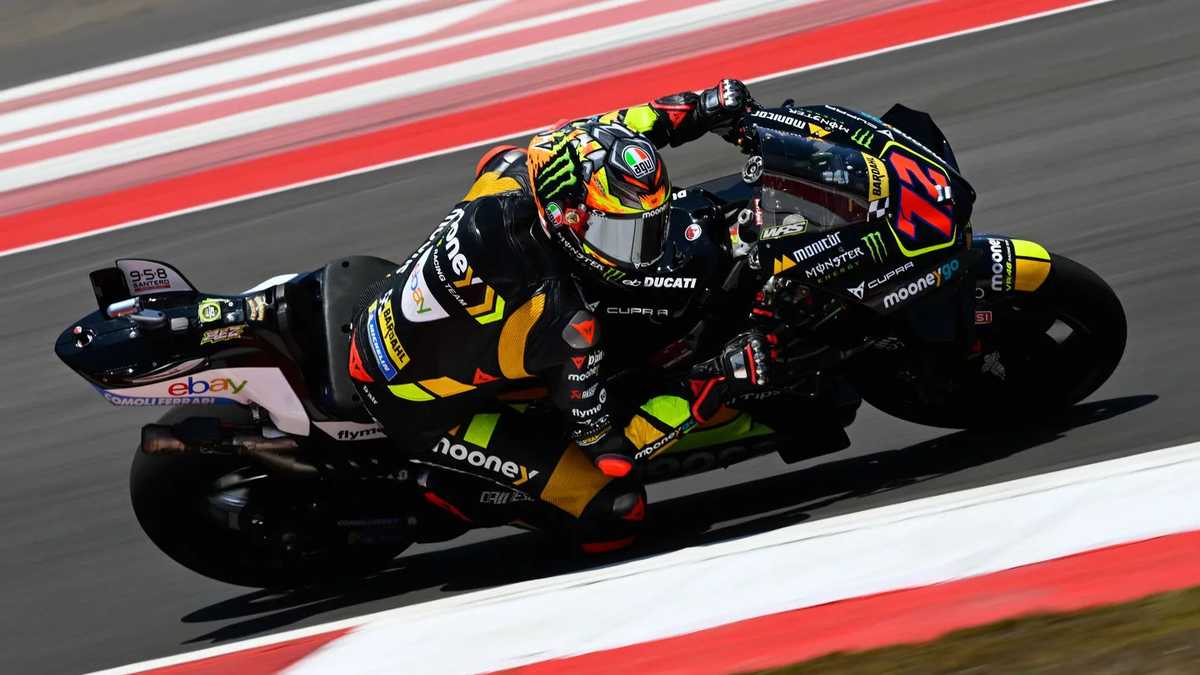
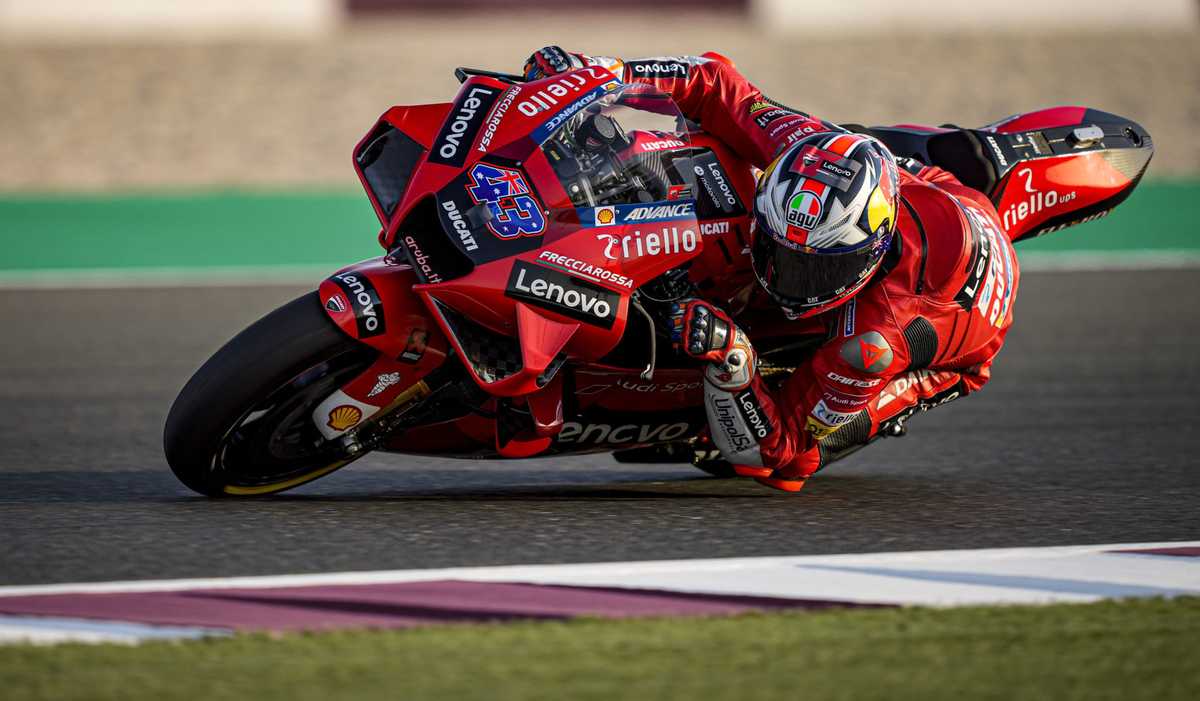
The immediate, consistent observation from journalists and technical commentators is that Miller rides in an overtly aggressive, sideways manner. That shorthand — "comfortable getting sideways" — points to a rider who frequently uses controlled rear slides as part of his pace-building toolkit. Observers also note visible contrasts in his arm and body position compared with more conventional, stable styles.
BRAKING AND CORNER ENTRY
Multiple sources describe Miller as a strong, late braker. His braking approach is linked to commitment: he tends to brake deep and decisively, which sets up the bike for sharper rotation into the corner. That aggressive entry behaviour forces the chassis and tyres to respond differently than they would to a smoother, earlier deceleration.
MID-CORNER AND LINE CHOICE
Through the middle of turns Miller's willingness to let the rear step out changes the trade-off between corner speed and rotation. Technical commentary highlights that his inputs—body placement, throttle modulation and willingness to slide—can make a machine "turn" in ways other riders do not achieve. Peers have remarked this is difficult to replicate, underlining that his style alters line choices and mid-corner balance compared with riders who prioritise tighter, less-slippery mid-corner grip.
EXIT TRACTION AND TYRE MANAGEMENT
Analysts and team commentary frequently put tyre management and rear-tyre behaviour into conversations about Miller. His slide-oriented technique is effective for provoking rotation and quick exits when controlled, but it also places clear demands on rear-tyre management. Technical coverage has discussed how tyre wear and rear traction are recurring topics when evaluating his race stints, especially across races or conditions that expose rear degradation.
RACECRAFT AND DUEL INTELLIGENCE
Observers and peers note that Miller's unusual inputs influence how he conducts overtakes and defensive moves. A riding style that produces pronounced rotation can unsettle rivals who expect different lines or less lateral movement. That behavioural edge—being able to make a bike behave atypically—has tactical value in close duels and explains why other riders sometimes find his approach hard to model or counter on track.
ADAPTATION TO BIKE, TYRES, OR CONDITIONS
Miller has publicly acknowledged that different manufacturers' machines require adjustments to his natural technique, and reputable reporting records him saying some bikes do not naturally fit his style. Technical pieces and interviews confirm he adapts his riding to extract performance from varying chassis and engine characteristics. Commentators also link his profile to particular conditions where his techniques can excel, such as on machines or track situations that reward rotation or when low-grip moments favour a rider who can manage slides.
HARD FACTS AND DEFENSIBLE CLUES
Feature interviews and technical analysis across motorsport outlets repeatedly frame Miller's style as distinctive and well-documented. Peers like Luca Marini have described the difficulty of copying his inputs, and long-form profiles map his arm and body positions, braking habits and slide use against other top riders. While publicly available telemetry is not present in those sources, the consistent eyewitness and technical commentary across outlets provides a defensible basis for the profile outlined here.
CLOSING INTERPRETATION
Jack Miller's signature in MotoGP is not a single trick but a cluster of observable, repeatable behaviours: late, aggressive braking; an appetite for rear slides; and body and arm inputs that change how a bike turns. That package gives him tactical advantages in certain scenarios and forces both rivals and manufacturers to account for a rider who adapts when machinery does not naturally match his instincts. For students of riding technique, his profile is valuable: it highlights how a persistent personal style can reshape machine behaviour and race dynamics, and why that style can be technically hard for others to replicate.
Author: William L.