Aprilia RS-GP MotoGP: a technical reading of its dynamic identity
The Aprilia RS‑GP in MotoGP terms is a factory V4 prototype whose recent identity is defined as much by aggressive, iterative aerodynamics as by concurrent engine and chassis development. Understanding the RS‑GP means reading how large aero packages, V4 architecture and chassis choices combine to change stability, steering effort and rider setup demands.
Quick answer
The RS‑GP is a V4-based factory prototype that has prioritised an aero-led development path: large, integrated winglets and evolving fairing concepts create downforce and stability, and Aprilia pairs this with engine and chassis changes to manage the trade-offs in steering and balance.
What you will learn here
- How Aprilia’s aero emphasis shapes handling and rider feedback.
- What the V4 powertrain means for the bike’s development direction.
- How chassis and electronics have been adapted to balance added aero loads.
Quick access
Visual reading of the machine
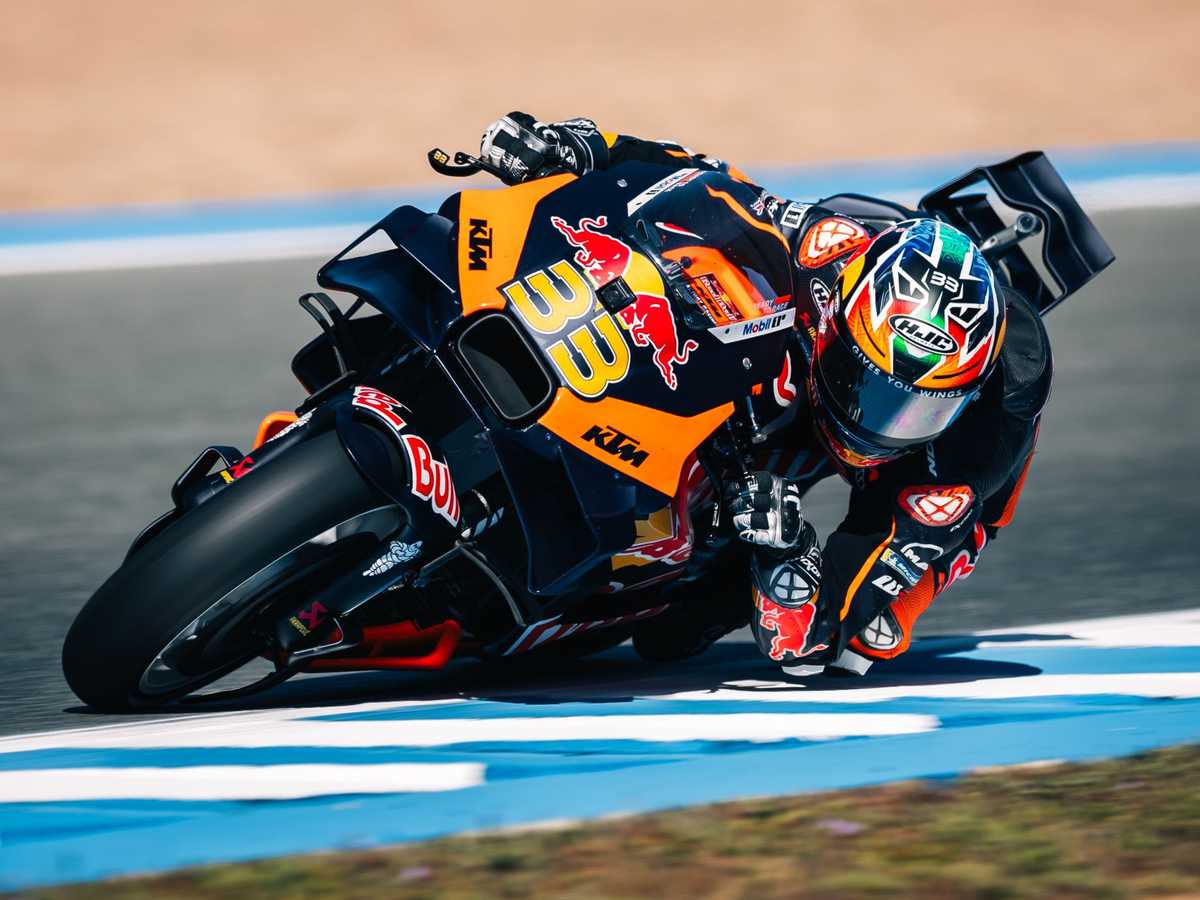
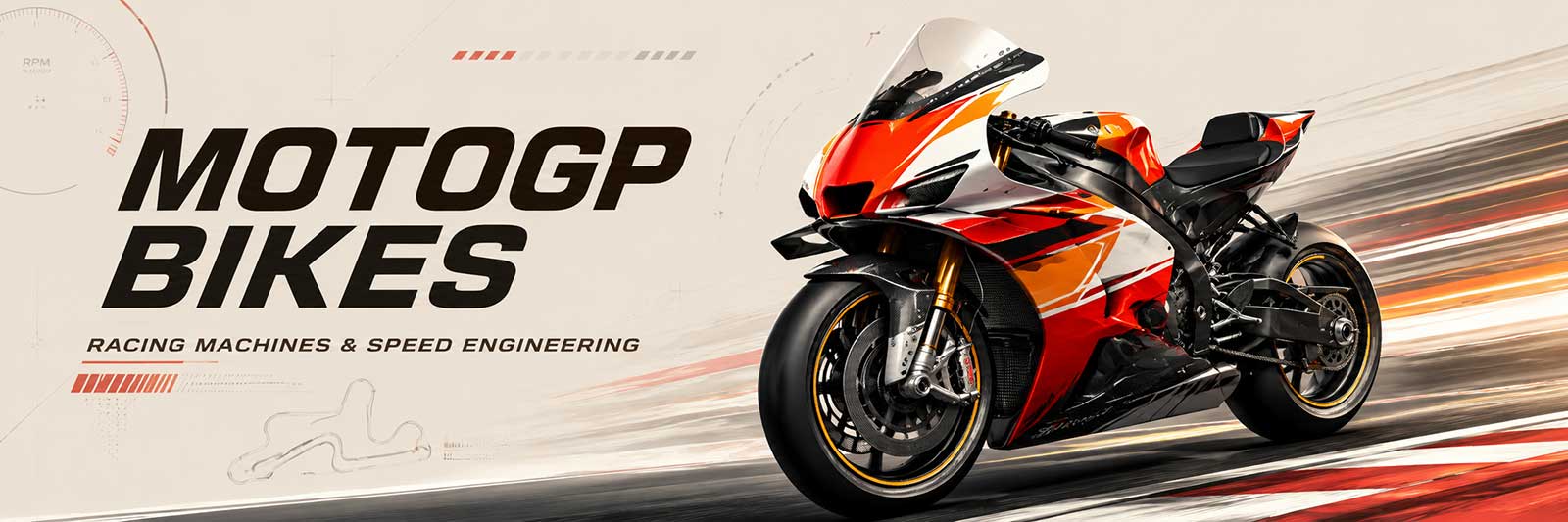
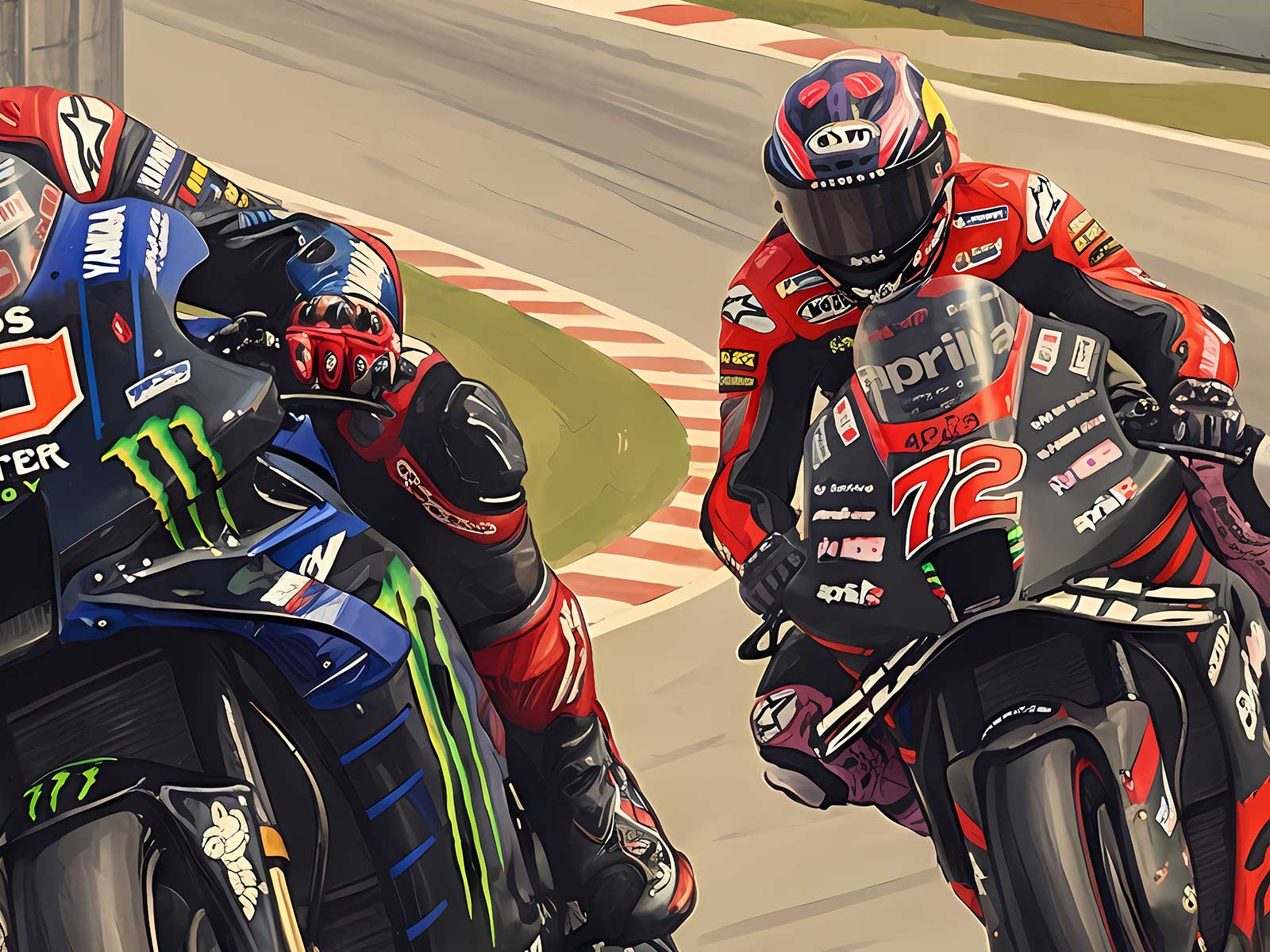
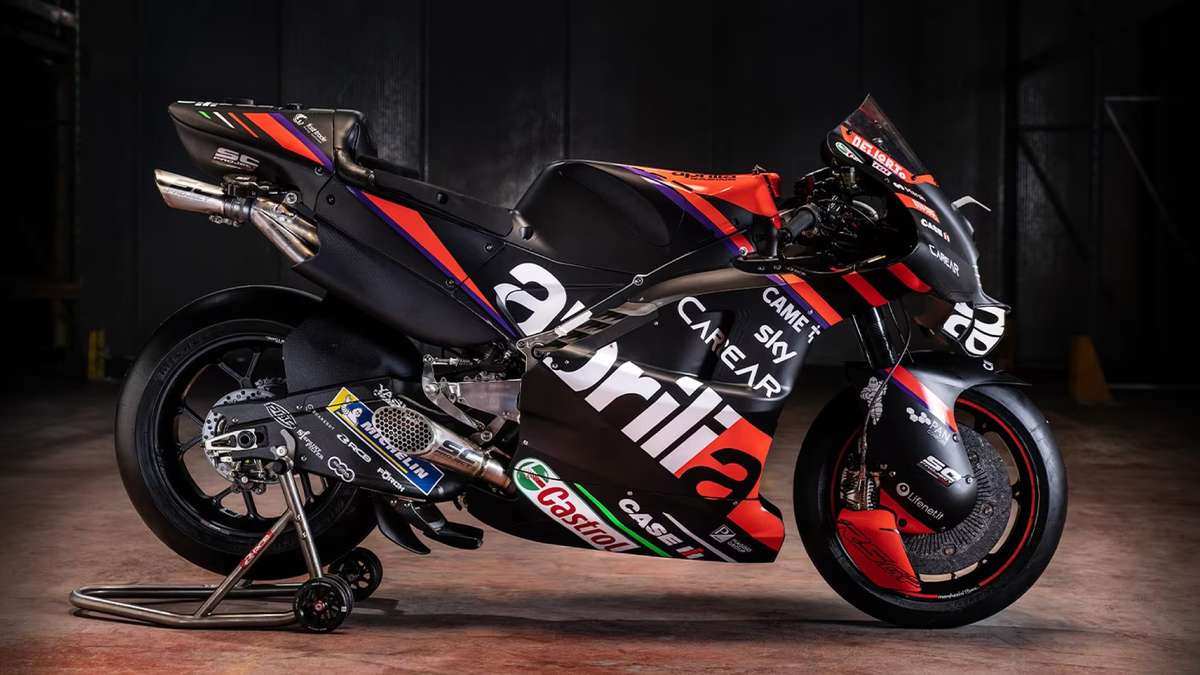
On sight the RS‑GP is an aero-forward prototype: wide integrated winglets, sculpted front fairings and evolving tail geometry have been consistently visible at official tests (Valencia, Jerez, Sepang and others). Those changes are not cosmetic—they are iterative experiments in downforce distribution and airflow control that Aprilia has repeatedly introduced and refined across 2023–2026 development cycles.
Engine layout & drive character
Aprilia’s RS‑GP uses a V4 powerplant. While precise internal dimensions and some detailed engine internals are not publicly disclosed, Aprilia has confirmed the V4 architecture and described continuing engine development alongside aero and chassis work for recent seasons, including 2025–2026 evolutions. The factory posture is therefore a concurrent development path: aero, chassis and engine are evolved together rather than treated as separate packages.
Chassis balance and turning feel
Team engineers have acknowledged that increased aerodynamic downforce brings an unavoidable trade-off: more load at speed helps stability and cornering grip but can raise steering and turn-in effort. Aprilia’s response has been to adjust chassis geometry, setup and electronic settings to manage that extra aerodynamic load so riders can still achieve usable turn-in without excessive effort. Test activity shows the team swapping tail and fairing options to refine rider-preferred balance.
Aero, bodywork & packaging
Aprilia led a visible aero development programme: integrated winglets, ground-effect-style fairing shapes and novel appendages have been introduced at multiple tests. The team’s changes are iterative—Valencia, Jerez and Sepang tests demonstrate small, frequent updates—and include experiments inspired by concepts from other categories, such as F‑duct ideas adapted for motorcycle use.
Technically, these aero items increase downforce and longitudinal stability but also change front-end load and steering feedback. Aprilia’s aerodynamic work therefore requires paired changes in chassis compliance and electronic intervention so the rider perceives a coherent machine rather than conflicting inputs from aero and mechanical grip.
Electronics and control layer
While exact electronic maps and strategies are not published in the sources, Aprilia’s engineering commentary makes clear that electronics are part of the solution to aero-induced handling changes. The team adapts electronic settings to compensate for altered load paths—modulating traction control, engine braking and other rider aids—to keep the bike controllable when downforce levels and aerodynamic balance change between packages.
Braking, tyres, and track contact
Published test reports show Aprilia balancing its aero and chassis choices with tyre and contact behaviour in mind. Increased aero downforce can reduce tyre slip angles at high speed and shift load during braking; Aprilia’s iterative approach includes tail and fairing swaps that aim to stabilise contact patches under varied loads. The team also tunes chassis setup so tyre heat and wear remain within usable windows despite changing aerodynamic downforce.
Development path and technical evolution
The RS‑GP’s evolution since 2023 has been steady and visible: new aerodynamic concepts introduced at tests, continued engine development announced in official Aprilia material, and chassis updates documented in MotoGP coverage. Key personnel and engineers have publicly discussed the need to marry aero gains with manageable steering and chassis behaviour, demonstrating a development philosophy that treats aero as a leading variable rather than a bolt-on afterthought.
Rider workload and setup demands
Riders including factory riders have given feedback that highlights both benefits and trade-offs: the aero packages improve stability at speed but can force alterations in riding style and setup choice to limit steering heaviness. The team’s practice of swapping tail units and aero elements in tests reflects a search for the combination that minimises additional rider workload while preserving aero gains.
Closing interpretation
What the RS‑GP really is, in MotoGP terms, is a V4 prototype that has chosen aerodynamics as its defining lever. Aprilia’s technical identity for the RS‑GP is not only the presence of big wings and sculpted fairings but the integrated programme that pairs those aero gains with engine development, chassis adaptation and electronic tuning. The result is a machine whose on-track personality is shaped by deliberate trade-offs: clearer high-speed stability and downforce benefits balanced by the engineering work required to keep steering, tyre contact and rider input harmonious.
Author: William L.