Losail Qatar: A technical lap reading — where time is won and lost
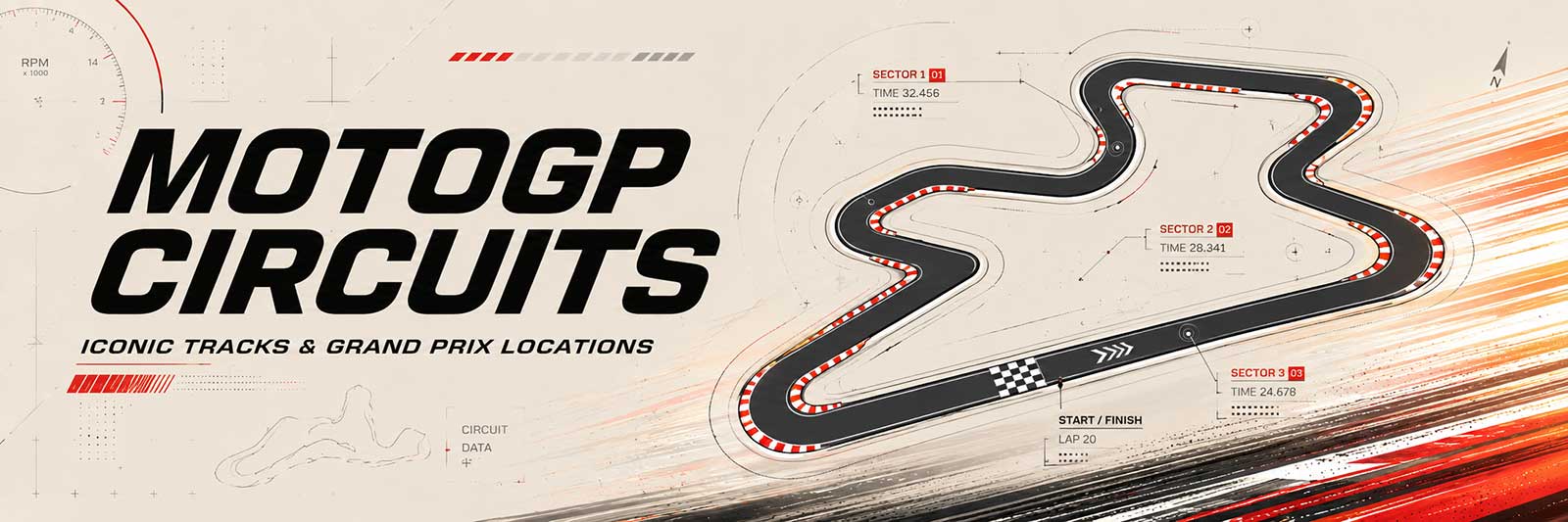
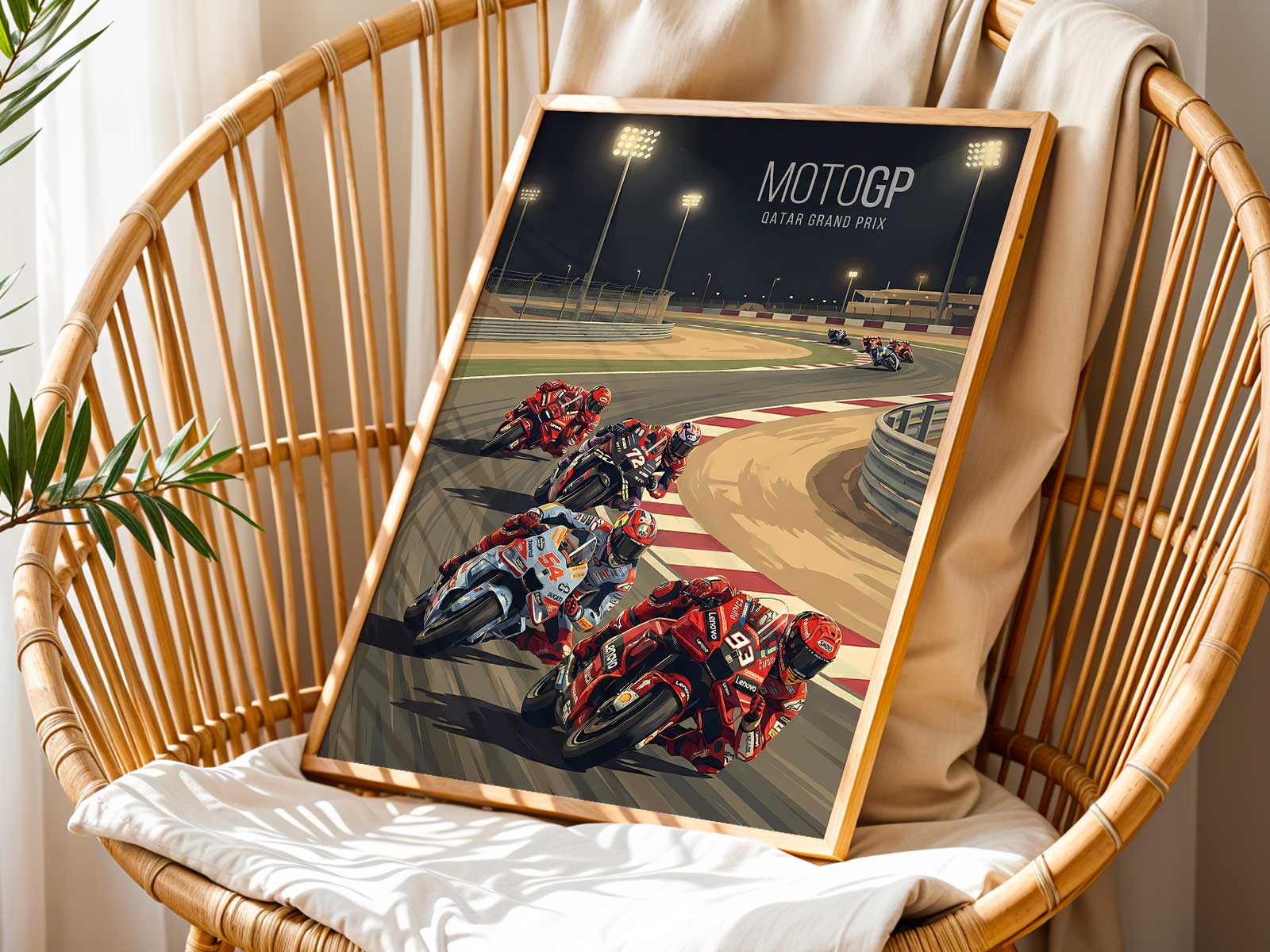
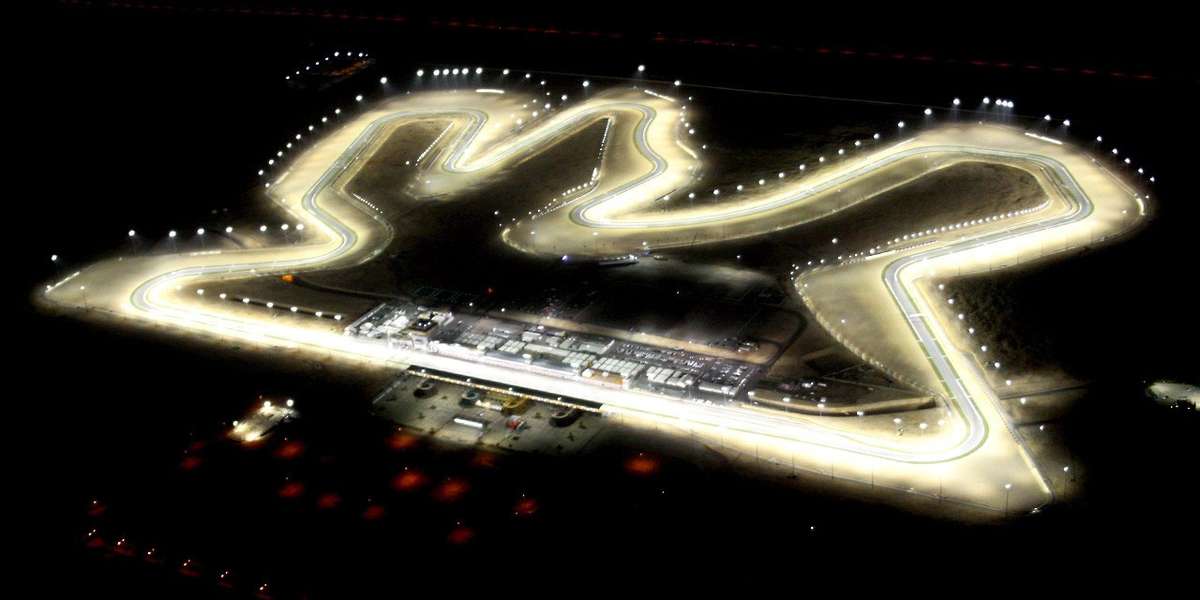
Losail (Lusail) International Circuit in Qatar is one of MotoGP's definitive tests: a 5.4km venue with a very long main straight, 16 corners and a mix of high-speed sweepers, technical mid-speed sections and heavy-braking slow turns. This circuit asks riders for clean entries, measured exits and relentless rear-tyre management — the combination that shapes both lap time and overtaking down the straight.
Quick summary
Losail's identity is built around its long straight and the heavy-braking into Turn 1, supported by linked mid-sector complexes that punish poor direction changes and several exit-critical corners that feed the run back down the straight. Set-up is a compromise between high-speed stability and rear traction for acceleration.
Reader preview
- Where the lap begins to take shape and why Turn 1 matters most for overtakes.
- Which mid-section sequences demand gearbox work and clean direction changes.
- How exit speed from the final corners defines slipstream opportunities on the long straight.
Quick access
Where the lap really begins
On paper a lap starts at the line, but for a MotoGP rider the lap truly takes shape from the first time the bike must balance high-speed stability and early braking confidence. At Losail that tone is set immediately by the long main straight — the long run creates a heavy-braking, single most decisive point: the approach to Turn 1. The main straight does more than offer top speed: it defines how the entire lap is ridden because the speed carried into Turn 1, and the way a rider sacrifices or protects exit, shapes strategy for the next sequences.
The first complex and early rhythm zone
After the initial braking into Turn 1 riders must manage the transition from a hard stop into a sequence of medium-speed corners. These early corners are where tyre temperatures stabilise and direction changes establish rhythm. The emphasis here is on clean turn-in and precise body positioning: any imprecision costs exit speed, and with the long straight back later in the lap, small exit losses compound into larger deficits through the sector.
The heavy-braking core
Losail's heavy-braking moments are concentrated at the end of the straight and within the slower mid-to-late sector hairpins. The long straight into Turn 1 is the primary overtaking opportunity — brake stability and the ability to delay without upsetting the front end are essential. Equally, the hairpin-like slow corners elsewhere in the lap demand a soft touch on the rear tyre when applying drive out of the apex: too abrupt and a rider will spin the rear or scrub precious speed.
Linked corners and sequence logic
Where Losail becomes a test of lap-construction is in its linked complexes. Several medium-speed direction changes require not only precise line choice but also considered gearbox work and throttle modulation. A compromised entry into one corner forces a tighter exit, which then makes the subsequent corner's entry unstable — mistakes travel here. The rider's ability to plan an exit that feeds the next apex cleanly is what separates a single fast lap from a consistent race pace.
The exit zones that build the straight
Because the main straight is so long, exit speed from the final corner(s) before it is disproportionately valuable. Teams focus set-up on rear traction and a predictable power delivery to ensure a smooth, controlled application of throttle. A good exit not only produces a higher top speed but also creates slipstream and overtaking options for the braking into Turn 1. Conversely, a compromised exit hands opponents an easy aerodynamic advantage.
The section that most clearly reveals the track's identity
Losail is revealed by the contrast between its very fast sweepers and the technical mid-sector. The long straight and the consequent heavy-braking into Turn 1 give the circuit its overtaking narrative, while the mid-sector complexes force mechanical and electronic balance. The desert environment — sand and variable temperatures — magnifies these demands by affecting grip and tyre life, making precision across each linked corner even more critical.
The final sector and last decision points
The lap closes with corners that demand calm, measured exits. The last sequence feeds the long straight and is the last opportunity to set up a lap time or an attack. Riders must judge rear-tyre patience here: too aggressive on exit and the tyre overheats or slides, too conservative and the chance for a slipstream or DRS-aided pass is lost. In races, these final moments often decide who can stay in the tow or who must fight through the pack.
What the full lap tells us
Viewed as one continuous ride, Losail is a test of compromise: between outright top speed and the traction needed to exploit it; between aggressive late braking for overtakes and the consistency needed to manage tyres over a race distance. Teams and riders prioritise stable turn-in, smooth changes of direction, deliberate gearbox work and reliable rear traction. Get those pieces right and you unlock both single-lap performance and racecraft options down the long main straight.
Author: Cynthia D.