Do you have what it takes to be a MotoGP rider?
Yes — but only in a very specific sense. An ordinary rider can aspire to a MotoGP career, and some of the traits needed can be trained, yet the route is strict: age and medical licences, results in formal feeder series, and years of junior experience. The short answer is "possible, not automatic"; the longer reality explains why most riders must fit into a narrow, regulated development ladder to get a real shot.
The realistic answer
Becoming a MotoGP rider requires meeting formal FIM licence and medical rules, demonstrating top performance in recognised feeder series, and following a documented development ladder — factors that make the pathway structured rather than open-ended.
What this article explains
- What "having what it takes" actually means under FIM and MotoGP rules.
- The critical abilities and which are most trainable.
- The formal pathway and why early junior-series results matter.
- Physical, medical and selection constraints that narrow the field.
What becoming a MotoGP rider actually requires
There are two different things behind the dream: the regulatory eligibility to ride Grand Prix motorcycles, and the competitive reality of earning a seat. Regulation-wise, a rider must hold an FIM international racing licence issued by their national federation and be medically cleared — licences require minimum ages and fitness checks. Competitively, MotoGP organises and recognises a structured "Road to MotoGP" where specific feeder series are the established path toward Moto3, Moto2 and then MotoGP.
The abilities that matter most — and which are trainable
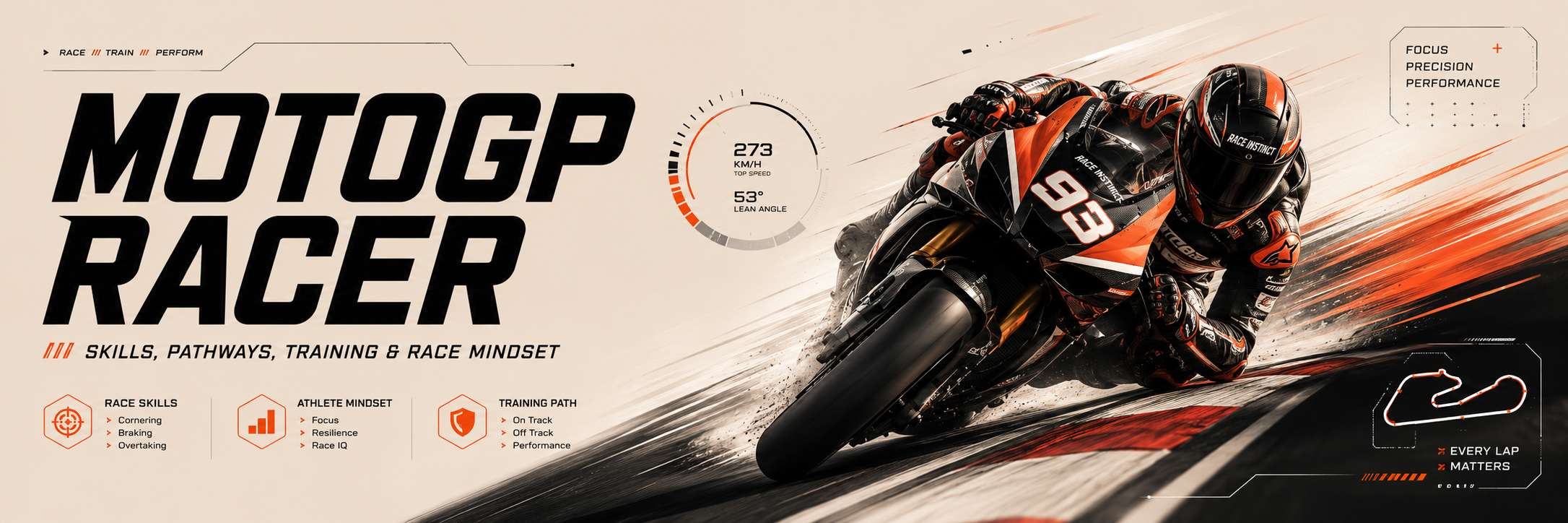
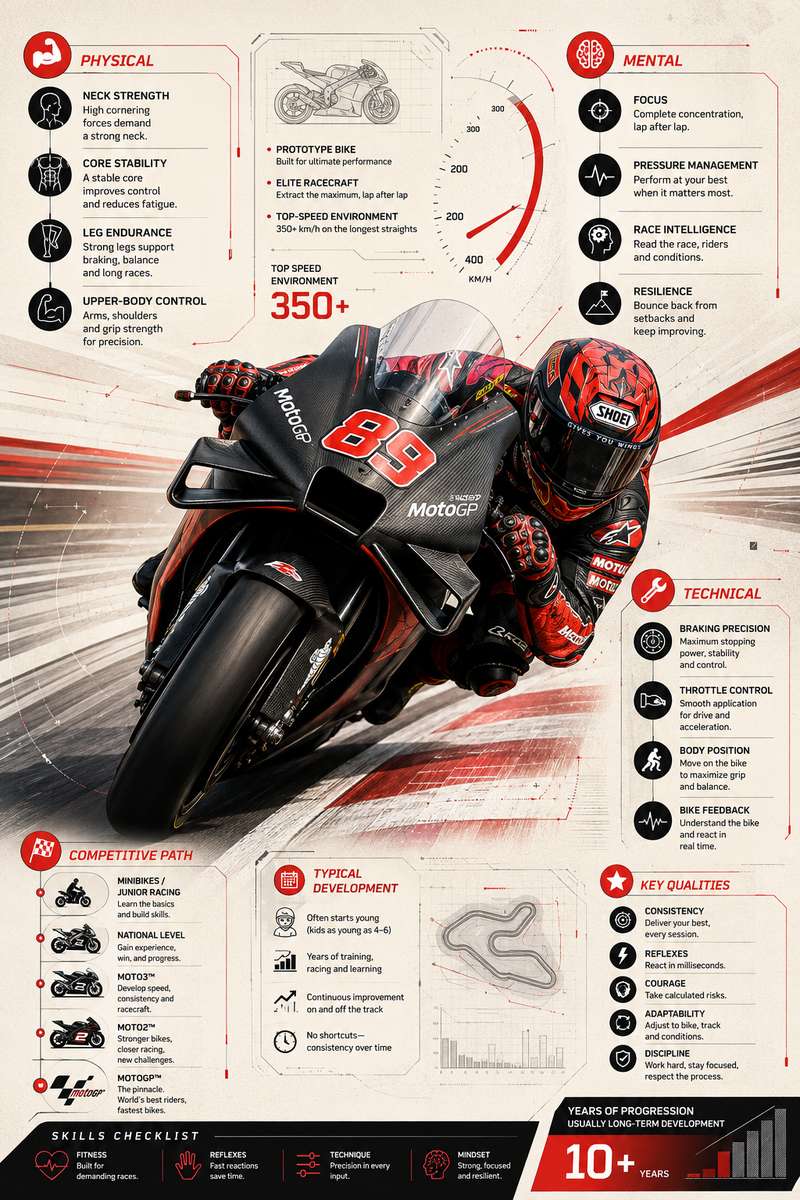
Teams and talent programmes focus on a set of attributes that show up reliably in high-level junior racing: precise bike control, racecraft (overtaking, race intelligence), physical conditioning (cardio, neck and core strength), and mental resilience. These traits are developed over years of youth and minibike competition and targeted professional training. Some are highly trainable — fitness, braking technique, corner entry and racecraft practice; others accumulate slowly through race experience and exposure to pressure situations.
Physical and mental load: what the rules and experts emphasise
Official guidance and reputable programmes stress that medical fitness-to-race is mandatory. The FIM medical code sets the standard for certification — organisers require riders to be medically fit to compete. Practically, that means a rider must be capable of the sustained physical and cognitive demands of prototype-style competition: strength in the neck and core, cardiovascular conditioning, and the mental capacity to make rapid, repeatable decisions under fatigue.
Age, exemptions and why early progression matters
MotoGP rules include minimum ages for classes and offer specific exemptions for top performers in recognised junior series. That structure makes early success in feeder categories significant: strong results in talent series can accelerate a rider's eligibility for higher classes. Because many current riders progressed through minibikes, national championships and formal junior cups, late entry from outside these systems is uncommon and makes the climb steeper.
The development path: how the Road to MotoGP is formalised
MotoGP's official Road to MotoGP highlights specific feeder competitions — notably the Red Bull MotoGP Rookies Cup and the FIM Moto3 Junior World Championship (JuniorGP) — as primary talent-development series. These programmes act as recognised stepping stones: results there are the most visible proof of readiness for Moto3 and above. The FIM and MotoGP organisers also run incentive and support programmes to formalise advancement and help with administrative and sometimes financial transitions between levels.
What schools, academies and talent programmes actually do
Racing schools and academies provide coaching, selection and exposure, but they are not a guaranteed ticket upward. Official talent identification programmes and incentives help spot candidates and can support transitions, yet earning a seat in Moto3/Moto2 or MotoGP still depends on race results, licences, medical eligibility and the limited availability of competitive seats.
Money and access: why funding and opportunity matter
While the verified facts do not list precise costs, the documented pathway and incentive systems imply that funding, team availability and timing influence progression. Formal support programmes exist, but the pathway favours riders who can combine performance in feeder series with the administrative and medical eligibility required by FIM and national federations.
The talent funnel: why many promising riders never reach MotoGP
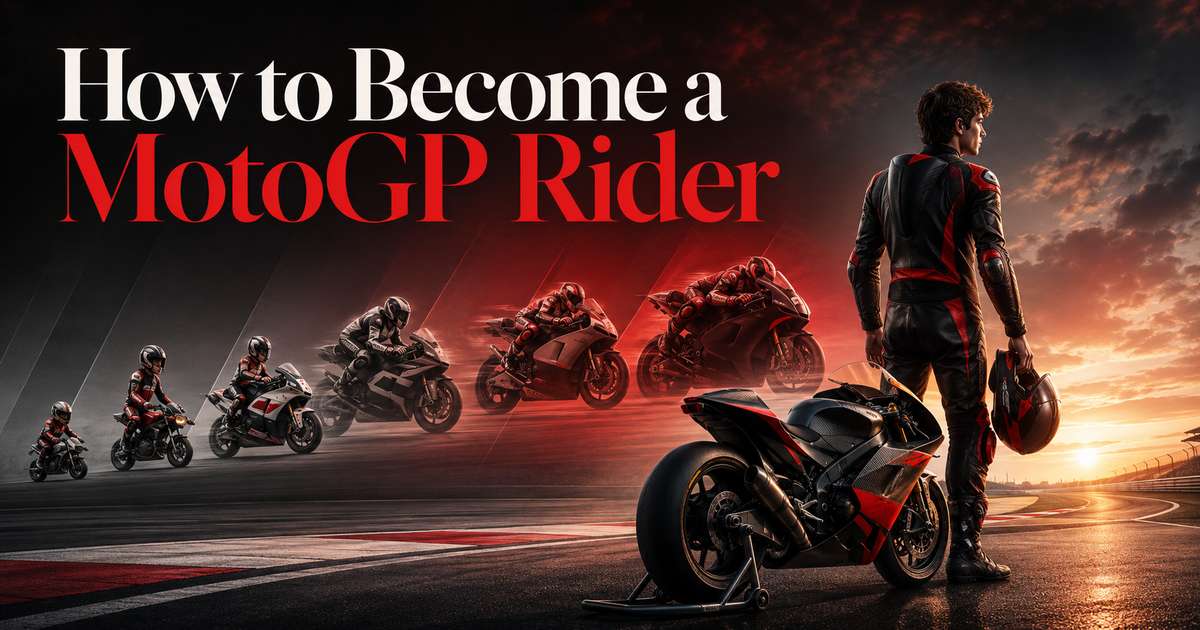
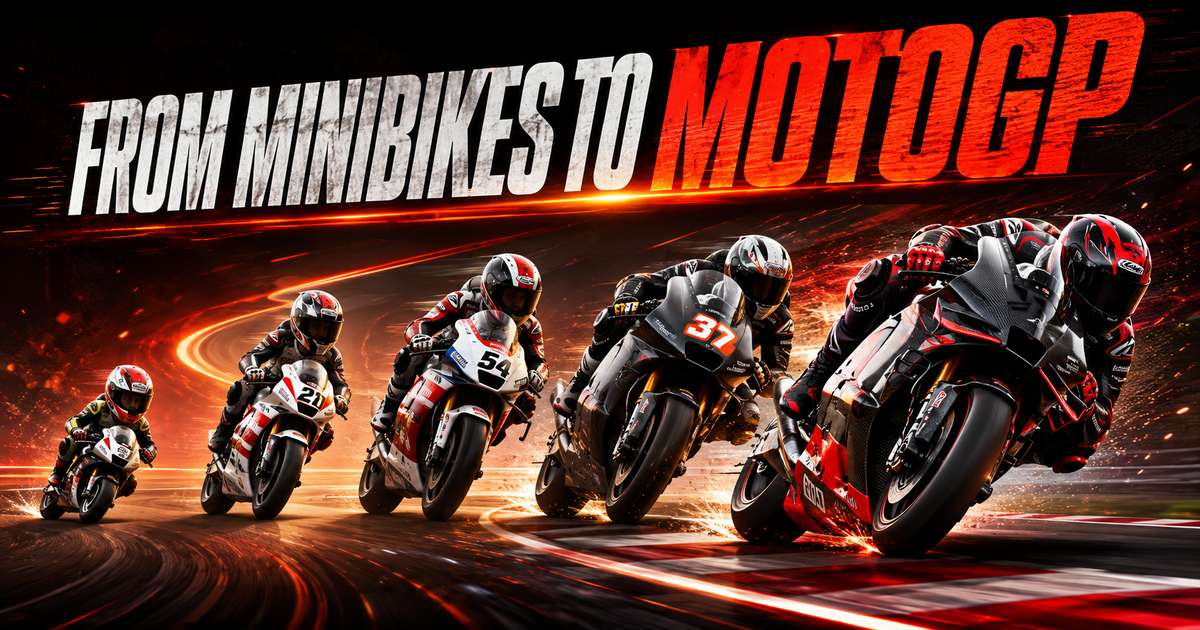
The combination of strict licensing rules, minimum-age regulations, the emphasis on feeder-series results, and limited seats creates a narrow funnel. Exceptional performance in recognised junior categories and medical eligibility are both necessary to advance; without both, a rider's chances are significantly reduced. The documented progression followed by many current riders — minibikes, national/regional championships, Rookies/JuniorGP, Moto3, Moto2 — is the typical route into that funnel.
Could an ordinary rider become a MotoGP rider?
"Ordinary" is not defined in official sources, and the verified facts do not quantify odds. What the documentation makes clear is this: riders who reach MotoGP overwhelmingly follow the formal development ladder and meet FIM licensing and medical requirements. An ordinary rider who lacks years of junior competition, the required age progression, or the demonstration of high results in feeder series faces significant barriers. Some attributes can be trained, but the pathway itself — governed by age, licences and results — is structural and selective.
Practical next steps if you want to test yourself
If the goal is to pursue the professional ladder responsibly, the verified sources point to two practical realities: first, ensure you understand and can meet the FIM/national licensing and medical requirements for competition; second, aim for recognised feeder series where performance matters for progression. Talent programmes and incentives exist to assist strong performers, but they operate within the same regulated framework: age rules, medical fitness, and official results in recognised series.
Final verdict: ambition versus structure
Do you have what it takes? Possibly — if you can satisfy three non-negotiable conditions: medical and licence eligibility under FIM rules, demonstrable top performance in recognised feeder series, and the willingness to follow the long, structured development ladder that most MotoGP riders take. The pathway is not an open talent market where raw enthusiasm alone is enough; it is a regulated, performance-driven system that rewards early results in formal junior competition and verified medical fitness.
Author: Cynthia D.