marcmarquez: Studying his helmet, leathers and airbag — how kit suits an…
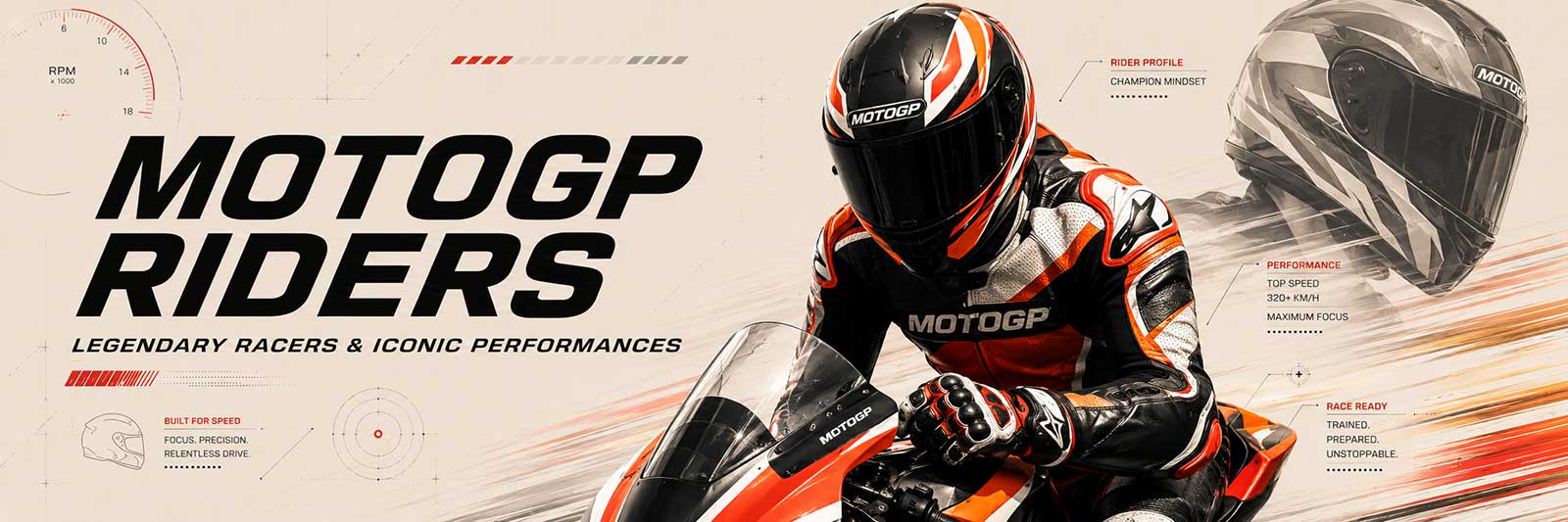
Marc Márquez's equipment choices are a direct response to the demands of an aggressive, high‑load riding style. From the helmet shell to the integrated airbag, the visible kit on track reflects functional priorities: impact management, mobility at extreme lean and rapid replacement after incidents.
Quick answer
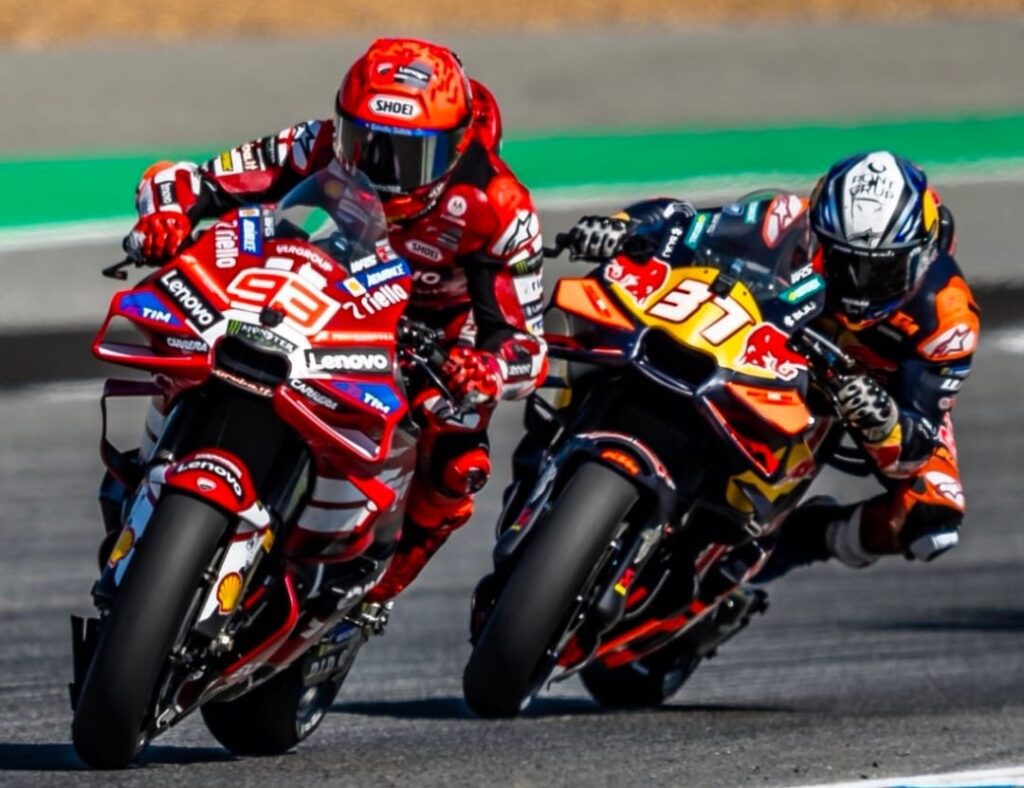
Photographs and manufacturer materials verify that Marc Márquez uses Shoei helmets and Alpinestars race leathers with Alpinestars Tech‑Air airbag systems; those choices prioritise tested impact protection and an integrated airbag solution tailored to high‑energy MotoGP crashes.
What this article explains
- How Shoei and Alpinestars appear in Márquez's visible equipment map.
- What Tech‑Air airbag integration adds to a race suit for high‑force incidents.
- Why these suppliers make practical sense for an extreme riding profile.
What the kit immediately tells us
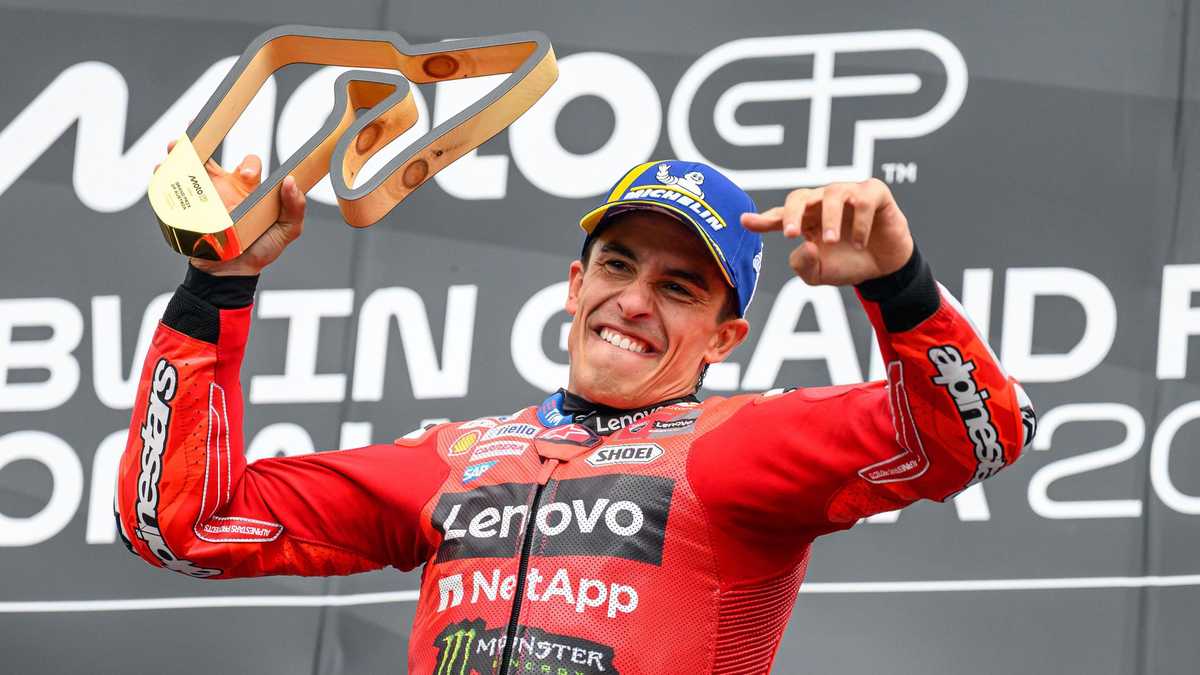
The most evident fact is supplier continuity: recent season roundups and manufacturer catalogues list Marc Márquez wearing Shoei helmets and Alpinestars suits. That combination signals an emphasis on established, race‑grade systems rather than ad‑hoc choices. In MotoGP terms this means a helmet from a specialist race brand and a suit built around integrated airbag technology — both designed to survive the particular impact patterns of top‑level crashes.
Helmet choice and what it reveals
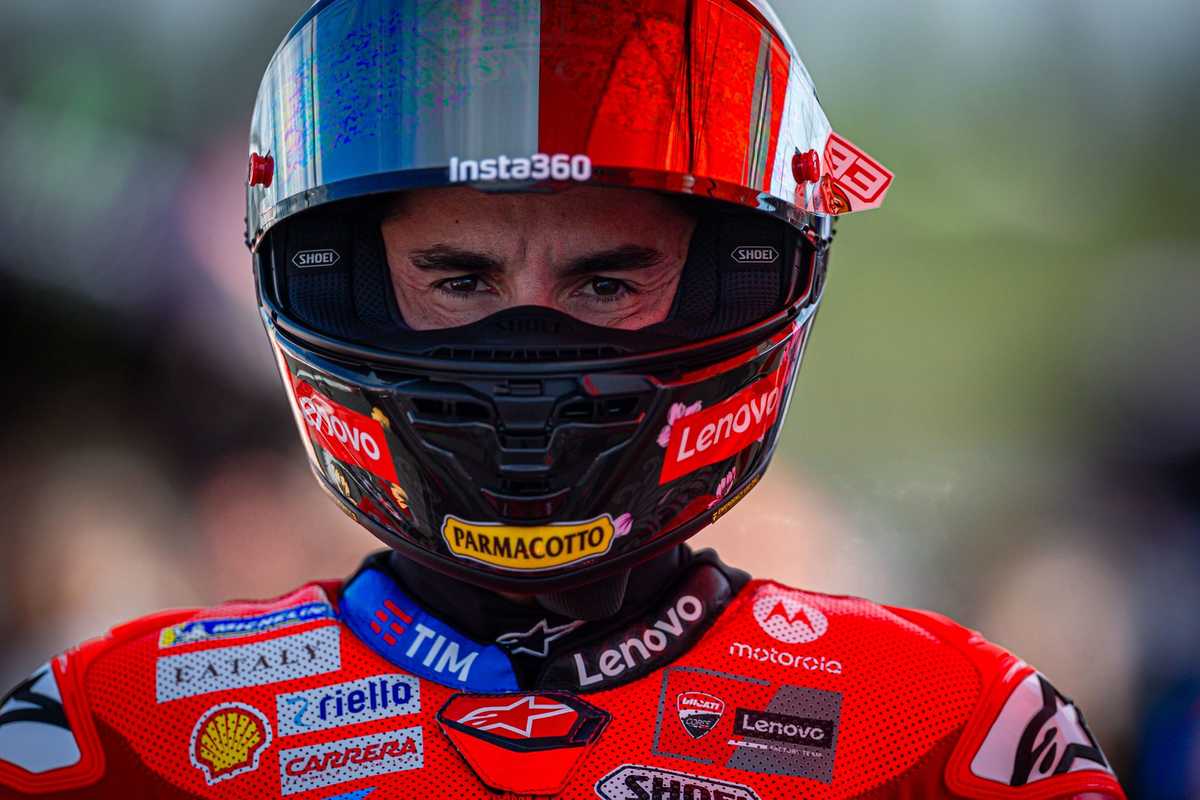
Shoei is documented as Márquez's helmet brand in season equipment roundups and in Shoei catalogues that carry Márquez graphics. A Shoei race helmet offers a high‑performance shell, multi‑density liner options and aerodynamic work tuned for MotoGP speeds. For a rider with an aggressive style, the priority is a helmet shell and visor system that combine stable aerodynamics, reliable impact protection and consistent fit across long sessions.
While specific Shoei model SKUs used by Márquez at every event are not verified in the available material, the visible association with Shoei and inclusion in official catalogues confirms a formal supplier relationship that aligns with top‑level racing needs: consistent manufacturing standards, helmet homologation and documented race usage by leading riders.
Leathers, airbag systems and upper‑body protection
Alpinestars is verified as Márquez's suit provider. Alpinestars promotes race suits that integrate with its Tech‑Air autonomous airbag systems — a technology explicitly derived from MotoGP development. The Tech‑Air systems are intended to protect chest, back and shoulders during high‑force incidents and are presented by the maker as suitable for highly dynamic riding profiles.
For a rider who often pushes traction and body position to extremes, the combination of a tailored leather suit and a proven airbag system reduces blunt trauma to the torso and helps manage energy transfer in a crash. Documentation shows Márquez has discussed and demonstrated the Tech‑Air race airbag system in the past, supporting the view that this is a substantive part of his protective setup rather than a cosmetic add‑on.
Gloves, boots and contact points
While the verified material focuses on helmet and suit suppliers, the practical reality in MotoGP is that gloves and boots must match the protective and ergonomic standards of the remainder of the kit. Alpinestars presents full race systems that include gloves and boots engineered to complement suit mobility and airbag ergonomics; that continuity is important for consistent rider feel at throttle, brake and steering inputs when operating at the limit.
Suppliers, sponsor logic and continuity
Multiple reputable season roundups list Marc Márquez as a Shoei helmet user and an Alpinestars suit user. These public listings and official catalogues create a clear supplier map: a race‑grade helmet brand paired with a suit maker that also supplies an integrated airbag system. That combination is commercially and technically coherent: a leading helmet manufacturer for primary head protection and a suit partner offering the airbag technology that directly addresses upper‑body crash risk in MotoGP.
The available verification does not provide detailed contract dates or confirm any mid‑season supplier changes up to August 2026, so the article sticks to documented continuity rather than speculating on contract lengths or unseen swaps.
Race‑weekend, maintenance and replacement realities
Verified sources do not publish exact counts of how many helmets or suits Márquez cycles through in a season. However, the observable supplier choices imply standard MotoGP logistics: teams and riders work with multiple helmets, at least one race suit configured for the Tech‑Air system, and rapid replacement pathways after crash damage. The presence of an electronically managed airbag also requires pre‑race verification and manufacturer support to ensure the system is charged, updated and calibrated for race use.
That operational layer is relevant to a rider with an extreme style — frequent high‑energy incidents increase the need for replacement and technical oversight from suppliers during a season.
Customisation, fit and rider preference
Public material confirms the brands but does not list fine‑grained bespoke modifications for Márquez's suits or helmets. Still, at this level of racing bespoke fit and tailored interfaces between suit and airbag electronics are normal practice: helmet fit consistency, suit cut for body posture and airbag integration that does not restrict movement are priorities. Alpinestars markets race suits and Tech‑Air systems toward riders who demand high mobility without compromising protection — a design brief that matches the needs of an aggressive, dynamic rider profile.
Hard facts: homologation and documented protections
Shoei and Alpinestars operate inside established racing and product standards for MotoGP equipment. The verified sources show Shoei's catalogues and season roundups listing helmet use, and Alpinestars' product pages describe Tech‑Air as derived from MotoGP airbag technology intended to protect chest, back and shoulders. These are concrete, manufacturer‑stated safety claims backed by documented race usage among top riders.
Missing from the verification are model‑level SKUs for every event and published details of bespoke suit modifications for Márquez; where those specifics are absent, this article refrains from asserting them.
What the equipment reveals about the rider
Viewed through equipment logic, Marc Márquez's visible choices show a rider who pairs established helmet engineering with a suit partner that supplies an integrated airbag solution. For an aggressive, high‑dynamic riding style this makes practical sense: high‑quality shell and liner control head impact risk, while the Tech‑Air‑enabled suit addresses severe torso loads that occur in MotoGP crashes. Supplier continuity also signals a preference for proven race systems supported by manufacturer service — an important factor when incidents demand rapid turnaround.
In short, the kit on track is both a safety architecture and a working toolset aligned with the physical realities of riding at the edge.
Author: William L.