Inside Repsol Honda: Structure, working methods and rider dynamics of the…
The Repsol Honda name points to Honda's factory MotoGP operation run by Honda Racing Corporation (HRC). This article dissects what that factory structure means in concrete MotoGP terms: the chain of technical responsibility inside HRC, the public management appointments that shape strategy, how the garage is organised during a Grand Prix weekend, and how the team's rider pairing and commercial identity intersect with its technical role.
HRC operates the official factory entry historically known as Repsol Honda and, from 2025, has a changed commercial identity such as Honda HRC Castrol. The organisation publishes senior leadership and technical appointments and provides factory-level components and coordination to the MotoGP programme.
First reading of the team
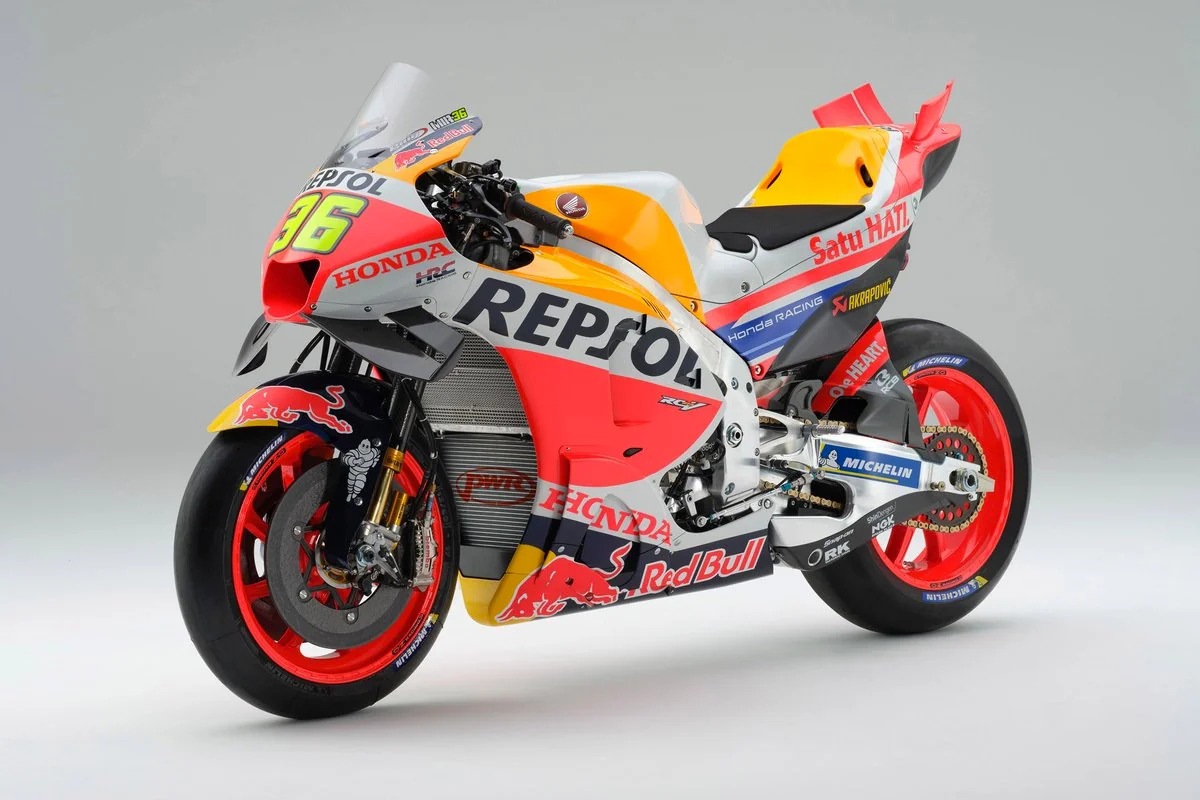
At first glance Repsol Honda represents Honda's factory commitment to MotoGP through HRC. Its public face mixes a clear manufacturing mandate with high-profile commercial identities — historically Repsol, and from 2025 shifting to identities such as Honda HRC Castrol according to official HRC communications. In paddock terms this is not a private entrant: it is the manufacturer's flagship programme, tasked with defining technical direction and carrying the corporate development priorities into race competition.
Factory, satellite, or hybrid role
Repsol Honda is the factory team managed by Honda Racing Corporation. That status means HRC is the technical authority: manufacturer of engines and major components, coordinator of the overall factory programme and the conduit for corporate motorsport decisions. The factory role also implies responsibilities beyond race weekends — global programme planning, official testing and formal technical development are routed through HRC rather than a satellite independent operator.
Relationship to the manufacturer
HRC acts as both team operator and technical supplier. Official communications and MotoGP listings show HRC provides the factory entry, handles component supply and manages technical exchange. That relationship is bilateral: HRC delivers the machine and factory resources while the team entry implements testing, race setup and feedback loops to inform development at the manufacturer level. Commercial naming (Repsol historically, Honda HRC Castrol in later releases) layers sponsorship on top of the factory structure but does not change the technical chain of command inside HRC.
Garage structure and engineering culture
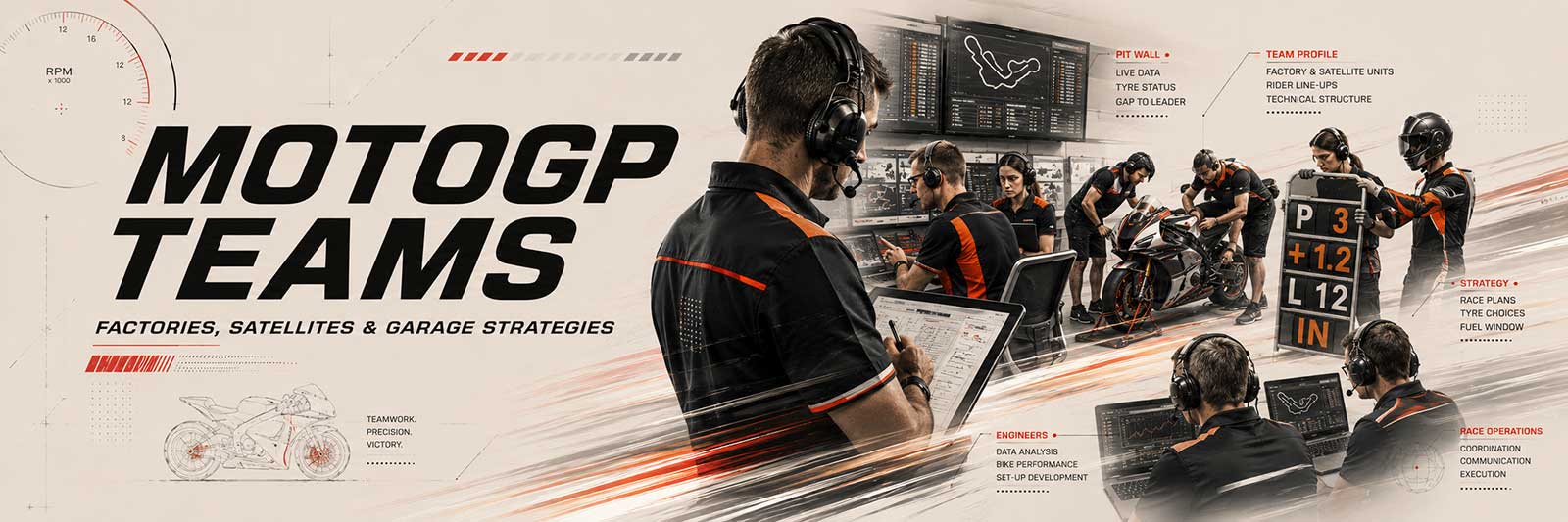
Public materials from HRC and Box Repsol describe a conventional factory garage architecture: HRC directors and team managers provide strategic coordination, while engineers, data specialists and mechanics run the day-to-day race operations. Named appointments and technical manager roles published by HRC evidence a documented management hierarchy that separates strategic leadership from technical management and trackside engineering.
Operationally, that structure supports rapid technical decisions during a GP weekend: pit procedures, tyre and setup choices, and data-driven adjustments all pass through a clear chain — team manager to chief engineer to systems and tyre engineers to mechanics. The factory culture prioritises coordinated development, with HRC responsible for supplying major components and collecting structured feedback to direct further development.
Rider pairing and competitive identity
The factory entry is presented publicly on MotoGP.com and team pages, where riders are listed as part of the official HRC programme. As a factory team, Repsol Honda's rider pairing is central to its sporting identity: riders act as primary development partners for the manufacturer while also carrying commercial and public representation duties tied to the team's sponsors and HRC's programme goals.
Because HRC is the technical authority, riders in the factory seat typically have direct access to factory resources, engineering liaison and development programmes that satellite riders may not. The factory environment therefore shapes rider roles: they are both immediate race competitors and contributors to the motorcycle's mid- and long-term evolution through structured testing and feedback channels coordinated by HRC.
Race-weekend strengths and limits
Factory operations like HRC's concentrate resources that benefit qualifying preparation, setup breadth and access to factory upgrades. Official descriptions of team roles illustrate how integrated engineering, data analysis and logistics reduce the friction of technical decisions during a weekend.
At the same time, the factory zero-defect imperative and corporate accountability shape how rapidly changes are introduced; development paths are managed centrally by HRC and communicated through named team managers and technical leads, as documented in HRC communications.
History and paddock context
The Repsol Honda identity has been a long-standing factory banner for Honda's MotoGP involvement. Official HRC releases and MotoGP team pages record that the factory programme continues to evolve in both sporting and commercial terms. Sponsorship transitions and named technical appointments in HRC press material demonstrate that the factory project adapts its public identity while retaining centralised technical control through HRC.
Closing interpretation
Understanding Repsol Honda (or Honda HRC under new commercial names) requires seeing it first as HRC's factory instrument: a programme where manufacturer responsibilities, technical leadership and rider roles are intertwined. Publicly available documents and HRC announcements make clear this is a factory operation with formal management, documented technical roles and the commercial overlays typical of modern MotoGP. That combination — factory technical authority plus visible commercial identity — explains how the team shapes Honda's competitive direction in the championship.
Author: Eric M.