Ducati Pramac Racing: Inside the Team’s Organisation, Technical Role and Rider…
Pramac Racing is one of MotoGP’s best-documented satellite operations: a stable organisational machine with deep manufacturer links and a clear place in the paddock. This article dissects what the team is in practical MotoGP terms—its structure, technical relationships with manufacturers, sporting role across classes and the way riders form the visible face of the project.
Quick summary
Pramac Racing publishes a public staff page and historical background that document the team’s management structure, long-term technical relationships with manufacturers and activities across MotoGP and Moto2. The team operates as an established paddock presence with recognised entries on official MotoGP and FIM lists.
Quick access
First reading of the team · Factory, satellite, or hybrid role · Relationship to the manufacturer
First reading of the team
At first glance Pramac Racing presents as a professionally run racing organisation with clear public documentation: staff listings, historical pages and class entries are published on the team’s official site. That transparency gives a concrete baseline: Pramac is more than a livery or a rider stable—it's an organisation with defined management roles and a multi-class footprint that includes MotoGP and Moto2 activities.
Official MotoGP and FIM entry lists further confirm the team’s status within the championship, showing its sanctioned entries and rider affiliations across seasons. This formal recognition is important: it underlines Pramac’s stable operational identity in the paddock rather than an ad-hoc or purely promotional presence.
Factory, satellite, or hybrid role
Pramac operates in the paddock as a satellite team with historic and structured manufacturer ties. The team’s published history documents a long-term technical relationship with Ducati, marking it as a satellite partner that has operated close to factory projects. Recent communications also indicate evolving technical partnerships that have broadened Pramac’s engagement model beyond a single manufacturer in certain activities.
That hybrid feel—satellite independence combined with strong manufacturer links—defines how Pramac functions: it runs its own management and operational staff while integrating manufacturer-supplied technology, equipment and official recognition on entry lists.
Relationship to the manufacturer
Pramac’s official history and corporate press materials make the manufacturer relationship explicit. Historically tied to Ducati, the team has been part of manufacturer-linked supply and technical exchange arrangements documented in its public pages and corporate press kit. Those resources show how Pramac positions itself as a recipient of factory-level support while maintaining its own operational identity.
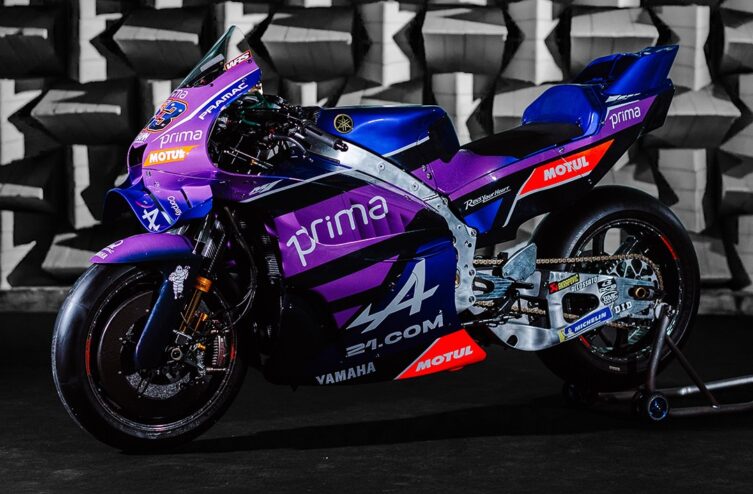
In recent seasons Pramac has been involved in a technical partnership transition that brought Yamaha-supported activities into its scope. Manufacturer communications for 2026 reference Prima Pramac Yamaha activities, confirming that Pramac’s engagements can include multiple manufacturer relationships and that its role in the paddock is flexible in response to strategic partnerships.
Garage structure and engineering culture
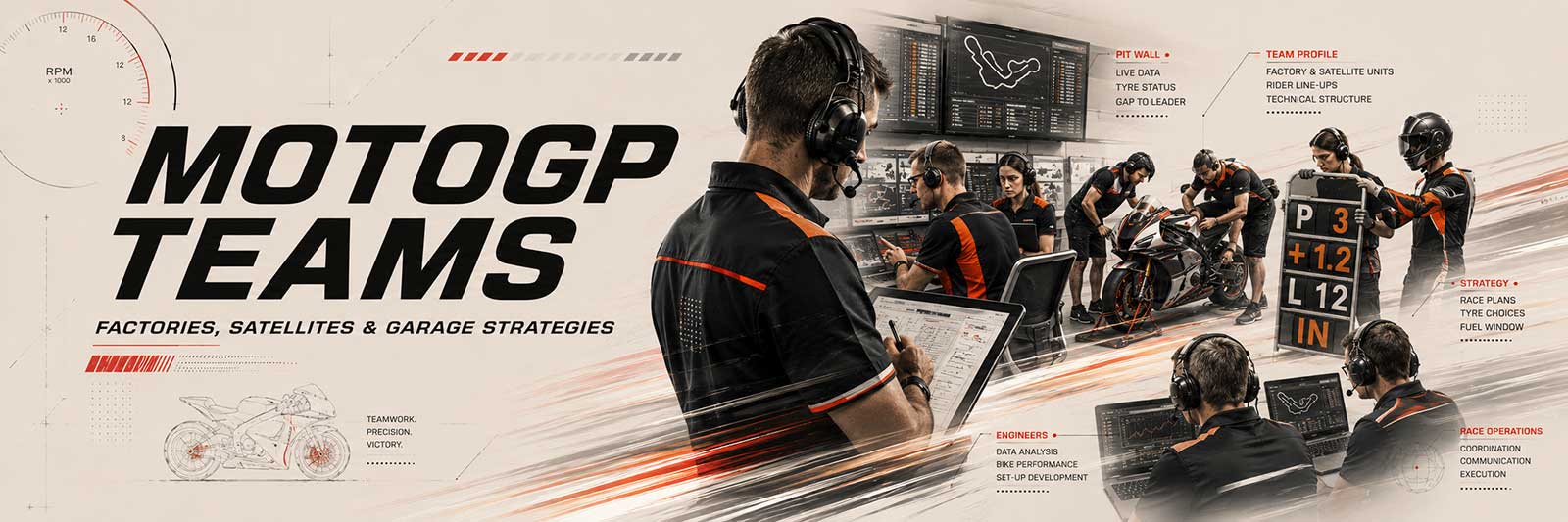
Pramac’s staff page lists defined management roles—Team Principal, Team Manager and other staff—indicating an organised garage structure with clearly assigned responsibilities. Public staffing information provides a reliable signal: the team emphasises formal leadership and operational roles rather than ad-hoc arrangements.
While detailed proprietary engineering workflows are not published, the visible structure suggests a conventional MotoGP technical culture: management oversight, race-weekend coordination and distinct responsibilities for engineering, setup and rider support. The team’s published pages and class entries imply the presence of dedicated personnel across those functions, consistent with professional satellite operations.
Rider pairing and competitive identity
Pramac’s historical roster pages document its rider line-ups across seasons, showing how the team builds identity through rider choices. Public records confirm Pramac fields riders in MotoGP and operates a Moto2 programme, which supports a rider-development path and feeds the team’s competitive identity.
Rider pairings play a visible role in the team’s image: Pramac’s public pages archive line-ups and underscore how riders are a core part of the team narrative. Official MotoGP rider listings and the team’s history page provide the factual basis for interpreting how rider selection and continuity matter to Pramac’s sporting strategy.
Race-weekend strengths and limits
Public documentation and Pramac’s standing as a recognised satellite operation imply pragmatic race-weekend strengths: consistent organisation, reliable logistical execution and the ability to integrate manufacturer equipment and updates. The team’s formal staff roles and class entries support the judgement that Pramac can deliver the operational consistency required to maximise race weekends.
Limits are inherent to satellite positioning: technical dependence on manufacturer supply chains and the scope of factory support can shape the ceiling for in-season development. Pramac’s documented evolution—shifting partnerships and multi-manufacturer engagements—illustrates how those limits are managed by strategic alliances rather than being purely internal decisions.
History and paddock context
Pramac’s official history pages trace the team’s evolution and provide context for its present role. Corporate press kits and the team’s archival material explain how Pramac earned a place in the paddock: a sustained presence, investment in racing activities across classes and established manufacturer links.
This historical grounding explains why Pramac is viewed as a significant satellite operation: it is not a transient entrant but an organisation with documented continuity, multi-class involvement and a corporate group backing that publicly frames its motorsport activities.
Closing interpretation
Pramac Racing should be read as a professionally run satellite team with documented management structures, a multi-class footprint and a pragmatic approach to manufacturer partnerships. The team’s public staff listings, history pages and presence on official MotoGP and FIM entry lists provide a clear, verifiable foundation for that view.
In practical MotoGP terms Pramac is valuable to the paddock because it bridges factory resources and independent organisation: it fields riders, manages race operations and adapts through technical partnerships. For readers trying to understand what the team 'really is', the defensible conclusion is that Pramac is a structured, adaptable satellite organisation with both historical ties and the flexibility to engage new manufacturer-supported roles.
Author: William L.