Does Yamaha Need a V4 to Answer MotoGP’s Modern Aerodynamic Arms Race?
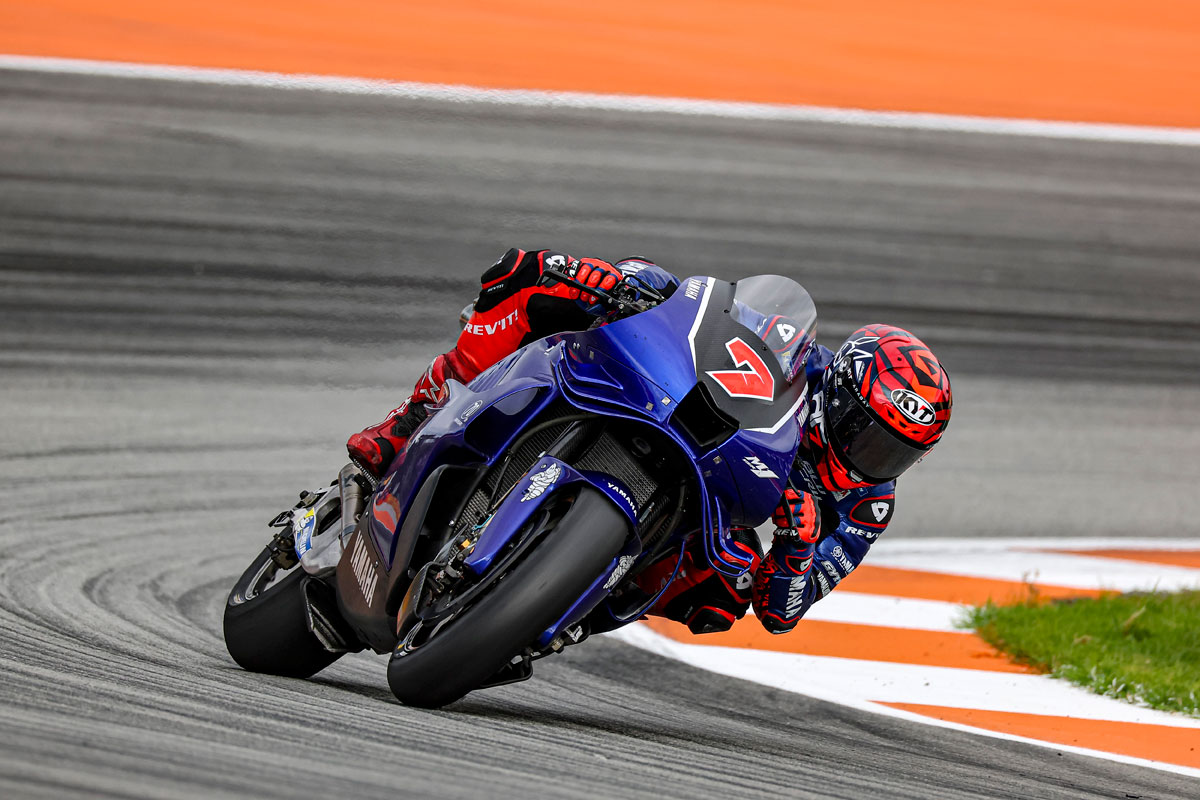
The conversation around Yamaha and a V4 MotoGP engine moved from speculation to reality in 2025. Yamaha publicly confirmed a V4 development programme, carried a V4 prototype to track testing during the 2025 test schedule and staged an official unveiling of a V4‑powered YZR‑M1 prototype at Misano in September 2025. The project has been framed by Yamaha staff as a multi-year effort rather than a single-season switch.
Summary
Yamaha’s move to test and unveil a V4‑powered YZR‑M1 acknowledges the dominant V4 trend among leading manufacturers and reflects a deliberate engineering response to packaging, pumping-loss and aerodynamic integration challenges highlighted in modern MotoGP.
What this article covers
- Why V4 architectures are favoured by several top teams
- Which technical trade-offs Yamaha must manage when switching from inline‑4 to V4
- How an organised, multi‑year development culture shapes the likelihood of success
Quick access
What made the project technically interesting
The verified facts are clear: Yamaha announced a V4 programme, tested a V4 prototype on track during 2025 testing and unveiled a V4‑powered YZR‑M1 prototype at Misano in September 2025. That combination—public testing plus a factory unveiling—matters because it signals a deliberate shift in engineering direction, not an isolated experiment. The technical interest lies in why Yamaha pursued a V4 when most of the modern grid already runs V‑type engines: the architecture promises packaging advantages, different pumping‑loss behaviour and power delivery qualities that interact directly with chassis geometry and aerodynamic development.
Powertrain or engine identity
The verified context from MotoGP technical explainers and independent analyses identifies consistent technical reasons manufacturers favour V4s: reductions in pumping losses, alternative cylinder placement for compact packaging and potentially different torque and power characteristics that can be tuned to suit aero and chassis targets. Yamaha’s programme therefore represents a change in base engineering identity—moving from an inline‑4 heritage toward an architecture already common among the leading manufacturers. Importantly, public sources do not provide detailed internal specifications of Yamaha’s new V4 (bore, stroke, V‑angle, firing order), so commentary must focus on the engineering logic rather than precise hardware claims.
Chassis and mechanical direction
From a packaging and mechanical standpoint, adopting a V4 usually lets designers alter the mass distribution and the shape of the rear‑half engine and gearbox packaging. That can free different lines for the frame, swingarm placement and exhaust routing—elements that play into mechanical balance, wheelie tendency and rear tyre load. Yamaha’s public development programme and unveiling indicate the factory is exploring exactly these trade‑offs: a V4 changes the internal packaging game, which in turn forces a re‑evaluation of frame stiffness targets, mounting points and weight distribution objectives. Given Yamaha’s description of a multi‑year development effort, the team appears prepared to iterate chassis solutions rather than attempt a single swap of powerplant and frame.
Aerodynamics and bodywork thinking
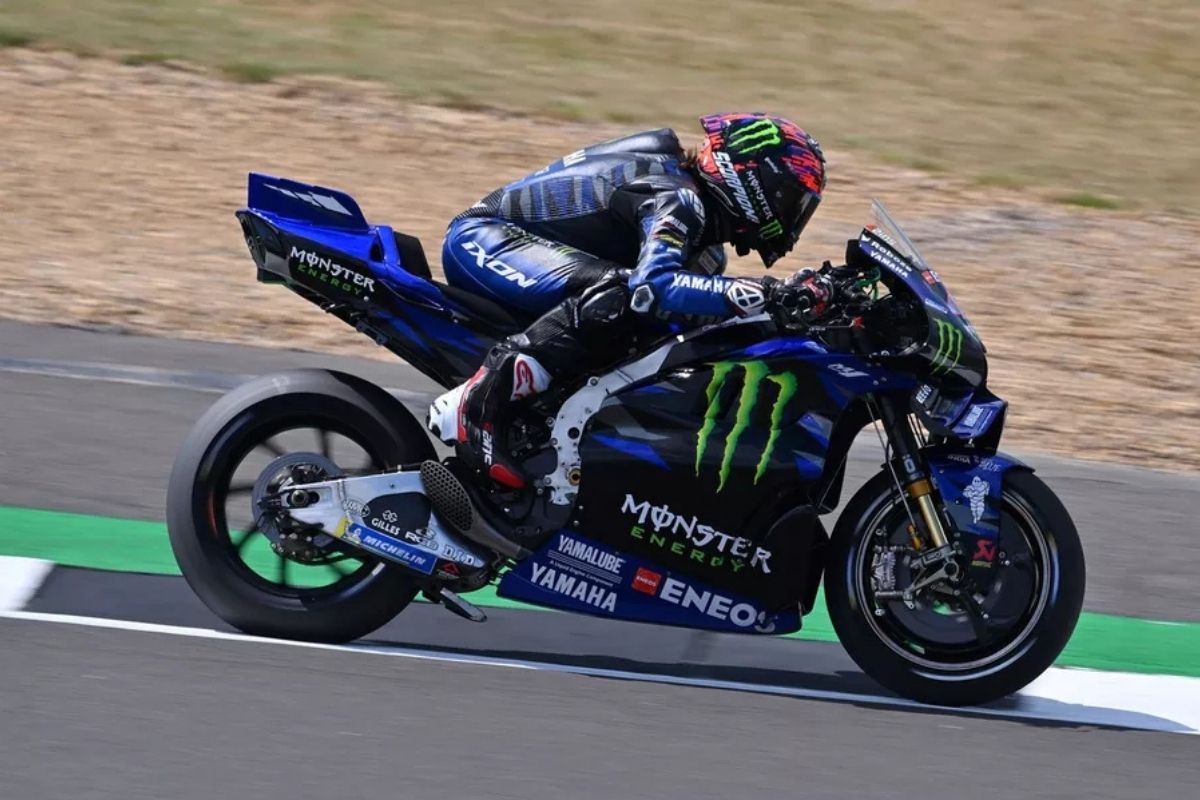
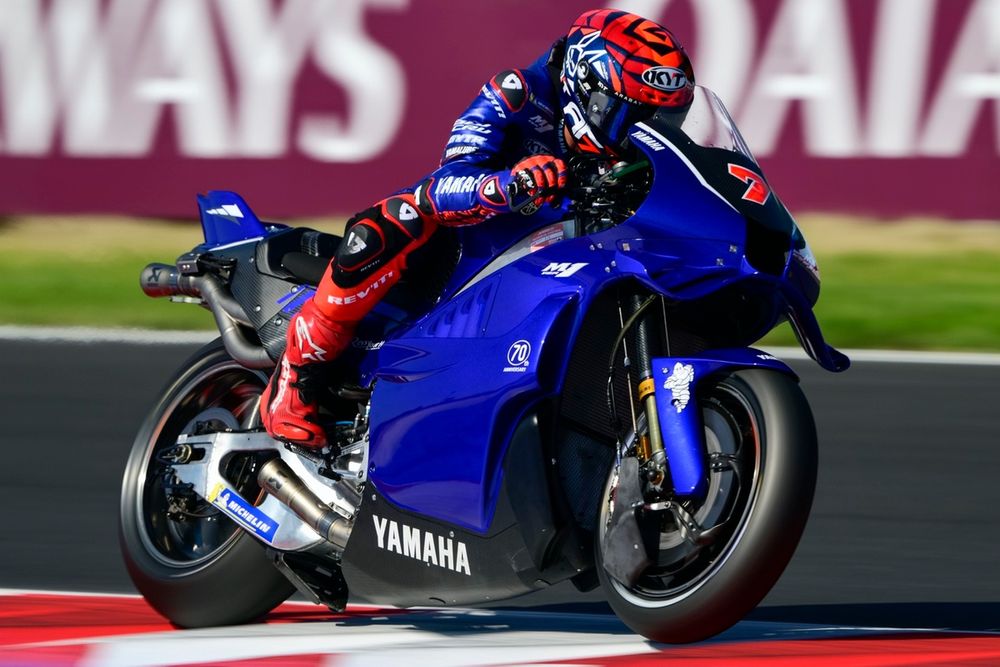
A key reason many MotoGP teams favour V4 layouts is the way engine packaging interacts with fairing shapes and aerodynamic load management. Independent technical analyses and MotoGP explainers link the compactness and profile of V‑type engines to easier integration of aggressive aero surfaces and controlled airflow around the mid‑section. Yamaha’s public testing and official unveiling imply that one central aim of their V4 project is to align engine packaging with aerodynamic ambitions—reducing interference from bulkier inline packaging and allowing bodywork development that targets stability, drag and downforce with different constraint sets. The verified material stops short of quantifying aerodynamic gain, but it firmly situates the move as an aero‑driven engineering response to a grid that increasingly couples engine architecture and fairing design.
Control systems and the electronic layer
A switch in engine architecture inevitably changes engine management and the relationship between electronics and the mechanical package. While the verified sources do not publish Yamaha’s control‑system changes in detail, MotoGP’s broader technical coverage shows that firing order, torque delivery and crank characteristics affect traction control maps, engine braking strategies and launch performance. Yamaha’s public messaging that the V4 programme is complex and multi‑year indicates engineers are addressing these electronic re‑tunes alongside mechanical changes—an essential part of making a new architecture behave predictably under braking, corner entry and acceleration.
Development culture and factory direction
Yamaha’s decision to run on‑track tests in 2025, speak publicly about wildcard readiness and stage a formal prototype unveiling in 2025 demonstrates a factory‑level commitment to the V4 path. Team management’s own comments frame the project as a deliberate, long‑term programme rather than a quick fix. That cultural stance matters: switching architectures requires aligned investment in dyno development, electronics, chassis iterations and aero testing. Yamaha’s public timeline and statements therefore indicate a methodical approach—testing, learning and progressively integrating the new package—rather than an ad hoc experiment.
Which ideas are likely to last
From the verified context, two durable ideas emerge. First, the coupling between engine architecture and aerodynamic packaging is a persistent theme in MotoGP development; Yamaha’s move acknowledges that engine shape is not neutral for aero development. Second, the project highlights that successful architecture changes demand coordinated changes across chassis, electronics and aero—an engineering pattern seen across manufacturers who adopted V4s earlier. These represent strategic lessons for future development regardless of whether the Yamaha V4 becomes the season‑starting package in a particular year.
Why the Yamaha V4 innovation story still matters
Yamaha’s V4 programme matters because it shows a major manufacturer adapting to a field where V4 layouts have been linked to packaging and aero advantages. The verified facts—on‑track tests in 2025 and a prototype unveiling at Misano—turn this from speculation into an observable shift in engineering direction. While specific performance numbers and internal engine specs remain unpublished, the public programme underlines that Yamaha judges architecture to be a lever worth pulling to remain competitive in modern aerodynamic and packaging dynamics. The project is instructive: it reinforces that in MotoGP the interaction between engine layout, aero philosophy and chassis logic is as decisive as raw peak power, and that shifting architectures is a multi‑year engineering commitment rather than a tactical tweak.
Author: Alex R.