Understanding the Weight of HRC: Honda's MotoGP Manufacturer Identity
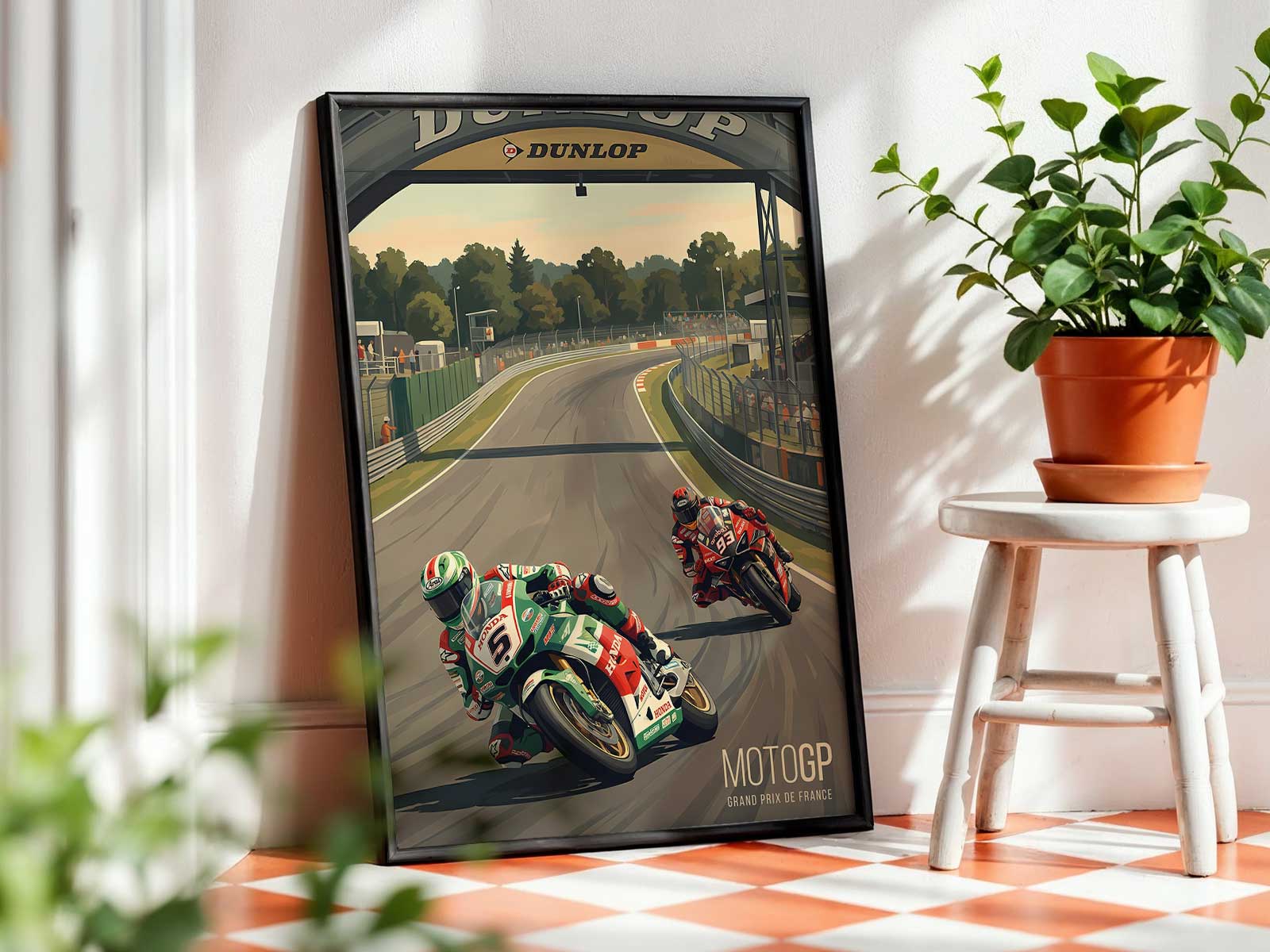
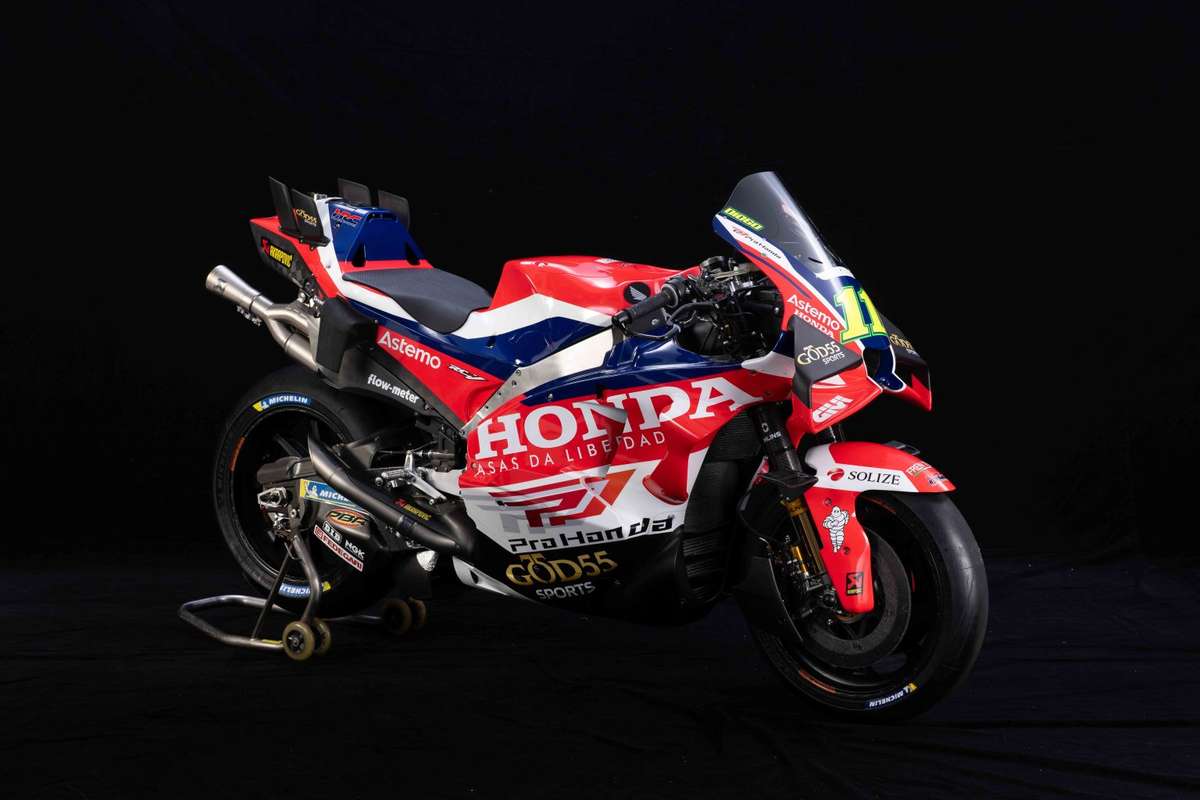
Honda Racing Corporation (HRC) is the engine room of Honda’s MotoGP presence — not just a team but a factory engineering organisation whose history, resources and culture have repeatedly shaped the premier class. Understanding "honda motogp" means seeing HRC as a long-established motorsports division that builds race machines, directs factory teams and carries a legacy of constructors' and riders' world championships into present-day competition.
Quick summary: HRC was formed to centralise Honda’s racing development and has produced hallmark machines (NSR500, RC211V, RC212V, RC213V). As Honda’s factory arm it has been central to multiple riders' and constructors' world championships and remains the corporate face of Honda in MotoGP.
Quick access: First reading • Technical direction • Satellite ecosystem
First reading of the project
At first glance HRC is a corporate racing division established to concentrate Honda’s motorsport activity and technical development. The organisation has an explicit remit to design, develop and field premier-class race machines; its lineage includes historic platforms such as the NSR500 and modern factory models like the RC213V. The scope here is factory engineering and programme management rather than a single commercial team identity.
History, era and championship context
HRC traces its motorsport role back decades and was formalised as a dedicated racing organisation in the late 20th century. Documented history highlights its responsibility for Honda’s Grand Prix presence across eras and machines. Honda’s official summaries credit the manufacturer with 21 Riders' World Championships and 25 Constructors' World Championships across Grand Prix categories — figures that underline HRC’s sustained influence on the sport.
Engine and power character / technical direction
HRC’s technical remit covers powertrain development for its factory race machines. Across eras the organisation has been responsible for a succession of flagship engines and chassis platforms — from the two-stroke NSR500 to the four-stroke RC211V/RC212V/RC213V lineage used in MotoGP. That continuity shows a factory programme oriented to in-house development of complete packages: engine architecture, chassis integration and the electronics that control power delivery and traction behavior.
Chassis, aero and control strategy
As the factory arm, HRC defines the core chassis and packaging philosophy for Honda’s MotoGP machines. Historically the project delivered complete bikes developed as integrated systems rather than bolt-on components. Aerodynamic and packaging priorities are managed inside that factory remit, with bodywork and electronics evolving as part of HRC’s engineering programme rather than being outsourced to third parties.
Satellite ecosystem and data depth
HRC operates not only factory entries but a wider relationship network that includes long-term factory partnerships. The Repsol Honda collaboration, in place since 1995 and renewed multiple times, is a prominent example of how HRC organises factory-backed efforts. This factory-versus-satellite structure gives HRC control over a core development platform while enabling broader program visibility through partner teams and sponsorship arrangements.
Rider adaptation and feedback loop
HRC’s factory identity has historically supported many of the sport’s most successful riders. The organisation’s role is to provide the factory machine and engineering resources that top riders use to extract performance. That relationship is iterative: rider feedback informs in-house development and HRC’s engineering culture channels those inputs into machine updates, aligning rider needs with the factory’s technical direction.
Development path and organisational culture
HRC’s engineering culture emphasises in-house development and using racing as a testbed — a philosophy explicitly tied to Honda’s broader corporate approach. The company describes racing as a demonstration of engineering capabilities and a laboratory for technical progress. That mindset has guided how HRC prioritises resources and shapes development choices, keeping core design and R&D within the factory framework.
Hard facts and defensible clues
Key factual anchors about HRC are straightforward: it is Honda’s factory racing division with a documented historical timeline; it has produced the factory MotoGP machines (RC-series lineage among others); and Honda’s official totals list 21 Riders' World Championships and 25 Constructors' World Championships across Grand Prix categories. The Repsol Honda partnership, active since 1995 and publicly renewed several times, underscores HRC’s long-term factory team strategy.
Closing interpretation
To understand "honda motogp" is to see HRC as the structural backbone of Honda’s MotoGP identity: a factory engineering organisation with deep historical roots, a deliberate in-house development culture and a programme that has repeatedly produced championship-winning machinery and riders. Its weight in the paddock derives from that combination of resources, legacy results and an organisational philosophy that treats racing as both showcase and laboratory for Honda technology.
Author: Cynthia D.