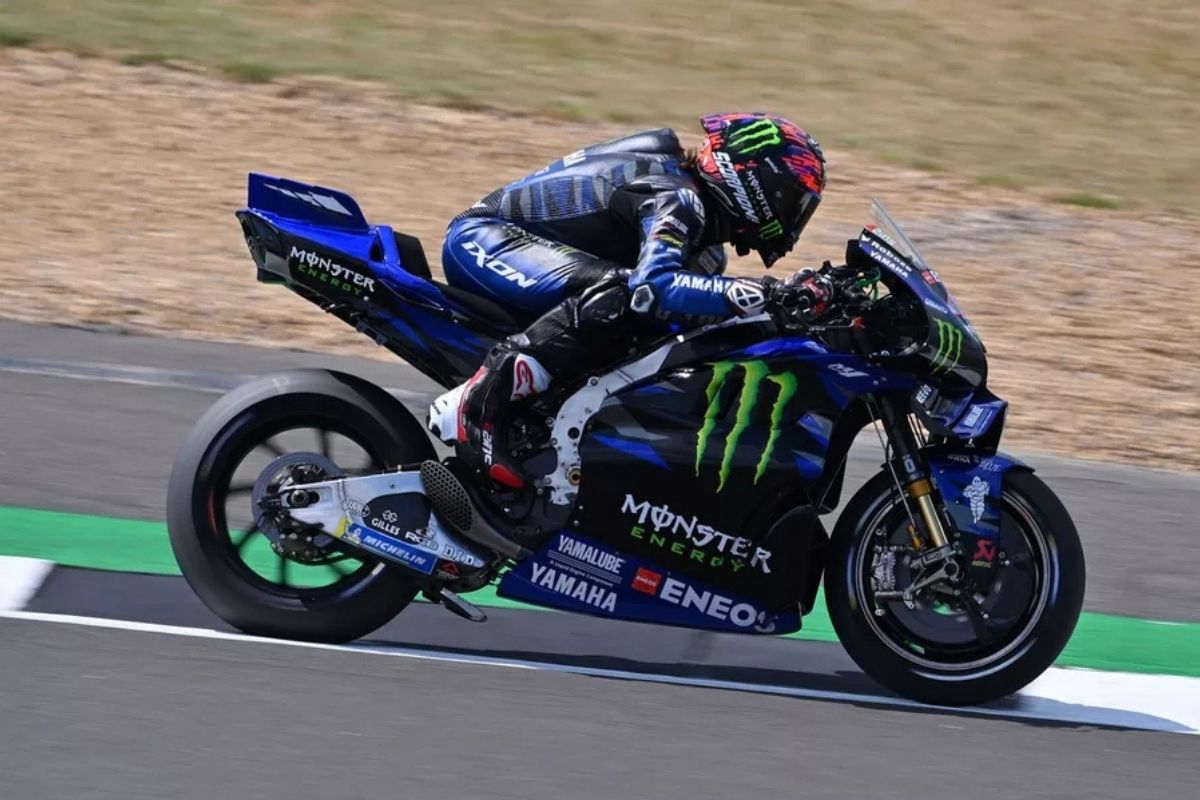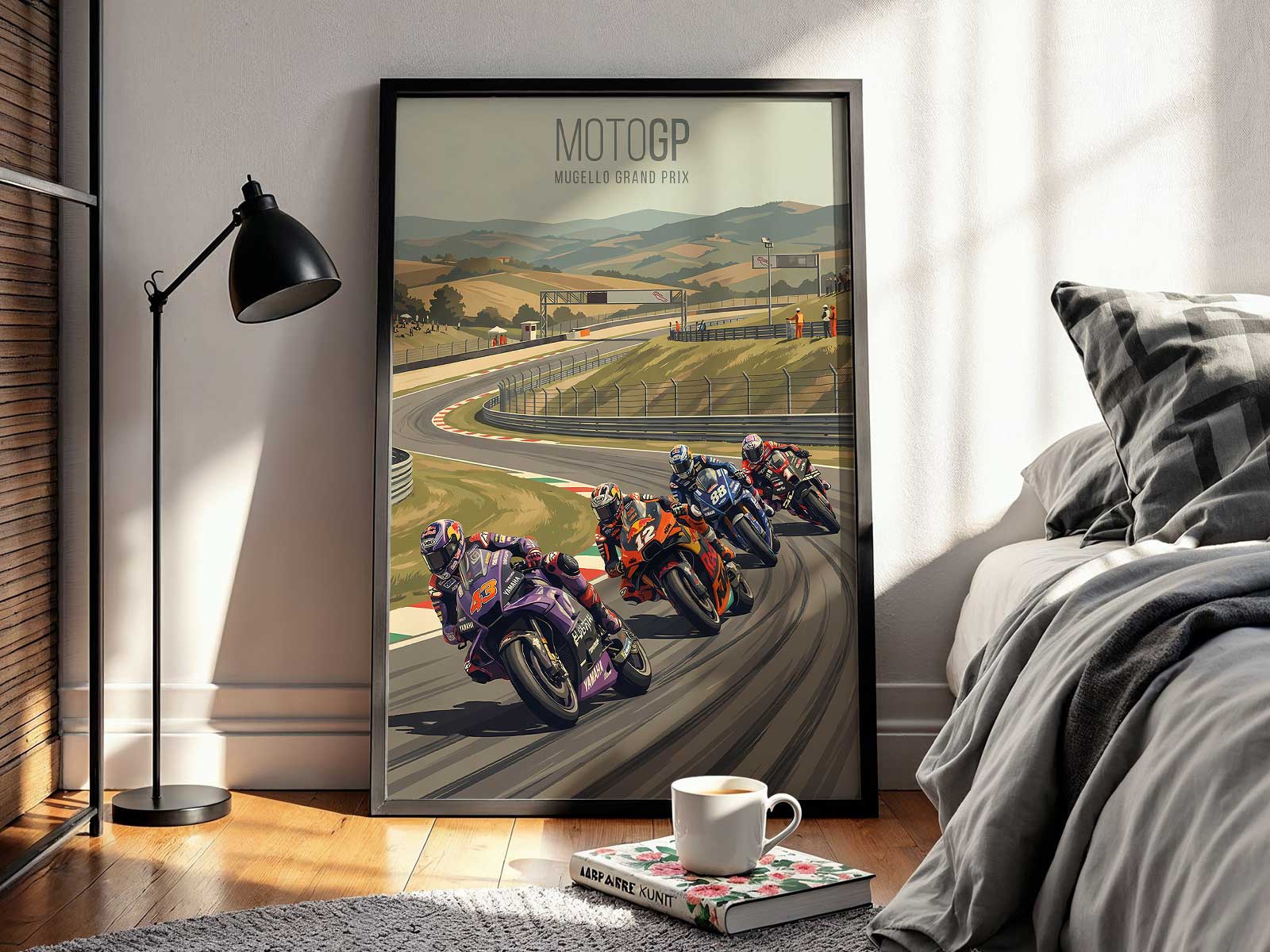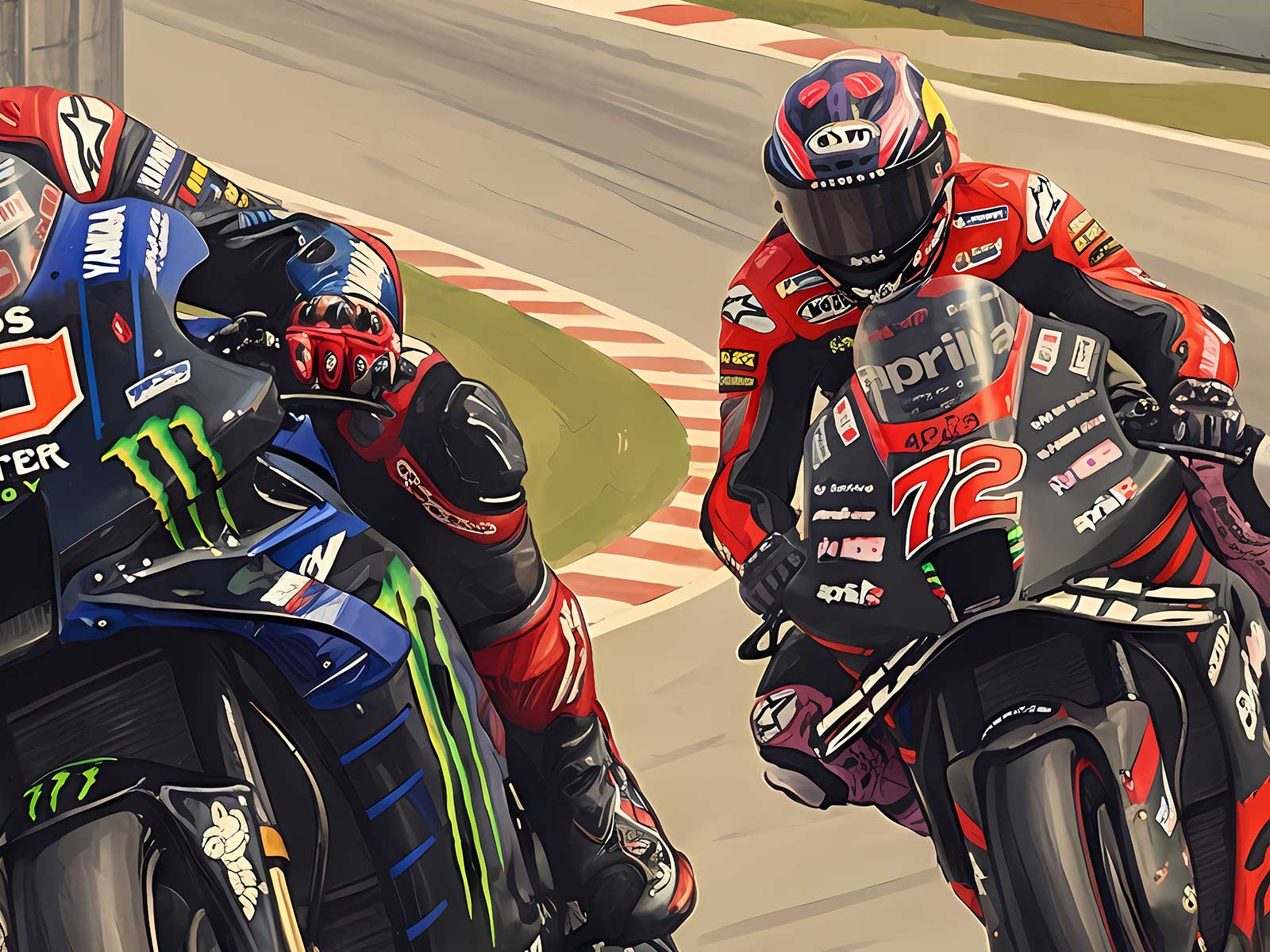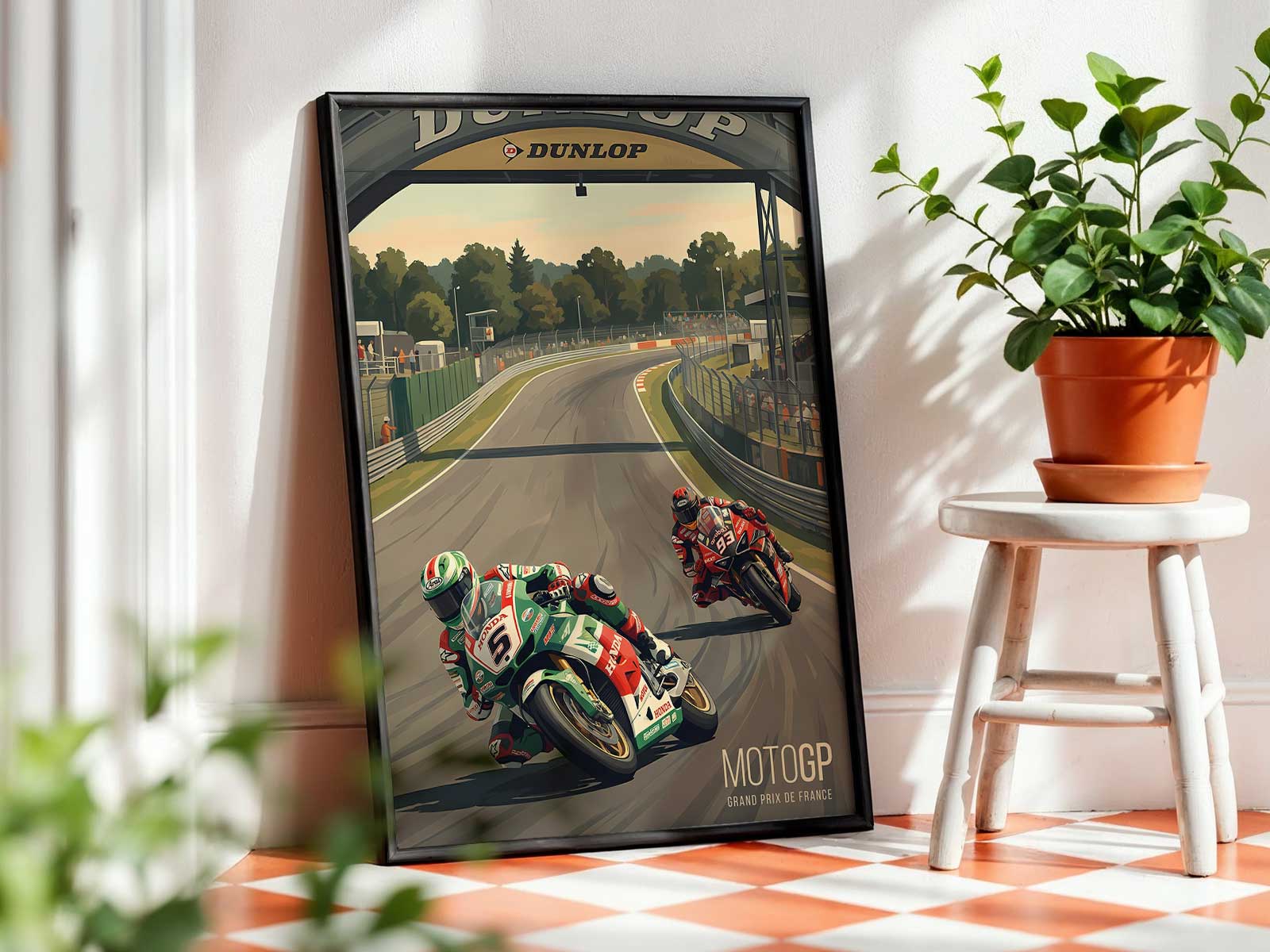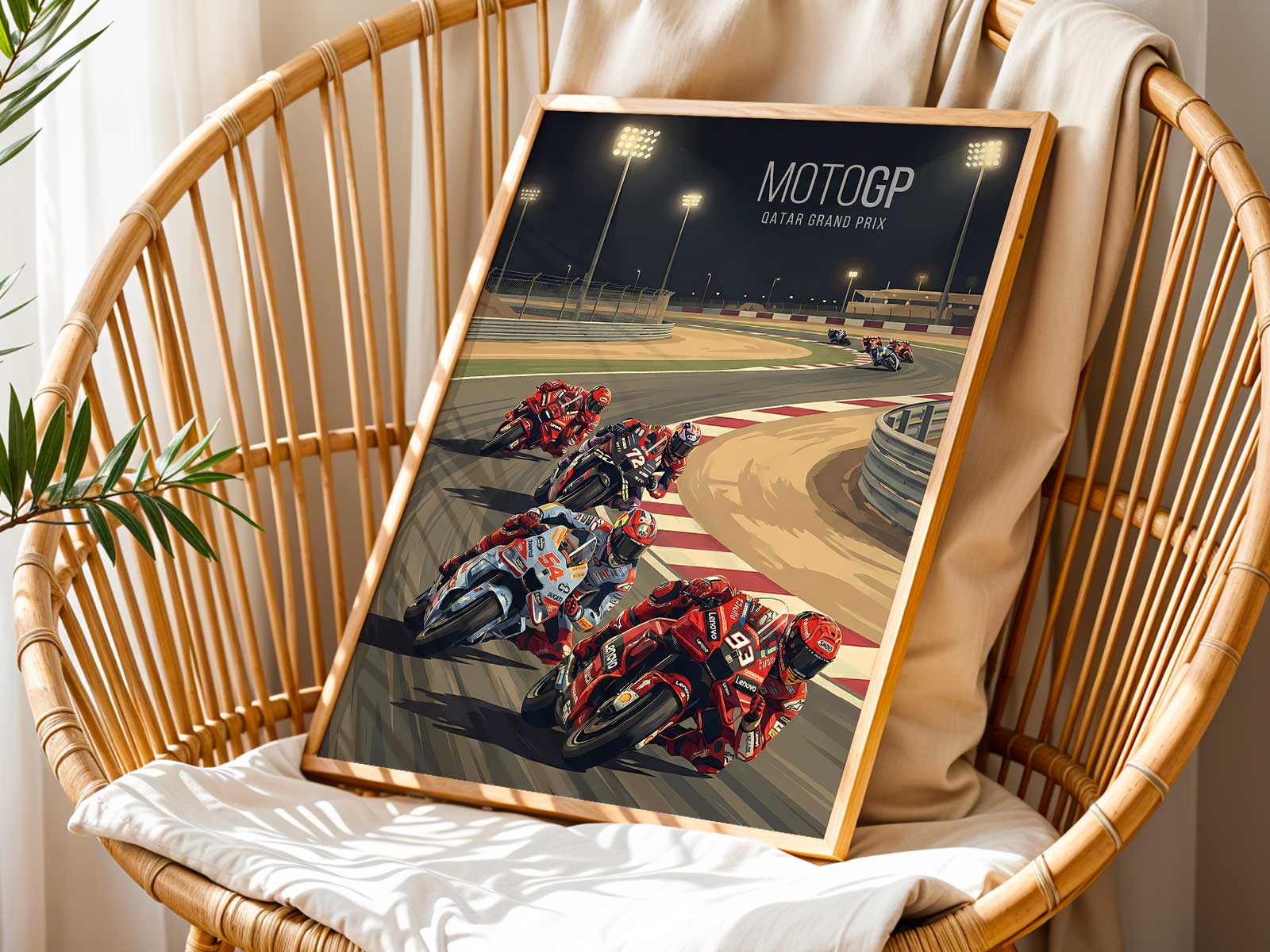
MotoGP Yamaha R1: How Yamaha’s Factory Engineering Bridges Grand Prix to…
Yamaha treats MotoGP as an engineering engine for the whole company — a deliberate corporate strategy to develop advanced technologies in racing and feed them into production motorcycles such as the YZF‑R1. This article explains what that means in operational terms: the factory programme’s role, the technical directions it pursues, and the measurable ways MotoGP work has influenced the R1 line.
Summary: Yamaha states as corporate policy that racing technologies—developed in MotoGP—are transferred to production models. The YZF‑R1 family explicitly cites MotoGP-derived systems (for example, IMU-based controls and crossplane heritage). Recent factory partnerships and technical contracts show ongoing investment in MotoGP engineering capacity.
Quick access:
Factory identity·Engine & power character·Aero & control strategy·Satellite ecosystem·Closing interpretation
FIRST READING OF THE PROJECT
At corporate level Yamaha declares racing as a deliberate source of advanced technology for production. That policy frames the factory MotoGP programme not simply as a sporting effort but as a structured engineering resource whose outputs are intended to influence road models — the YZF‑R1 being the flagship example cited in Yamaha materials.
Practically, this means Yamaha’s MotoGP operation and its test/team engineering resources function as development platforms. Yamaha’s public materials describe a factory MotoGP programme and test organisation that collaborate with racing partners and feed learnings back into product development.
ENGINE AND POWER CHARACTER
Yamaha highlights the lineage between MotoGP machinery and the R1’s engine architecture in its product storytelling. The R1 family is presented as sharing a technical heritage with YZR‑M1 developments, with Yamaha press material explicitly crediting MotoGP-derived design thinking in R1 development.
One concrete, documented transfer is electronics linked to engine control: Yamaha public materials note that the production R1 incorporated an IMU-based control system derived from MotoGP work. The 6-axis IMU introduced on the R1 was promoted as an example of race-to-road transfer that improved rider aids and vehicle stability systems.
CHASSIS AND BIKE BALANCE
Yamaha frames the R1 as embodying packaging and chassis choices informed by racing experience. Official R1 development narratives connect chassis and mass‑centralisation goals to feedback and concepts that originated in Yamaha’s racing activity. While Yamaha’s public materials stop short of line‑item technical diagrams, the company presents the R1’s balance and handling as products of ideas validated in racing environments.
This factory-to-production link implies a chassis philosophy focused on translating high-speed stability and controllable agility from MotoGP to road-legal and race-prepped R1 variants, a theme Yamaha emphasises in product communications for R1 Race and GYTR models.
AERO, PACKAGING, AND CONTROL STRATEGY
Yamaha’s communications around recent R1 launches explicitly describe the R1 and R1 Race/GYTR variants as carrying ‘MotoGP-inspired’ technology and styling. That rhetoric matches documented technology transfers such as IMU integration and suggests a consistent packaging priority: fit advanced electronics and sensors into production-friendly bodywork while reflecting aerodynamic lessons from racing.
On the control side, the IMU example is the clearest documented case: a 6‑axis sensor platform originally developed in racing contexts was used to enable sophisticated traction control, slide control and launch management on the production R1 — a measurable axis of transfer from MotoGP electronics to road machines.
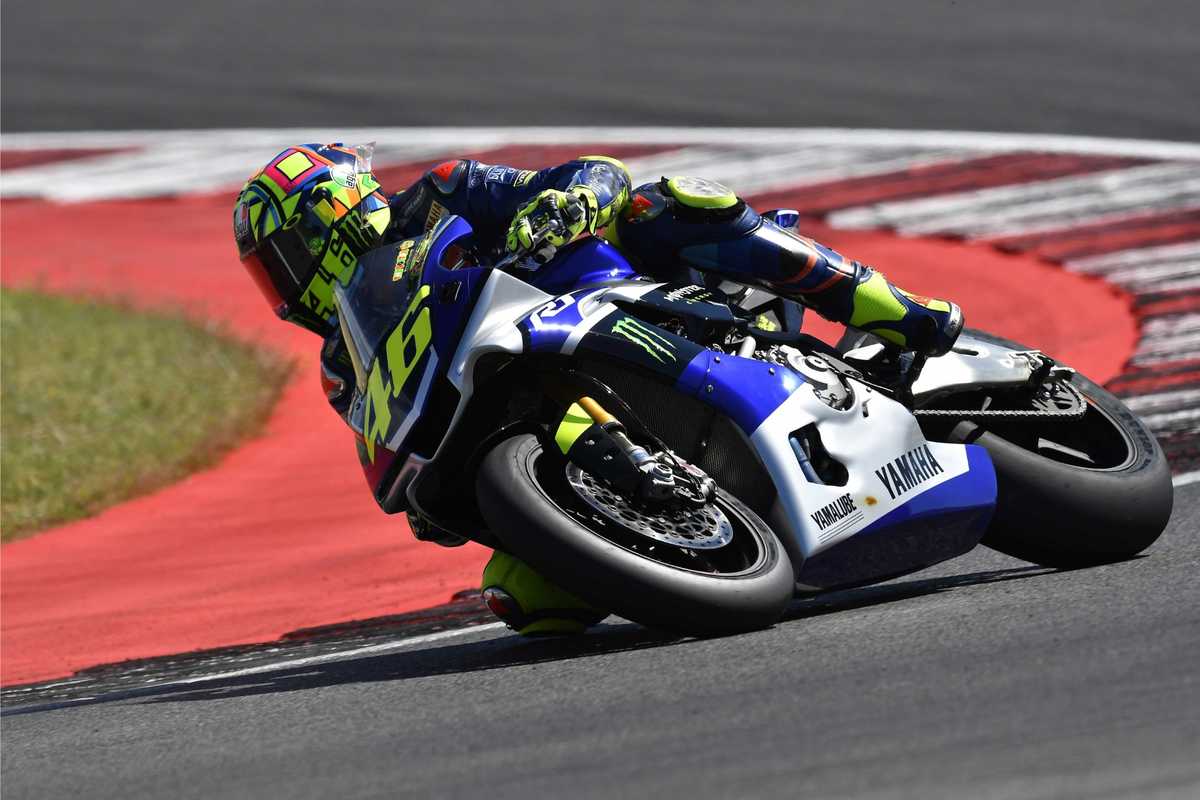
SATELLITE ECOSYSTEM AND DATA DEPTH
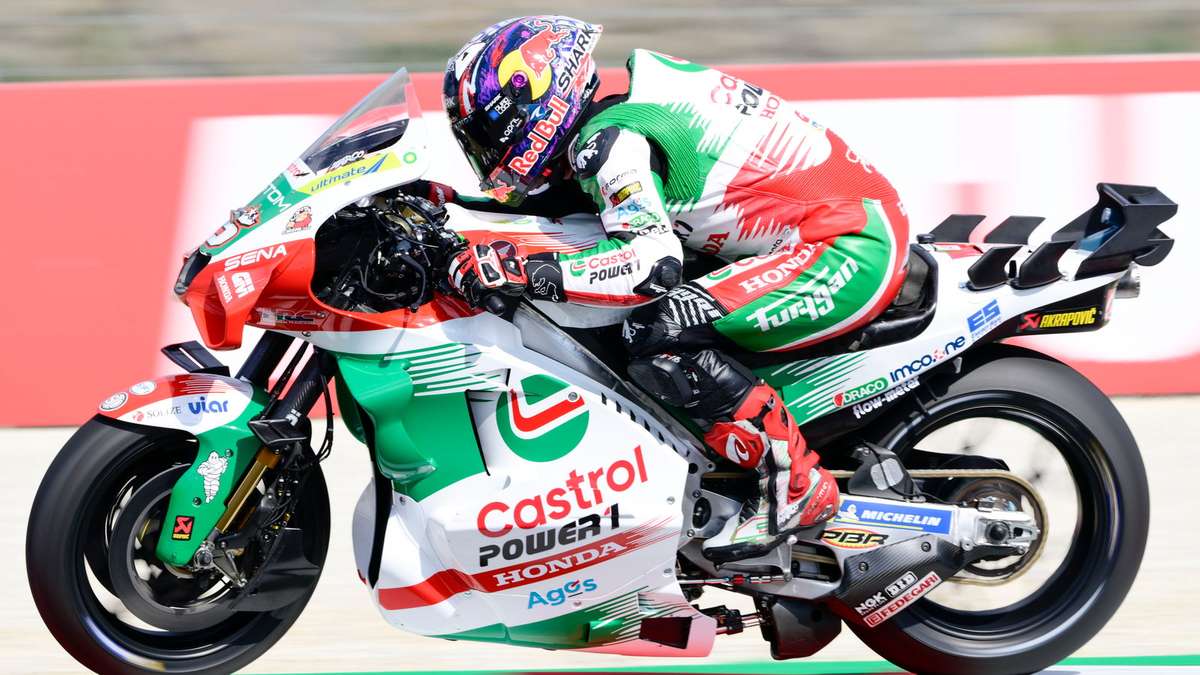
Yamaha’s strategy includes structured relationships with satellite and partner teams. A recent, well-documented example is the multi‑year partnership with Prima Pramac Racing: Yamaha agreed to supply factory-spec YZR‑M1 machines and to integrate Yamaha-contracted riders and engineering staff with the team. The move increases the effective number of factory‑spec bikes on the grid and deepens engineering collaboration across teams.
From an engineering perspective, wider distribution of factory-spec machinery and shared engineering resources increases data depth and accelerates development cycles. Yamaha’s public narrative positions these partnerships as extensions of their factory engineering reach rather than independent development silos.
DEVELOPMENT PATH
Yamaha’s public documents and product launches show an ongoing development logic: invest in MotoGP engineering platforms, capture validated technologies (notably in electronics and sensor systems), and incorporate those systems into R1 variants. Product communications for 2024–2025 R1 models explicitly link new R1 Race and GYTR variants to Yamaha’s racing roots and technology transfer objectives.
Complementing this flow, Yamaha has engaged in technical partnerships that support high-performance component production for the factory MotoGP team — for example, a multi-year technical agreement with Roboze — signalling investment in advanced manufacturing workflows that underpin both racing performance and component transferability.
RIDER ADAPTATION AND FEEDBACK LOOP
Yamaha’s public materials describe formal engineering structures and personnel dedicated to MotoGP development, including factory programme staff and test-team resources. That organisational setup creates a feedback loop in which rider input, track testing and engineering validation occur inside the same corporate system that develops production models.
While Yamaha’s public sources do not publish detailed personnel charts, they explicitly present MotoGP as a structured R&D environment whose outputs inform production bikes — meaning rider feedback and test-team development findings are treated as inputs to product engineering decisions for models like the R1.
CLOSING INTERPRETATION
Yamaha’s MotoGP programme is more than a competitive endeavour: it is an engineered pathway to product innovation. The clearest, verifiable examples are electronic systems and sensor integration — notably the adoption of a 6‑axis IMU on the R1 — and the company’s explicit marketing and product messaging that link YZR‑M1 developments to the R1 lineage.
Operational moves such as supplying factory-spec machines to partner teams and technical partnerships with specialised manufacturers reinforce Yamaha’s approach: deepen engineering resources in MotoGP, generate validated technologies on-track, and bring those capabilities into production lines. For readers trying to understand the phrase “MotoGP Yamaha R1,” the practical meaning is that Yamaha uses its factory racing programme as a deliberate engineering conduit, and the R1 is a visible, documented beneficiary of that process.
Author: Alex R.