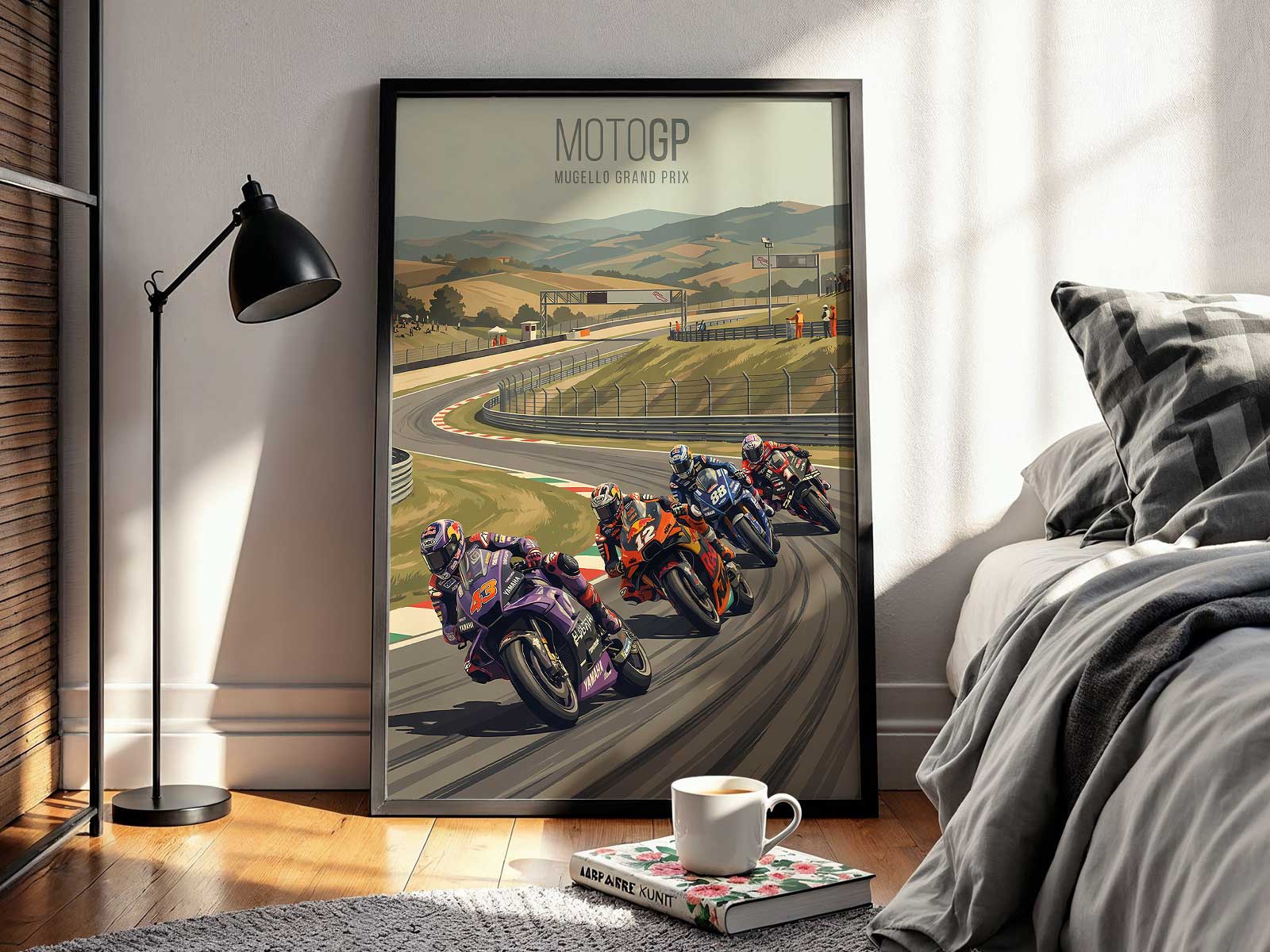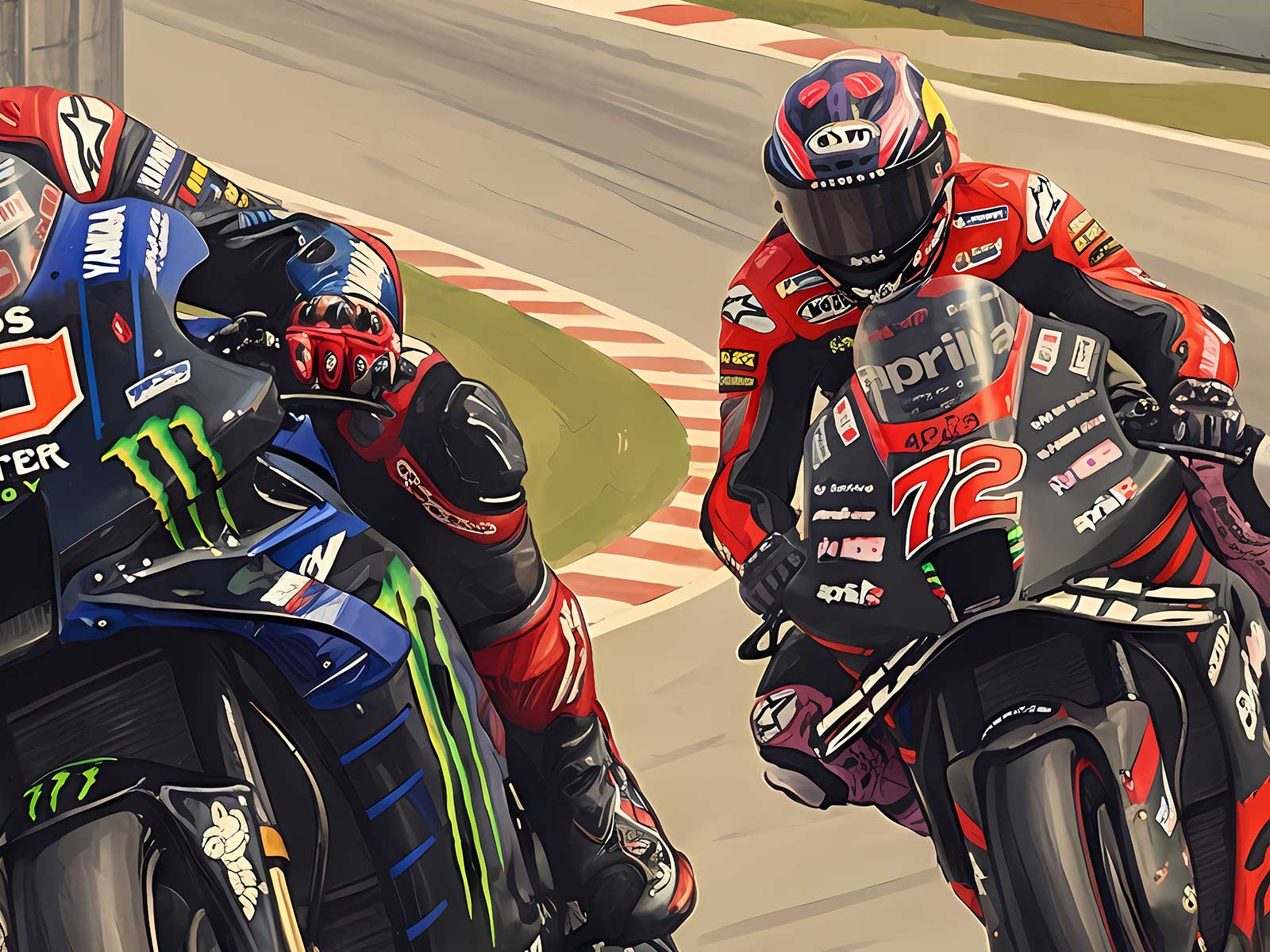
KTM RC16: The RC16 as a Window on KTM’s Industrial Racing Identity
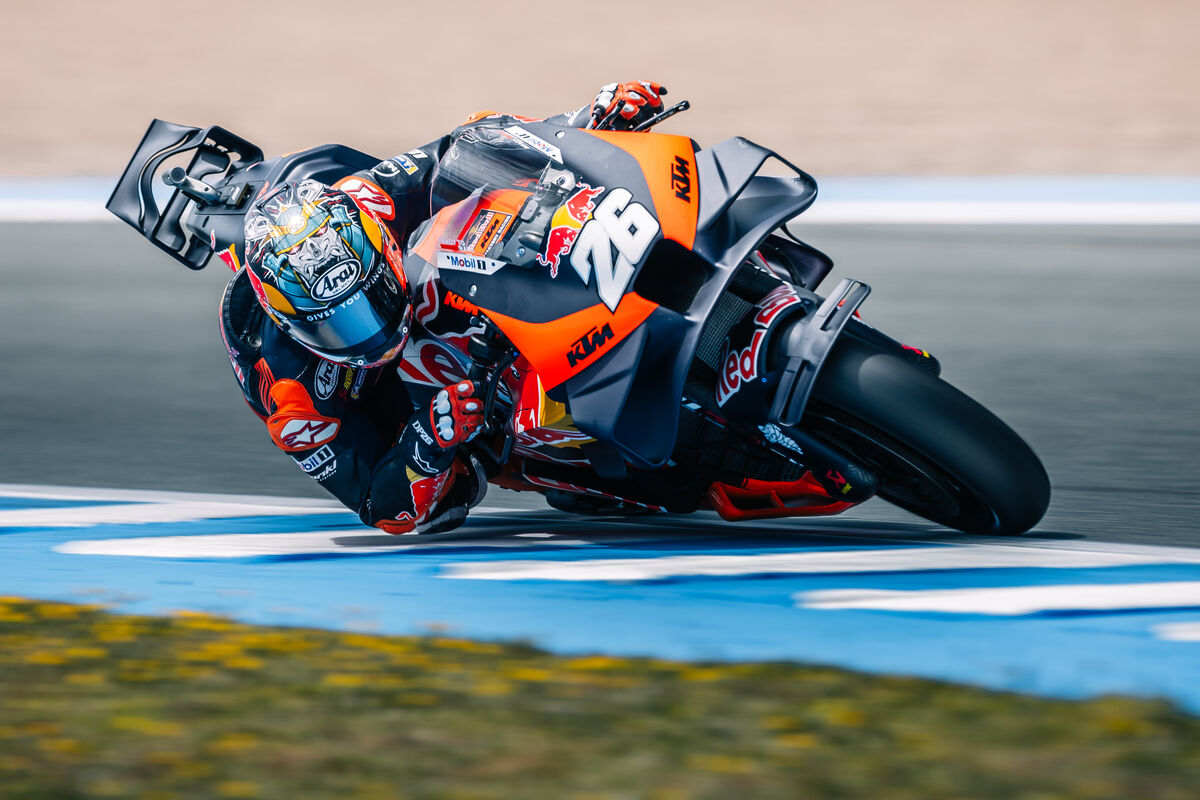
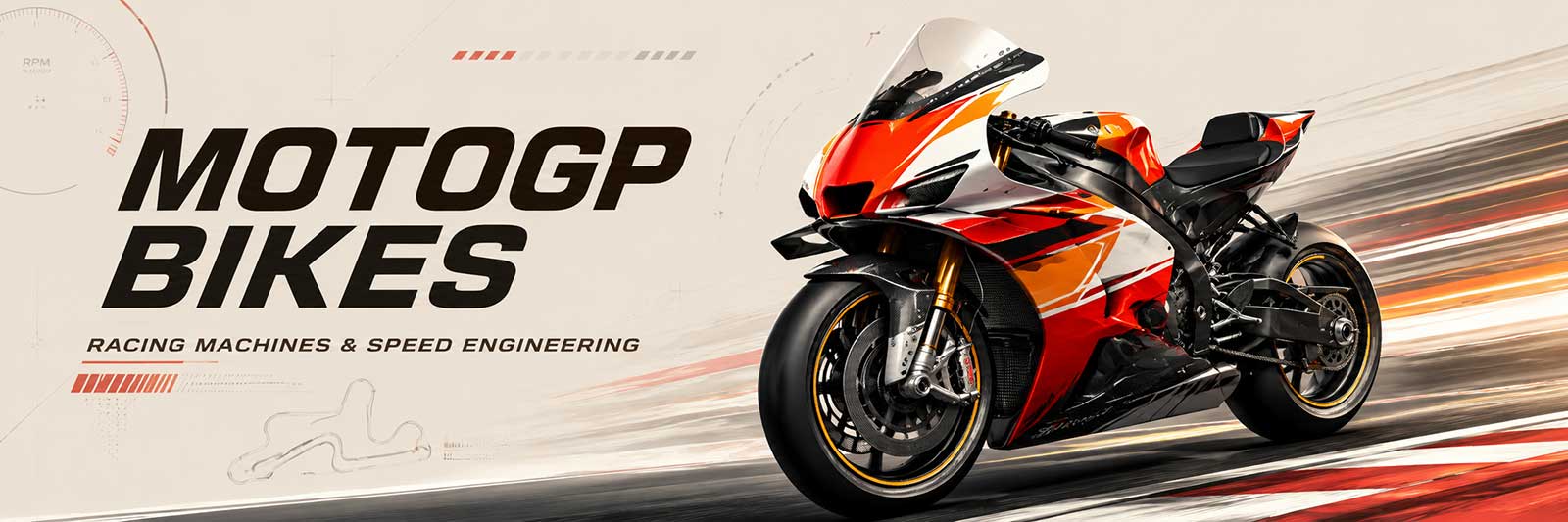
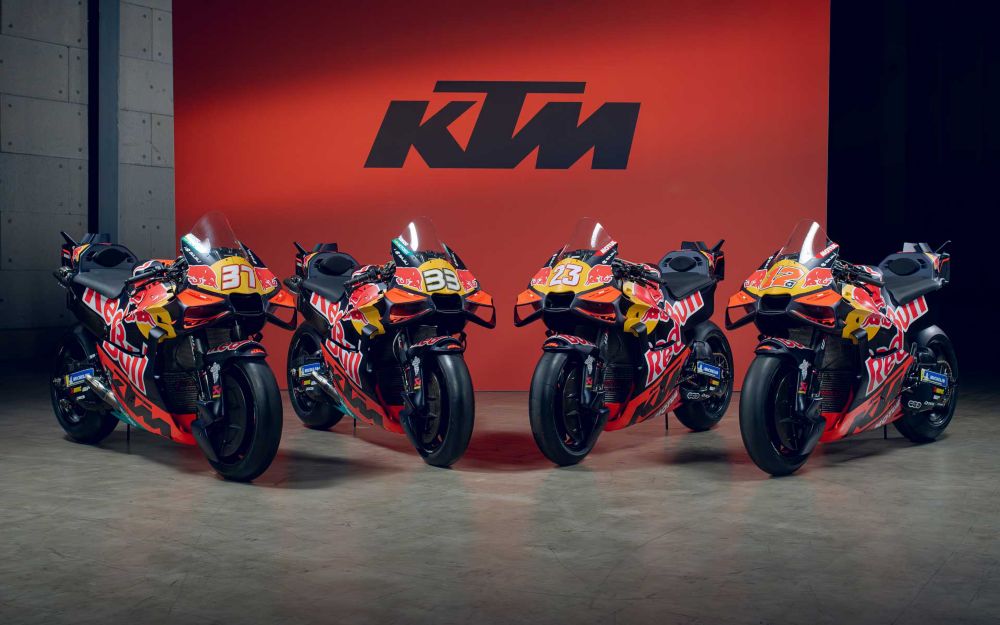
The KTM RC16 is more than a MotoGP prototype; it is the visible face of a wider industrial motorsport strategy. Launched as KTM's purpose-built MotoGP machine for the 2017 season, the RC16 showcases how an integrated manufacturer translates corporate scale, facilities and talent pipelines into a premier-class racing project.
Quick summary: The RC16 debuted in 2017 as KTM’s MotoGP prototype and has since been used across factory and partner teams. It embodies KTM Group’s industrial backing, consolidated motorsport facilities and a vertically integrated talent pipeline.
FIRST READING OF THE PROJECT
At first glance the RC16 is the deliberate statement of a manufacturer entering MotoGP with industrial backing. It is a purpose-built prototype developed to contest the premier class from 2017 onward, and it is presented not as a single-season experiment but as a sustained factory project. That positioning matters: KTM uses the RC16 to project a corporate "Ready to Race" philosophy and to align multiple motorsport brands under one technical and promotional umbrella.
FACTORY IDENTITY AND INDUSTRIAL SCALE
KTM’s MotoGP effort operates within the KTM Group industrial structure. The parent company oversees multiple brands and motorsport-related subsidiaries — including KTM Sportmotorcycle, Husqvarna, WP Suspension and GASGAS — which gives the MotoGP programme access to in-house capabilities beyond a standalone team. KTM has invested in consolidated motorsport infrastructure, notably a dedicated motorsport headquarters and logistics facilities in Munderfing, which centralise development and race operations.
ENGINE, PACKAGING AND TECHNICAL DIRECTION
The RC16 was developed from the ground up as a MotoGP prototype. KTM publicly presented the RC16 project through press releases and formal unveilings, making technical intent and packaging choices part of their external narrative. While specific internal architecture details are documented in official releases, the verified record emphasises that the RC16 is KTM’s bespoke effort to translate the company’s racing ambitions into a premier-class package rather than adapting a roadbike frame.
CHASSIS, AERO AND CONTROL STRATEGY
KTM marketed the RC16 within the same "Ready to Race" framework used across its disciplines, signalling integrated thinking about chassis, aerodynamics and component sourcing. The project uses KTM’s motorsport infrastructure to refine packaging and control strategies, and the company has repeatedly used PR channels to communicate developments and special RC16 items to the public. The RC16’s evolution is therefore tied to the group’s capability to focus engineering resources on prototype development and iteration.
DEVELOPMENT PATH AND FACTUAL MILESTONES
The RC16’s development and debut in 2017 was transitional for KTM, moving from off-road and other-racing dominance into sustained MotoGP involvement. KTM consolidated motorsport activities in Munderfing and publicly revealed the RC16 with independent media coverage in 2016. A clear milestone in the RC16 story is its role in securing MotoGP race victories for the manufacturer, a step that transformed the RC16 from a development project into a proven competitive platform.
SATELLITE ECOSYSTEM AND TALENT PIPELINE
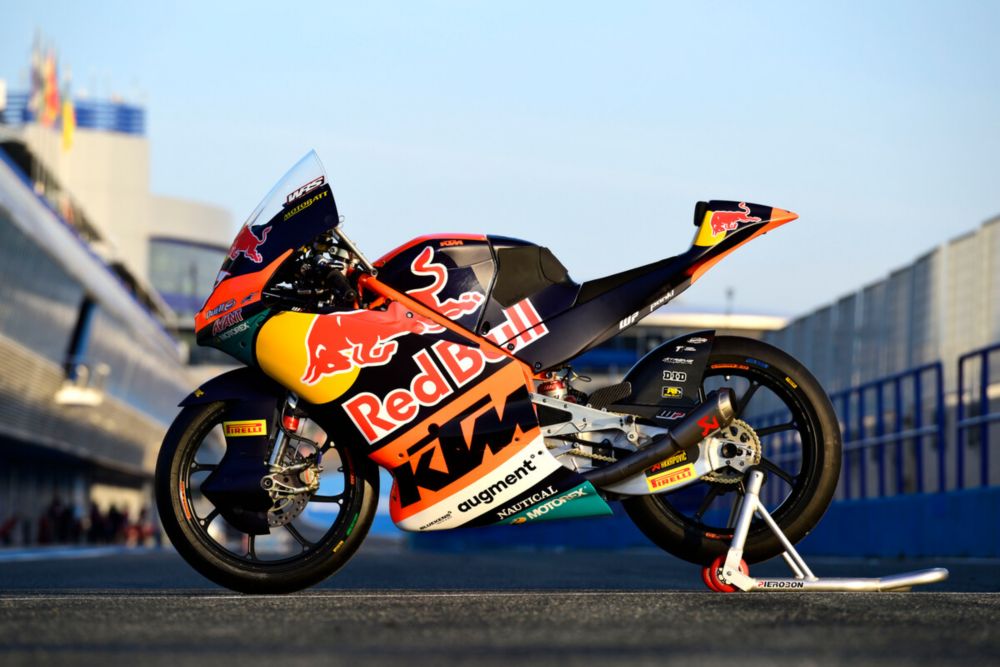
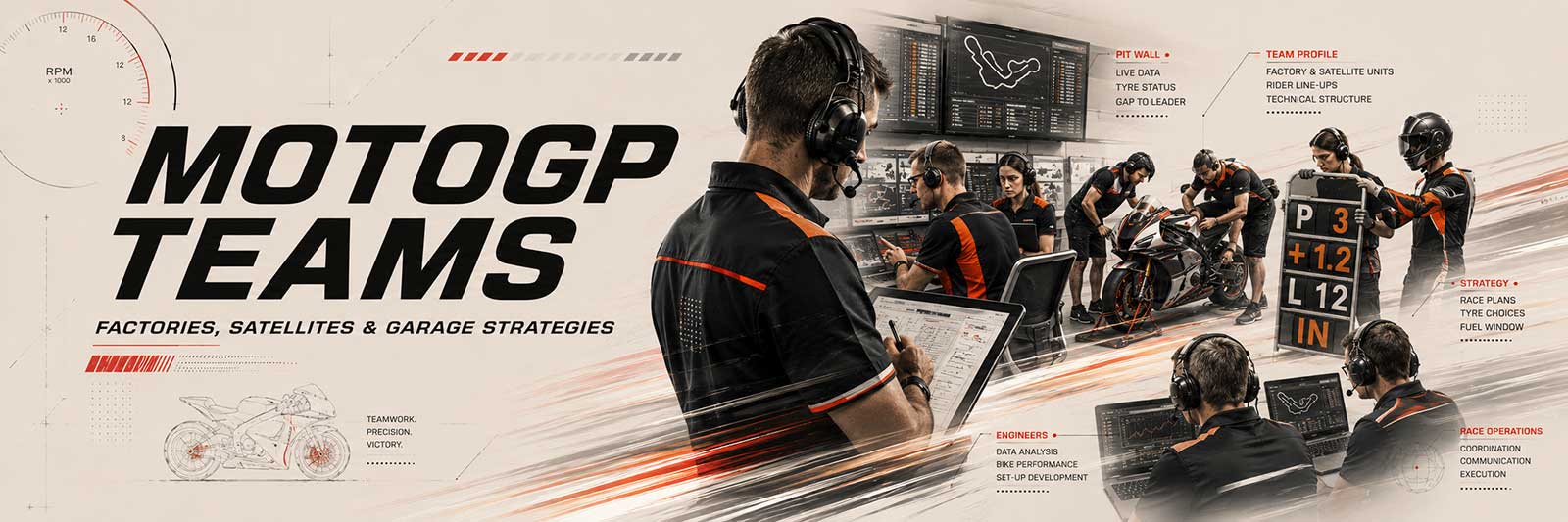
KTM operates the RC16 across both its factory outfit and partner teams. The company has multi-year agreements to supply RC16 machines to satellite squads — for example, Tech3 — which extends the constructor’s footprint on the grid and deepens data collection. Parallel to team deployment, KTM maintains a vertically integrated rider-development pipeline through partnerships such as Red Bull KTM Ajo and junior categories. That pipeline feeds talent into the MotoGP programme and aligns rider development with the manufacturer’s technical roadmap.
RIDER ADAPTATION AND PROJECT IMPLICATIONS
The way KTM structures factory and partner teams plus its development centres means riders enter a project that is industrially supported and strategically coherent. The RC16 sits within a system that encourages longer-term development relationships rather than one-off campaigns. This affects rider selection and adaptation: the factory can prioritise continuity, collect telemetry across multiple bikes and refine setups in a centralised environment.
HARD FACTS AND DEFENSIBLE CLUES
Useable facts that define KTM’s MotoGP identity are straightforward: the RC16 is a purpose-built MotoGP prototype introduced for the 2017 season; KTM fields a factory MotoGP team under Red Bull KTM Factory Racing and supplies RC16s to partner teams such as Tech3 under multi-year agreements; and the RC16 program sits inside a larger KTM Group industrial framework with consolidated motorsport facilities and multiple motorsport brands. KTM’s established success in other disciplines and corporate reporting further underline the company’s industrial capability to sustain a MotoGP project.
CLOSING INTERPRETATION
The RC16 is the most tangible expression of KTM’s industrial approach to motorsport: a purpose-built prototype backed by consolidated facilities, cross-brand engineering resources and a deliberate rider pipeline. Seen this way, KTM in MotoGP is not merely a single team but a manufacturer project that leverages corporate scale to build continuity, data depth and technical progression. The RC16 serves both as a racing machine and as a public showcase of how an integrated industrial group can enter and sustain competition at MotoGP level.
Author: William L.