MotoGP Spain: How Jerez's race results reveal the circuit's competitive test
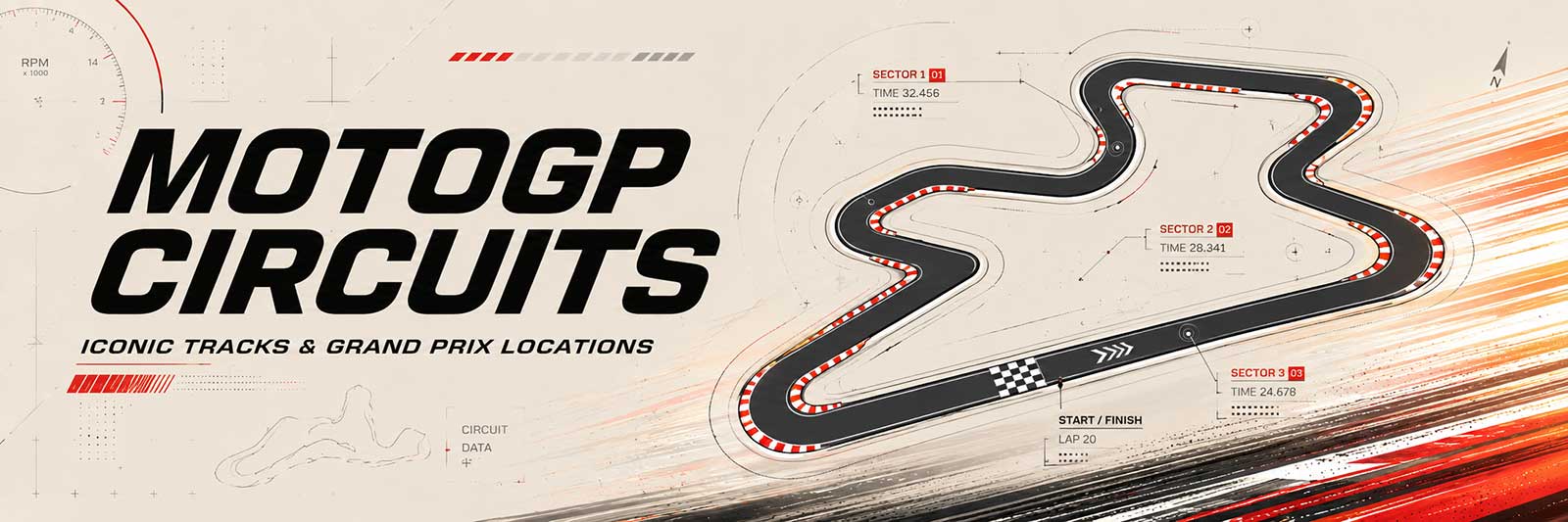
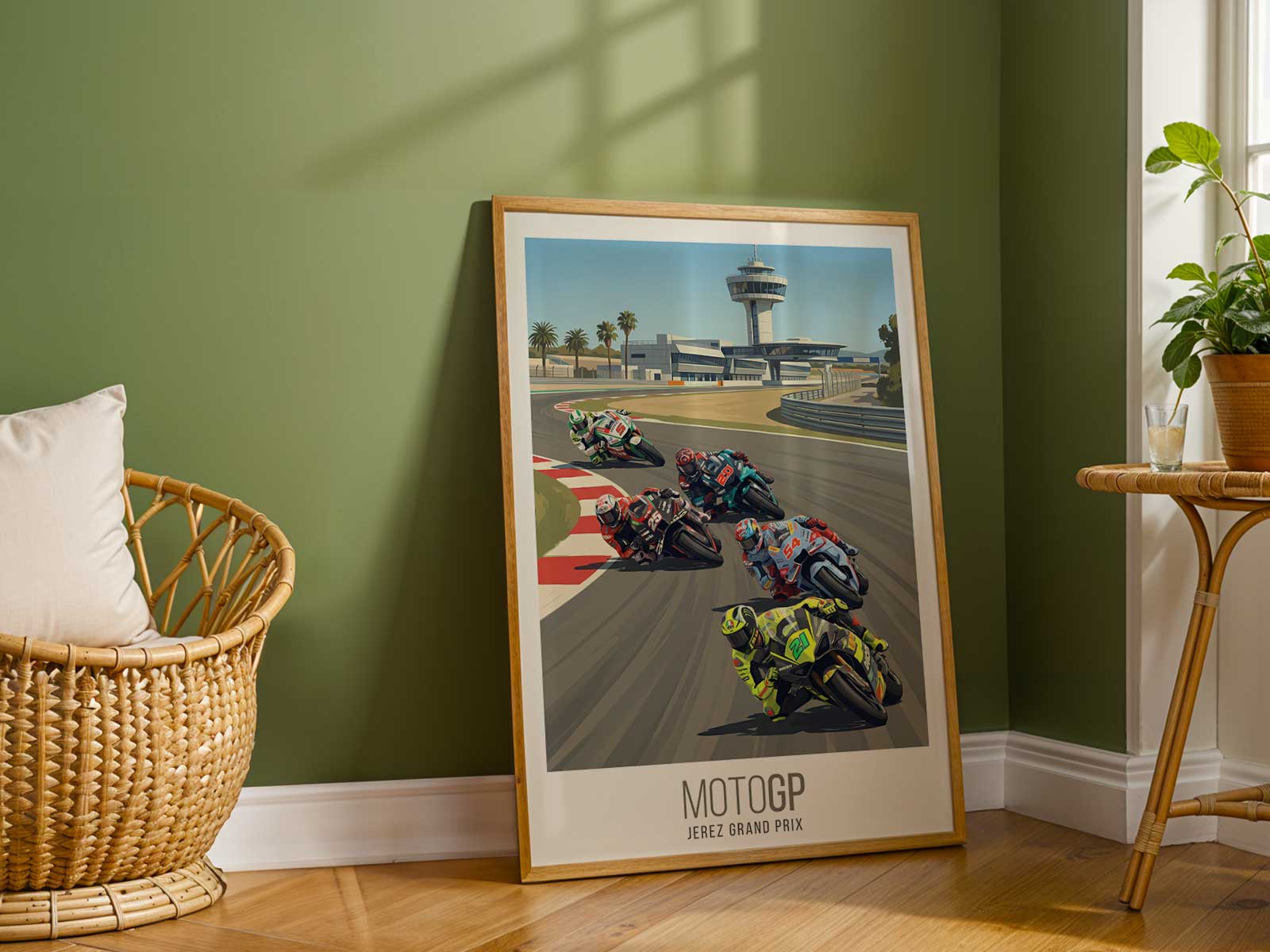
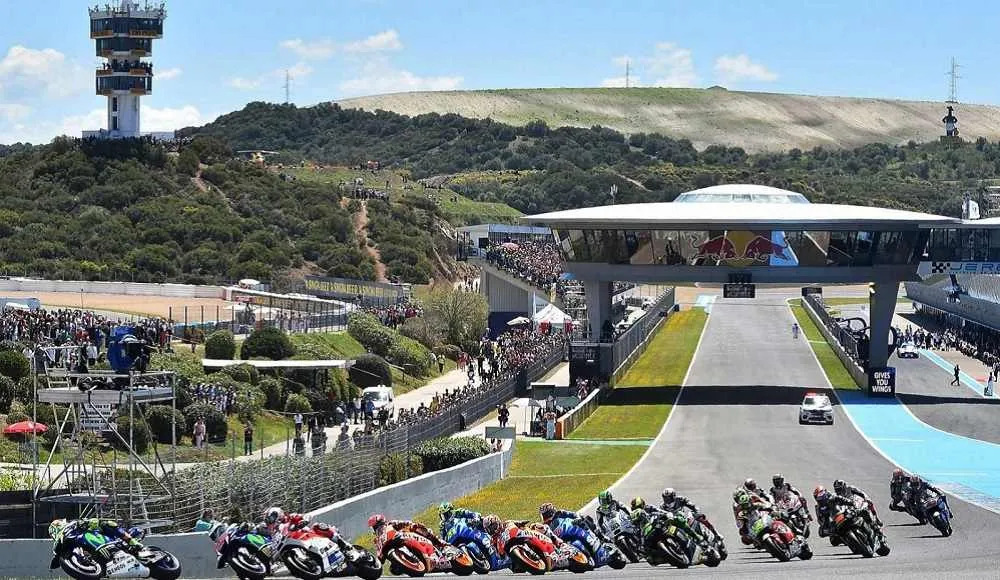
The Circuito de Jerez-Ángel Nieto has a clear competitive personality: a roughly 4.423 km layout of medium-speed corners, elevation changes and only limited long straights that put a premium on braking/acceleration performance and careful tyre management.
Quick summary
Jerez rewards machines and setups that deliver stable braking, strong off-the-turn acceleration and consistent mid-corner traction. The 26 April 2026 race — won by Alex Márquez with Marco Bezzecchi second and Fabio Di Giannantonio third — underlined how set-up choices and tyre management shape podium outcomes.
What this article covers
- How the circuit's layout translates into competitive patterns
- What the 2026 Jerez results illustrate about strategies and bike-rider matches
- Which race elements (braking, mid-corner traction, tyre life) typically decide outcomes
Quick access
What kind of race Jerez tends to produce
The physical profile of Circuito de Jerez — medium-speed bends, subtle elevation changes and a shortage of very long straights — produces races where corner speed, braking stability and exit traction matter more than raw top-end speed. That geometry compresses the field: time gained or lost in braking zones and through mid-corner arcs repeatedly reshuffles running order, so teams focus on lap-to-lap consistency rather than single-lap horsepower alone.
The riders and results that make sense here
While individual winners can come from different projects, the 26 April 2026 outcome (Alex Márquez P1, Marco Bezzecchi P2, Fabio Di Giannantonio P3) highlights riders who can extract consistent cornering and manage tyre life across the race distance. Jerez favours riders able to hold stable lines under braking, deliver controlled mid-corner speed and accelerate cleanly onto short straights — qualities that turn good single-lap pace into raceable advantage.
Manufacturer and bike patterns at Jerez
Because Jerez rewards braking performance and traction over long-run top speed, bikes that deliver predictable rear grip and stable chassis balance are at an advantage. The 2026 podium mix shows that a variety of projects can succeed when they prioritise those traits. Teams often focus setup on mechanical grip and braking stability rather than aggressive aerodynamic top-end solutions that matter more at circuits with long straights.
Why tyres, tyre management and setup choices decide outcomes
Jerez's corner sequence and limited straights turn tyre degradation and thermal management into race-defining variables. Race reports and technical commentary from 2026 emphasise mixed or variable conditions and how tyre strategy affected the result. Teams that find a compromise delivering consistent mid-corner traction while preserving tyre life across the distance are rewarded on race day.
Races that best explain the track's competitive truth
The 26 April 2026 round is a recent example: Alex Márquez converting performance into victory with Marco Bezzecchi and Fabio Di Giannantonio completing the podium shows that careful race management and setup choices trump one-off qualifying fireworks. The presence of a Sprint (25 April 2026) won by Marc Márquez with Alex Márquez P2 adds context: weekend form and short-race performance can differ from the full-length race because Jerez magnifies the importance of tyre conservation over race distance.
How era changes shape result patterns
Jerez's identity as a circuit that highlights braking and mid-corner grip remains constant even as bike architectures evolve. That continuity means tactical focus shifts — teams adapt electronics, suspension and tyre choices — but the underlying performance levers (grip through corners, stable braking) stay the decisive elements across different technical eras.
What the results suggest about rider–bike matches
The 2026 podium mix indicates that rider skill in extracting consistent cornering performance and managing tyres is critical to turning a competitive package into a win. At Jerez, rider-bike pairings that deliver predictable behaviour under braking and steady rear traction are the most likely to translate qualifying performance into race success.
What Jerez's results now tell us
Results from the 2026 Spanish Grand Prix reinforce Jerez’s competitive identity: a circuit that tests braking, stability and tyre management, rewarding riders and teams who prioritise those attributes. The track's layout and race outcomes show why weekend strategy often centers on setup compromises and tyre choices that preserve pace over the full race distance. For teams targeting consistent results at Jerez, the lesson is straightforward — deliver reliable mid-corner grip and control tyre degradation, and the circuit will reward that discipline.
Author: Cynthia D.