Inside Honda LCR Team: Structure, Honda Relationship and Rider Dynamics
LCR (Lucio Cecchinello Racing) is one of MotoGP's longest-standing satellite operations. Founded in 1996 by former Grand Prix rider Lucio Cecchinello, the team has grown from a two-mechanic outfit into a multi-faceted organisation that competes in MotoGP with Honda machinery while maintaining a distinct identity in the paddock.
Summary: LCR is a Honda satellite operation led by founder Lucio Cecchinello. The team receives factory support from HRC, has evolved its technical structure closer to a factory model, runs multiple sponsored entries and includes an LCR E-Team under the same umbrella.
First reading: team identity and position in the paddock
At first glance the Honda LCR Team presents as a professional satellite team with deep longevity. Founded and still led by Lucio Cecchinello, its identity is rooted in continuity: a private team that operates at the premier level while leveraging a stable relationship with a major manufacturer. That history gives LCR a recognizable paddock presence—not as a factory works outfit, but as an experienced independent partner that has scaled up progressively since 1996.
Factory, satellite, or hybrid role
LCR is officially a Honda satellite team. It fields MotoGP entries under sponsored names and receives factory support from Honda (HRC). Over time the team has adopted elements of a factory-style organisation, narrowing the practical gap in technical capability while remaining structurally independent from Honda’s works team.
Relationship to the manufacturer
The interaction between LCR and Honda is a partnership: LCR races Honda machinery and benefits from factory support while maintaining its own management and sporting decisions. Public material confirms multi-year agreements with Honda through at least 2026, demonstrating a stable commercial and technical link rather than a one-off supply relationship.
Garage structure and engineering culture
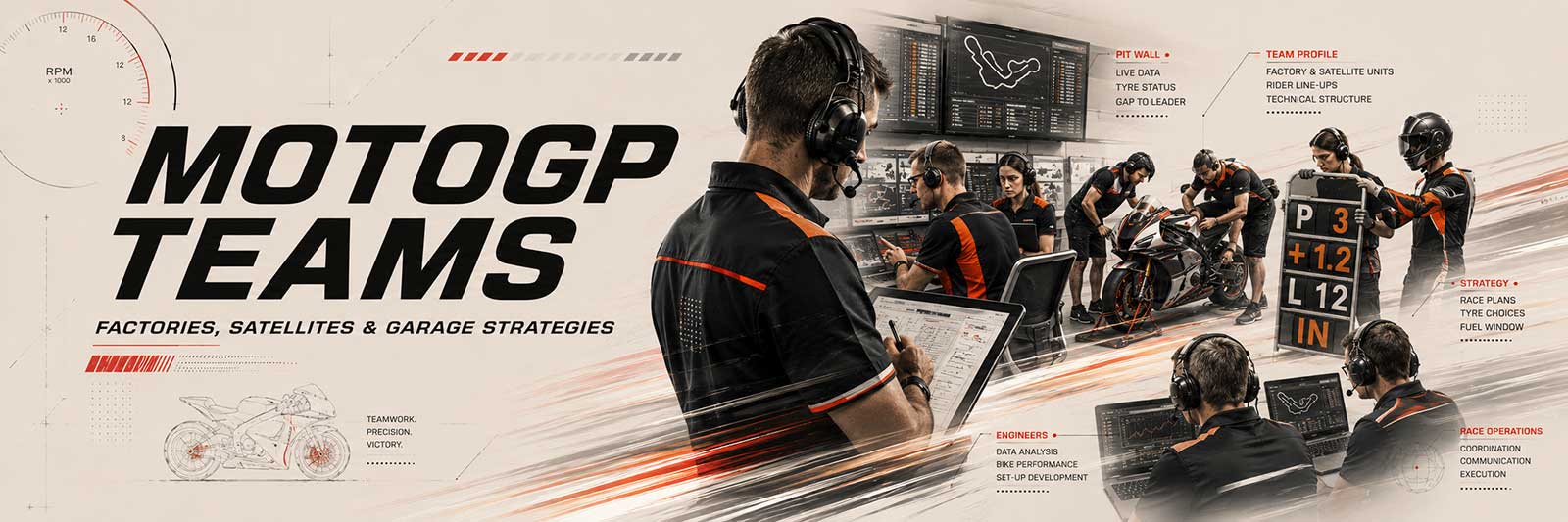
Lucio Cecchinello built LCR from a minimal starting point into a structured team that now contains technical staff and a MotoE division under the LCR umbrella. In 2022 the team publicly described structural and technical changes aimed at moving its organisation closer to a factory model. Those changes suggest a deliberate engineering culture focused on professionalising data workflows, staffing and race-week processes while keeping the operational autonomy typical of satellite teams.
Rider pairing and competitive identity
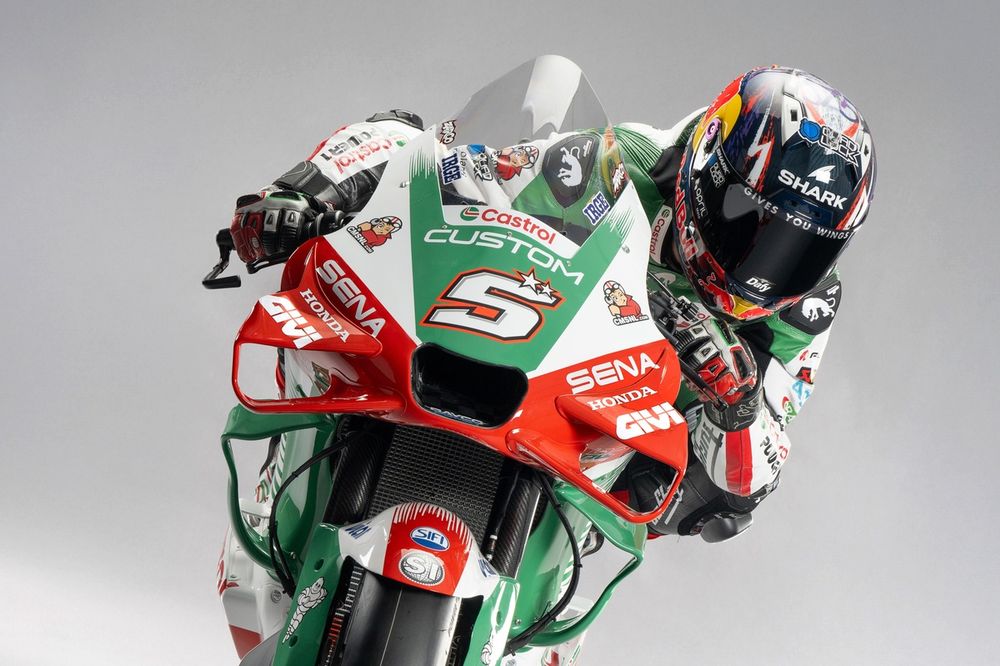
LCR’s competitive identity is shaped by its rider line-ups and how the team integrates those riders into a satellite programme. Verified line-up reporting includes riders such as Johann Zarco and Diogo Moreira for recent seasons. Running distinct sponsored entries with split liveries reflects a commercial strategy that also creates clear rider-team branding. As a satellite operation, LCR’s rider choices and support structure must balance individual development, race results and the technical input that comes via Honda.
Development, season direction and race-weekend role
Public reporting indicates LCR has intentionally adjusted its technical structure to behave more like a factory team in development terms. That approach affects how it prepares for a season: closer integration of technical staff and clearer processes tend to improve a team’s ability to implement upgrades, manage tyre and setup choices and respond to mid-season changes. As a satellite team with factory support, LCR can realistically aim to capitalise on Honda resources while preserving operational agility.
History and paddock context
Founded in 1996 by Lucio Cecchinello, LCR’s trajectory from a two-mechanic van operation to a comprehensive MotoGP team explains much of its present character. The team now runs multiple sponsored entries and a MotoE operation under the same umbrella. Its long-term presence and confirmed multi-year ties with Honda anchor LCR as a stable, professional actor in the paddock.
Closing interpretation
LCR occupies the space between independent team and factory-aligned partner. Its value to MotoGP lies in longevity, consistent leadership under Lucio Cecchinello, and an organisational evolution that brings satellite operations closer to factory standards without eliminating independence. For readers who follow team structures and competitive strategy, LCR illustrates how a private team can scale technical capability, secure sustained manufacturer support and preserve a distinct paddock identity.
Author: Cynthia D.