motogp ducati panigale: Why the Panigale is not the Desmosedici GP — technical…
The phrase "motogp ducati panigale" often reflects confusion between two very different machines: the road-legal Ducati Panigale (a high-performance production superbike) and the Desmosedici GP (Ducati’s purpose-built MotoGP prototype). This article explains, in concrete MotoGP terms, what separates a homologated Panigale V4 from a Desmosedici GP and why those differences matter on track.
Quick answer
The Panigale V4 is a production superbike using the Desmosedici Stradale V4 engine family and road-focused systems; the Desmosedici GP is a dedicated MotoGP prototype built under Grand Prix regulations with bespoke packaging, aero, electronics and race-tuned architecture.
What this article explains
- How the Panigale’s Desmosedici Stradale V4 links conceptually to the Desmosedici GP but remains a production engine.
- Which architectural and regulatory constraints shape production versus prototype bikes.
- How differences in aero, electronics and setup change rider technique and track behaviour.
Visual reading: production bodywork vs bespoke race package
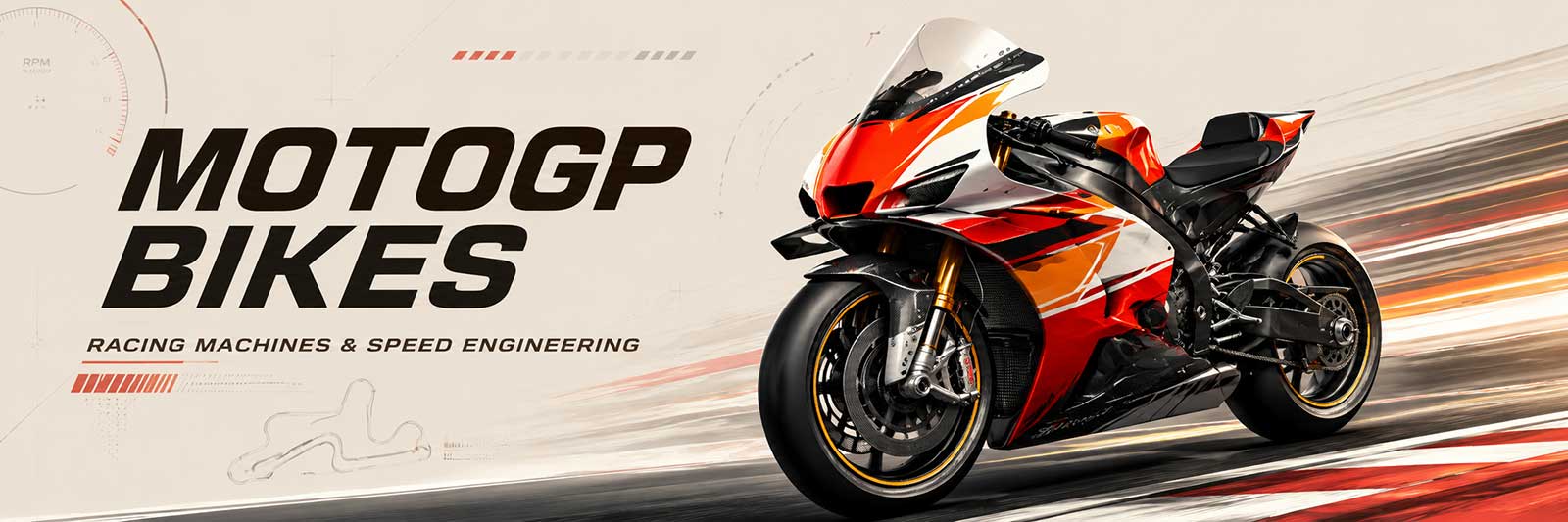
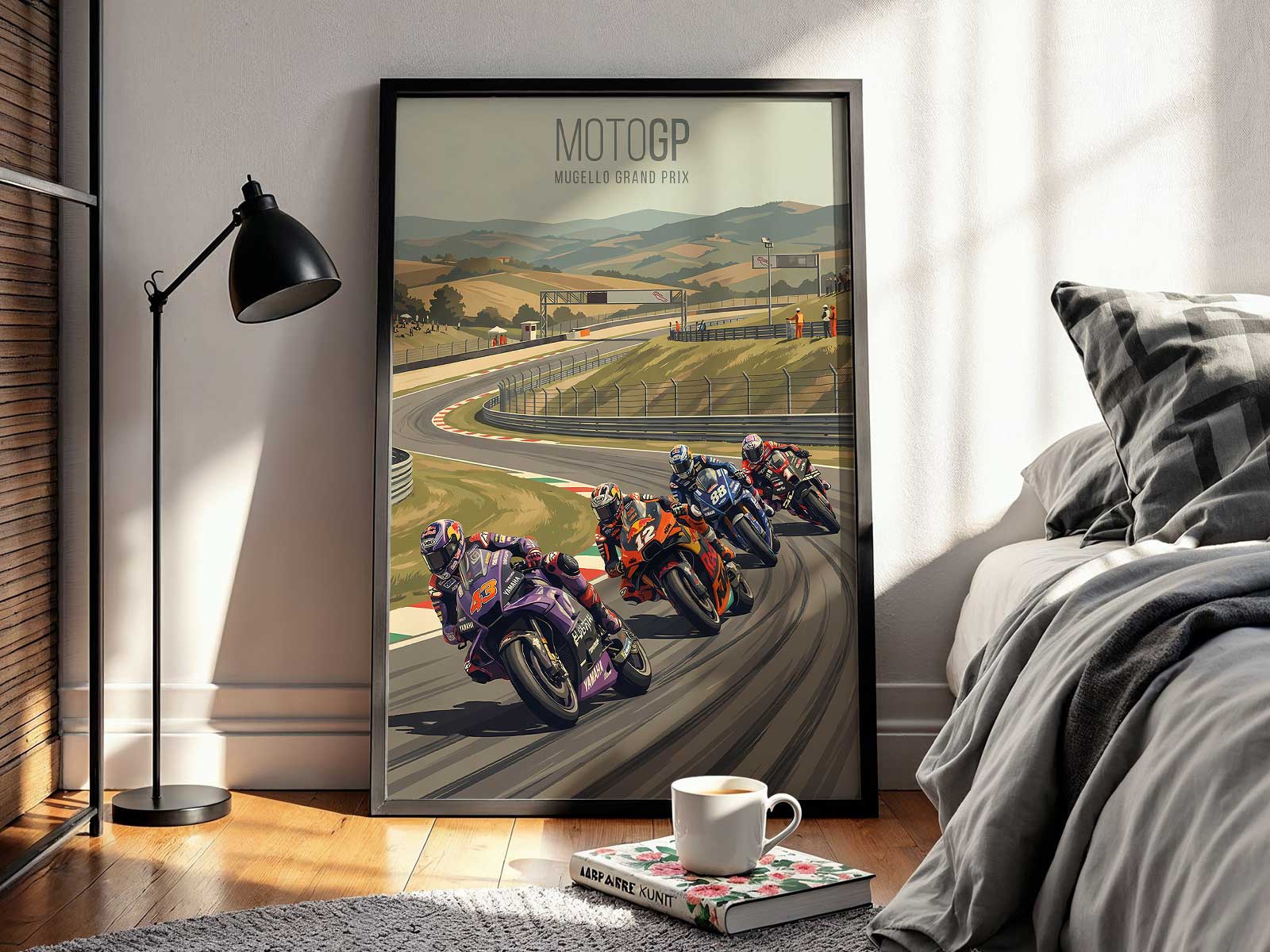
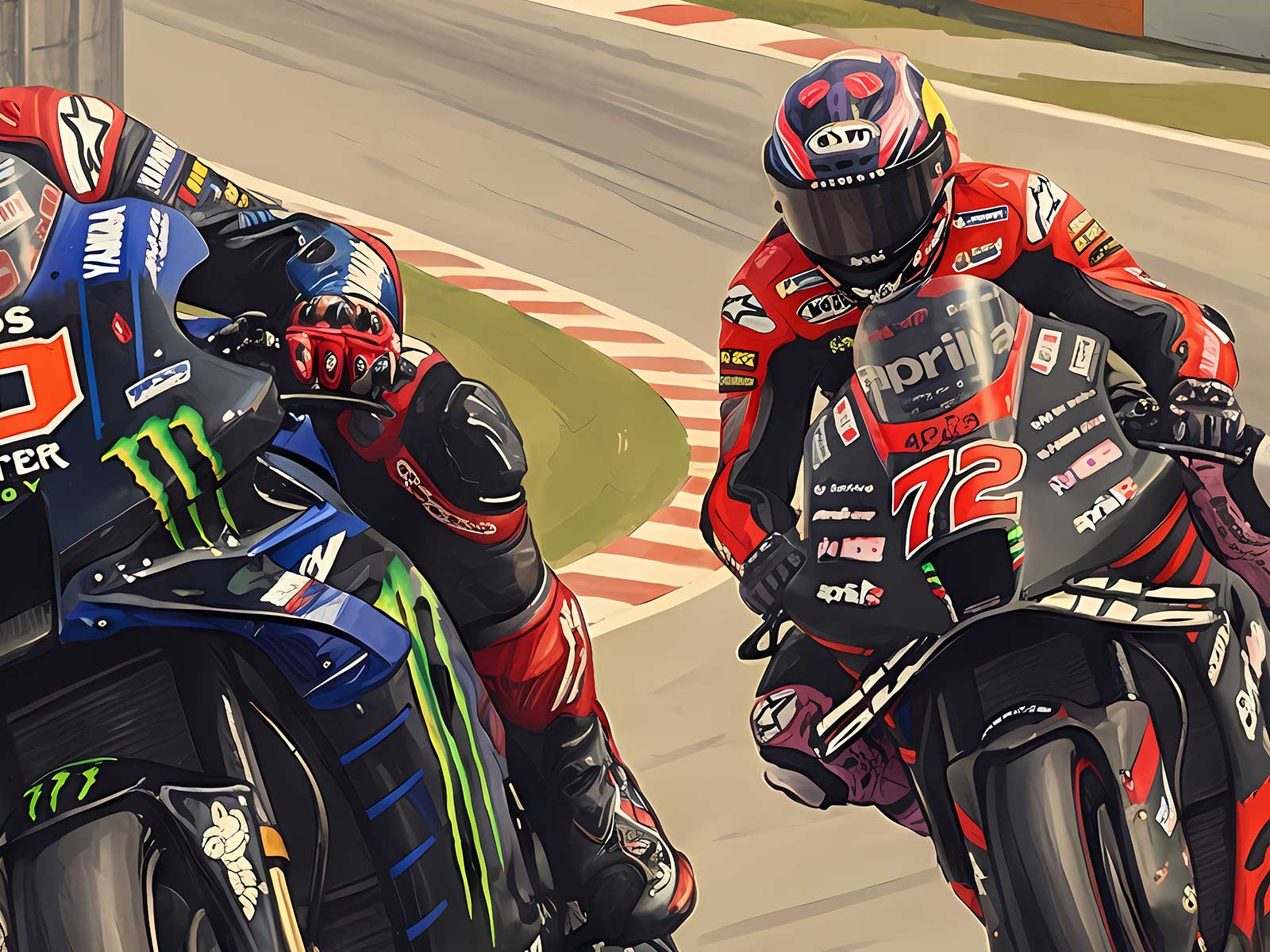
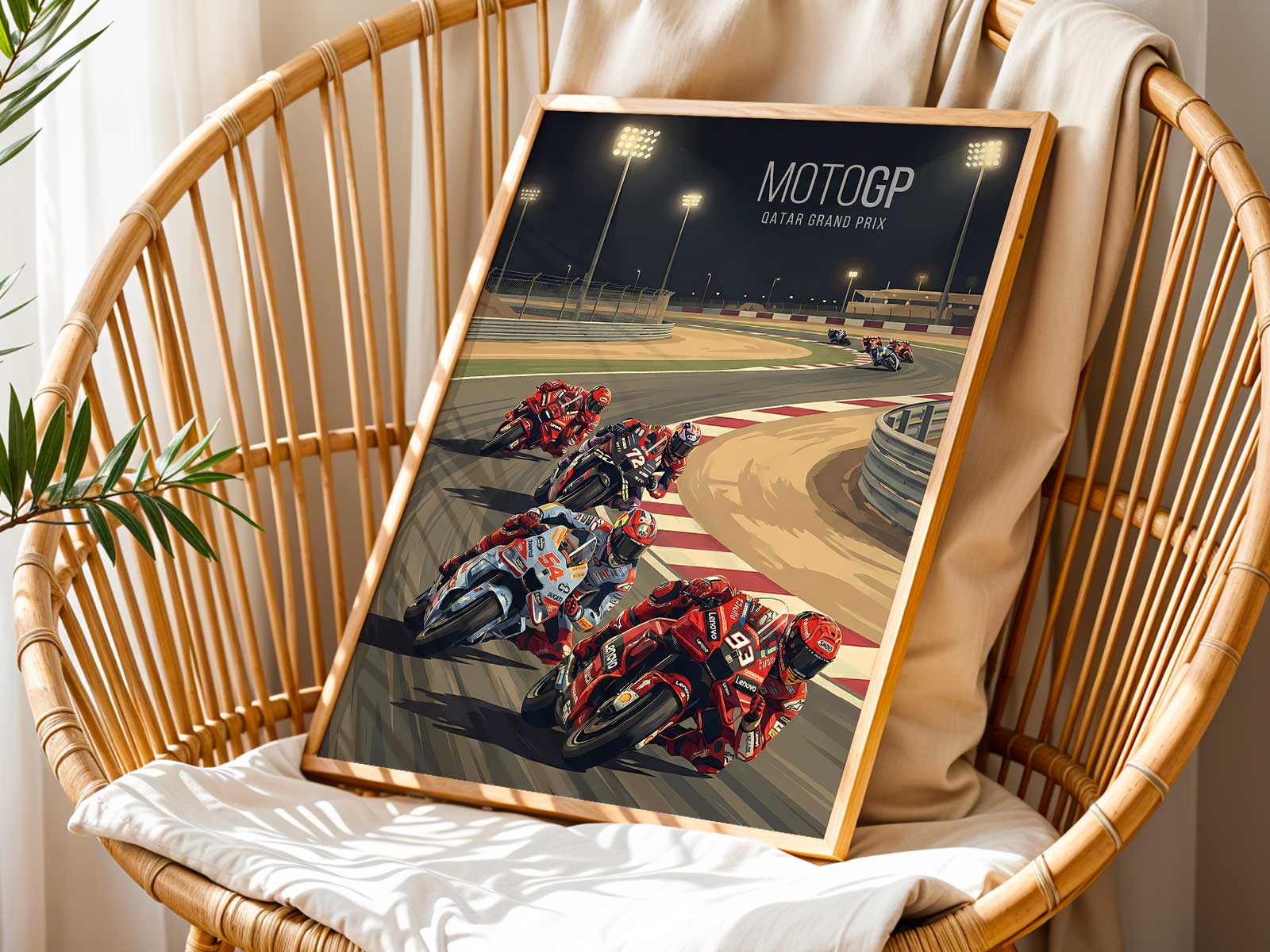
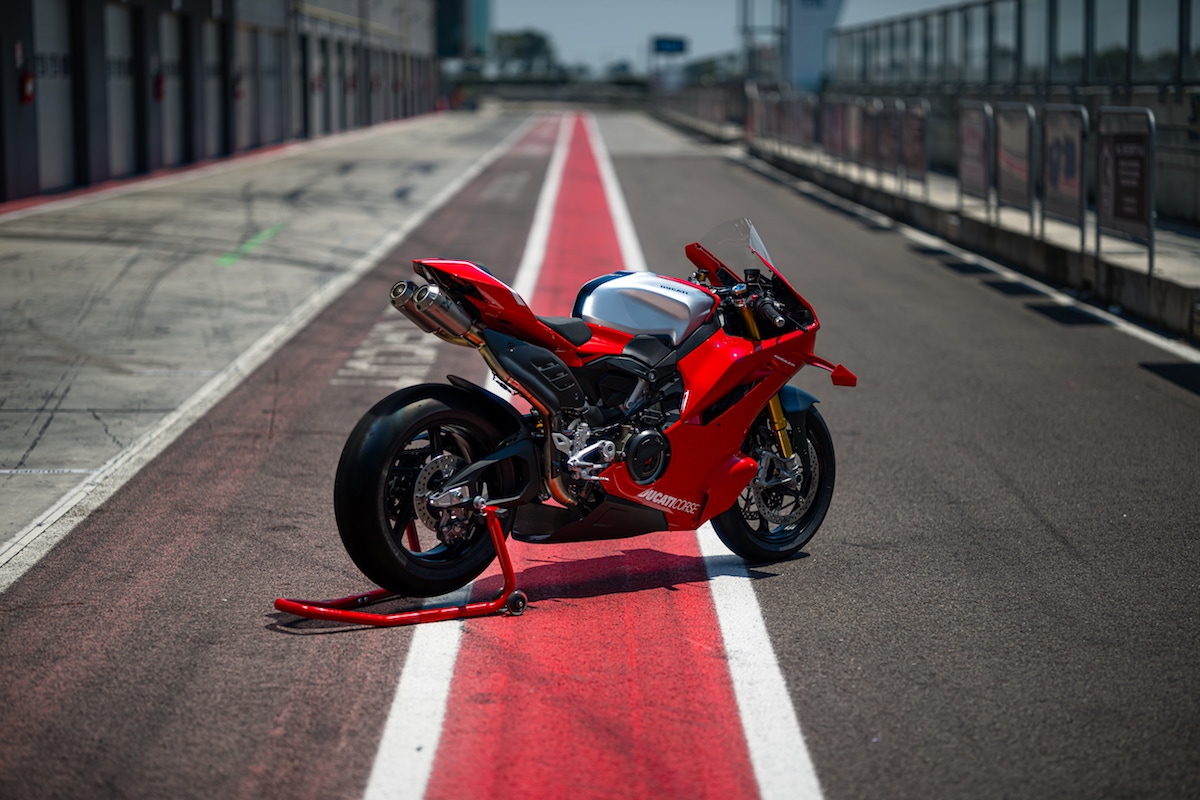
At a glance a Panigale V4 and a Desmosedici GP share Ducati design DNA, yet their purposes drive very different bodywork choices. The Panigale’s fairing and wings are developed for road use and homologation—balancing downforce, rider ergonomics and legal requirements—whereas Desmosedici GP fairings are bespoke aerodynamic solutions created within MotoGP rules to maximise race performance. The prototype’s packaging prioritises cooling, aerodynamic efficiency and rider interface for short, high-intensity race stints rather than street comfort or noise and emissions constraints.
Engine layout and drive character
Both machines show Ducati’s V4 thinking, but in different contexts. The Panigale V4 uses the Desmosedici Stradale V4 architecture as a production engine: a 90° V4 concept derived from Ducati’s MotoGP line and tuned for road homologation, emissions and durability. The Desmosedici GP, by contrast, is a purpose-built MotoGP power unit engineered solely for maximum race performance within Grand Prix rules. That distinction changes tuning, peak power delivery, and the usable rev range: production engines are detuned and constrained by homologation needs, while GP engines target the highest possible power and race-specific delivery characteristics.
Chassis balance and turning feel
Production Panigales are designed around a package that includes rider ergonomics, comfort and predictable turn-in for road and track-day use. That means frames, swingarms and mounting points are developed with broader use-cases in mind. The Desmosedici GP is engineered as a prototype: its chassis philosophy is free to prioritise minimal mass distribution, extreme stiffness/deflection trade-offs and race-optimised geometry within the rules. The result on track is a narrower operating envelope for the GP bike—higher peak performance but requiring more precise setup and rider adaptation—while the Panigale aims to offer a more accessible handling balance for a wider range of riders.
Aero, bodywork and packaging
MotoGP regulations allow teams to develop advanced aerodynamic devices within limits; Desmosedici GP fairings and winglets are therefore bespoke and tuned for downforce, stability under braking and high-speed stability. Panigale models include high-performance aerodynamic solutions that borrow concepts from racing, including wings on recent V4s, but these are implemented with homologation and road safety in mind. Packaging differences also affect fuel tank shape, cooling ducts and rider space: prototypes are optimised strictly for race stints and lap-time, whereas production machines must satisfy real-world packaging constraints.
Electronics and the control layer
MotoGP machines run race-focused electronics under a regulated framework that includes a mandated official ECU and IMU; these systems are highly configurable for traction control, engine braking, launch control and more within Grand Prix rules. Production Panigales ship with advanced rider aids—traction control, ABS, slide control and multiple power maps—designed to make high performance safer and more usable on the road and on private circuits. In short: GP electronics are integrated into a purpose-built package to squeeze lap-time under race conditions, while Panigale electronics aim to broaden the bike’s usable performance for non-professional riders.
Braking, tyres and track contact
The Desmosedici GP is set up around race tyre compounds, extreme brake cooling and maximised deceleration consistent with MotoGP competition. Production Panigales are fitted and tuned for road-legal tyres and track-day competition, with braking systems and ABS calibrated for safety and repeatability across varied conditions. On track the practical difference is that GP bikes operate with narrower windows for optimal tyre temperature and brake behaviour, while the Panigale’s systems are engineered to be more forgiving and consistent across a wider operating range.
Development path and technical evolution
Ducati openly links Panigale engineering to lessons from MotoGP, and the Desmosedici family has historically influenced production V4 design thinking. However, the route from GP concept to production is constrained: the Panigale must meet homologation, emissions and road-safety requirements, so technologies are adapted rather than copied directly. The Desmosedici GP remains a factory racing platform developed specifically for the MotoGP championship and its ruleset; occasional limited-production exceptions that mimic GP machines historically (such as the Desmosedici RR) are rare and not the norm.
Rider workload and closing interpretation
Because the Desmosedici GP is a prototype designed for short, intense racing, it demands precise inputs, specialised setup work and a rider who can operate in a narrow performance window. The Panigale V4, while extremely fast and derived from Ducati’s racing lineage, is purpose-built for road use so its ergonomics, electronics and chassis deliver a more tolerant, usable package for a broader range of riders. Understanding "motogp ducati panigale" therefore means recognising the Panigale as a production superbike that inherits design ideas from MotoGP but remains distinct from the Desmosedici GP prototype in architecture, aero, electronics and required riding technique.
Author: Eric M.