Acosta MotoGP: Decoding Pedro Acosta’s Riding Signature and Technical Track…
Pedro Acosta has become one of MotoGP’s most discussed riders because of a riding style that technical staff, rivals and journalists repeatedly call "special." This article examines what that signature actually means on track: the concrete behaviours, the ways he adapts to KTM machinery, and the evidence that his technique is an evolving, measurable force rather than mythology.
Quick summary: Multiple reputable sources, team staff and peers describe Acosta as unusually accurate and focused. Analysts highlight his capacity to extract extra performance and to adapt his style within the KTM programme.
Preview links:
FIRST TECHNICAL READING OF THE RIDER
Across specialist features and team commentary, Acosta’s riding is framed as distinct because it combines pinpoint accuracy with unconventional inputs that nonetheless produce speed. Observers — including teammates, rivals and journalists — use phrases such as "special" and speak of his ability to "grab extra performance." Those descriptions come from consistent technical readings rather than isolated praise: the consensus is that his technique reveals a precise way of making the KTM behave under load.
Importantly, coverage emphasises that this is not a static trait. Reporting notes his focus and an ongoing adaptation to premier-class machinery and setups, so his signature is best seen as an evolving technical profile rather than a fixed habit.
BRAKING AND CORNER ENTRY
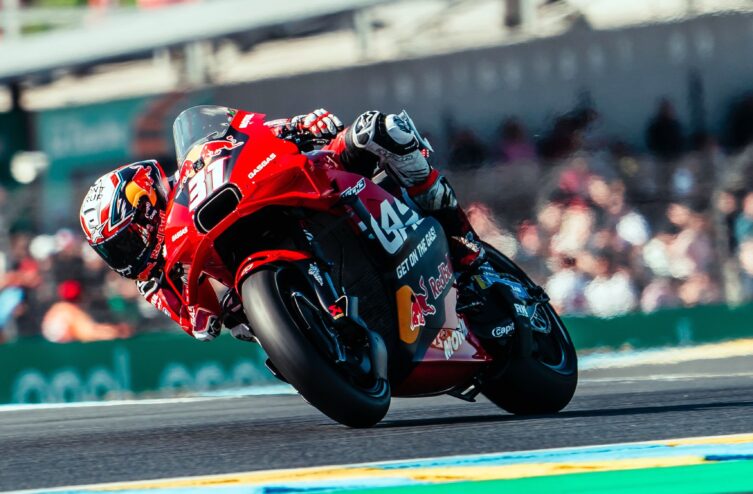
Media analysis and rider testimony highlight Acosta’s corner-entry actions as a defining element of his style. Technical features describe unusual inputs at entry and a capacity to commit in ways that extract extra deceleration performance from the bike. Peers and team personnel credit this phase with helping him carry competitive mid-turn speed.
Those same accounts stress front-end confidence: when commentators call his riding "very accurate," they are pointing to a consistent ability to place the bike precisely at turn-in and to take margins that others perceive as tight but controllable.
MID-CORNER AND LINE CHOICE
Analysts who have studied Acosta note that his mid-corner behaviour is about preserving momentum through accuracy rather than extreme body theatrics. Reports emphasise line discipline and a measured approach that keeps the bike "on rails," a phrase used by commentators and teammates to describe how he reads a circuit’s geometry and finds a consistent racing line.
That mid-corner accuracy is part of why technical observers say he can "defy" expectations: by placing the bike precisely and managing lean and roll-on points tightly, he often sustains exit windows that maximise traction potential.
EXIT TRACTION AND TYRE MANAGEMENT
Sources link Acosta’s exit performance to his ability to extract incremental gains from the rear tyre. Technical pieces and team comments describe him as able to "grab extra performance" on corner exit, implying fine control of throttle application and a knack for minimising disruptive slip or wheelspin in race conditions.
Journalists and KTM staff also highlight that these advantages are influenced by setup and adaptation. Observers underline that tyre management and exit traction are areas where his accuracy translates into real lap-time benefit.
RACECRAFT AND DUEL INTELLIGENCE
Rivals and commentators repeatedly praise Acosta’s capacity to read a track and manage direct battles. The commentary available describes a rider who combines commitment with precision, able to place the bike in tight windows and control engagements without resorting to reckless moves.
That practical duel intelligence is part technical and part mental: interviews with Acosta stress his focus and acceptance of pressure, while peers note his impressive composure when executing narrow overtakes or defending marginal lines.
ADAPTATION TO BIKE, TYRES, OR CONDITIONS
Verified reporting documents adjustments to Acosta’s style and setup as he and his team refine the fit between rider and KTM MotoGP package. Articles describe specific phases where he changed aspects of his technique to better match what the KTM needed, demonstrating an openness to evolve his riding rather than rigidly sticking to one approach.
That willingness to adapt underlines a core part of his signature: accuracy combined with pragmatic changes that align his natural inputs to the machine’s demands. Team sources frame this as one reason technical staff rate him highly for long-term development potential.
CAREER ARC AND COMPETITIVE CONTEXT
Profile pieces and interviews provide the factual foundation behind the technical reputation: MotoGP coverage records Acosta’s progression, public comments about living with pressure, and ongoing features in reputable outlets. Those items create a defensible context in which the stylistic observations sit: he is widely observed, analysed and quoted in the sport’s mainstream coverage.
Crucially, the documented context supports the interpretation that his riding signature is both real and subject to refinement as he adapts to premier-class challenges.
CLOSING INTERPRETATION
What emerges from the verified coverage is a clear, defensible portrait: Pedro Acosta’s MotoGP riding signature is defined by exceptional accuracy, unconventional but effective inputs at entry and exit, and a capacity to extract extra performance through precise execution. That signature is not mythic—it is repeatedly observed, discussed by peers and engineers, and shown to be adaptable as he and KTM tune his approach.
For technical observers and fans, the most valuable takeaway is that Acosta’s style is both a present advantage and a work in progress: a distinctive technical identity that gains potency because he listens, adapts and converts focus into measurable on-track behaviour.
Author: William L.