Marc Márquez Ducati: Assessing Competitiveness from Results and Technical…
Marc Márquez's switch to the Ducati Lenovo Team reshaped MotoGP storylines from 2025 onwards. Using verified results and reporting from 2025–2026, this article examines what the on-track record — championship success in 2025 alongside intermittent technical and setup issues into 2026 — tells us about the competitiveness of Márquez's Ducati machinery.
Summary
Marc Márquez joined Ducati for 2025 and immediately produced top-level sporting outcomes, including multiple wins and the 2025 MotoGP World Championship. Across 2025–2026, that clear peak coexisted with reports of technical complexities and mixed rider responses to Ducati's evolving aero and package choices.
Quick reader preview
- 2025: Márquez delivered championship-winning performance on Ducati machinery.
- 2026: Ducati development brought aero/package changes that produced divergent rider sensations and occasional technical headaches.
- Factory commitment: contract extended through 2028, signalling continued development around Márquez.
Quick access
First performance signals
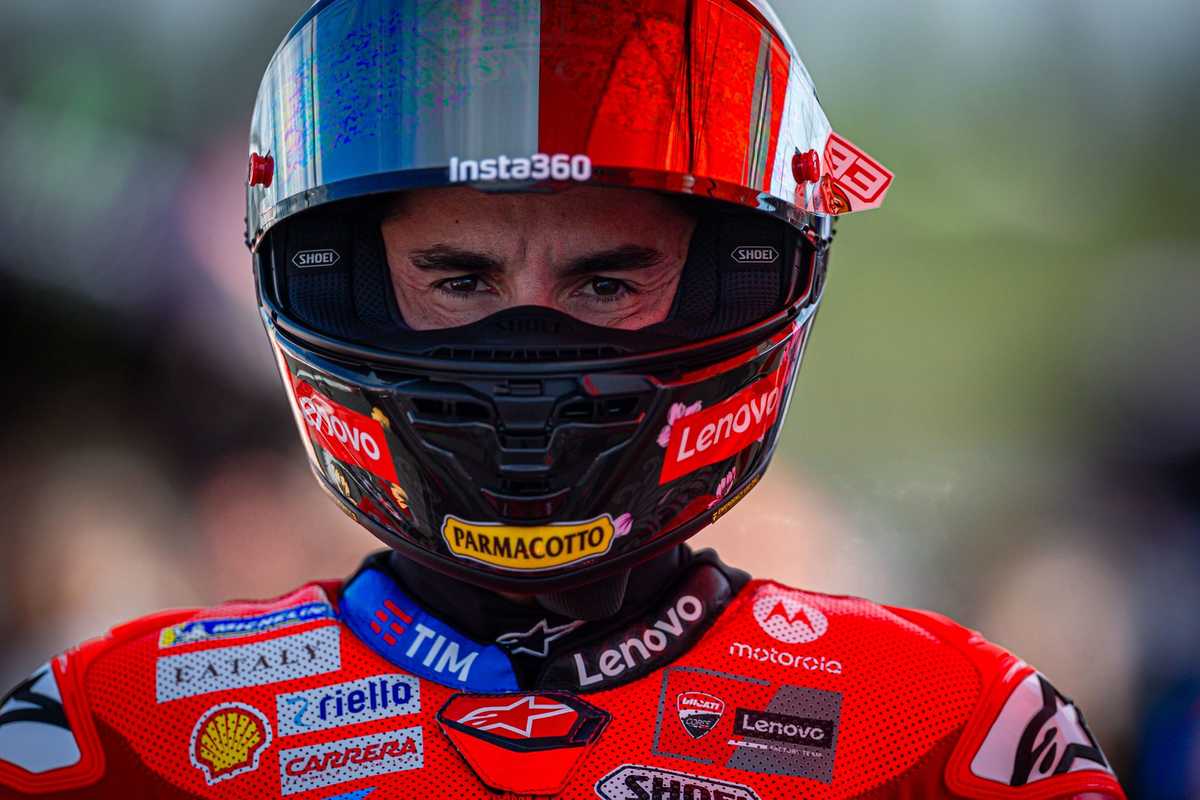
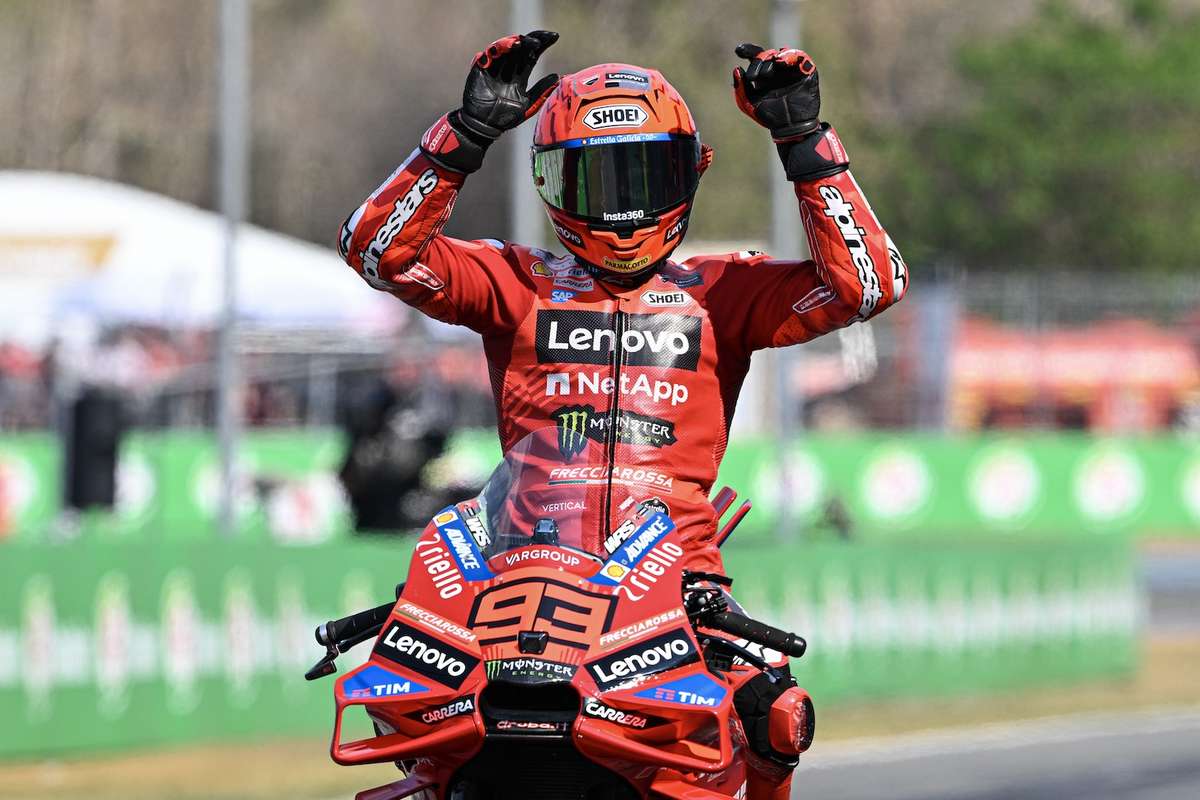
Marc Márquez's move to the Ducati Lenovo Team was publicly confirmed in June 2024 for a contract starting in 2025. The first season with the factory Ducati produced the clearest performance signal: Márquez achieved multiple Sprint and Grand Prix victories and secured the 2025 MotoGP World Championship while riding Ducati machinery. That immediate competitive peak establishes that the package, as campaigned in 2025 with Márquez aboard, was capable of championship-winning results under race conditions.
Peak seasons and strong periods
The verified record identifies 2025 as the peak season for the Márquez–Ducati pairing: race wins in both Sprint and Grand Prix formats and the season title itself demonstrate raw peak performance and race-winning capability. From a sporting perspective, that outcome is the strongest single piece of evidence that the Ducati package could deliver consistent top-level lap speed, race pace and weekend execution at least across the 2025 campaign.
Technical developments and package choices
Ducati continued development into 2026, introducing aero and package updates as the project moved from GP25 toward GP26 iterations. MotoGP reporting in May 2026 documented those aero changes and noted that Márquez sometimes preferred to continue using the GP25-spec aero/package rather than the newer 2026 option. That behaviour is relevant: it signals a rider-specific response to development direction and points to fine margins where an updated package did not uniformly suit every rider.
Where it won and why
The available verified facts establish that Márquez achieved multiple Sprints and Grand Prix wins in 2025, culminating in the championship. Those results indicate the Ducati machinery — in the hands of Márquez and the factory team setup of 2025 — could convert qualifying speed and race pace into victories across the season. While a complete race-by-race dataset is not supplied in the verified block, the championship result itself is strong evidence of the bike's ability to perform at circuits and conditions that season demanded.
Where it struggled
Alongside success, reporting across 2025–2026 documented intermittent technical or set‑up difficulties for Ducati riders. Analysis pieces and media coverage highlighted handling and entry-of-corner sensations tied to package evolution, and there were weekends where Márquez experienced crashes or technical problems that attracted media attention and post‑race scrutiny. These occurrences demonstrate that development steps, particularly aero and package changes introduced in 2026, created phases where the bike's behaviour was more difficult to manage consistently for some riders.
Riders and extraction of performance
The facts show Márquez both unlocked the bike's potential — delivering the 2025 title — and reacted cautiously to some 2026 updates, at times preferring the older GP25 aero. That contrast underscores two points: first, Márquez was able to extract championship-level performance from Ducati equipment; second, rider preference and style mattered when Ducati shifted aero/package direction. Media reporting suggests different riders had differing sensations with the new iterations, making rider-specific setup choices and package selection an important part of extracting peak performance.
Consistency, podiums and championship weight
Winning the 2025 World Championship implies more than isolated victories: it requires repeatable competitiveness across a season. The verified material confirms Márquez converted speed into multiple wins and accumulated results sufficient to claim the title. However, the same sources also indicate uneven stretches tied to development or technical issues in the following season, which tempered the narrative of uninterrupted dominance and highlighted the importance of consistent package harmony between rider and machine.
What the results really say about the bike
Taken together, the verified facts produce a balanced sporting reading. The Ducati machinery that Márquez rode was clearly capable of delivering championship-winning performance when rider, setup and package were aligned — as evidenced by 2025. At the same time, ongoing development into 2026 introduced aero and package options that did not produce identical feelings for every rider and led to episodes of technical concern and race incidents. The results therefore paint a picture of a high‑performance machine whose peak potential produced top honours, but whose continual evolution required careful adaptation to maintain consistent extraction across all riders and tracks.
Outlook and factory commitment
Ducati's decision to extend Márquez's contract through 2027 and 2028 signals factory confidence and a commitment to continue developing the package with Márquez as a long-term reference. For sporting competitiveness, that continuity matters: sustained factory support and a stable rider partnership increase the likelihood that development paths will be refined to balance peak performance with consistent rideability across circuits.
Author: Alex R.