Decoding the Honda RC213V Performance Crisis: Results, Grip and Vibration Limits
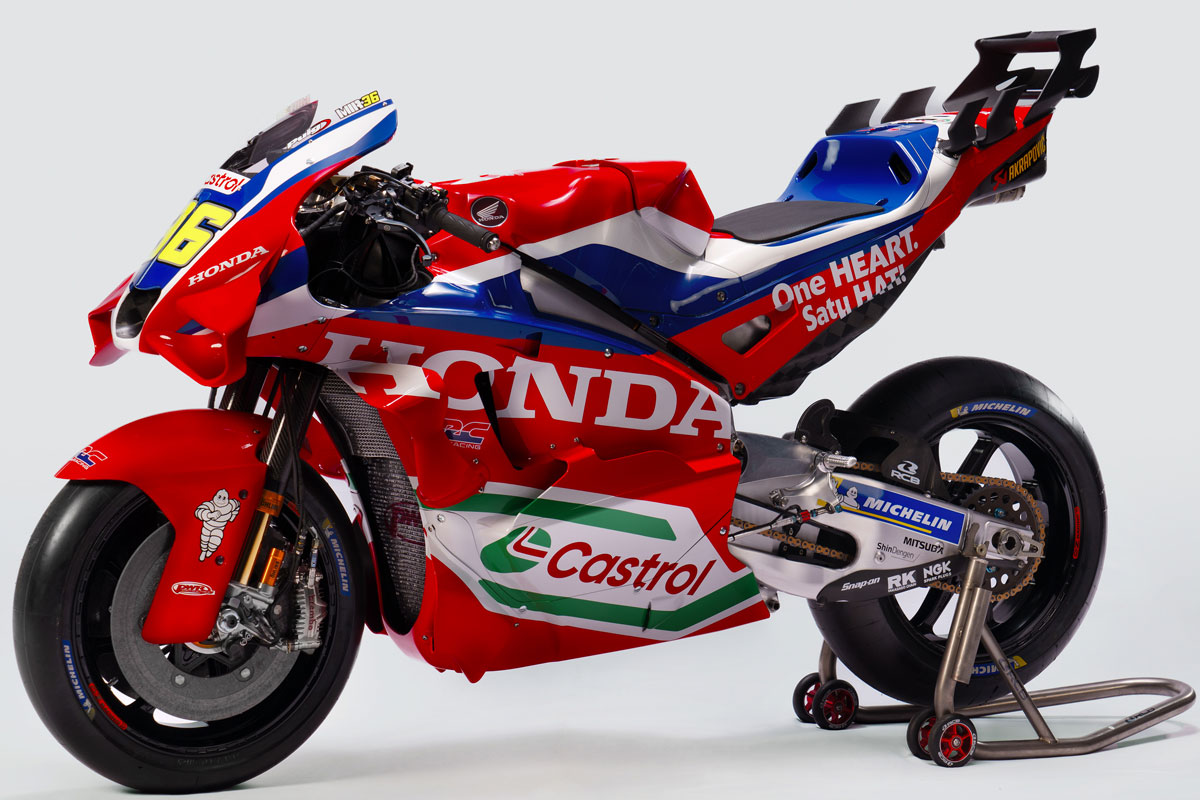
The Honda RC213V remains central to HRC’s MotoGP project, but contemporary reporting across 2024–2026 highlights a clear competitive problem: persistent lack of grip and vibration issues that blunt both one-lap pace and race extraction.
Summary
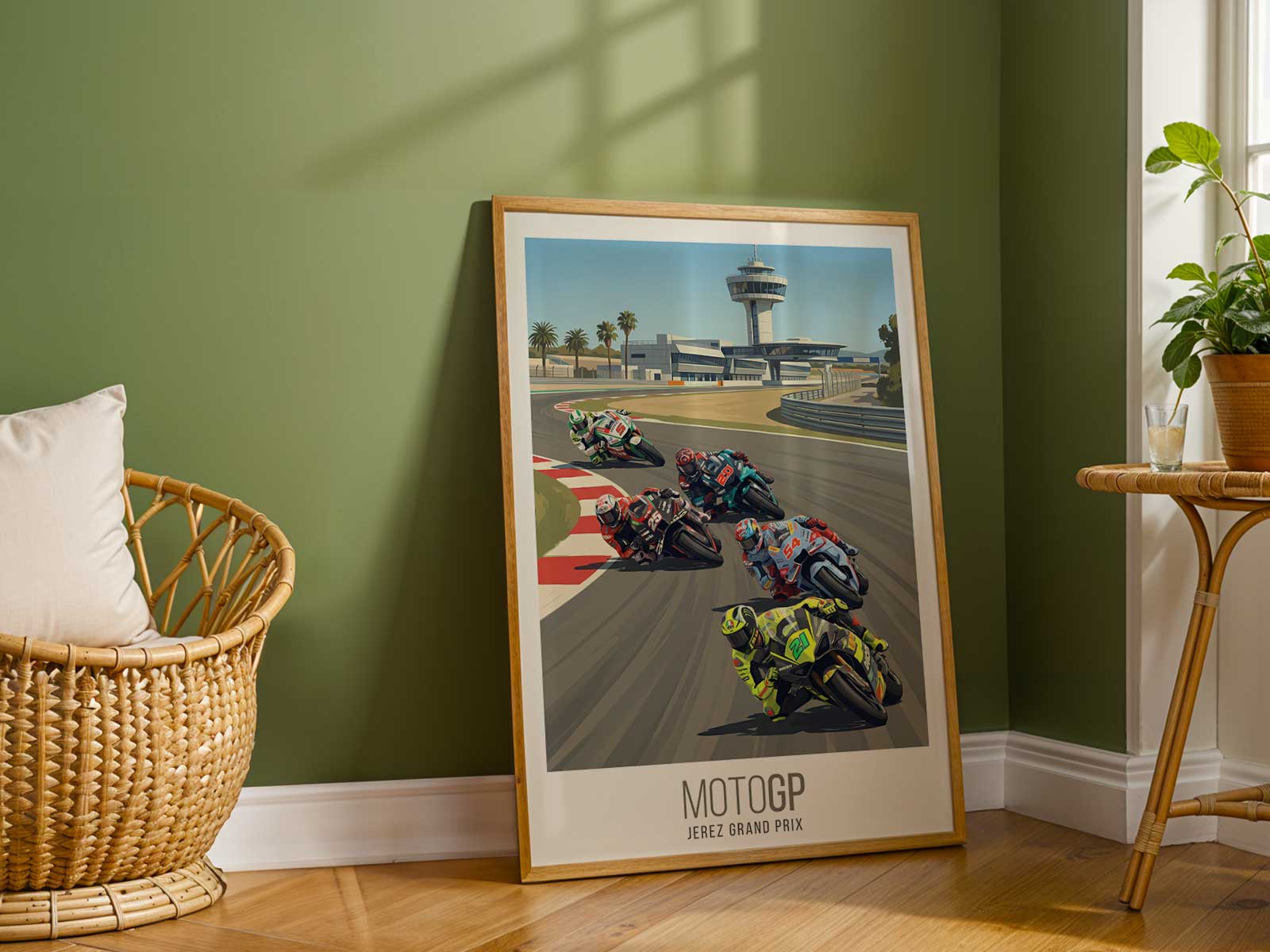
Reporting from riders and independent outlets indicates the RC213V has improved in some areas but still suffers from rear grip deficits and vibration/chatter that reduce qualifying pace and make consistent podium hunting difficult. Jerez 2025 is a useful contextual weekend showing the broader competitive environment.
What this article covers
- How riders and media describe the RC213V’s core weaknesses.
- How those weaknesses show up in results and race weekends (qualifying vs race pace).
- Which conditions amplify the problem and what the sporting implications are.
Quick access
Author: Cynthia D.
FIRST PERFORMANCE SIGNALS
From 2024 into early 2026, rider comments and technical reporting repeatedly flagged the same early warning signs: the RC213V can feel fast in certain conditions, but it suffers from a recurring lack of rear grip and episodes of vibration or chatter. These symptoms were reported by riders affiliated with Honda and by established outlets, creating a consistent early signal that the machine’s baseline one-lap and qualifying performance was compromised relative to rivals.
PEAK SEASONS AND STRONG PERIODS
The verified reporting does not support claims of sustained dominance. Instead, it shows that Honda achieved measurable progress in some areas—improvements acknowledged by riders—without eliminating the grip and vibration limits. Progress was therefore intermittent and did not translate into a clear, documented period of unambiguous superiority across seasons in the 2024–2026 window covered by the sources.
WHERE IT WON AND WHY
Official race reporting from Jerez in 2025 provides context for the competitive landscape: Marc Márquez won the Jerez Sprint on 26 April 2025. While that victory is part of the season narrative, the verified sources link Honda’s overall competitiveness to race-by-race conditions and rider factors rather than to an across-the-board technical advantage. The RC213V’s occasional strong race showings are thus best read as outcomes where rider skill, race dynamics and particular track conditions mitigated the bike’s chronic grip weaknesses.
WHERE IT STRUGGLED
The core struggle is well documented in contemporary reporting: rear grip deficits and vibration/chatter. Media and rider quotes point to qualifying and one-lap pace as key pain points—the lack of a strong starting position compounds the difficulty of securing top race results. Tyre carcass changes from suppliers and the interaction between chassis and tyre behaviour are cited as factors that amplified those shortcomings, making some circuits and conditions particularly punishing for the RC213V.
RIDERS AND EXTRACTION OF PERFORMANCE
Riders such as Luca Marini and Joan Mir publicly acknowledged both progress and remaining limits. Their statements, reported in reliable outlets, indicate that rider input can extract improved race pace in certain spells but cannot fully overcome the structural grip and vibration limitations—especially on a single fast lap in qualifying. That distinction is important: riders can sometimes manage race pace through setup and riding technique, yet the bike still struggles to match rivals when raw one-lap speed is required.
CONSISTENCY, PODIUMS, AND CHAMPIONSHIP WEIGHT
Contemporary analysis shows Honda’s issue is less about a total absence of competitiveness and more about inconsistency. Sources document that improvements have been made, but persistent weaknesses reduce the RC213V’s ability to register repeatable podium finishes or to convert occasional strong weekends into a season-long championship threat. The verified reporting emphasizes qualifying deficits and the knock-on effect that a weak grid slot has on race outcomes.
HOW RESULTS CHANGED OVER TIME
Across the 2024–2026 reporting window, the narrative is one of incremental improvements shadowed by unchanged core problems. Test and race reports from early 2026, and rider quotes from 2025, point to better feelings in some test conditions yet persistent vibration and grip issues remain. This creates a performance arc defined by partial recovery rather than full resolution.
WHAT THE RESULTS REALLY SAY ABOUT THE BIKE
Using the verified facts, the sporting reading is cautious but clear: the RC213V’s record in this period is that of a machine with notable potential hampered by specific, recurring weaknesses. Race wins or strong weekend results occur, but they do not overturn the consistent rider and media observations that one-lap pace and rear grip are handicaps. The technical symptoms—vibration/chatter interacting with tyre carcass characteristics—translate into measurable sporting consequences: compromised qualifying, mixed race performance and difficulty achieving steady podium frequency.
COMPETITIVE READ
For teams, riders and fans assessing the RC213V, the priority remains clear: address the root causes of grip and vibration so that improvements are durable across tyre and circuit permutations. Until that structural issue is resolved in verifiable technical terms, the bike’s sporadic race highs will likely continue to coexist with qualifying lows and inconsistent championship impact.
Context note
Sources used for this analysis include rider statements and reporting from Motorsport.com, GPone, Crash.net, Paddock GP and official MotoGP race reports (notably Jerez Sprint 26 April 2025).
Author: Cynthia D.