MotoGP wheelie explained: physics, electronics and lap-time cost
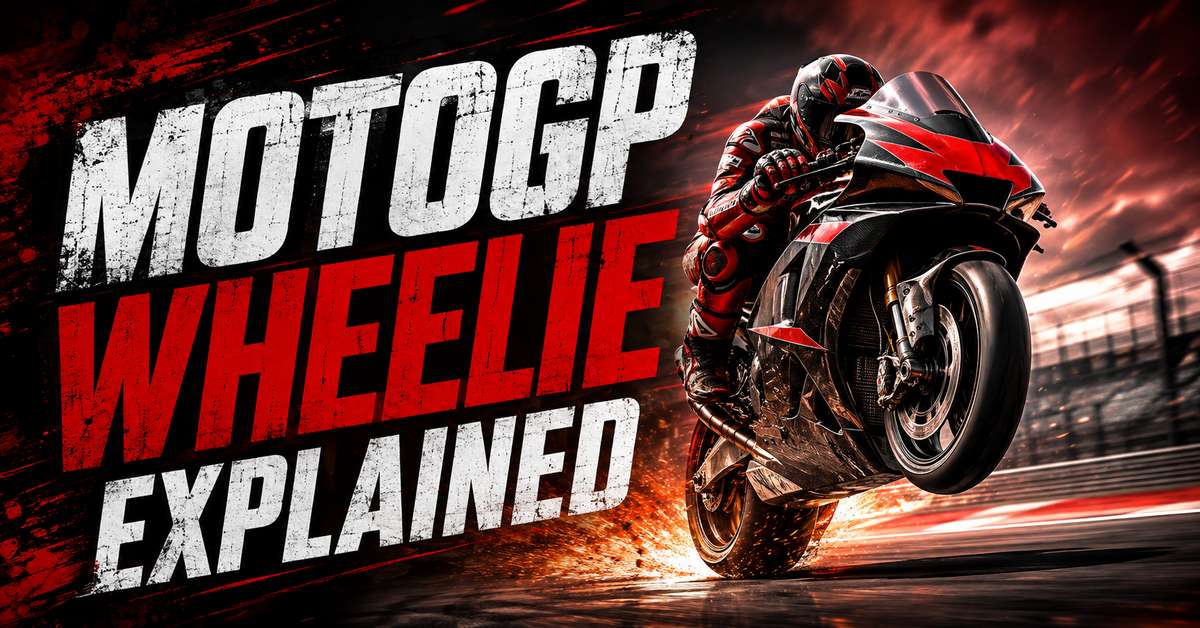
A wheelie in MotoGP is more than a dramatic TV moment — it’s a measurable physical phenomenon that teams, riders and electronics fight to control. This explainer describes what a wheelie is, why the front wheel lifts under strong acceleration, how modern MotoGP systems and rider technique manage it, and why allowing the wheel to rise usually costs lap time.
Quick summary: A wheelie happens when longitudinal acceleration produces a moment about the rear axle that lifts the front wheel. Weight transfer, throttle and gearing, bike setup and corner geometry all influence it. Teams use electronics (ECU, IMU, wheel-speed sensors) plus mechanical design to limit lift, because energy spent lifting the front wheel reduces forward acceleration and steering control—costing lap time.
Quick access: Jump to Definition, How it happens, Electronics & holeshot, Why it costs lap time, or Closing interpretation.
CLEAR DEFINITION
In MotoGP terms a wheelie is when the motorcycle’s front wheel lifts off the ground because longitudinal acceleration creates a torque about the rear axle that overcomes the load on the front axle. In plain language: hard drive from the rear wheel shifts weight rearwards and produces a moment that can reduce or remove front-wheel contact.
HOW IT HAPPENS
The primary physical cause is weight transfer. Under strong acceleration the center of mass of the bike-plus-rider moves rearwards relative to the contact patches. Engine torque through the rear wheel generates a rotational moment about the rear axle. If that moment is greater than the front-axle downward force, the front lifts.
Factors that change the tendency to wheelie include throttle application and gear choice, the corner exit geometry (steepness and radius affect required drive), suspension and chassis setup, rider position on the seat, and the instantaneous traction available at the rear tyre.
RIDER TECHNIQUE
Riders use body position and throttle modulation to manage wheelies. Shifting weight forward and smoothing the throttle reduce the rearward moment. Experienced riders accept small, controlled wheelies because the fastest acceleration point often happens with the front wheel slightly light—too much lift, however, reduces steering and stability. Small rear braking inputs can also settle a front wheel if needed, but that sacrifices momentum.
BIKE BEHAVIOUR AND TECHNOLOGY — ELECTRONICS & HOLESHOT
MotoGP teams rely on sophisticated electronics to detect pitch and limit torque. The factory ECU reads IMU data, wheel-speed sensors and other inputs to sense when the bike is rotating nose-up and to modulate engine torque. Wheelie-control programs reduce or shape delivered torque to keep the front wheel down or limit its lift.
These systems are coordinated with traction control and launch/holeshot systems. At race starts and at corner exits, launch-control and holeshot devices modulate torque to avoid excessive wheelies while allowing maximum usable acceleration. Mechanical and aerodynamic choices — longer swingarms, chassis geometry and rear downforce from bodywork or winglets — are also used alongside electronics to raise the threshold for a wheelie.
WHY IT MATTERS — WHY A WHEELIE CAN COST LAP TIME
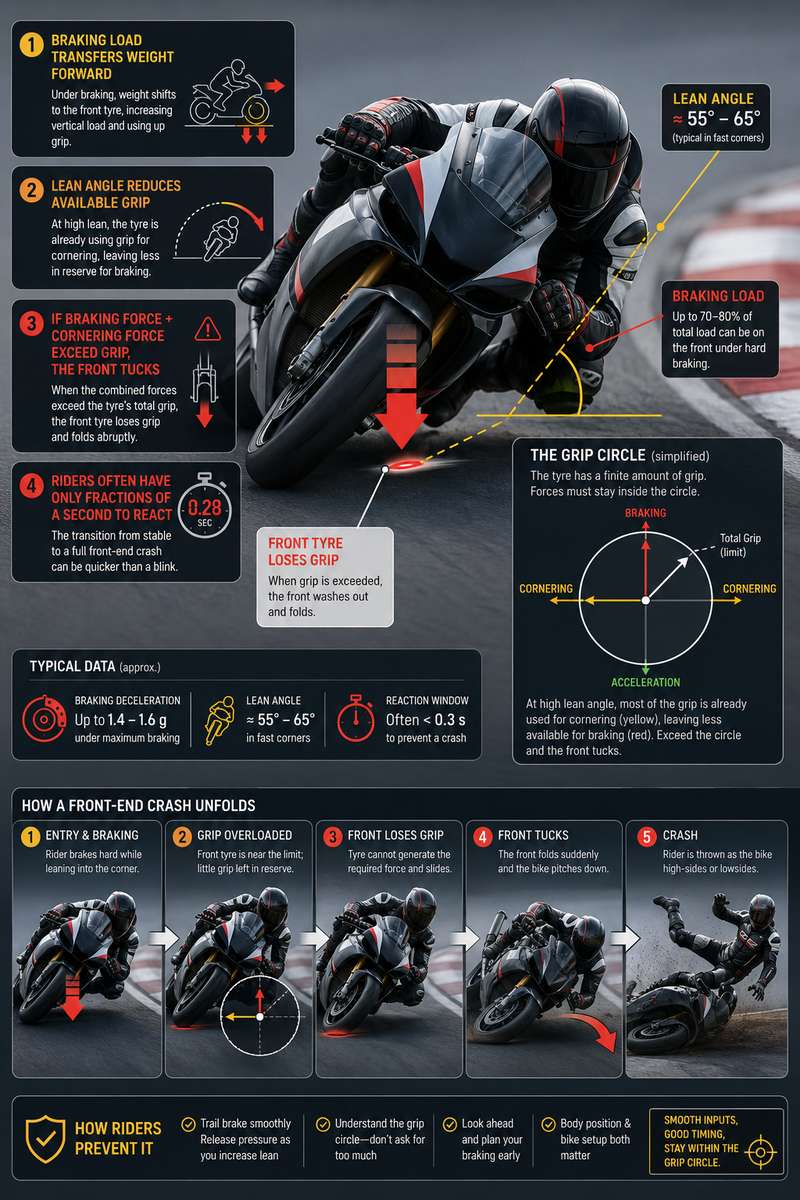
A wheelie costs lap time for two linked reasons. First, energy and engine torque used to lift the front wheel are unavailable to accelerate the bike forward; even a partial lift reduces effective forward acceleration. Second, the loss of front-wheel contact reduces steering authority and front grip, forcing the rider or the electronics to back off power to regain control, which slows acceleration and compromises the ideal racing line.
For tyres and stability the consequence is also important: repeated or large wheelies upset tyre temperatures and load distribution, which can affect rear grip and the bike’s behaviour mid-corner. Teams therefore aim for the fastest balance between maximum drive and minimal, controlled front lift.
SAFETY AND RISK
Large uncontrolled wheelies are a safety issue because they reduce front contact and steering control; severe lift can lead to loss of direction or even a highside if rear grip is suddenly regained. Modern electronics and rider technique reduce the frequency and severity of dangerous wheelies, but when they occur they demand immediate correction—either by rider input or by the ECU cutting torque.
COMMON MISUNDERSTANDINGS
Beginners often assume any visible wheelie is entirely negative. In MotoGP, however, small controlled wheelies are common and sometimes optimal for peak acceleration. Another misconception is that electronics eliminate wheelies completely: in practice the systems limit and manage lift, but set-up choices and track situations mean some lift still appears, and experienced riders use that window to their advantage.
CLOSING INTERPRETATION
A wheelie in MotoGP sits at the intersection of physics, rider skill and electronics. Understanding the balance — why the front lifts, how rider position and throttle interact with electronics and chassis design, and why excessive lift always costs lap time — reveals how marginal gains are won and why so much engineering and riding craft focuses on controlling pitch during acceleration. Recognising a controlled small wheelie on screen is a sign the rider and team are exploiting the bike’s usable traction; a big uncontrolled wheelie usually means lost time and increased risk.
Author: Alex R.