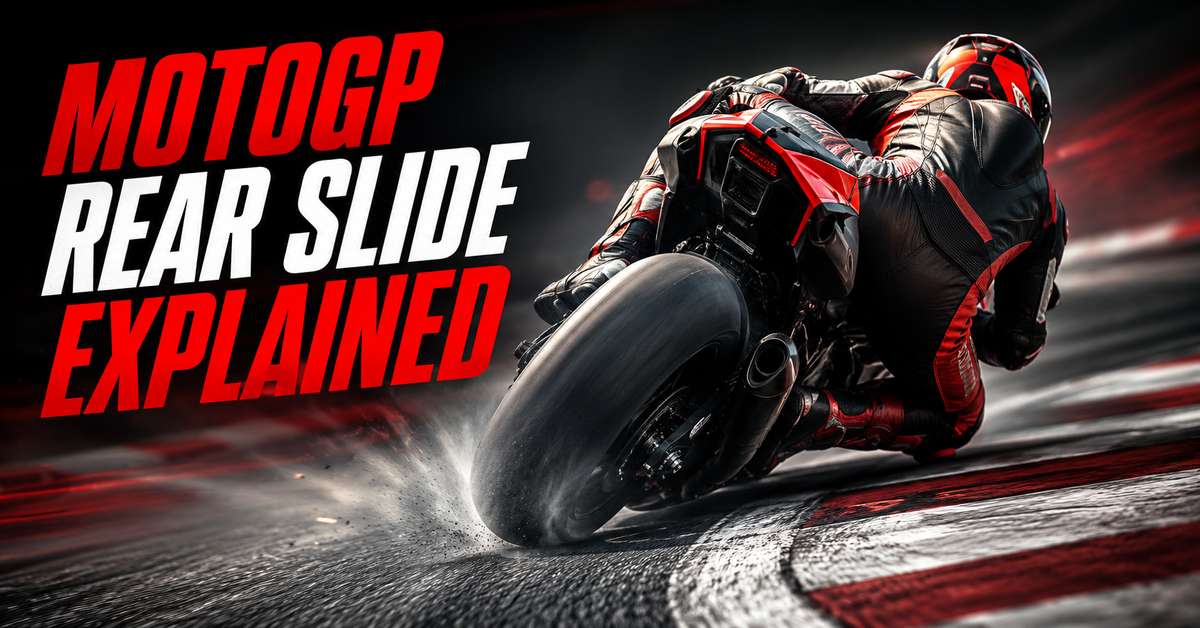
MotoGP front end crash explained: why the front tyre 'washes out' and why…
A "front-end" crash in MotoGP — commonly described as a lowside or the front tyre "washing out" — happens when the front tyre loses lateral grip and the bike falls to the inside of the corner. This article explains, in practical MotoGP terms, how braking, lean angle, tyre and suspension behaviour interact to provoke these crashes and why riders frequently have very little time to save them.
Quick summary: A front-end loss is a failure of lateral grip at the front tyre when cornering forces plus braking or other longitudinal loads exceed the tyre’s traction. Trail braking, steep lean angles, sudden suspension load changes, tyre condition and track surface all reduce the margin for error.
Quick access:
CLEAR DEFINITION
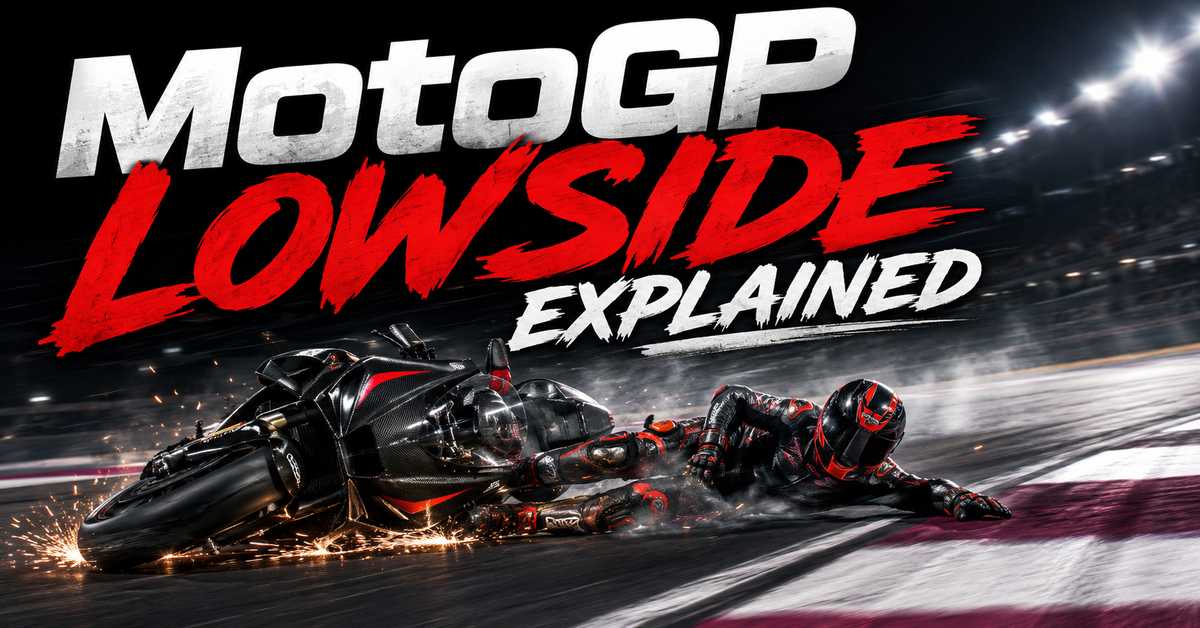
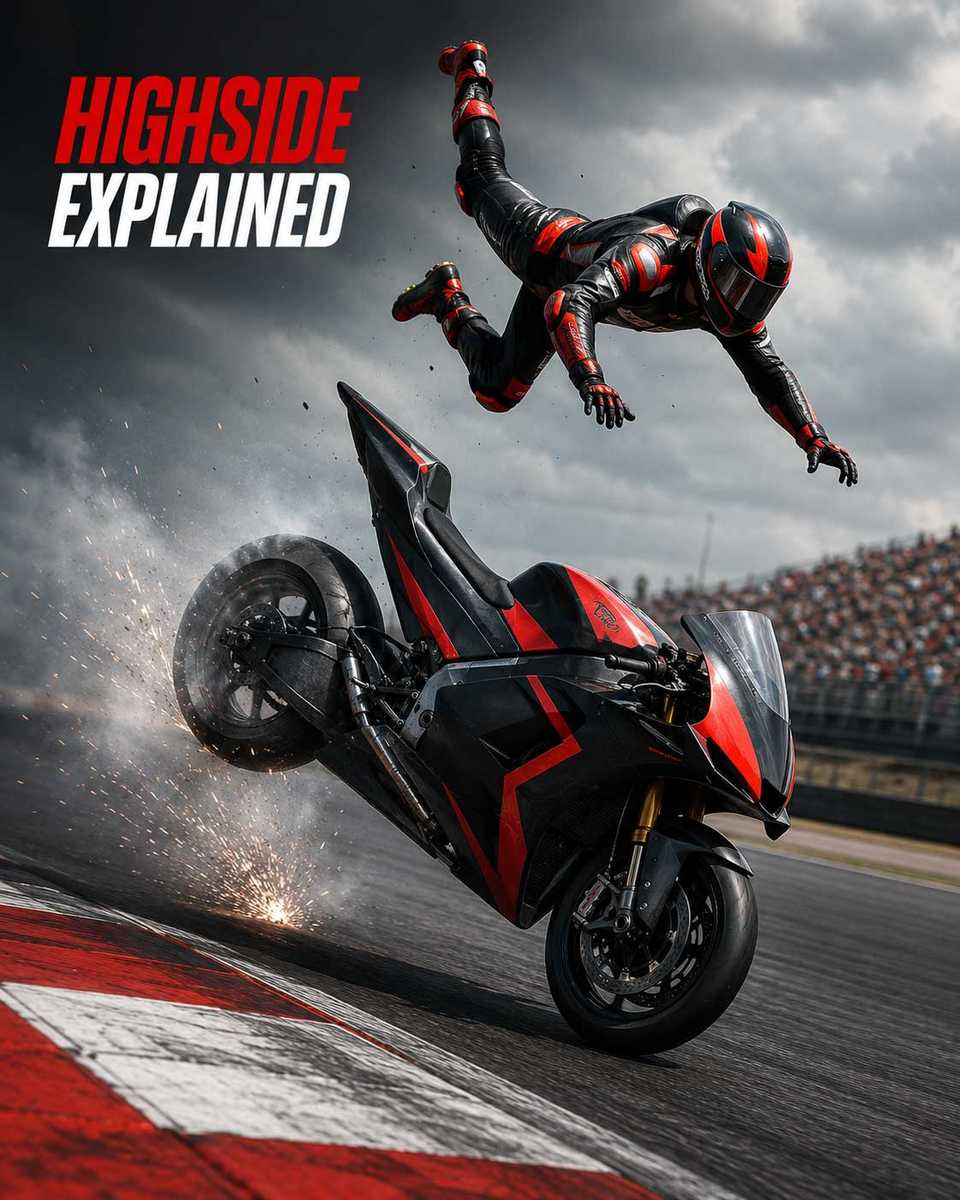
In MotoGP terms a "front-end" crash is a lowside: the front tyre slips laterally and the bike falls toward the inside of the corner. Television and paddock commentary often call this "washing out the front." It is distinct from a highsider (where the rear steps out and then violently snaps back) because the initiating failure and the fall originate at the front contact patch.
HOW IT HAPPENS OR HOW IT WORKS
Tires generate grip by resisting forces both sideways (lateral) for cornering and fore–aft (longitudinal) for braking or accelerating. The tyre has a limited traction envelope: when the combined lateral and longitudinal demands exceed what the tyre can supply, adhesion fails and the tyre slides.
Trail braking — carrying front brake into the corner — deliberately uses longitudinal braking while the tyre is also producing cornering forces. That narrows the margin between safe and failing grip because the front tyre is meeting two demands at once. Excessive or abrupt trail braking increases the chance the front will "wash out."
Lean angle matters: the more a bike is leaned, the less longitudinal braking the tyre can tolerate before slipping. At extreme lean the tyre’s ability to resist braking forces is reduced, so a braking input that would be safe on a more upright bike can provoke a slide when leaned over.
Rapid suspension load changes — for example sudden release or reapplication of the front brake or quick fork movement — alter the contact patch load and can trigger a sudden loss of front adhesion. Similarly, tyre factors (compound choice, temperature, pressure and wear) and track surface conditions (debris, oil, or moisture) change the available grip and make unexpected front-end losses more likely.
RIDER TECHNIQUE
Riders use trail braking and precise body position to control corner entry and carry speed. That technique is powerful for lap time but places the rider on the edge of the tyre’s traction envelope: subtle misjudgement in brake pressure, line, or lean angle can tip the balance from a controlled turn into a front-end slide.
Experienced riders try to sense early signs of front grip loss — vague feedback through the bars, a change in steering feel or slight slide — and react with tiny adjustments: easing brake pressure, rolling offthe throttle, shifting body weight, or counter-steering. These inputs can sometimes arrest a developing slide, but they must be very precise and timely.
BIKE BEHAVIOUR AND TECHNOLOGY
The motorcycle’s suspension, tyre construction and electronics influence how the front tyre behaves. Suspension movement changes contact patch pressure and geometry; electronics manage engine braking and sometimes front braking characteristics. However, equipment can only change margins, not eliminate the basic physics: when combined forces exceed traction, the tyre will slide.
Tyre temperature and compound are especially important. Cold or overheated front tyres provide less consistent lateral grip, and a worn or improperly pressurised tyre reduces the envelope where braking and cornering can coexist safely. Track contamination or unexpected bumps can also suddenly reduce front grip.
WHY RIDERS OFTEN HAVE LITTLE TIME TO SAVE IT
Front-end failures frequently develop in fractions of a second at high speed and extreme lean. Because the tyre rapidly moves from grip to slip, there may be only milliseconds between the first warning and the fall. At those moments the rider has minimal mechanical leverage: the bike is already leaned, the front contact patch is compromised, and there is little additional steering authority to arrest the slide.
That explains why even top riders can appear helpless: a combination of lean, braking load and a small track or tyre disturbance can collapse the available traction almost instantly. While skilled riders sometimes save near-misses with micro-corrections, those saves depend on sensing very small changes and reacting perfectly — not a reliable, repeatable hedge against front-end crashes.
SAFETY AND RACECRAFT
Front-end lowsides usually end with the rider sliding off the inside of the turn; the immediate danger is the high-speed fall and potential secondary impacts. From a racecraft perspective, the risk of washing out the front influences braking points, line choices and tyre management. Teams and riders balance aggressive trail braking for lap time against the reduced margin for error that raises crash risk.
Because tyre condition and track surface are variable during a weekend, managers and riders monitor front-end feel closely in practice and adjust strategy if grip margins shrink — for example by changing compound, pressure, or instructing a rider to alter their braking approach.
COMMON MISUNDERSTANDINGS
Beginners often assume a front-end crash is simply "too much braking." In reality it is the combination of braking plus cornering forces exceeding tyre traction — often while the bike is leaned. It is also incorrect to blame technology alone: while electronics and setup change behaviour, the physical limit of the tyre remains the decisive factor.
Television replays can mislead: the visible fall is the outcome, but the failure typically begins in the contact patch long before the bike visibly tips. That is why commentators talk about the tyre "washing out" rather than a single identifiable cause on-screen.
CLOSING INTERPRETATION
Understanding front-end crashes reveals how MotoGP is a constant negotiation with limits: riders exploit trail braking and extreme lean to shave tenths, but those same techniques reduce the front tyre’s margin for error. The front-end lowside is a clear example of tyre physics translating directly into sporting risk — and why small setup, tyre or surface changes can turn a safe approach into a sudden fall. Appreciating the mechanics helps fans see why split-second rider inputs, tyre choices and surface conditions matter so much in every corner.
Author: Eric M.