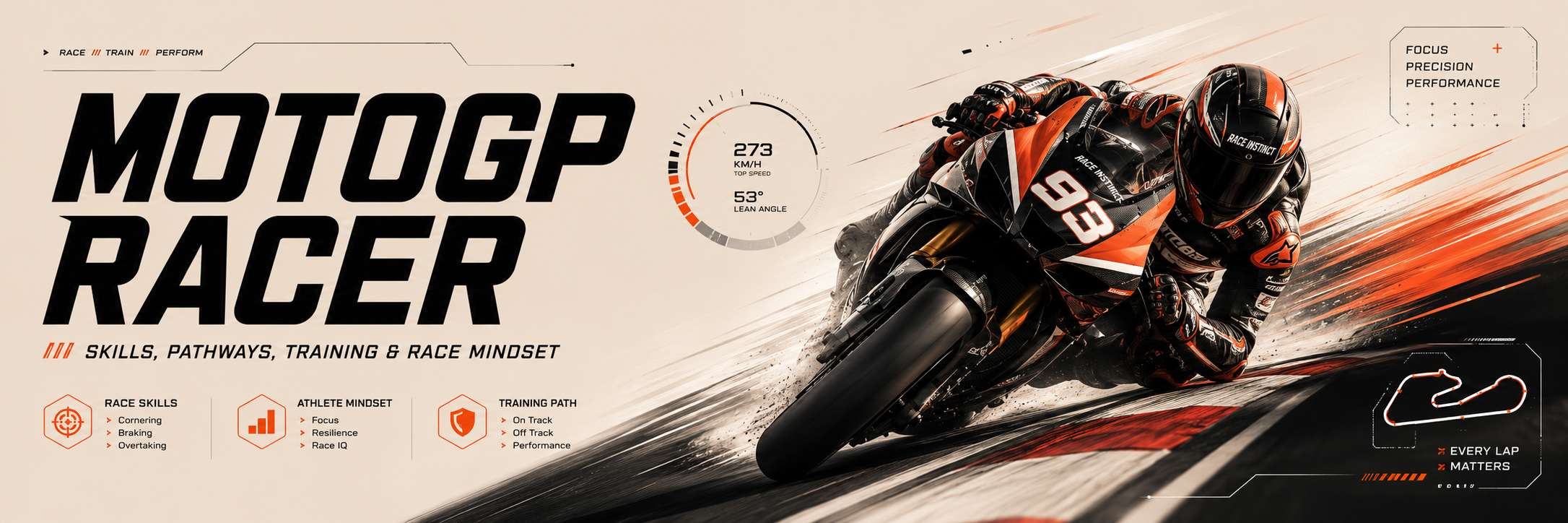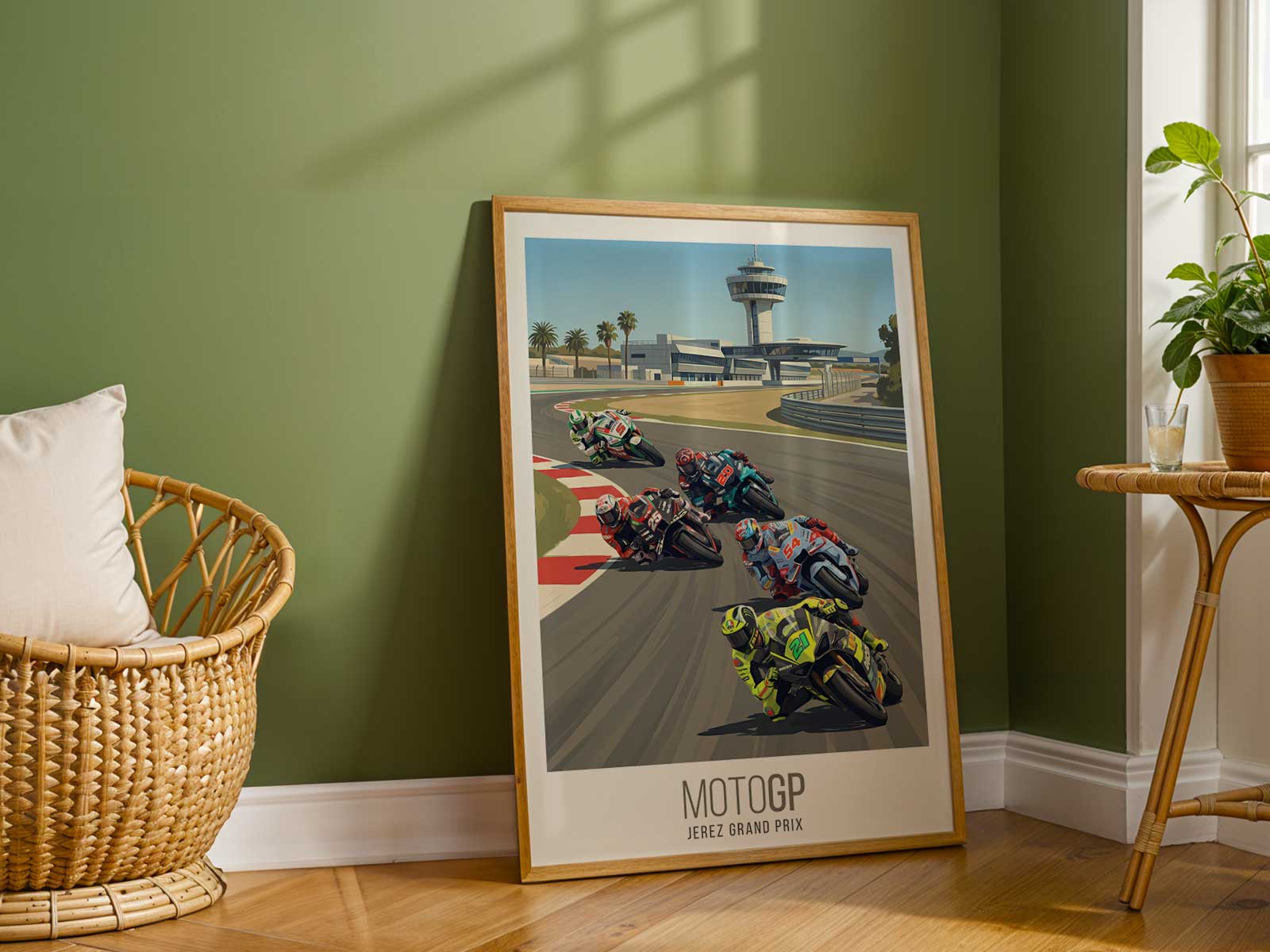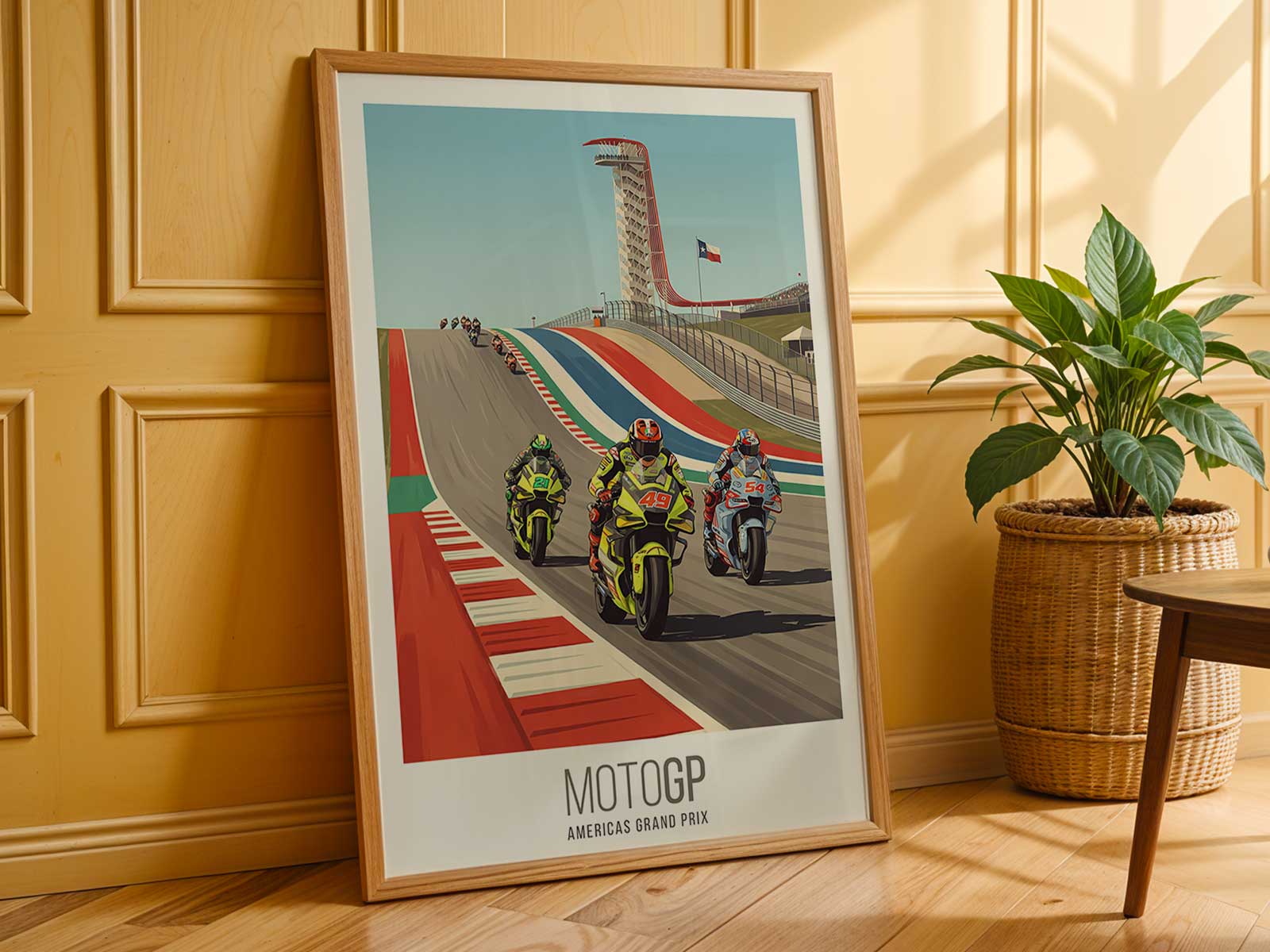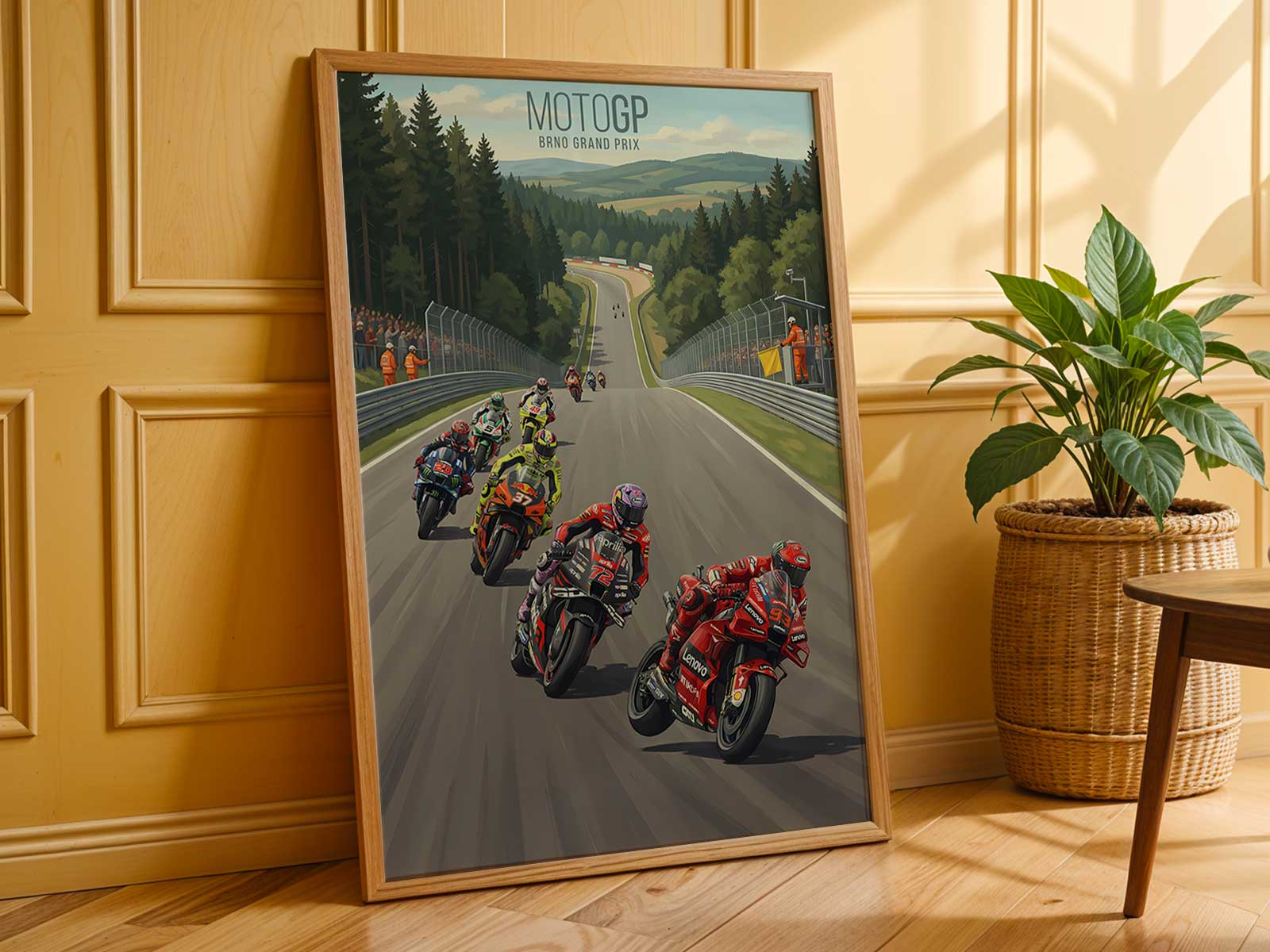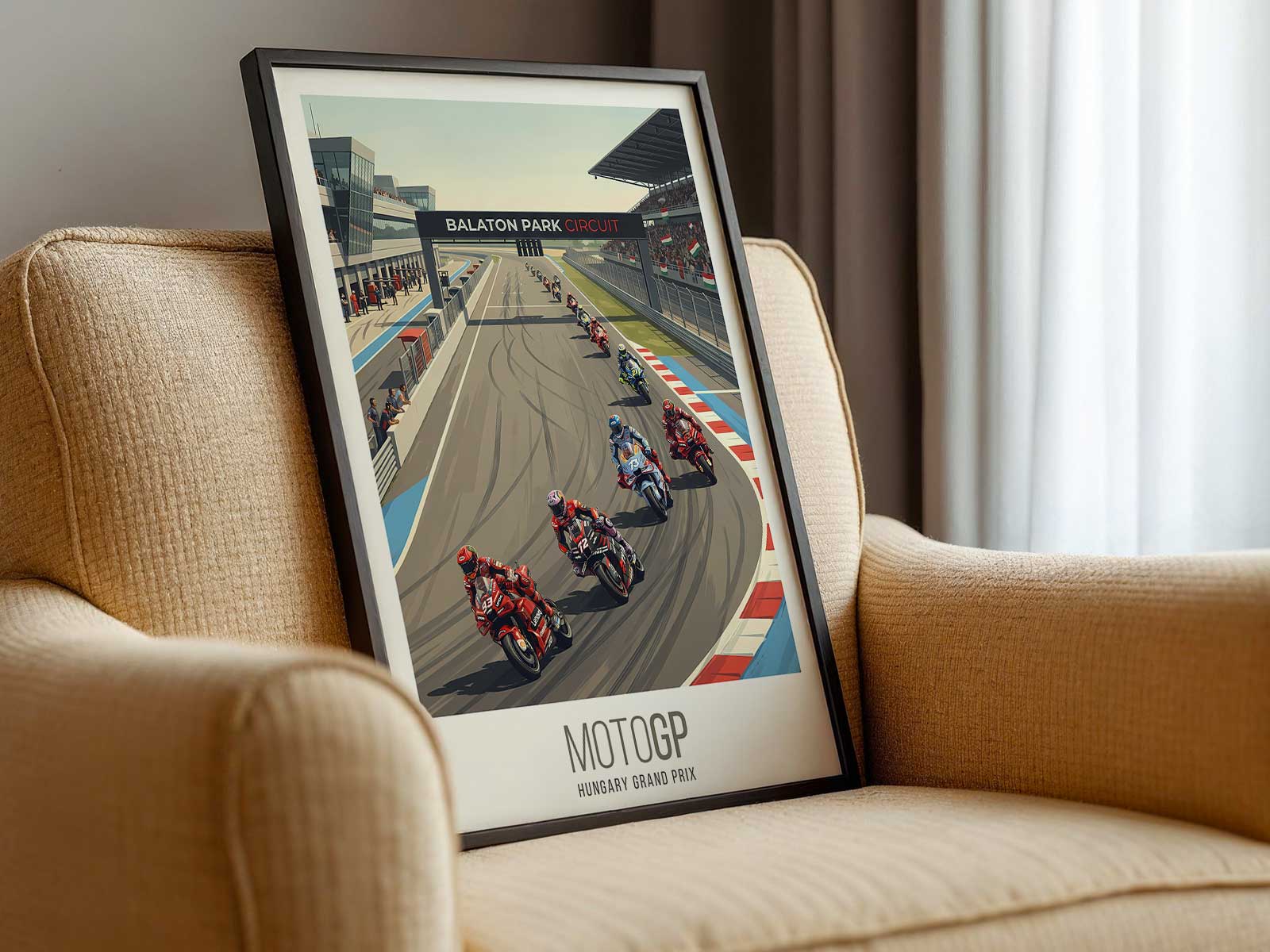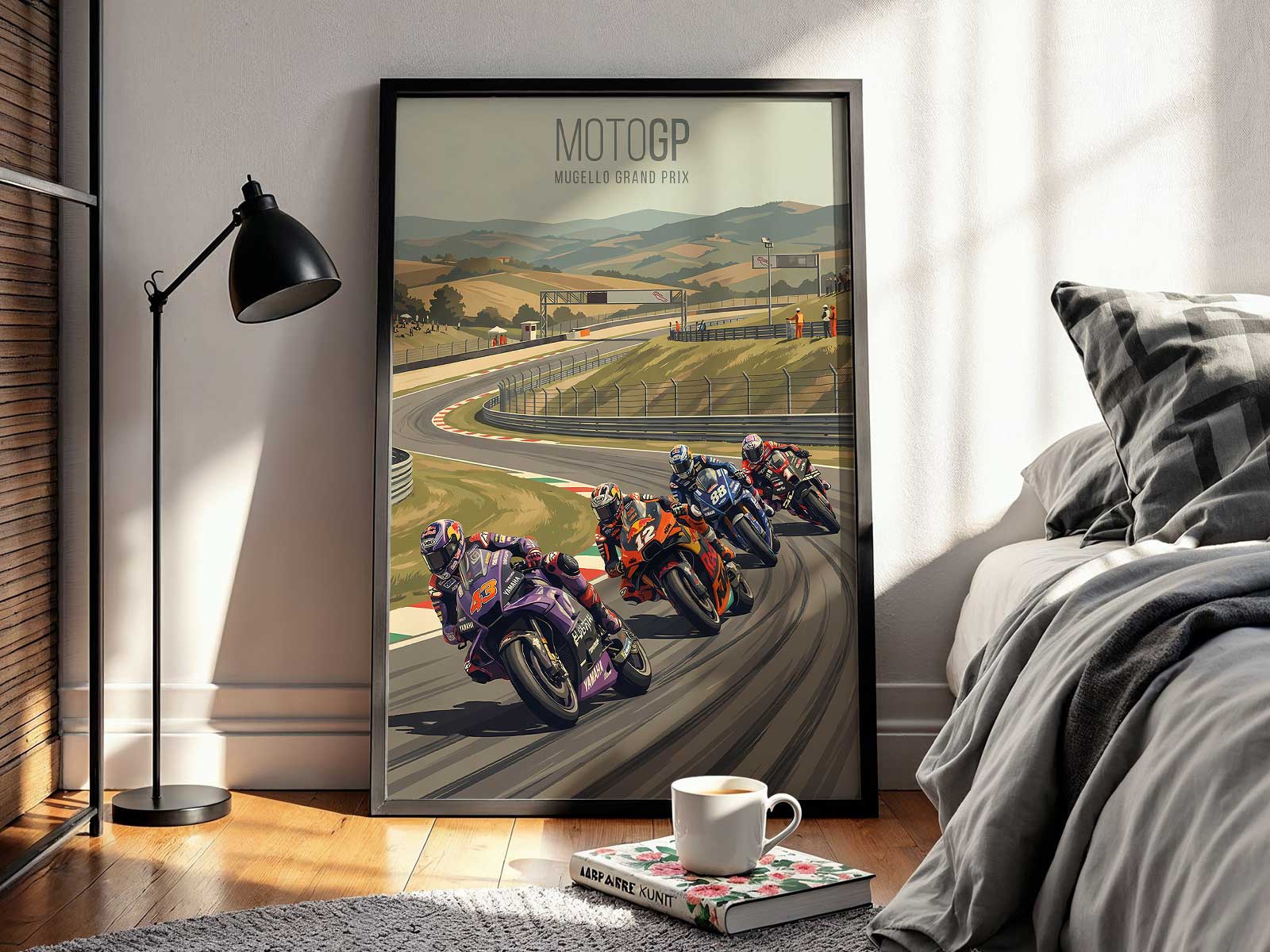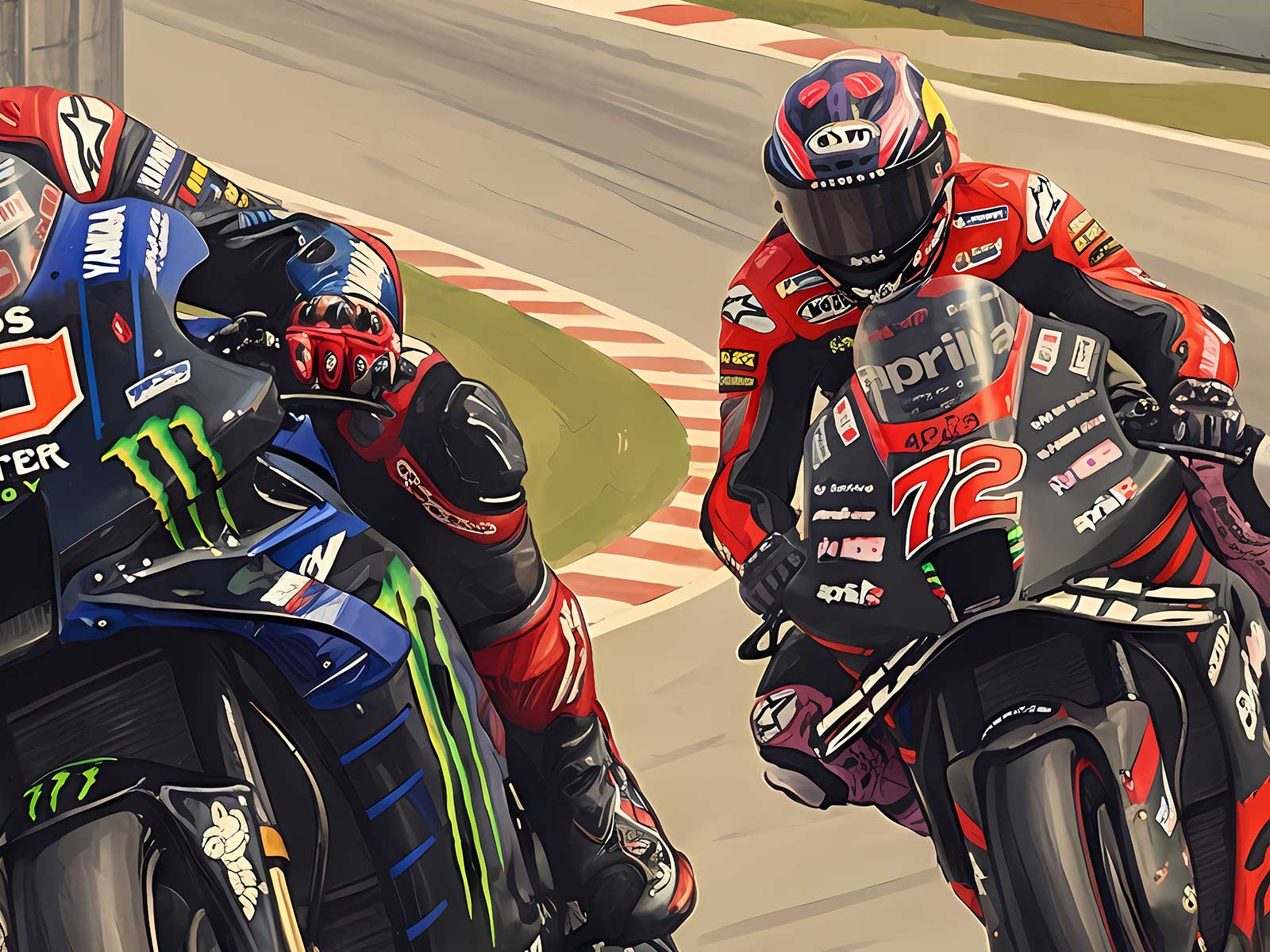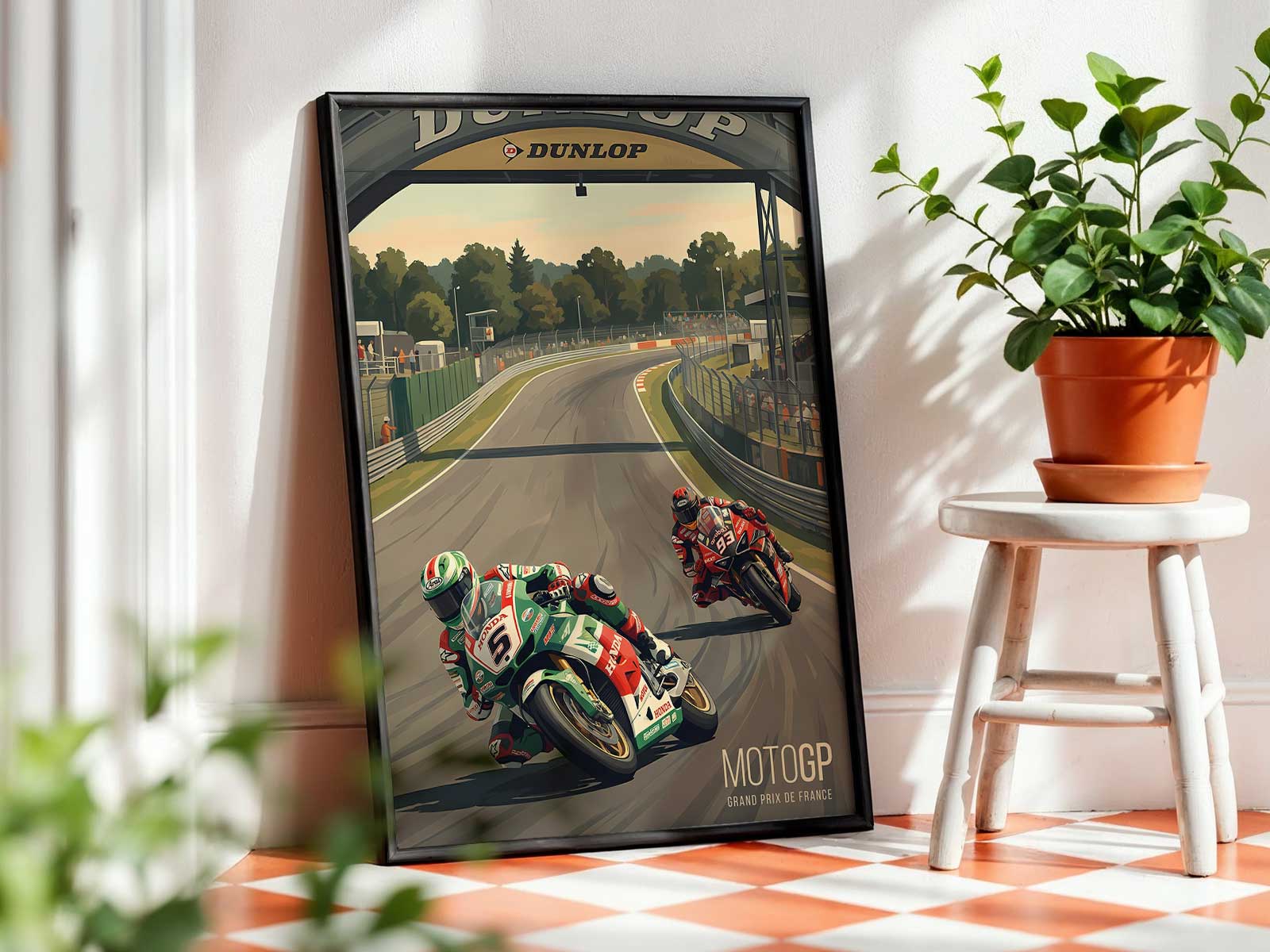
MotoGP corner entry explained: braking, downshifts, line choice and why passes…
Corner entry in MotoGP is the sequence that begins with heavy braking and ends as the rider commits through the apex. It combines braking technique, gearbox control, line choice and tyre/grip management. Get these elements right and a rider turns safely and with a strong exit; get them wrong and the front or rear can break traction.
Riders use heavy straight-line braking to scrub speed, then employ trail braking to keep load on the front tyre while turning in. Downshifts are managed with slipper clutches and quickshifters to avoid upsetting the rear. Line and apex choice determine exit speed and overtaking opportunities — many passes begin before the apex because riders can outbrake rivals or use different turn-in lines to gain position.
CLEAR DEFINITION
Corner entry in MotoGP covers the braking phase, any downshifting, the actual turn-in and the immediate run to the apex. It is the moment a rider transfers weight onto the front wheel, changes direction and begins preparing the engine and chassis for the corner exit. It matters because the choices made here set the exit speed, tyre load and stability for the rest of the corner.
HOW IT HAPPENS
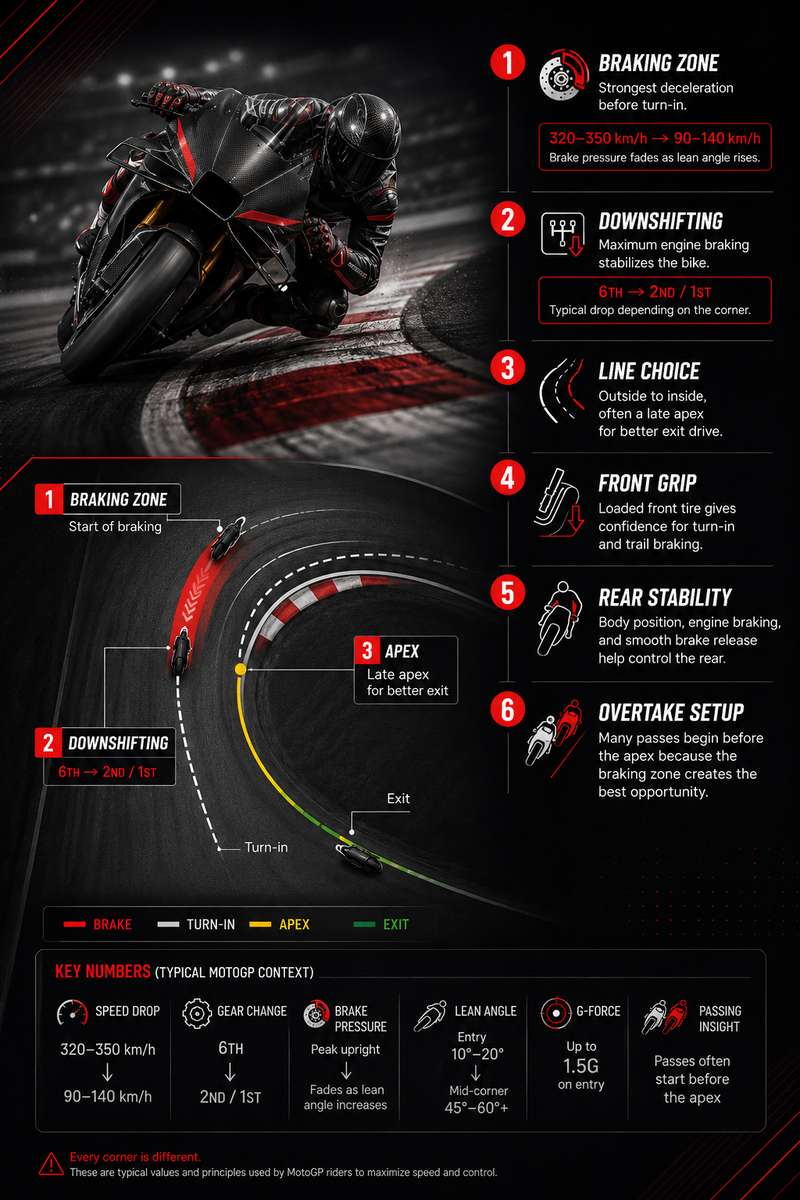
Typical sequence: heavy, late braking in a straight line (threshold braking) reduces speed as close to the corner as possible; the rider then gradually releases the front brake while beginning to lean — a technique known as trail braking. Downshifts are completed before or during entry and modern MotoGP machines use slipper clutches and quickshifters so that downshifts do not produce abrupt engine braking that could lock or unsettle the rear wheel.
RIDER TECHNIQUE
Braking: riders apply maximum braking on the straights and only release progressively as they turn in. Trail braking keeps compression on the front tyre, improving steering precision and allowing subtle speed adjustments into the corner.
Downshifting: riders coordinate clutch, throttle and gear lever inputs so the gearbox and engine speed match the lower gear. Slipper clutches and electronic quickshifters reduce back-torque on the rear wheel, preventing sudden rear instability during rapid downshifts.
Line and apex: the rider chooses a turn-in point and apex depending on whether they want a fast exit or to defend/attack — earlier or later apexes change lean angle, throttle timing and corner radius.
BIKE BEHAVIOUR AND TECHNOLOGY
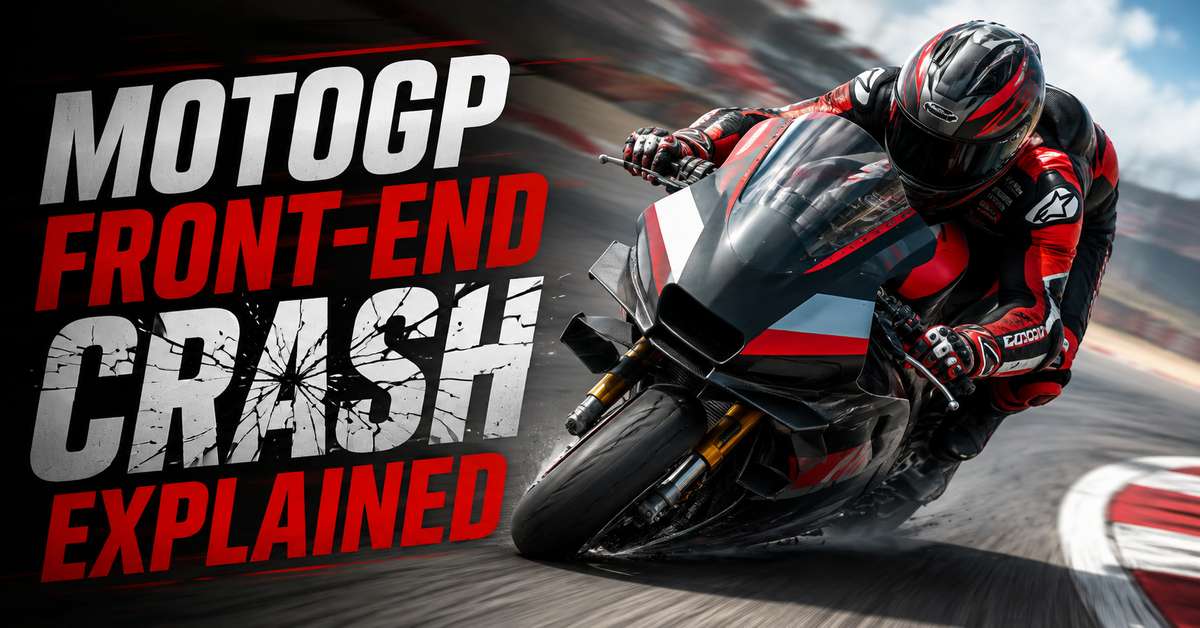
Front grip is vital at entry because braking transfers weight to the front tyre. More load increases traction and steering authority; loss of front grip typically causes a lowside crash. Electronics such as IMU-assisted engine-brake management and traction control interact with rider inputs to moderate rear behaviour during entry and exit.
Rear stability is vulnerable to abrupt engine braking or poor downshift timing. Slipper clutches and refined engine maps reduce the risk of rear slides or highsides by smoothing the torque transition when the rider closes the throttle or changes down through gears.
WHY IT MATTERS IN MOTOGP
Corner entry determines lap time through two linked outcomes: how quickly a rider can slow and turn, and how effectively they can open the throttle for a strong exit. Teams and riders tune brakes, suspension and electronics to maximise front grip for turn-in while keeping the rear predictable for acceleration.
Tyre temperature and wear matter: aggressive entry techniques increase front tyre load and affect temperature distribution, which in turn changes mid-corner grip and edge traction for the remainder of a stint.
WHY MANY OVERTAKES BEGIN BEFORE THE APEX
Overtaking in MotoGP often starts in the braking zone or at turn-in because late, heavier braking can allow a following rider to pass by outbraking the leader. Different line choices — for example committing to a later apex to get on the throttle earlier, or using an alternate turn-in to cut inside — create chances to get ahead before the apex.
Race reports frequently describe successful outbraking moves into corners, showing that gaining position before the apex is a practical and repeatable tactic when braking performance, tyre grip and rider bravery align.
SAFETY AND RISK
Corner entry is one of the most dangerous phases because the front and rear contact patches are stressed by braking, steering and gear changes. Loss of front grip under trail braking tends to produce lowsides; sudden rear instability from engine braking or an aggressive downshift risks slides or highsides. Modern clutch technology, careful engine-brake mapping and rider discipline reduce these risks but cannot eliminate them.
COMMON MISUNDERSTANDINGS
Beginners often assume brakes alone control corner entry; in MotoGP the sequence is integrated: braking, trail braking, downshifts and line choice work together. Another common mistake is to think an earlier apex is always faster — sometimes squaring the corner (later apex) is chosen to open the throttle sooner and improve exit speed.
CLOSING INTERPRETATION
Corner entry is where precision riding, machine technology and tactical choices converge. Understanding trail braking, gearbox control and apex selection explains why lap time is won or lost before the bike even reaches the apex — and why many bold passes begin in the braking zone. For fans, spotting who is committed to late braking and which line a rider chooses reveals the likely outcome of wheel-to-wheel battles through the corner.
Author: Eric M.