How Maverick Viñales Reads a Track: The Technical Signature Behind 'motogp…
Maverick Viñales's riding profile in MotoGP is best understood through two connected truths: he places traction and corner‑entry at the centre of his approach, and his relatively aggressive entry-and-mid corner behaviour both rewards and exposes him depending on tyre, temperature and chassis behaviour. This piece uses reported race and technical coverage to outline the concrete riding traits and circuit relationships that define his technical signature.
Viñales emphasises traction and powerful corner entry. Media and team commentary consistently link his peaks to tracks that reward on‑throttle turning and front/rear grip balance.
FIRST TECHNICAL READING OF THE RIDER
The clearest, repeatedly reported element of Viñales's profile is his explicit prioritisation of traction and corner‑entry. In interviews he has singled out traction as the most important area for his riding style, which frames how teams and media interpret his on‑track choices: an aggressive, committed approach into turns that seeks to maximise the on‑throttle phase once grip is secured.
Technical coverage and team commentary characterise that approach as relatively aggressive: Viñales typically tries to take advantage of high corner speed and decisive entry to build momentum. That combination creates peaks where machine and tyre behaviour align, and exposes limits when front or rear grip is compromised.
BRAKING AND CORNER ENTRY
Reported analysis highlights Viñales's emphasis on powerful corner entry. Media descriptions place him among riders who favour committed braking and assertive initial turn‑in to carry speed through the apex. This style relies on confident front‑end behaviour and precise modulation of deceleration to avoid upsetting tyre load balance.
Because Viñales himself and technical reports stress traction, his entry technique appears calibrated to create the best possible transition to the on‑throttle phase. When tyres and chassis cooperate, that entry converts into a strong mid‑corner platform; when grip is marginal, the same aggression can reveal instability or higher tyre wear.
MID-CORNER AND LINE CHOICE
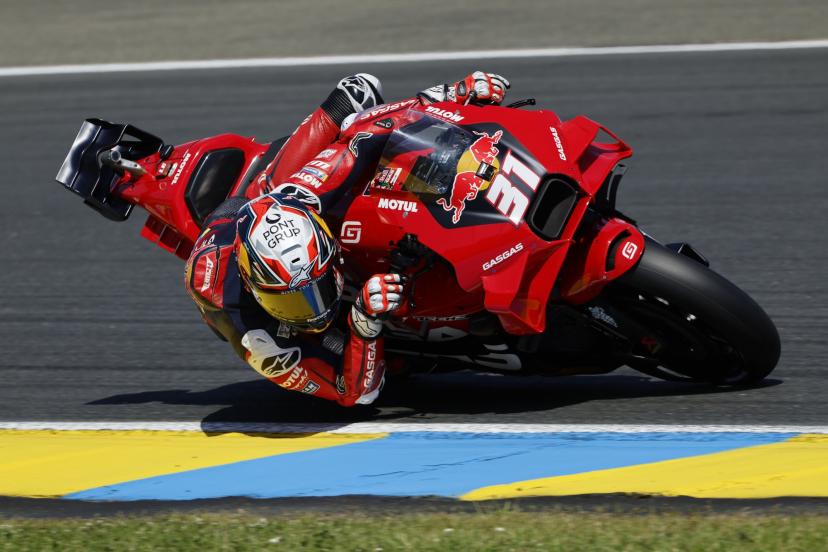
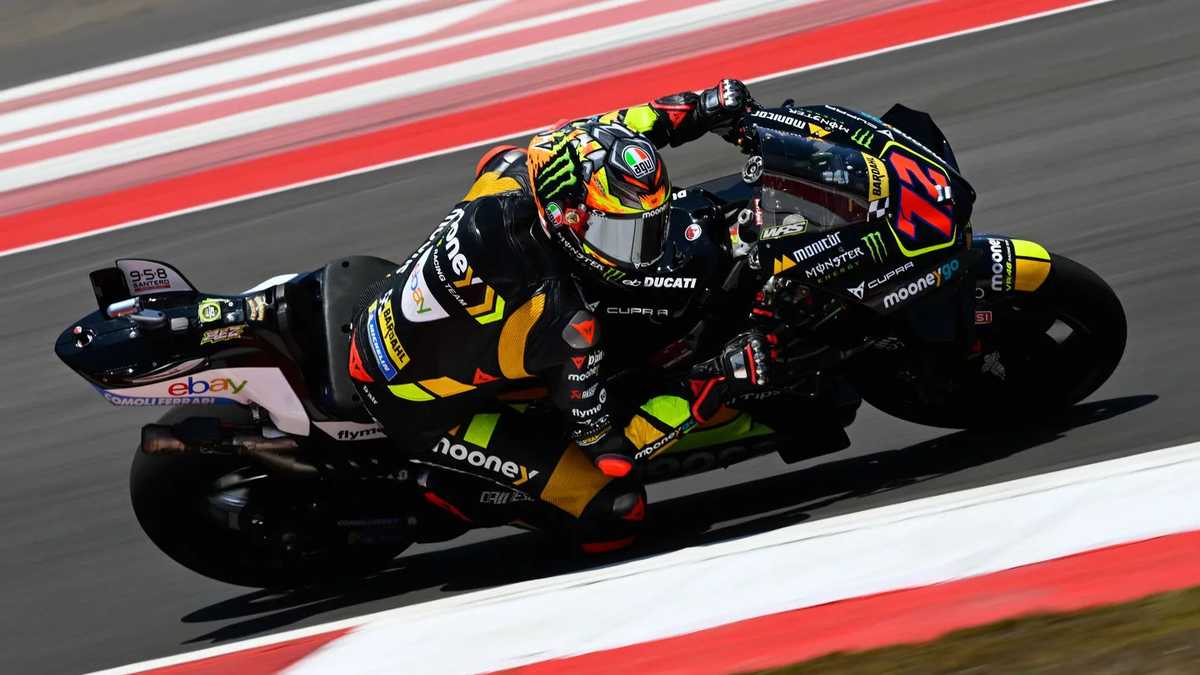
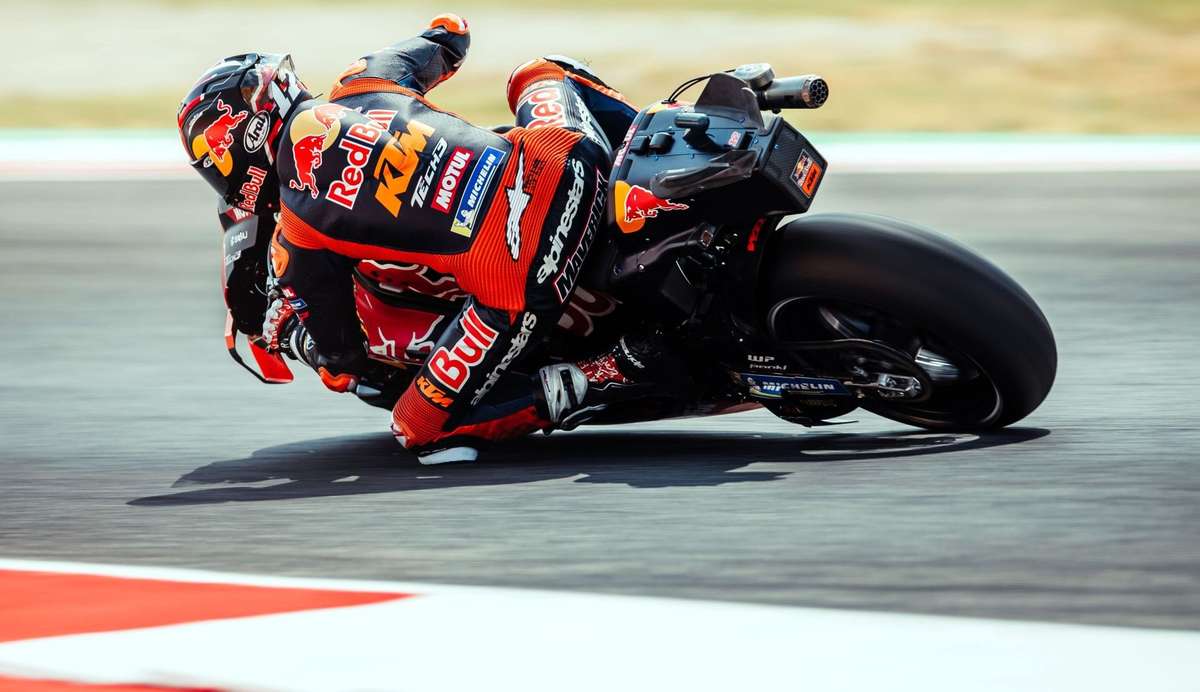
Coverage from tests and races indicates Viñales aims to preserve corner speed through aggressive lines and early commitment. The observable effect reported by technical outlets is a tendency to hold higher speed across the middle of turns, accepting tighter or more committed lines that position him for a robust exit.
That mid‑corner behaviour is a direct consequence of prioritising traction: by shaping the line to allow early throttle, he bets on tyre and chassis response. When grip is sufficient, the tactic gains clear lap‑time advantage; when grip drops, it increases front or rear sensitivity to temperature and compound behaviour.
EXIT TRACTION AND TYRE MANAGEMENT
Viñales has stated traction matters most to his riding. Press and team commentary reinforce that his lap construction depends on converting entry speed into exit power without overworking the rear. Technical reports discussing circuits like Mugello note that tyre and temperature conditions strongly influence riders whose style leans on on‑throttle turning.
That creates a two‑sided reality: on suitable tyres and moderate temperatures Viñales can exploit strong exits; under high tyre stress or marginal front grip the same approach forces tougher trade‑offs in tyre conservation and front‑end confidence. Reports of tracks exposing tyre limits repeatedly cite how such conditions can change a rider's effective window.
RACECRAFT AND DUEL INTELLIGENCE
Media accounts and team observations link Viñales's riding to an approach that is effective in seizing momentum during battles: decisive entry and immediate exit focus let him convert a late or bold pass into a gap if traction holds. Commentary also notes this tactic can leave him vulnerable when tyre behaviour turns against him, as aggressive early commitment offers less margin for recovery.
In practice, that means Viñales often needs the bike and tyre package to offer predictable front and rear response; under those conditions his tactical choices—when to gamble on a strong entry versus protect tyres—become the critical variable in duels.
CAREER ARC AND CIRCUIT FIT
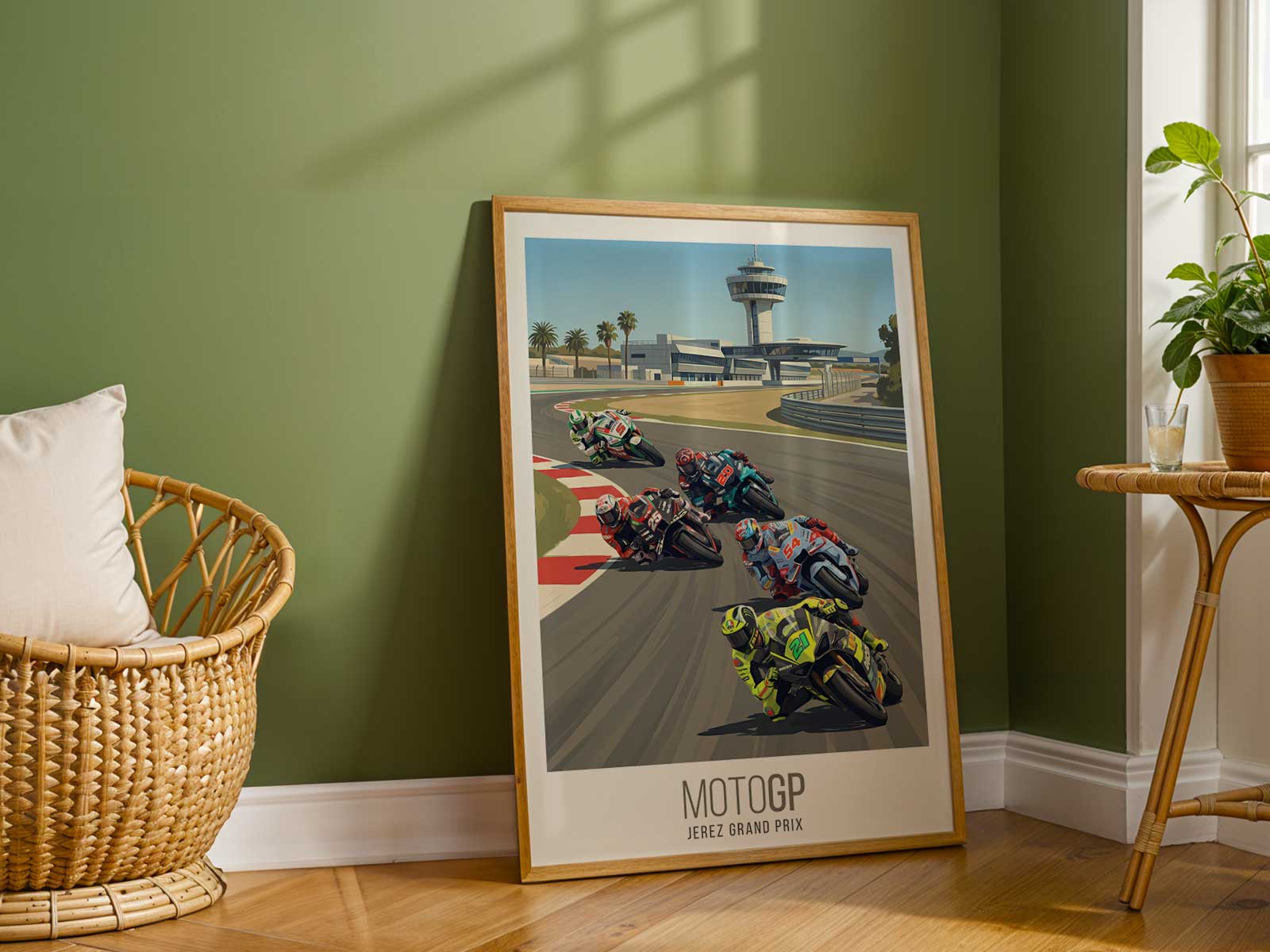
Reporting across multiple seasons ties Viñales's best results to circuits that reward his strengths. Press pieces and test reports point to tracks like Jerez and Le Mans as examples where his riding style historically produced strong performances, while Mugello has been cited in technical coverage as a circuit whose fast, sweeping corners and tyre/temperature demands can expose front‑end and traction limits.
Technical analyses from reputable outlets underline that riders with Viñales's profile must often adapt setup and technique to tyre allocations and chassis behaviour; success depends as much on machine‑package compatibility as on raw riding courage.
CLOSING INTERPRETATION
Maverick Viñales's technical signature in MotoGP is coherent and defensible from the available reporting: a traction‑first rider who uses aggressive corner entry and high mid‑corner speed to build exits. That signature is powerful when tyres, temperatures and chassis behaviour align, and revealing when they do not. Understanding Viñales means reading the interaction between his deliberate on‑throttle priorities and the ever‑variable technical constraints of tyres and setup—especially at circuits whose characteristics amplify front‑end and rear‑tyre sensitivity.
Author: Eric M.