Inside Monster Energy Yamaha MotoGP: structure, culture and the factory role
Monster Energy Yamaha MotoGP is Yamaha's official factory MotoGP operation. This article explains what the factory team is in concrete terms: how it is organised, how it connects to the wider Yamaha project, the rider development pathway that feeds it, and the practical partnerships and paddock behaviours that define its competitive identity.
Quick summary: Monster Energy Yamaha MotoGP is Yamaha Factory Racing’s official MotoGP entry. Centralised European operations, a formal management chart, close technical suppliers and an articulated rider pathway (BLU CRU) shape its sporting and technical role.
Quick access
Identity & first reading • Factory role • BLU CRU and riders • Technical partners
FIRST READING: team identity in MotoGP terms
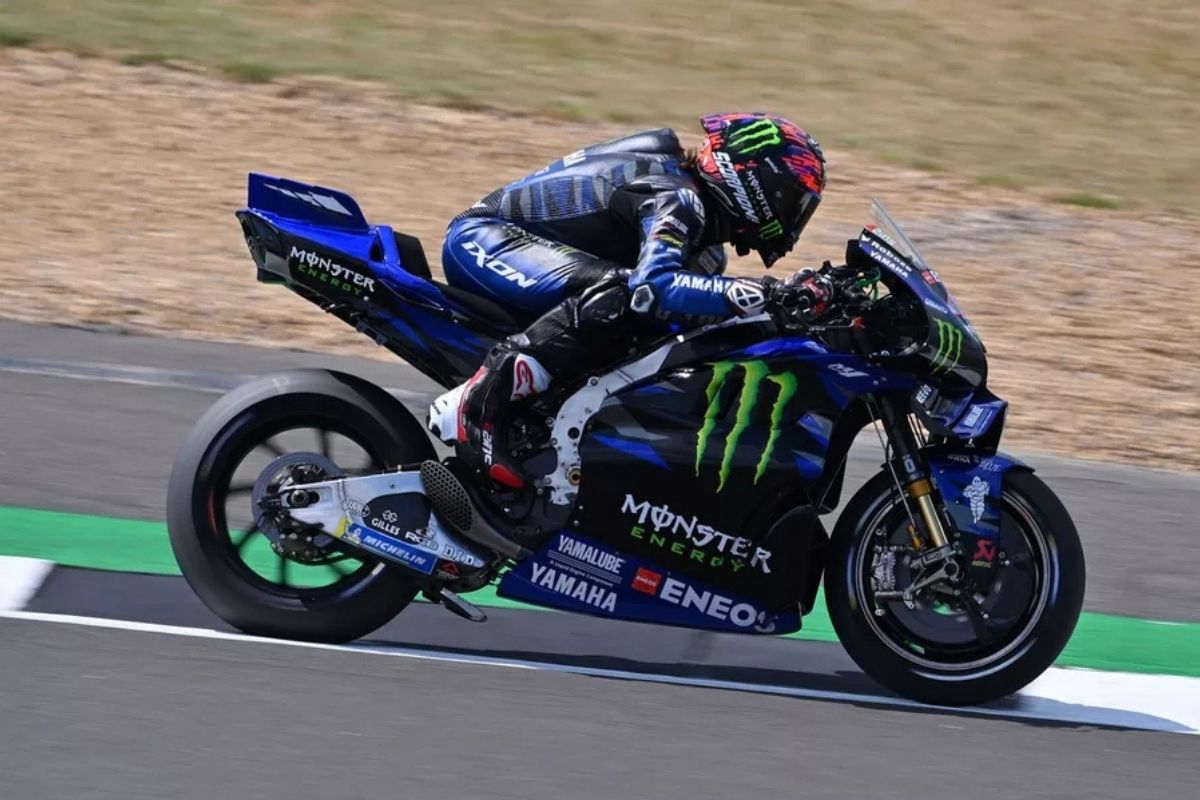
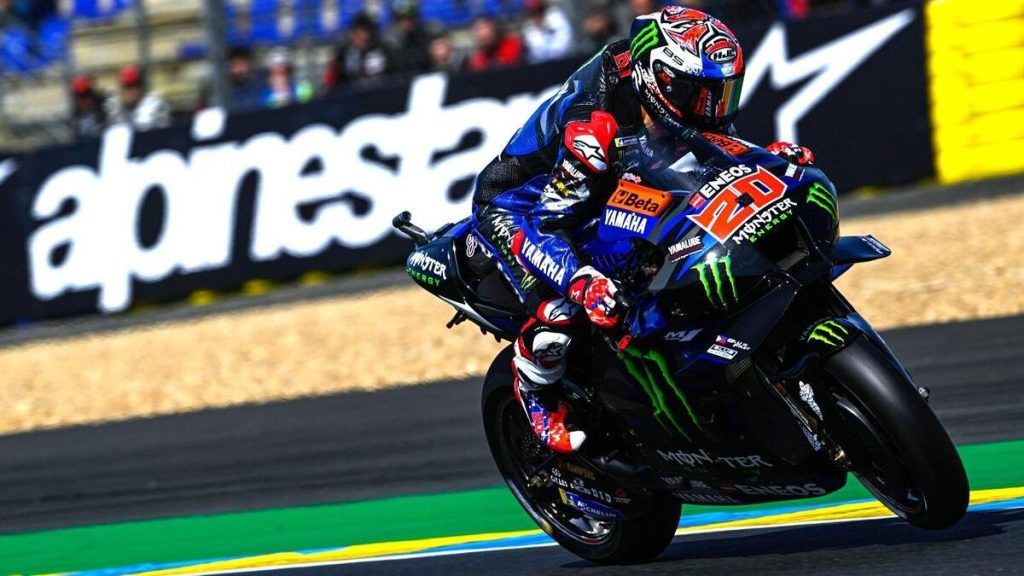
At first glance Monster Energy Yamaha MotoGP is the manufacturer’s visible, strategic presence in the world championship: the factory entry that carries Yamaha’s brand, technical priorities and the highest-level riders selected to represent the M1 project. The team functions as Yamaha’s principal performance arm in MotoGP and as the public face for factory-level developments.
FACTORY, SATELLITE, OR HYBRID ROLE
Monster Energy Yamaha MotoGP is the factory team. Yamaha’s corporate racing arm—Yamaha Motor Racing—centralised its European operations under Yamaha Motor Racing Srl in Italy to manage the factory MotoGP operation and related activities. The factory status means it runs the official Yamaha programme and is the primary receiver and developer of factory resources and strategy.
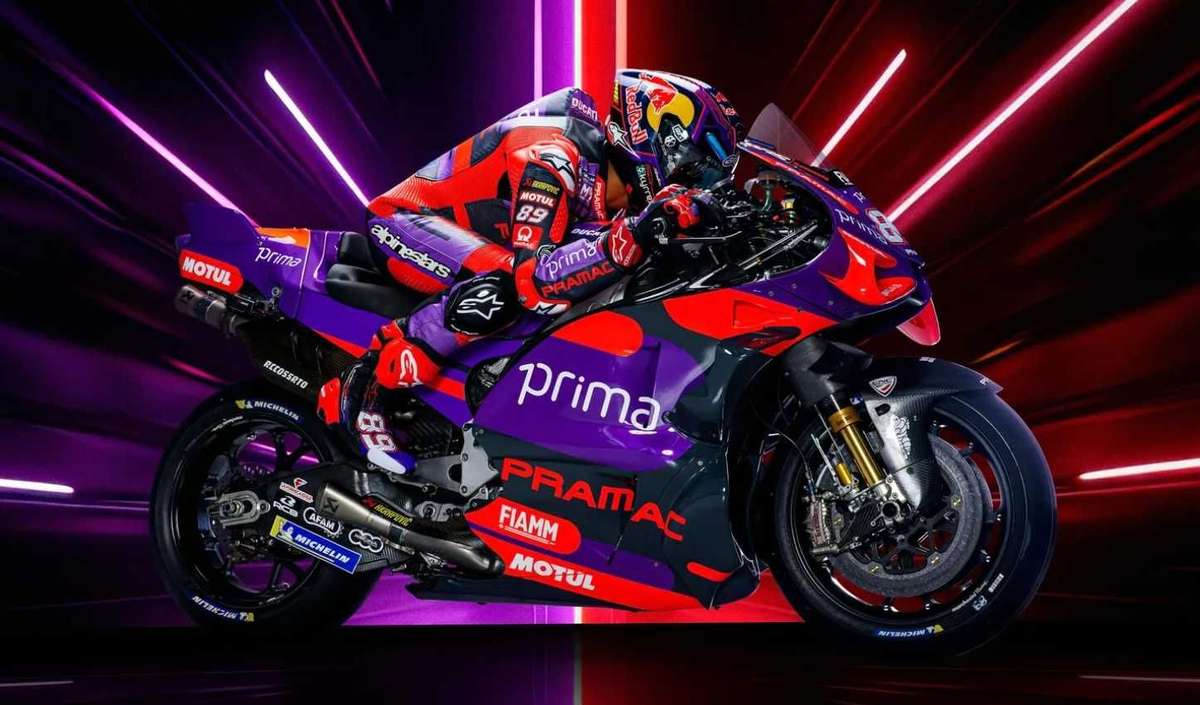
From 2025 Yamaha operates a dual-factory approach: the official Monster Energy Yamaha MotoGP team remains the factory outfit while Prima Pramac Yamaha MotoGP has been designated as a 'second Factory Team' operating in close technical collaboration and supplied with factory-spec M1s. That structure changes the paddock map but preserves Monster Energy Yamaha MotoGP as the core factory operation.
GARAGE STRUCTURE AND MANAGEMENT
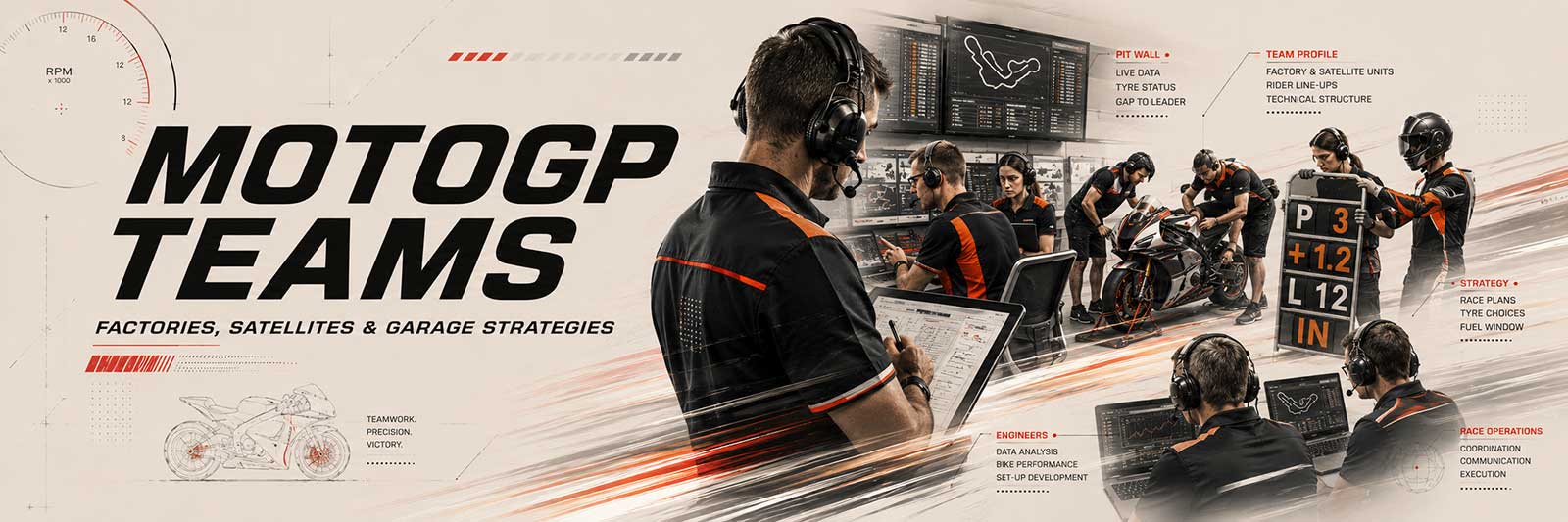
Yamaha publishes a formal organisational chart and named roles for the factory operation. The factory box is managed through an explicit hierarchy—roles such as Managing Director/Team Principal and Team Director are documented—and a test-team leadership is also identified. This formal structure establishes clear chains of responsibility for sporting decisions, technical development and test programmes.
The centralised European base in Italy provides administrative and operational continuity: logistics, technical coordination and season-long planning are handled inside Yamaha Motor Racing Srl rather than being dispersed. Public documents show this is a deliberate managerial choice to align racing, engineering and corporate oversight.
BLU CRU: rider pathway and sporting continuity
Yamaha operates the BLU CRU rider development pathway. BLU CRU combines Yamaha-supported programmes—such as partnerships with Prima Pramac’s Moto2 activity—and other Yamaha-backed projects to create a coherent route toward factory-level MotoGP rides. In practical terms, this pipeline is how Yamaha identifies and prepares talent to feed into the factory team or Yamaha-affiliated factory-spec entries.
Having a documented development pathway means the factory team can plan longer-term rider strategies, balancing immediate race objectives with talent development and succession planning that keep the M1 project linked to riders who already understand Yamaha’s technical profile.
TECHNICAL PARTNERSHIPS AND SUPPLIERS
Yamaha integrates external technical partners into the factory programme. Publicly confirmed partnerships include multi-year technical agreements—examples are the collaboration with Roboze for additive manufacturing capabilities and sponsorship/supplier relationships with companies such as Axalta for livery and vehicle operations. These partners are not peripheral sponsors only; they form part of an integrated approach to R&D, logistics and paddock operations.
Such partnerships reflect a factory-level focus: when the factory team signs technical suppliers on multi-year deals, those suppliers are positioned to influence development workflows and operational readiness rather than acting as short-term branding partners.
RACE-WEEKEND ROLE AND TECHNICAL FLOW
The factory team is the primary testing and development outlet for Yamaha’s MotoGP project. Formal test-team leadership and the factory’s management hierarchy coordinate test programmes, race-weekend priorities and data exchange with the centralised European office. Official launch events, press conferences and structured media activity are part of how the factory team organises its paddock communications and aligns public messaging with technical objectives.
Because Monster Energy Yamaha MotoGP is the factory outfit, its engineering choices and feedback loops are central to how Yamaha designs and updates the M1 platform. The team’s race-weekend work therefore mixes immediate performance aims with broader development goals that will feed future specification updates across factory-supplied machines.
HISTORY AND PADDOCK CONTEXT
Yamaha Factory Racing has long presented itself as a structured corporate project within MotoGP. Historical communications and official organisation charts illustrate a continuity of management and a steady integration between Yamaha’s corporate racing arm and the trackside team. Public team launches and formal events further underline the factory team’s role as Yamaha’s strategic representative in the championship.
The decision to formalise a second factory-collaborative structure with Prima Pramac Yamaha MotoGP is the latest step in an evolving paddock strategy: rather than diluting the factory, it multiplies factory-grade platforms while keeping Monster Energy Yamaha MotoGP as the core factory identity.
CLOSING INTERPRETATION
Monster Energy Yamaha MotoGP is not just a paint scheme on a grid slot: it is Yamaha’s controlled instrument for technical development, rider progression and public-facing competition. Centralised European management, a published organisational hierarchy, an explicit rider development pathway (BLU CRU) and long-term technical partnerships all define a factory programme that balances immediate race performance with broader platform development. Understanding that structure explains why the team acts as both a results-focused race unit and a strategic hub for Yamaha’s MotoGP future.
Author: Eric M.