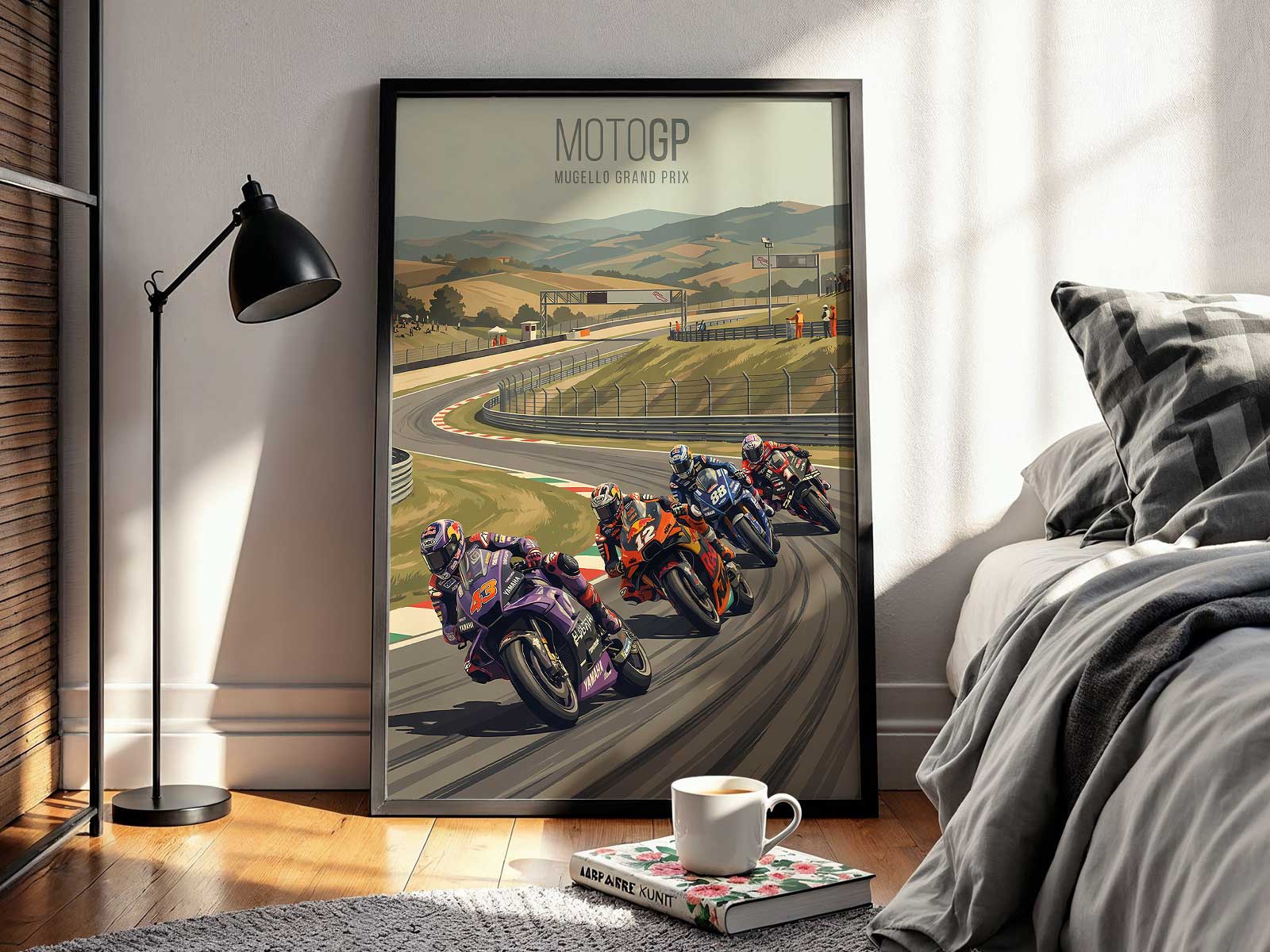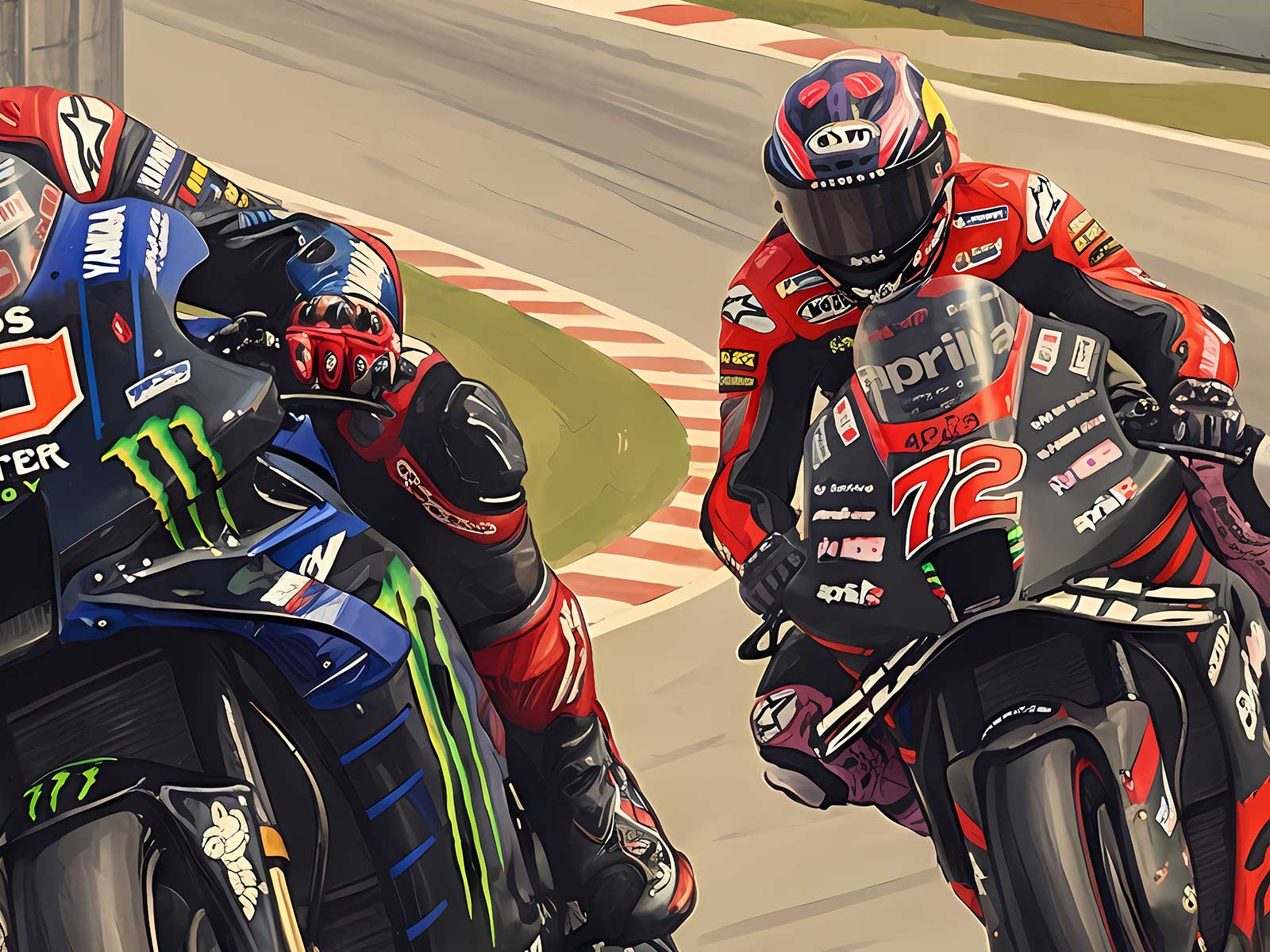
MotoGP Yamaha: How Technical Choices Correlated with the Recent Competitive…
The period covering 2023 and early 2024 exposed a clear competitive gap between Yamaha and the leading European MotoGP factories. This piece examines how Yamaha's technical choices — and the factory's development response — correlate with that loss of on-track competitiveness.
Summary
Independent reporting documents a marked performance decline for Yamaha in 2023–2024 relative to Ducati, Aprilia and KTM, with aero and integration (chassis/electronics/tyres) identified as major explanatory areas. Yamaha publicly recognised the deficit and initiated personnel and development changes.
Reader preview
- Where the performance gap showed up on track and why aero was pivotal.
- How chassis and electronics integration compounded issues.
- What Yamaha did in response and what that implies for competitiveness.
Quick access
First performance signals
Reporting from 2023 onwards showed Yamaha slipping behind the European trio of Ducati, Aprilia and KTM in race performance and constructors' points. Early technical summaries and track tests documented that Yamaha's package was not extracting the same consistent lap-time advantage as the European bikes. Observers highlighted that the initial signal was not a single failure but a pattern: race finishes and season points that trailed the leaders and repeated technical items tested without delivering the same step-change seen from rivals.
Peak seasons and strong periods
The verified sources describe the contrast rather than Yamaha peaks: European factories, especially Ducati, achieved notable development momentum through 2023 into 2024. That development produced measurable on-track gains for those teams, which in turn emphasised Yamaha's comparative decline. The interpretation here is that Yamaha's strongest competitive moments in this window were relative and intermittent rather than matching the sustained development pace of the European leaders.
Where it won and why
The verified material does not provide a race-by-race winners list for Yamaha, but technical analysis shows the European factories’ aero and development advances created clear advantages at circuits and scenarios that rewarded those innovations. By implication, Yamaha's occasional strong results during this period came where rider skill, setup choices or track characteristics mitigated the rivals' aero or development edge rather than from parity of technical solutions.
Where it struggled
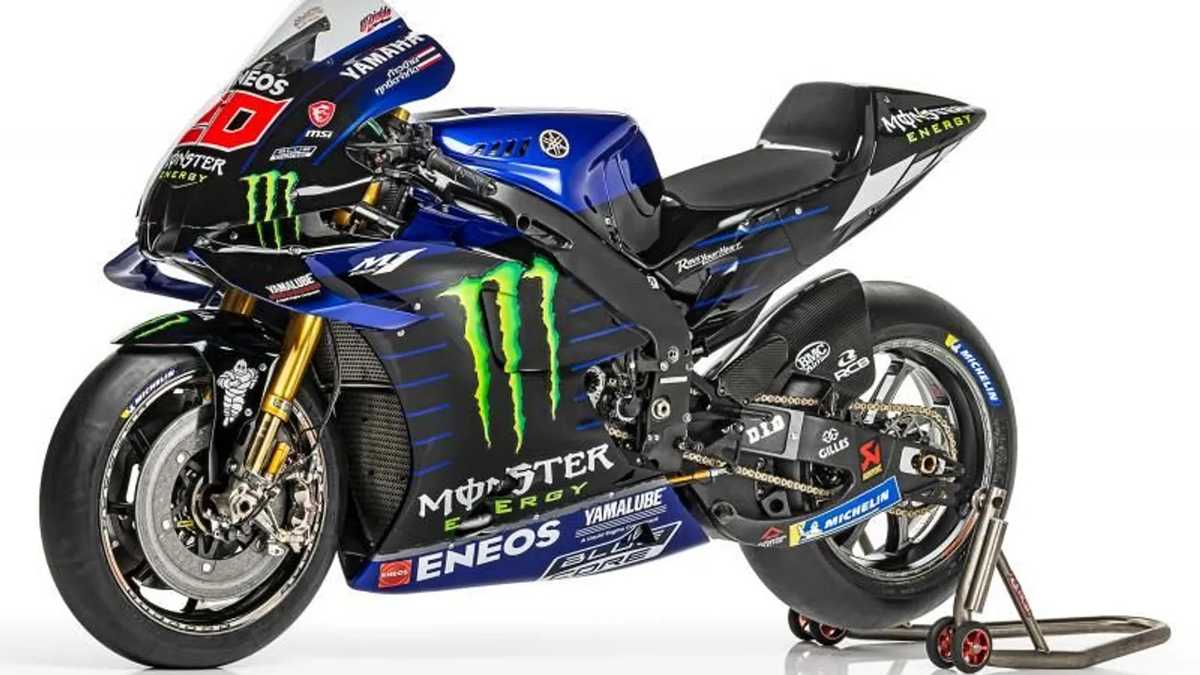
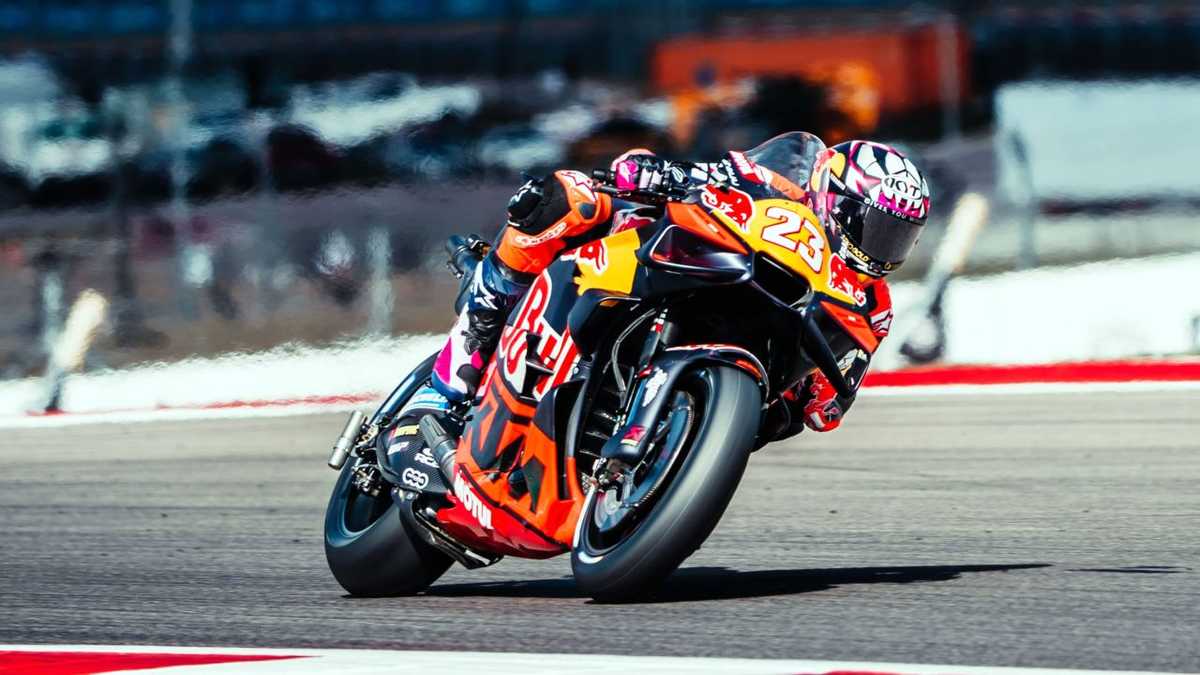
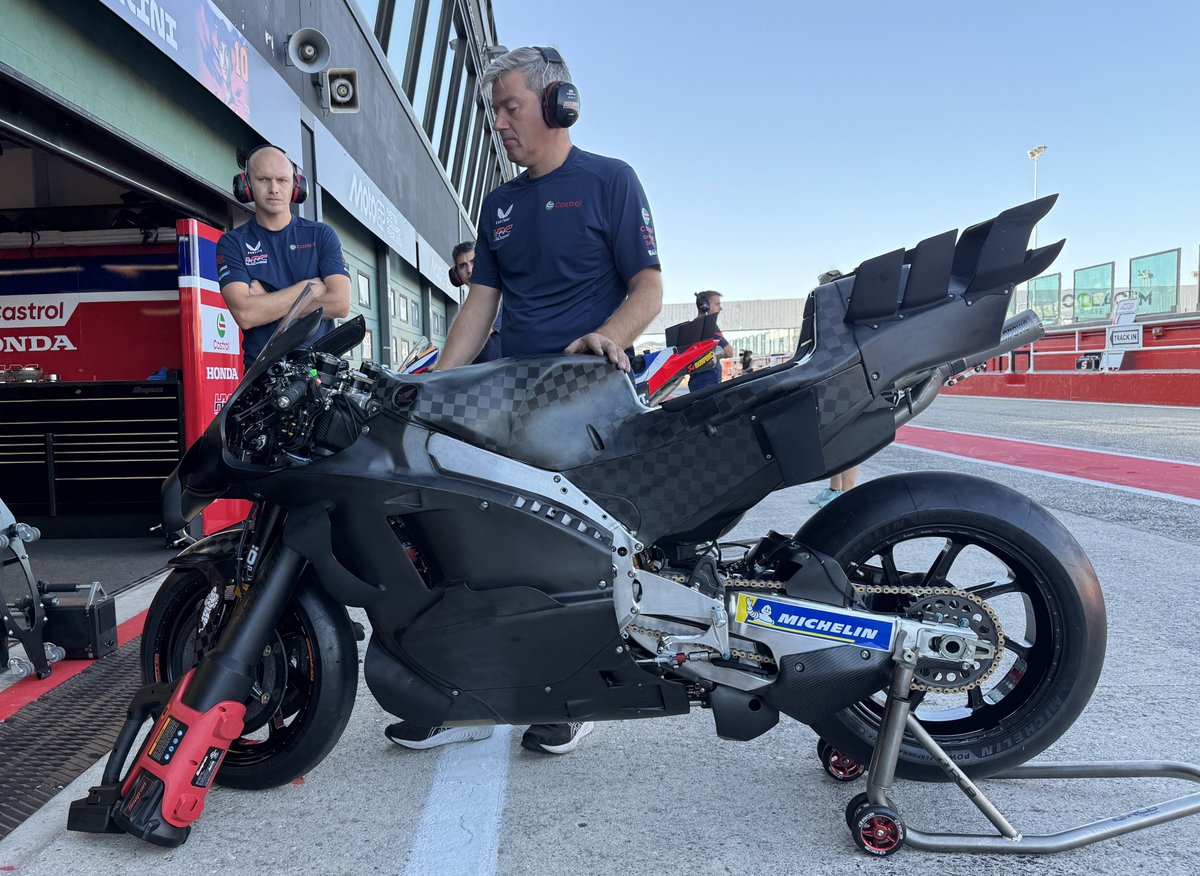
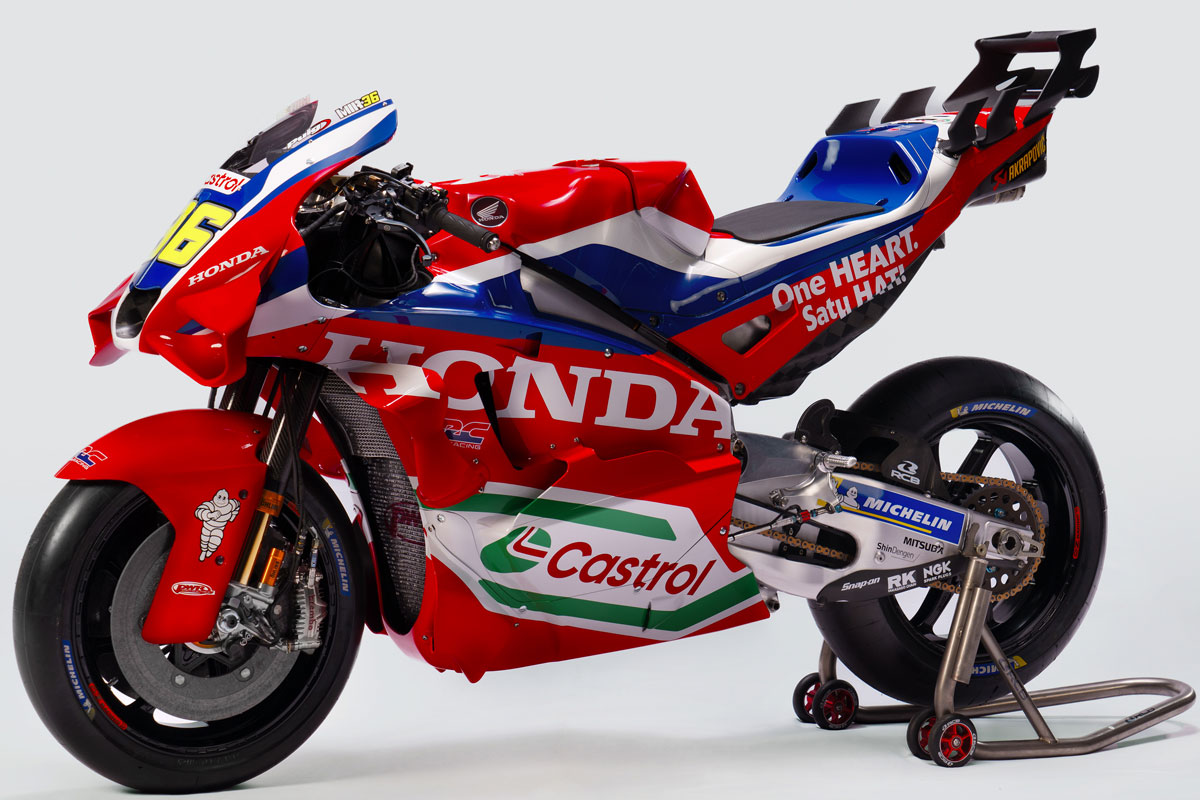
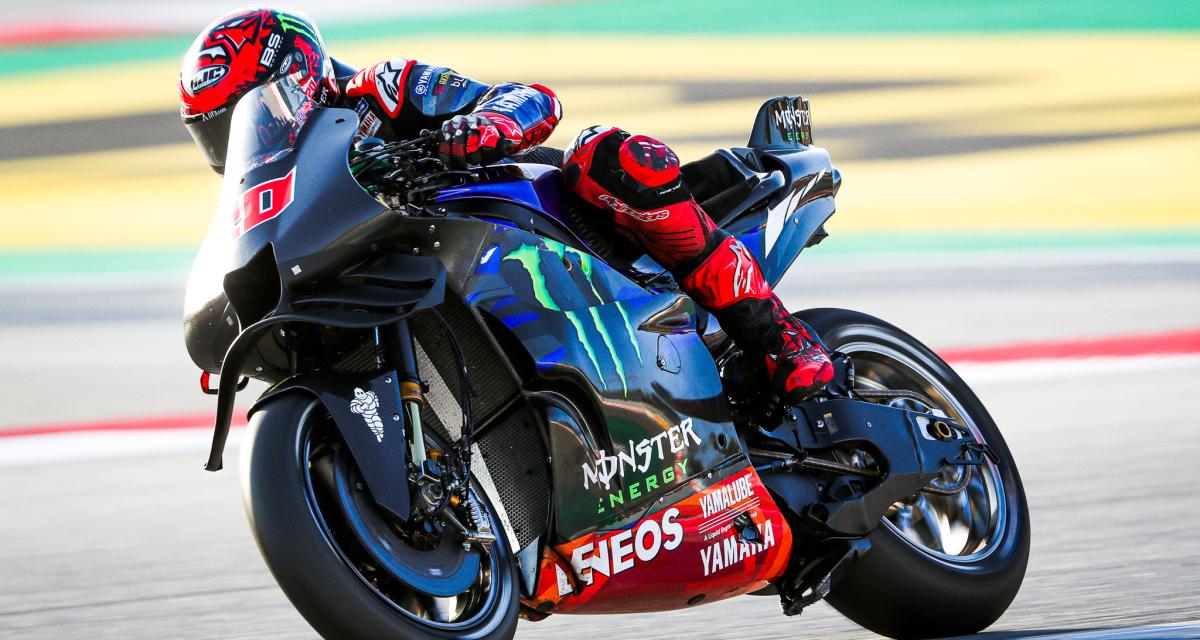
Multiple reputable outlets identified aero developments — including ground-effect approaches, refined side fairings and fork-mounted wing solutions — as a principal area where European factories gained an advantage. Yamaha struggled to match those aero packages in 2023–2024, and this deficit showed up as a comparative lack of cornering and integrated stability benefits that rivals were extracting. Technical reporting from tests (Misano, Valencia) and season coverage documented Yamaha experimenting with aero and chassis items while still trailing the European packages.
Riders and extraction of performance
Sources note that Yamaha riders and team voices acknowledged the need for progress and that the factory was still behind the European leaders in early 2024. That admission underlines a key point: where rider feedback and setup can compensate, Yamaha could be competitive in isolated situations, but repeated comments from within the paddock signalled the machine required deeper changes to deliver consistently at the level of Ducati, Aprilia and KTM.
Consistency, podiums, and championship weight
Verified reporting frames Yamaha's challenge as one of repeatable competitiveness. The European factories' rapid aero and development work translated into consistent performance gains that affected podium frequency and constructors' points. Yamaha's responses in testing were visible, but the public record indicates at least a temporary erosion in repeatable front-running results until the factory's development catch-up could be shown to close the gap.
How results changed over time
Across 2023 into early 2024 the pattern reported by multiple technical outlets was one of divergence: rivals pushed aero and integration advances forward and gained measurable advantages, while Yamaha tested multiple solutions and subsequently moved to recruit experienced personnel and accelerate development. Sources confirm Yamaha recognised the issue and undertook targeted remedial steps, including hires from European operations and focused testing programmes aimed at the aero/chassis/electronics package.
What the results really say about the bike
The verified evidence supports a cautious editorial conclusion: Yamaha's technical choices and slower development trajectory in aero and integrated systems correlated with a measurable competitive decline versus European factories in 2023–2024. Aero innovations from Ducati, Aprilia and KTM produced on-track advantages that were compounded by effective chassis-electronics-tyre integration. Yamaha's public acknowledgement of the deficit and subsequent recruitment and test activity indicate the factory identified those areas as primary causes and acted to close the gap.
Limits of public data
Internal engineering metrics and precise quantitative attribution between aero, engine, chassis and electronics are not available in the public record; analyses rely on observed performance patterns and independent technical reporting.
Author: Alex R.